A food stall displays a variety of dishes at the Bengaluru Aaharotsava, a vegetarian food festival in Bangalore, India, on October 18, 2019. MANJUNATH KIRAN/AFP
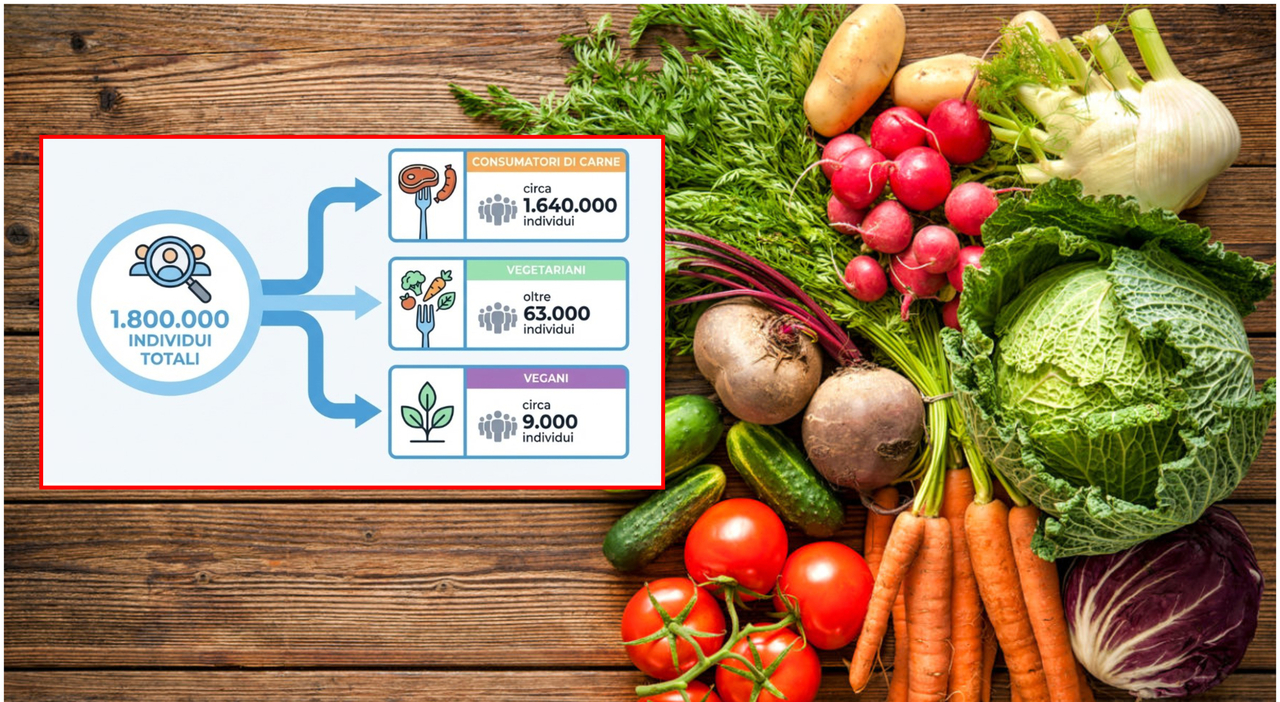
The vegetarian diet is widely regarded as healthier, but its adherents are often too few in large cohort studies for its benefits to be clearly identified. An international research team sought to overcome this statistical hurdle by pooling data from nine different cohorts across four countries (the United Kingdom, United States, Taiwan and India), totaling 1.8 million people monitored for more than 15 years. The results of this unprecedented analysis, published in late February in the British Journal of Cancer, show substantial reductions in the risk of certain cancers among people who abstain from eating red meat (beef, lamb, pork, etc.).
Led by epidemiologist Aurora Perez-Cornago of the University of Oxford, the authors estimate that, compared to meat eaters, vegetarians in these nine cohorts had lower rates of multiple myeloma (-31%), as well as lower rates of pancreatic cancer (-21%), breast cancer (-9%), prostate cancer (-12%) and kidney cancer (-28%). For breast and prostate cancers, the risks were also reduced, though to a lesser extent, among poultry eaters (-4% and -7% respectively) and pesco-vegetarians (-7% and -10%), compared to those who regularly ate all types of meat.