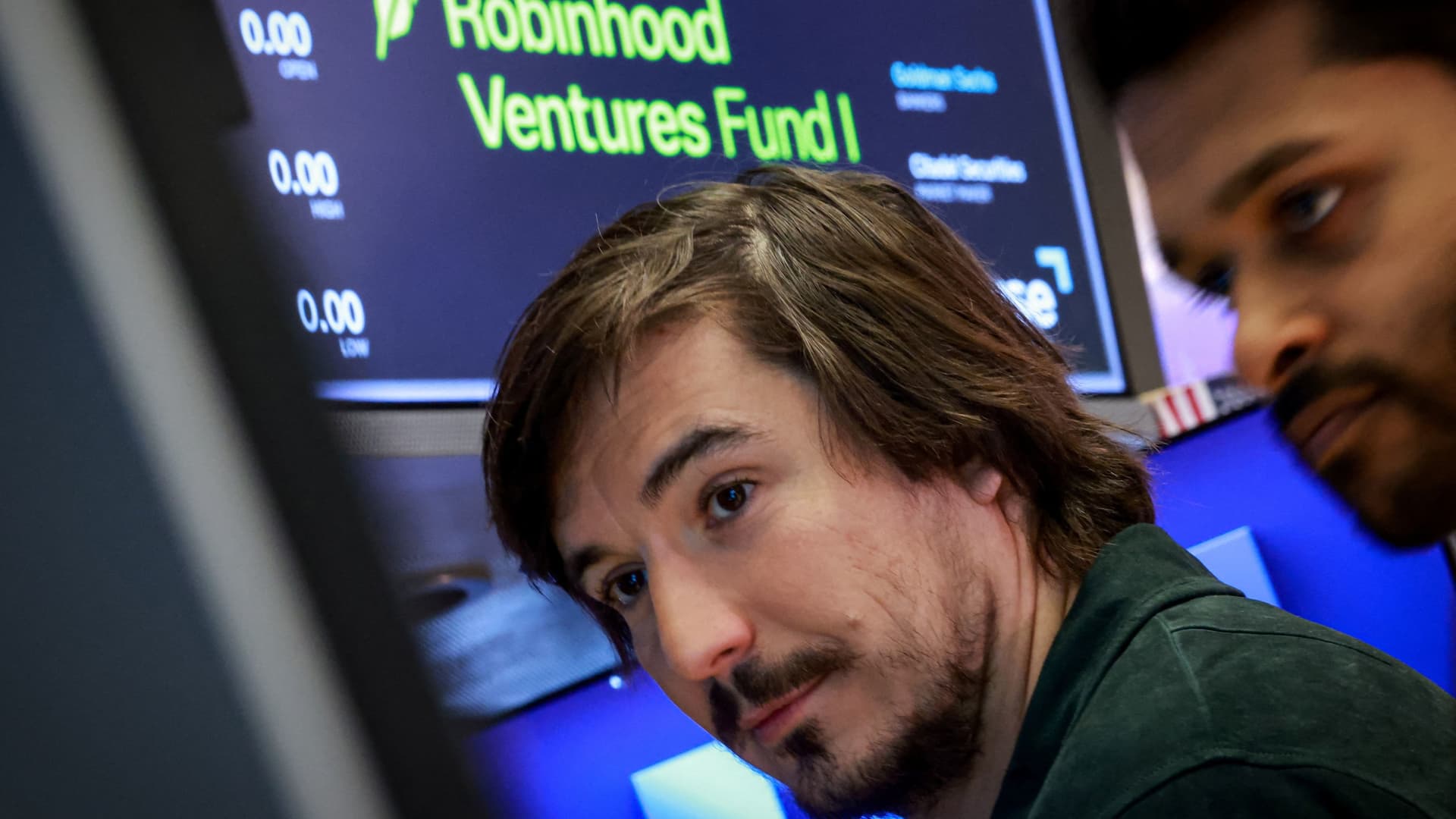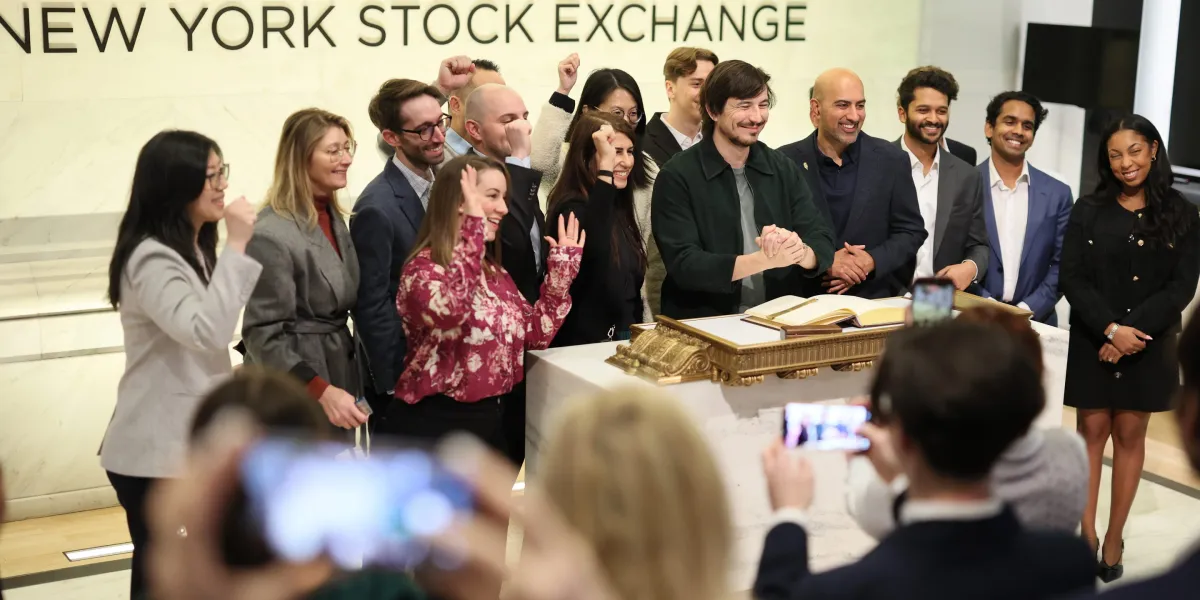
On Friday, Robinhood cofounder and CEO Vlad Tenev rang the opening bell at the New York Stock Exchange. This time, he wasn’t celebrating the public offering of his own startup, but instead an investment fund that Robinhood launched that allows retail traders to get access to red-hot private companies like Databricks and Ramp.
Robinhood’s core philosophy has always been giving everyday users access to the same tools, such as options trading, as their institutional counterparts. Tenev argues that walling off such products to accredited investors contributes to the wealth gap. Robinhood’s mileage on this ethos has varied, with the platform only rebounding from the reputational hit of the 2021 GameStop debacle in recent years. But Tenev continues to double down on expanding the investment suite on his brokerage platform. That includes a recent foray into prediction markets—the new oracle of truth and hedging, or a new way to lose money on parlay bets, depending on who you’re asking.
But Tenev’s pet passion has been “blowing” open the door to private markets, as he said on CNBC last week. On the surface, it’s a noble project. Everyone wants access to companies like Anthropic and SpaceX, but only the most connected investors can get access—at least without paying exorbitant fees or buying into scams. When (and if) the private market equivalents of the Magnificent Seven go public, it’ll be the most elite firms on Wall Street raking in the profits. Over the summer, Tenev called it a “big tragedy” that all the excitement is in private markets.