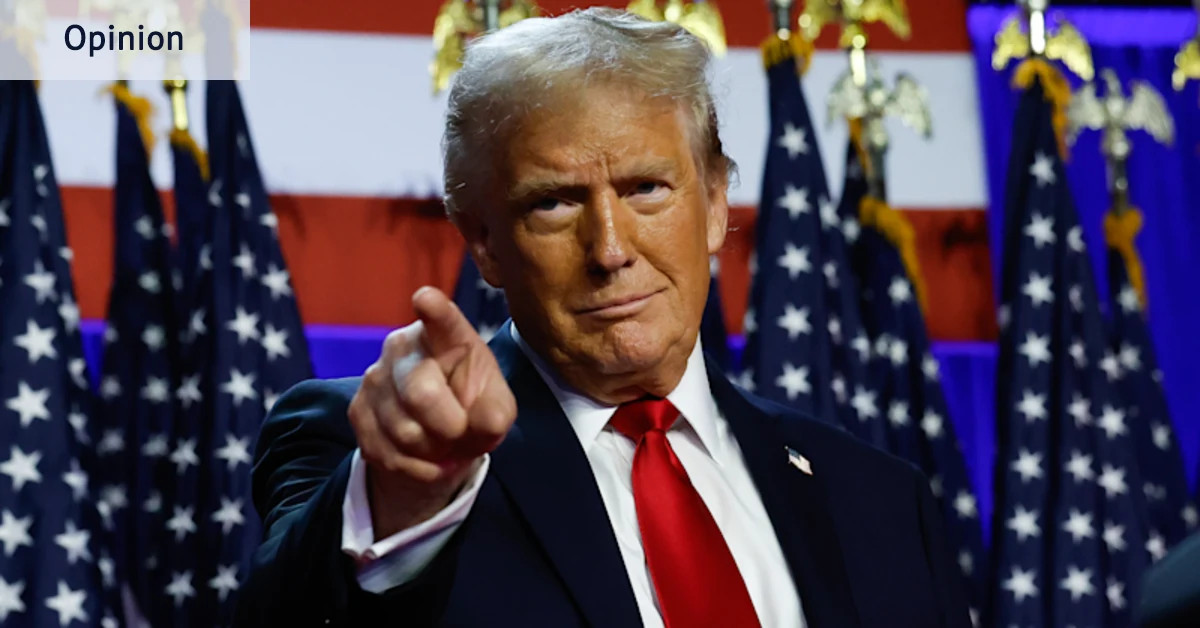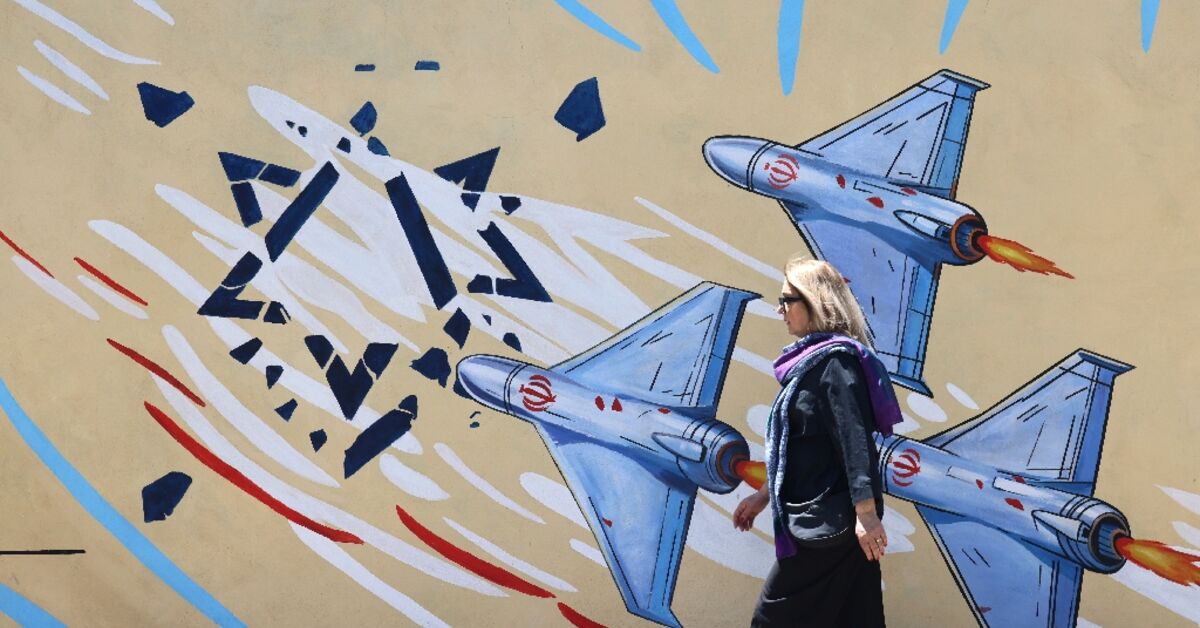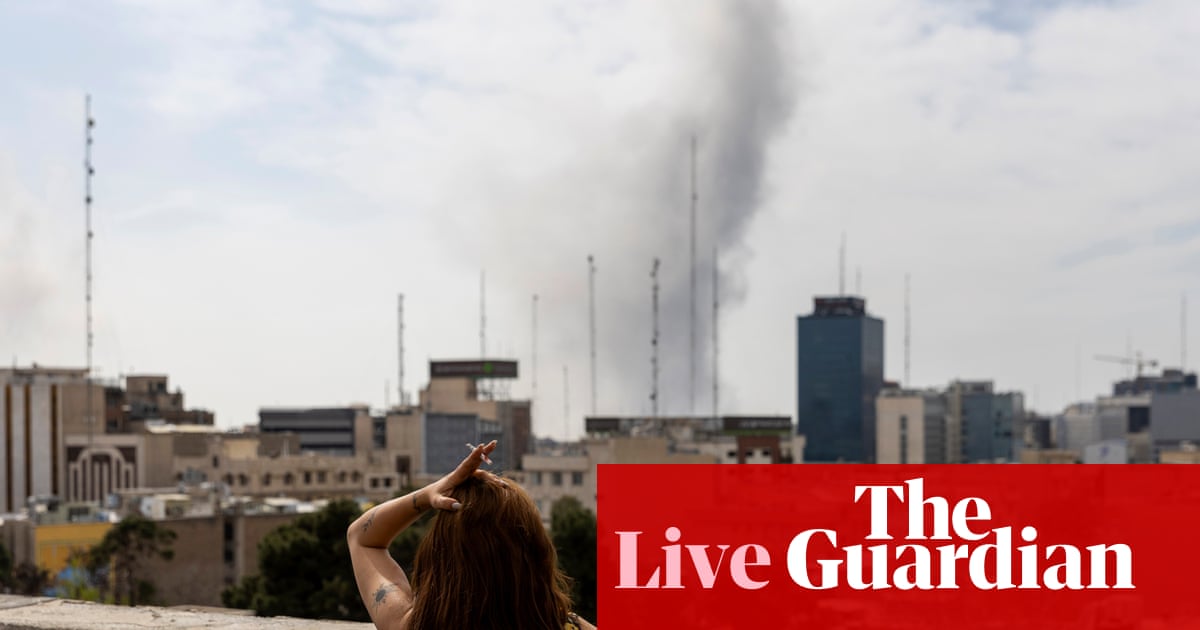
Will the war in Iran be short? That’s what US President Donald Trump promised the world just a few days ago. Yet already his defence secretary Pete Hegseth seems to be backing away from that prediction, warning last week that things are “accelerating not decelerating” as he promises more bombs and fighter jets. The conflict has spread throughout the region and even beyond, with the sinking of an Iranian frigate off Sri Lanka.
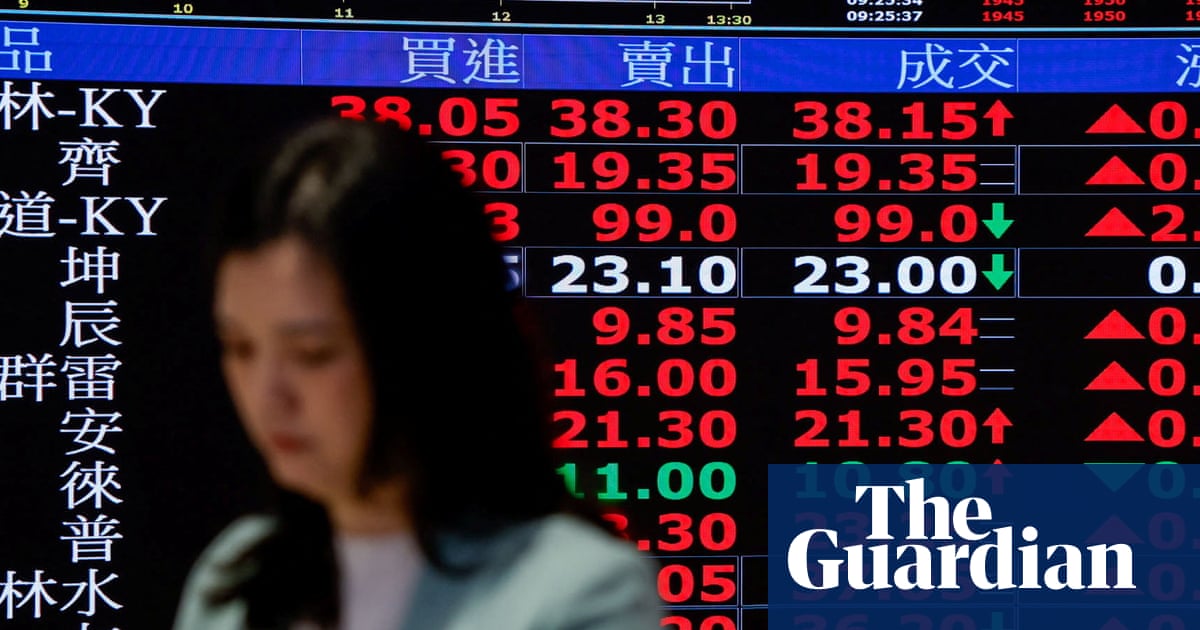
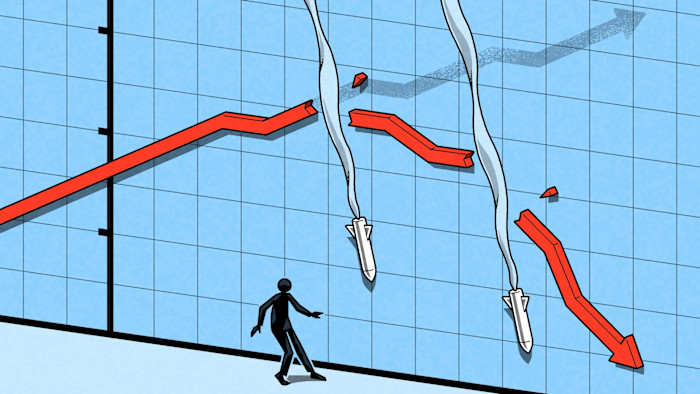
How does it all end? That may be less a question of drones, ships and artillery than supply chains, inflation and debt markets. Since the war in Ukraine began in 2022, we’ve seen how the weaponisation of energy and trade can create inflation shocks that result in short-term bond sell-offs. These in turn can change the course of political events.
The UK gilt crisis that sank Liz Truss’s short premiership occurred partly in this context. So did the sea change in European attitudes towards industrial policy and defence spending, which came after Russia’s invasion of Ukraine and America’s global tariff war.
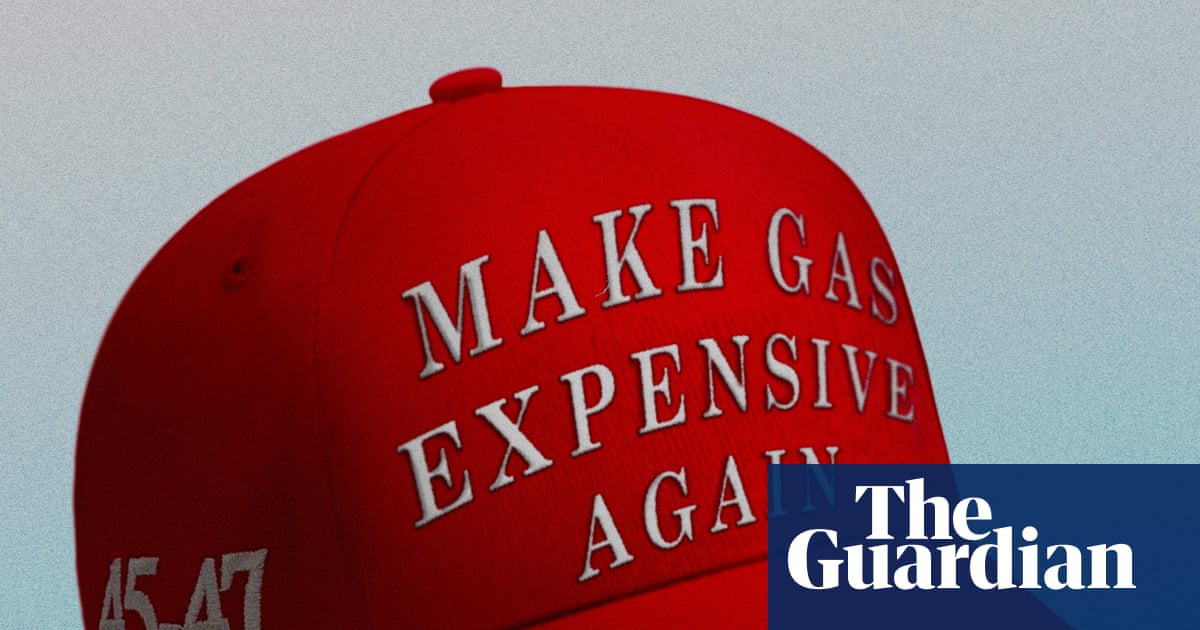
More recently, bond market jitters around US tariffs and Chinese rare earth export bans gave birth to the “Taco” trade, as Trump was forced to pause most of his reciprocal tariffs amid big sell-offs in Treasuries that pushed yields sharply higher. Stocks and the dollar also weakened as a result, marking a rare triple sell-off.