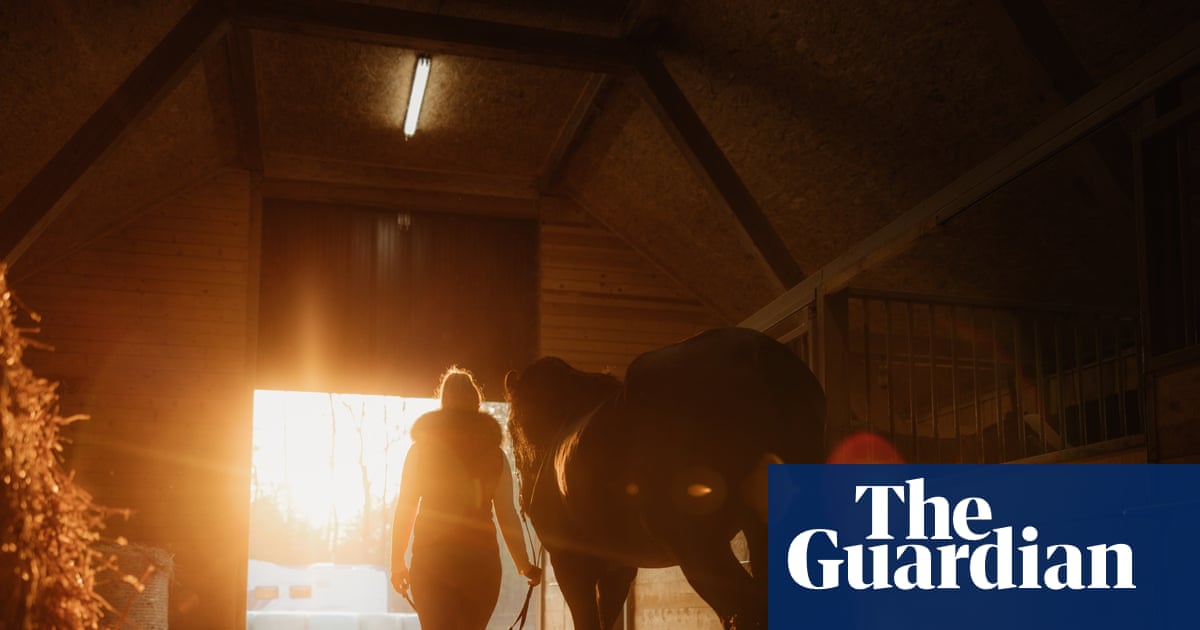
My horse was more of a pony: narrow and small with a jerky stride and an inclination to veer off the track into the heather. I was on Dartmoor, Devon, hacking out with a riding stables as part of my research on the American poet Sylvia Plath. I had not been on a horse for at least 20 years and I didn’t remember it being quite so uncomfortable. We jolted in the direction of Yes Tor.
A semi-wild pony on Dartmoor © Jenna Foxton
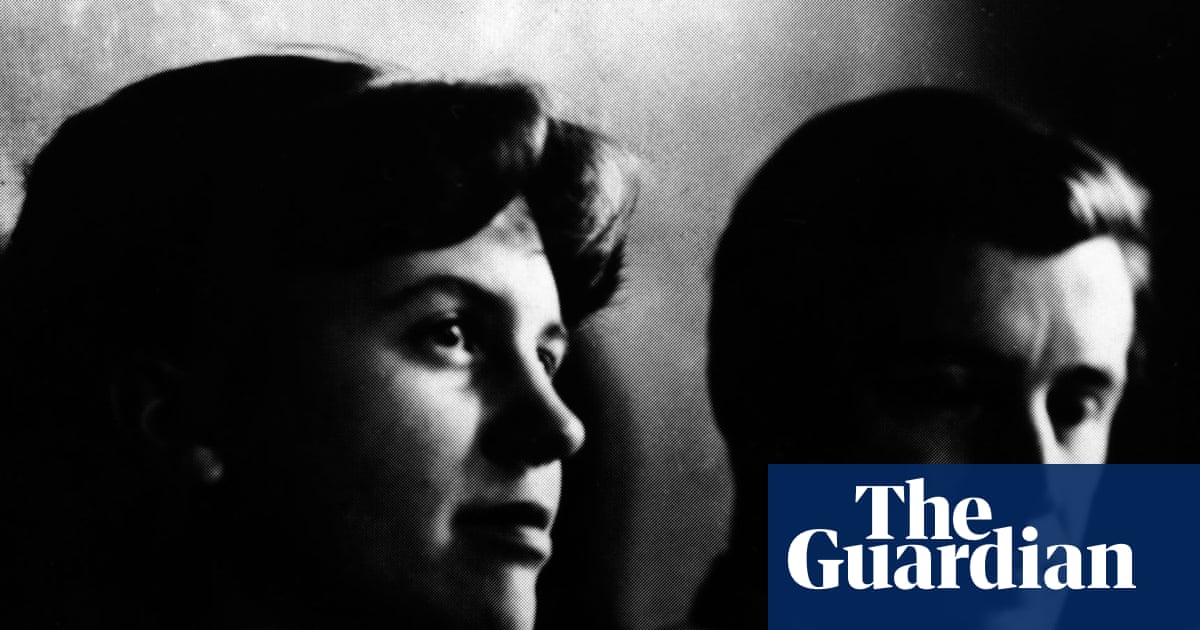
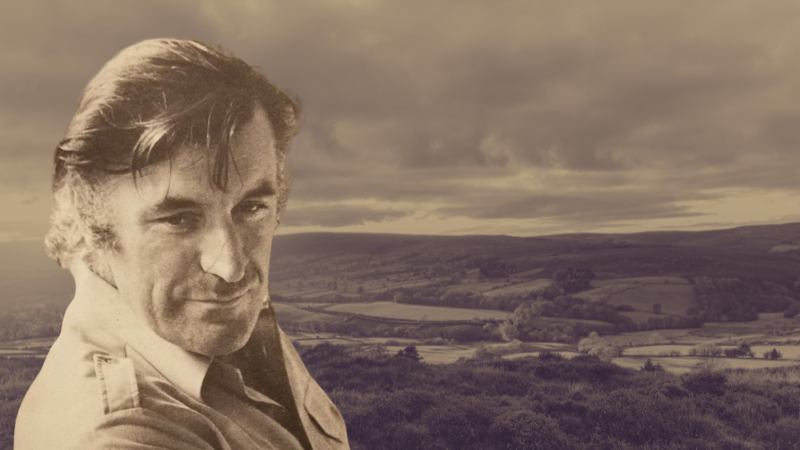
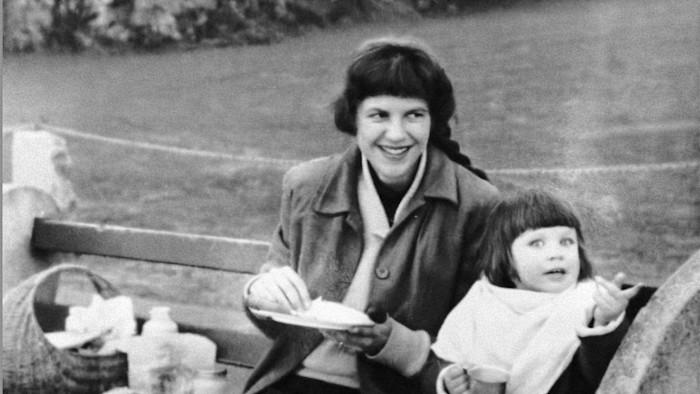
Sixty years earlier, Plath wrote her poem Ariel on 27 October 1962 – her 30th birthday – named after the horse on which she was taking riding lessons. She had been living in Devon for just over a year. She and her husband, Ted Hughes, had moved to the town of North Tawton when she was pregnant with their second child and they wanted to escape London to bring up their family in the countryside. Nuclear fallout was a very real fear.
When she wrote the poem, Plath herself was learning to ride; her letters describe her excitement at the prospect of coming off the leading rein. Her horse was elderly and, according to a local friend, something of “a plodder”. The poem draws on an incident seven years earlier when she was bolted through the streets of Cambridge by a horse with the more prosaic name of Sam. But any narrative recreation of the experience that prompted the poem invariably shows Plath galloping alone across Dartmoor into a blazing sun – the feminist speaker-self of the poem.