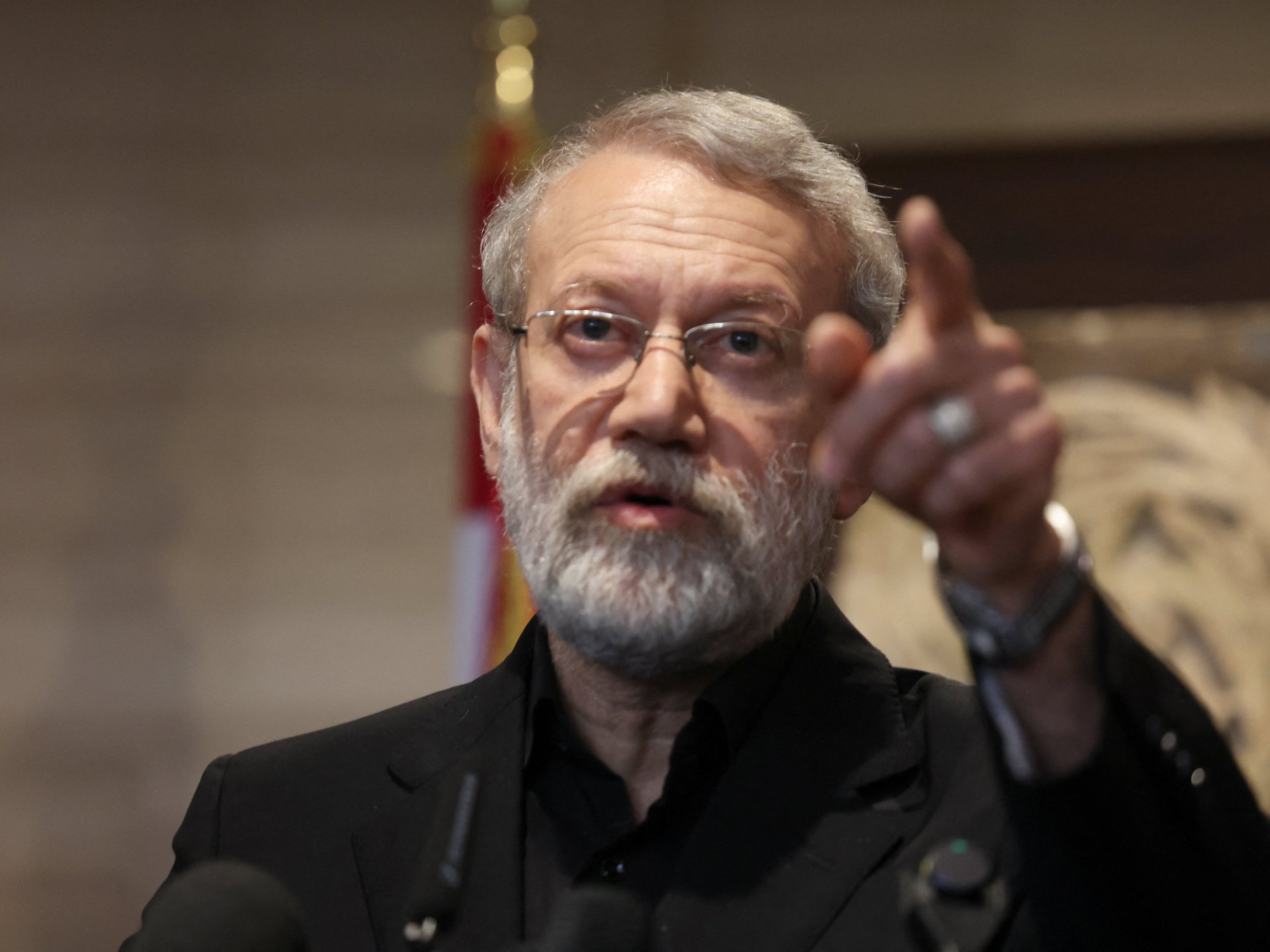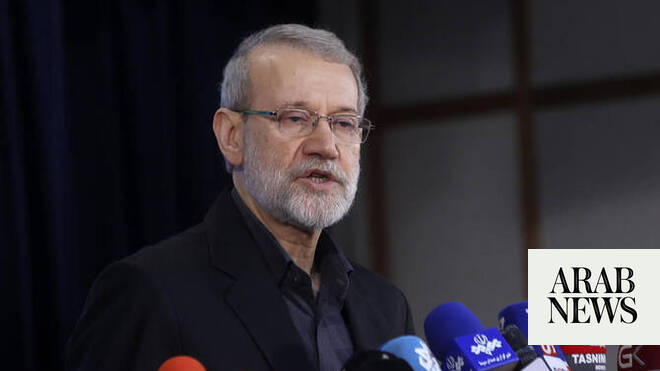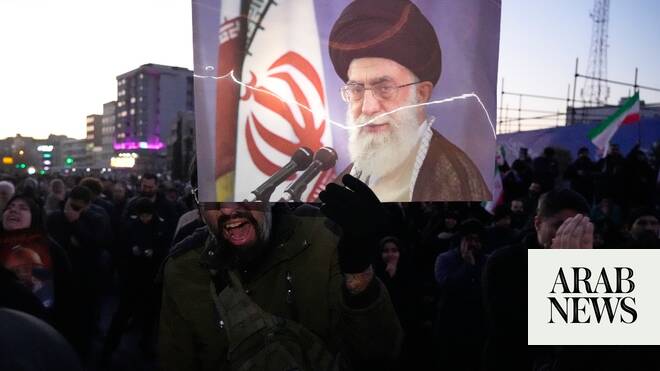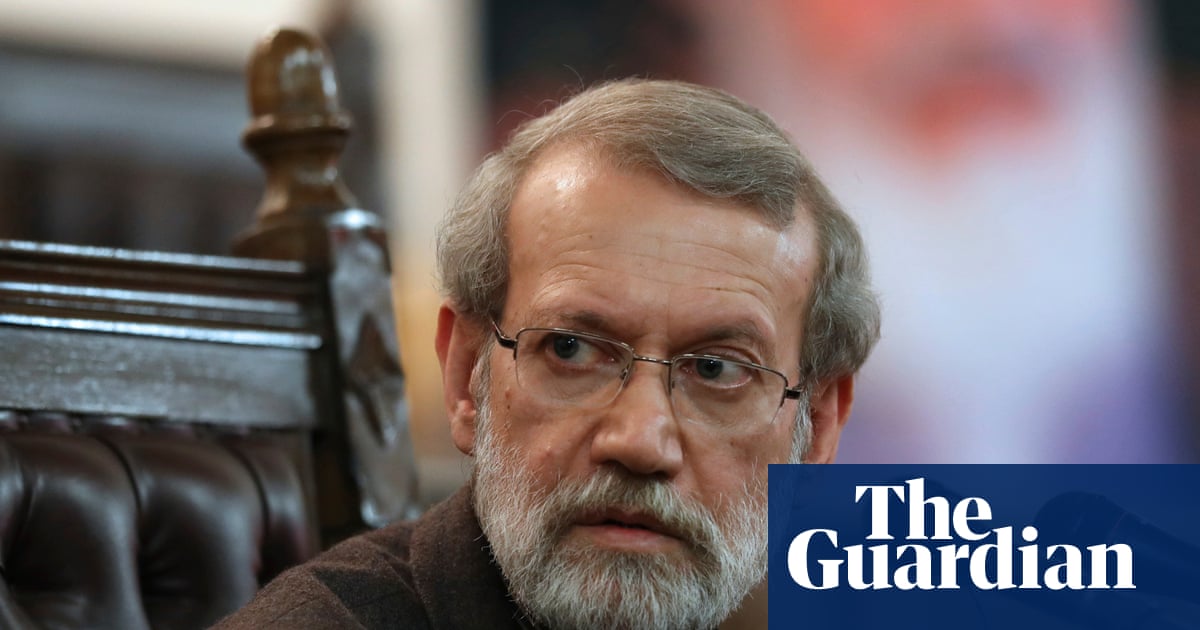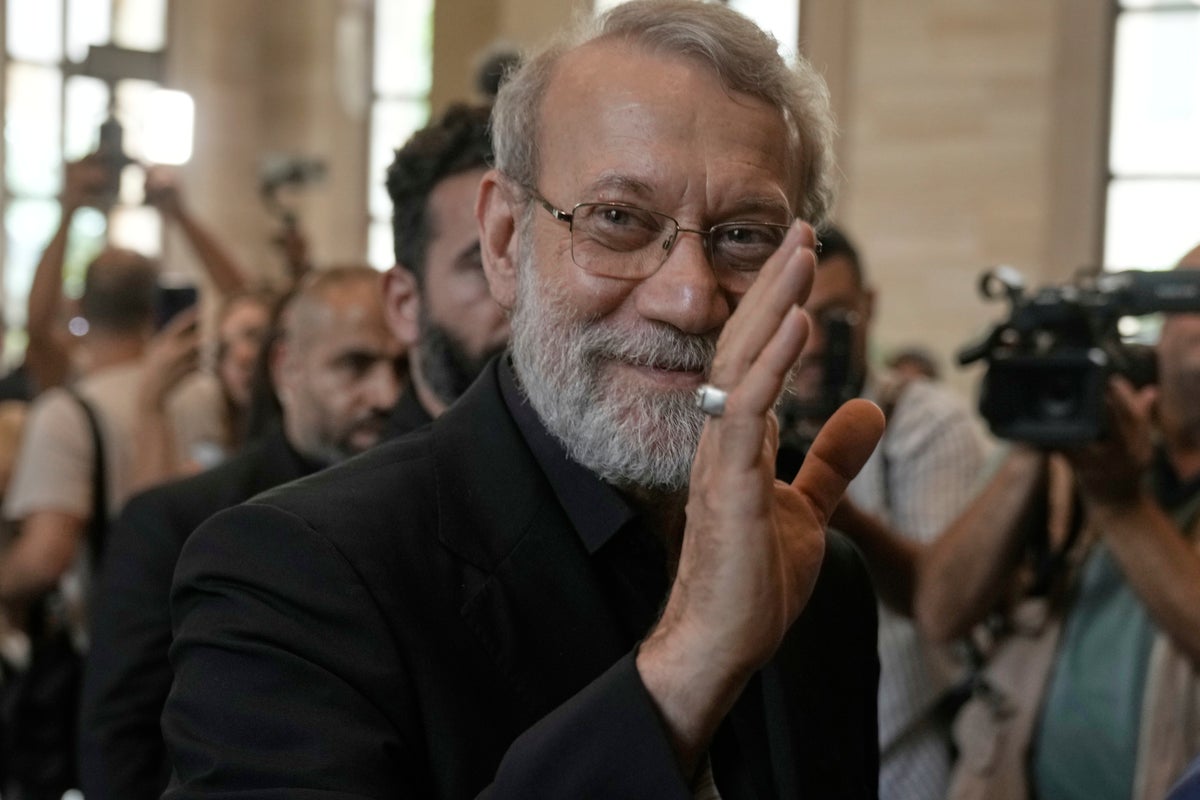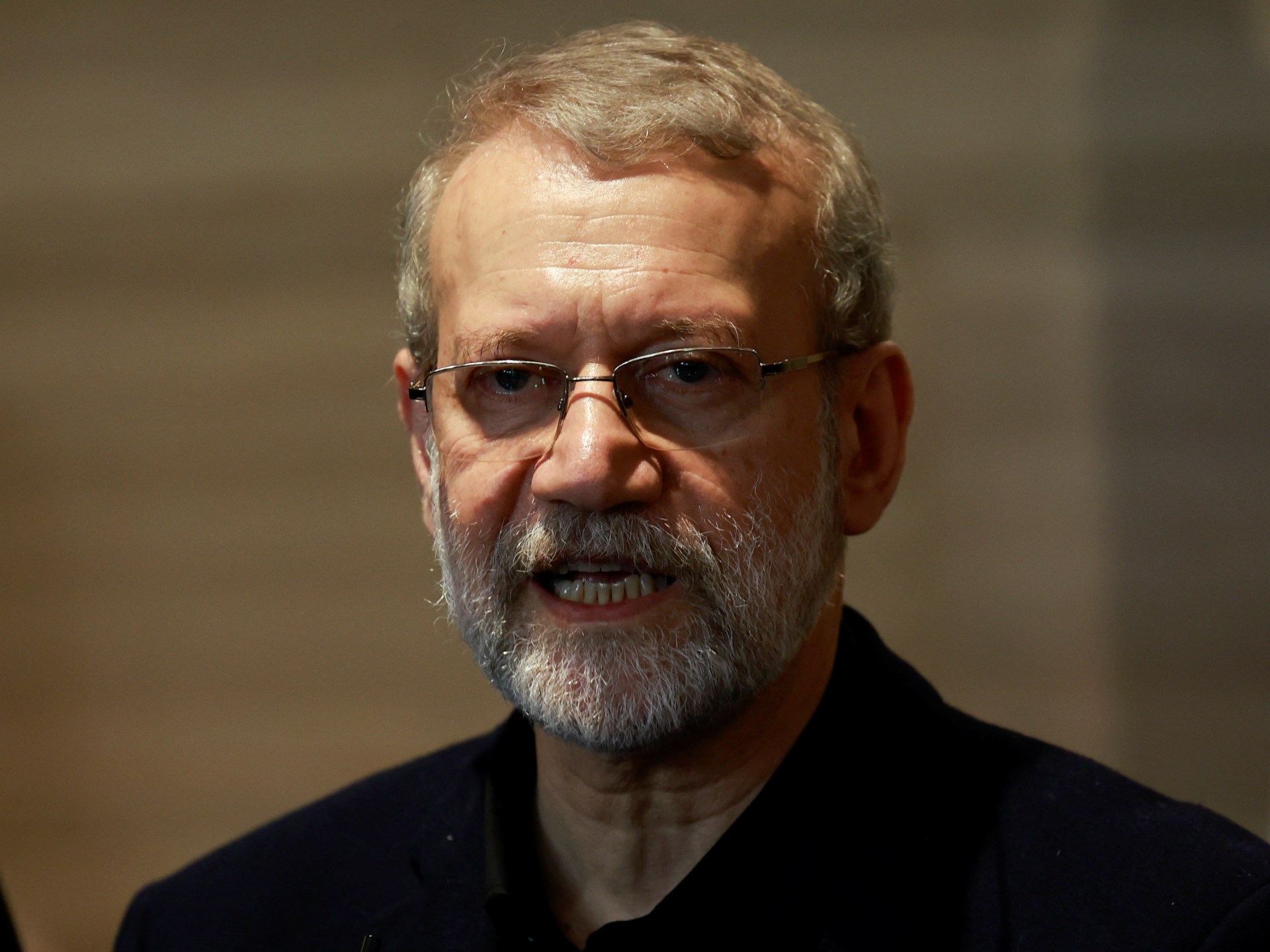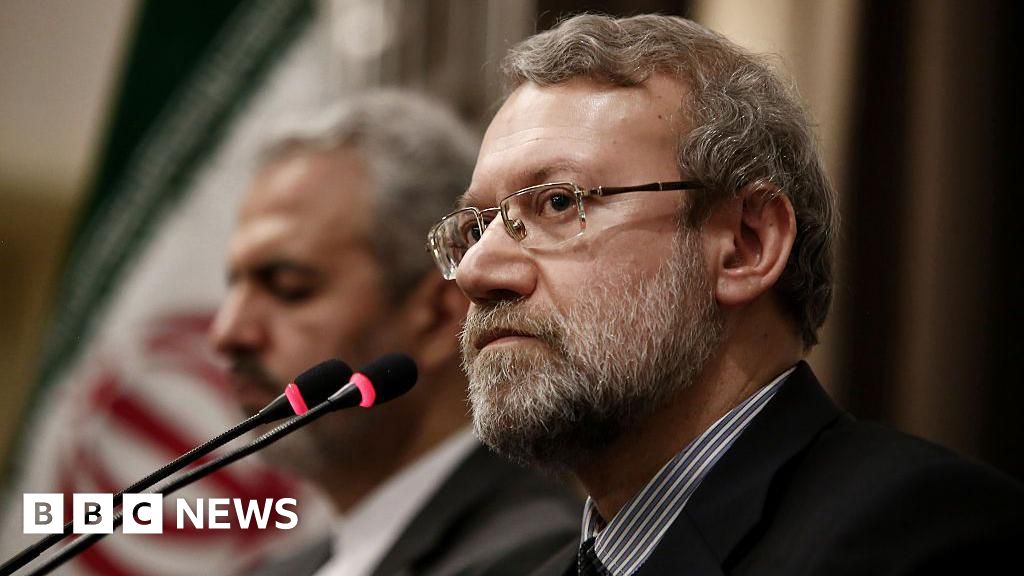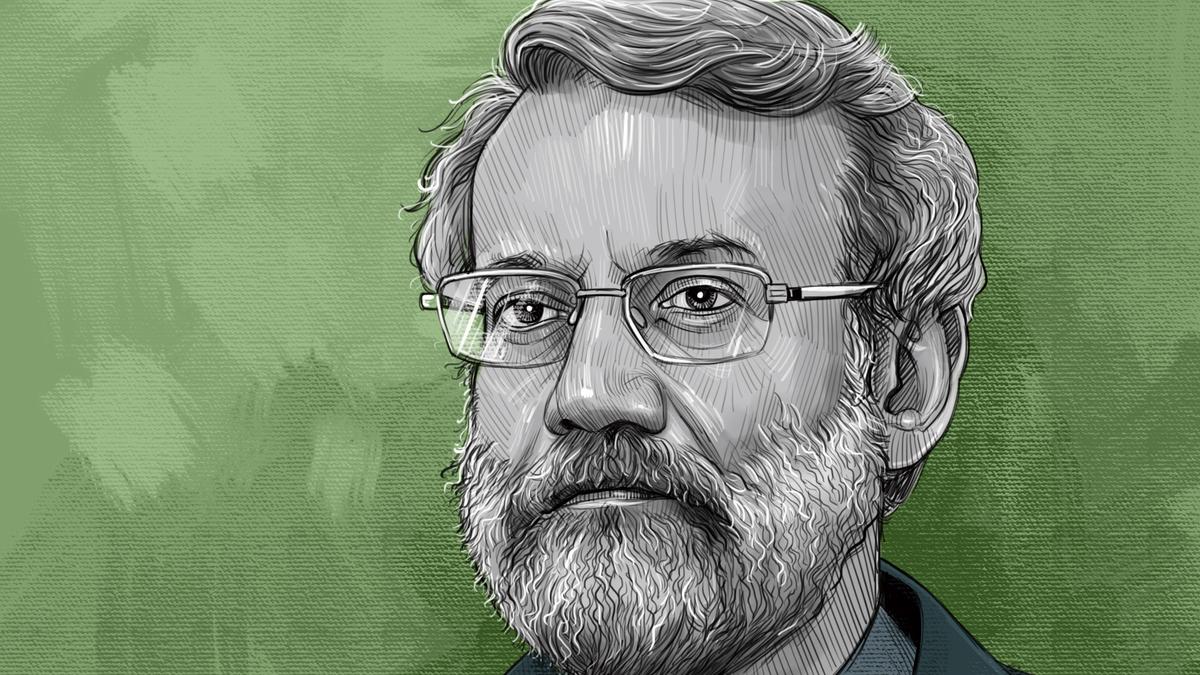
On March 1, a day after the U.S. and Israel started bombing Iran, U.S. President Donald Trump said in an interview that the Iranian leaders wanted to resume negotiations. “I have agreed to talk,” he said. A response came swiftly from Ali Larijani, Secretary of Iran’s Supreme National Security Council. “We will not negotiate with the Americans,” he wrote in a social media post. “You have set ablaze the hearts of the Iranian people,” he said in an interview, referring to the assassination of Ayatollah Ali Khamenei, the Supreme Leader. “We will burn the hearts of our enemies.” In the days that followed, the U.S. and Israel stepped up their bombing campaign across the country. Iran retaliated by launching missiles at American bases in the Persian Gulf, and Israel. “The martyrdom of Imam Khamenei will exact a heavy price from you,” Mr. Larijani said on March 4. On March 6, both President Masoud Pezeshkian and Foreign Minister Abbas Araghchi said Iran was not immediately seeking a ceasefire. Mr. Trump then demanded “an unconditional surrender” from Iran’s rulers.
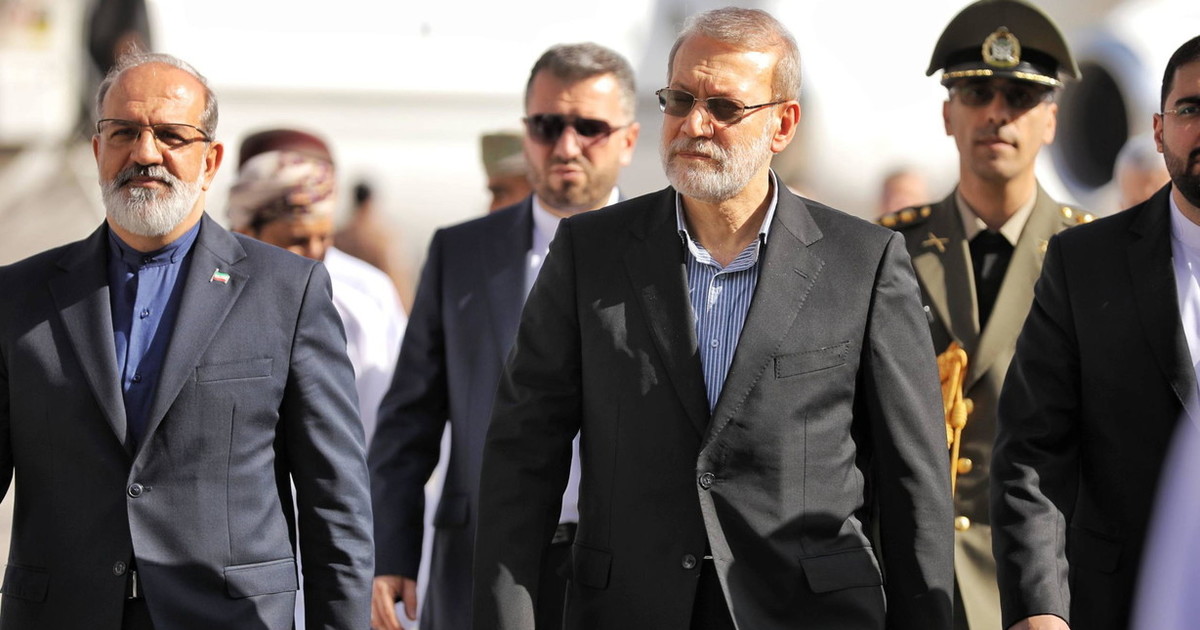
As the war unfolds with regional implications, Mr. Larijani has emerged as a defiant face and voice of the Iranian state. The Security Council he leads is one of the most important institutions of the state, especially during wartime. Founded in 1989 under the revised Constitution, the Council’s main responsibility is to define defence and national security policies. The secretary of the Security Council is roughly the equivalent of the National Security Adviser of India.