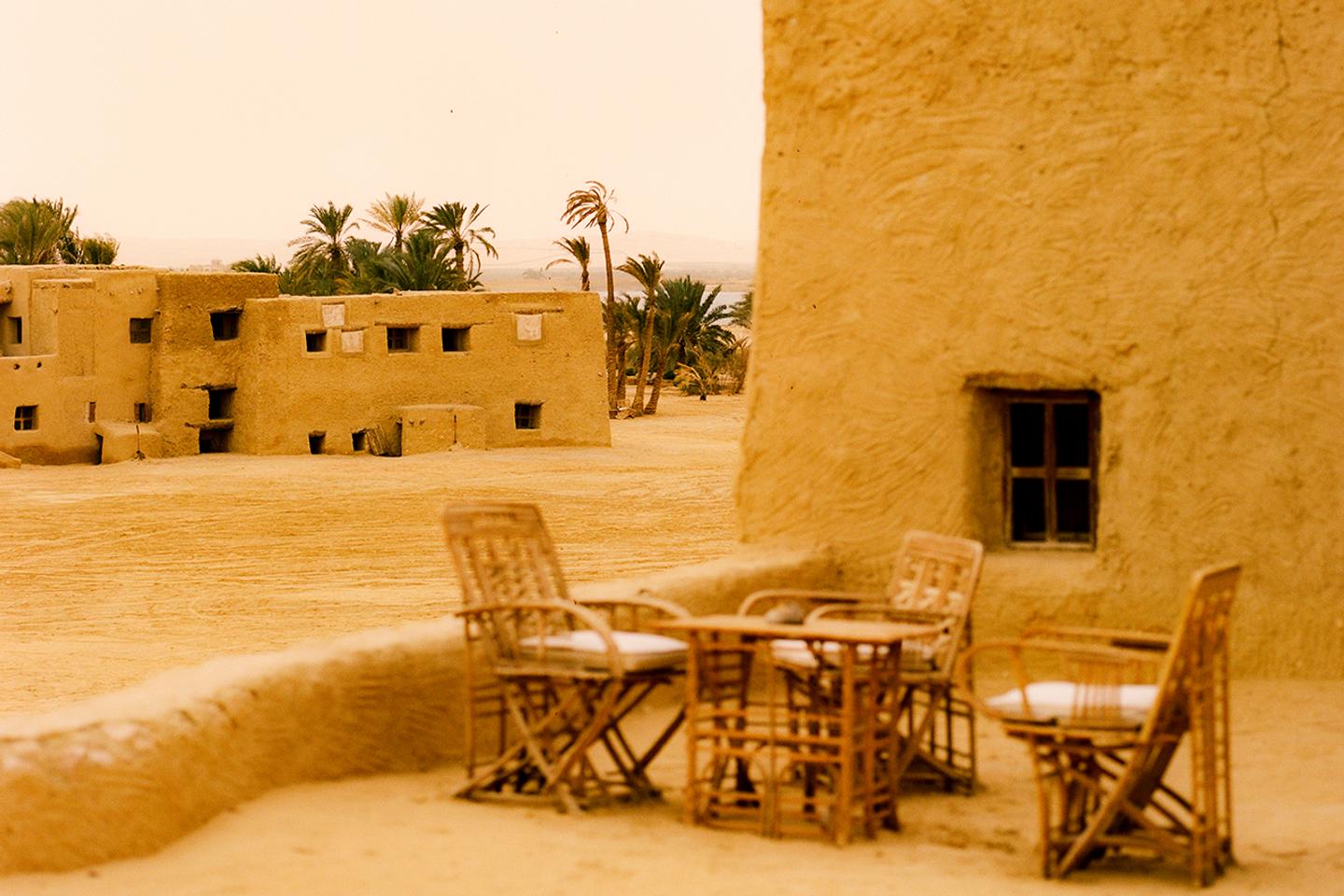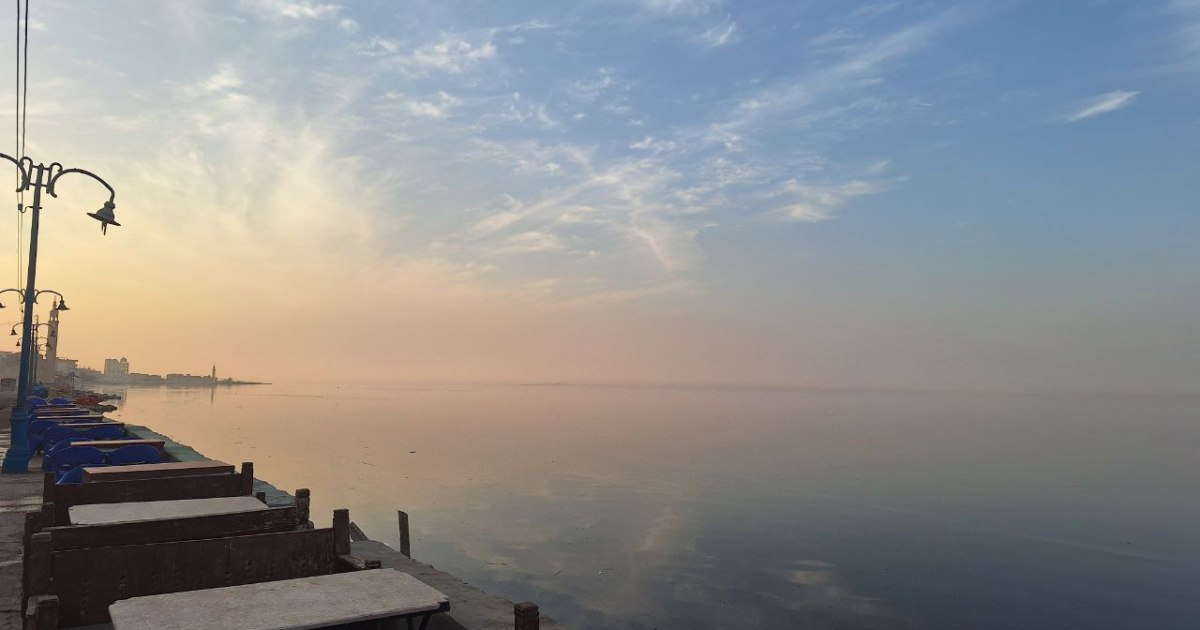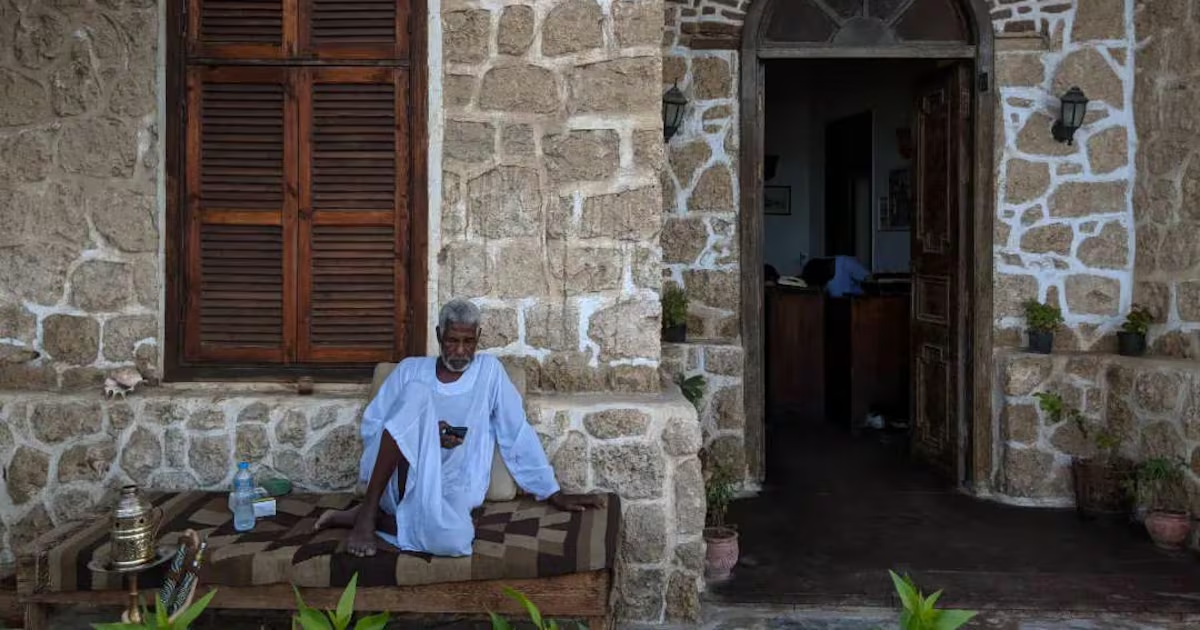
The small village of Tunis sits on the southern shore of Qarun Lake on the edge of the Fayoum Oasis in Egypt. If you game Cairo’s infamously snarly traffic well, you can reach it from the city centre in less than two hours. But Fayoum exists entirely outside Cairo’s gravitational pull. Its palm groves extend miles south from Qarun’s shores in a cloak of dusty emerald; to the lake’s north is desert as far as the eye can see. Houses with rammed-earth walls and domed roofs, surrounded by tousled gardens of hibiscus and bougainvillea, line the unpaved roads. The prevailing atmosphere is sleepy, occasionally interrupted by donkeys and camels thup-thupping along, or the rumble of a motorbike or tuk tuk. Buffalo graze in open fields.
Cairenes have long taken advantage of Fayoum’s proximity: Tunis village is particularly sought-after for its lakeside situation and the abundance of colourful pottery for which Fayoum is internationally renowned. Soon, though, travellers from much further afield might be marking this oasis on the map thanks to the opening this month of a former artist’s residence as Villa Fayoum.
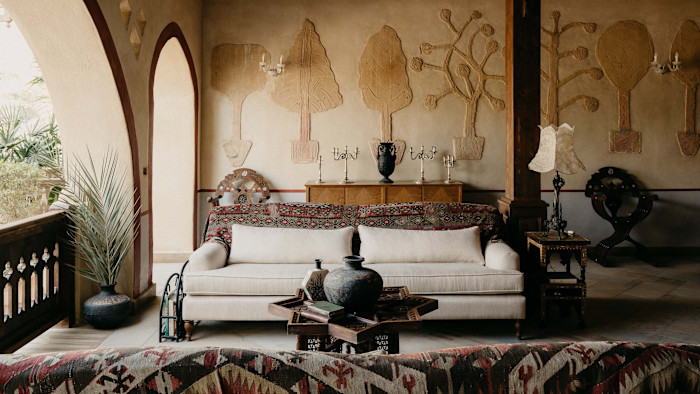
The outdoor salon at Villa Fayoum in Tunis, Egypt, with original murals, kilims sourced from Istanbul on the sofas and a chandelier from a Cairo antiques dealer © Mark Anthony Fox