Sign up now! Sign up now! Sign up now? Sign up now!
The last time the USA hosted the World Cup, drinks breaks – or the lack thereof – became a scorching bone of contention. Upset at having to stand on the touchline listening to the pasty skin of Tommy Coyne, Steve Staunton and assorted other Irish players audibly crackle in 40-degree heat, Big Jack Charlton went to war with Fifa over their refusal to sanction official breaks in play so that his famously thirsty footballers could take on liquids. The rules from on high decreed that players near the dugout could adjourn to the sideline for refreshments while play continued. However, since bottles were not allowed on the pitch, those further away had to try catching flimsy funfair-style plastic bags of water – sans goldfish – thrown from the touchline. Anyone who happened to be out of chucking range just had to flirt with heat stroke for the good of the tournament.
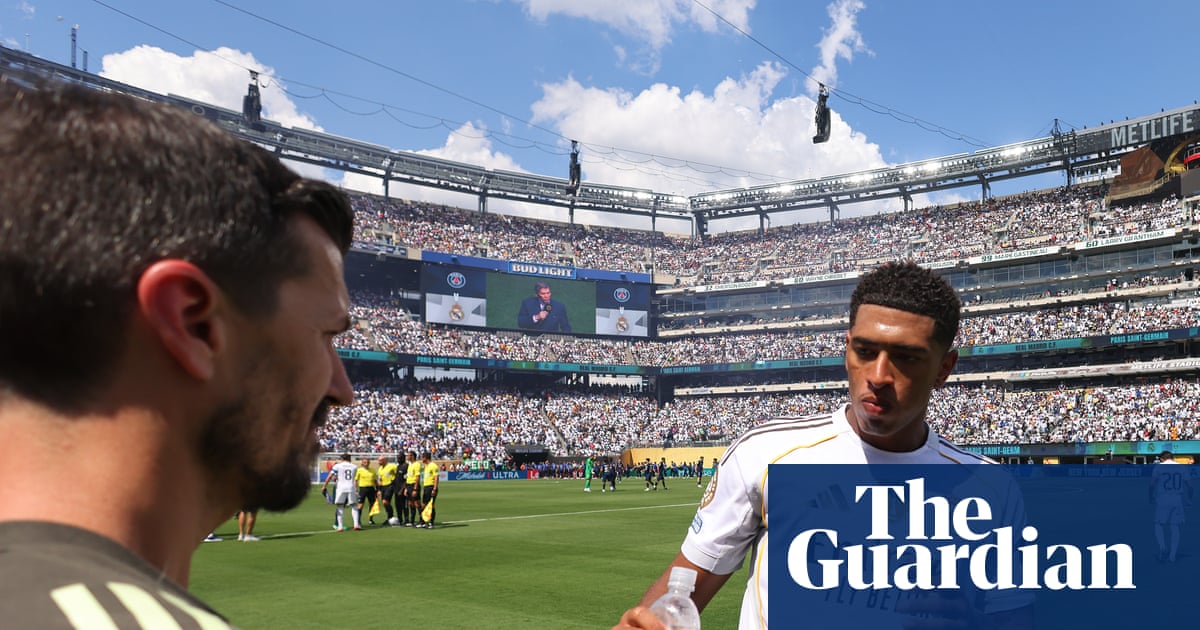
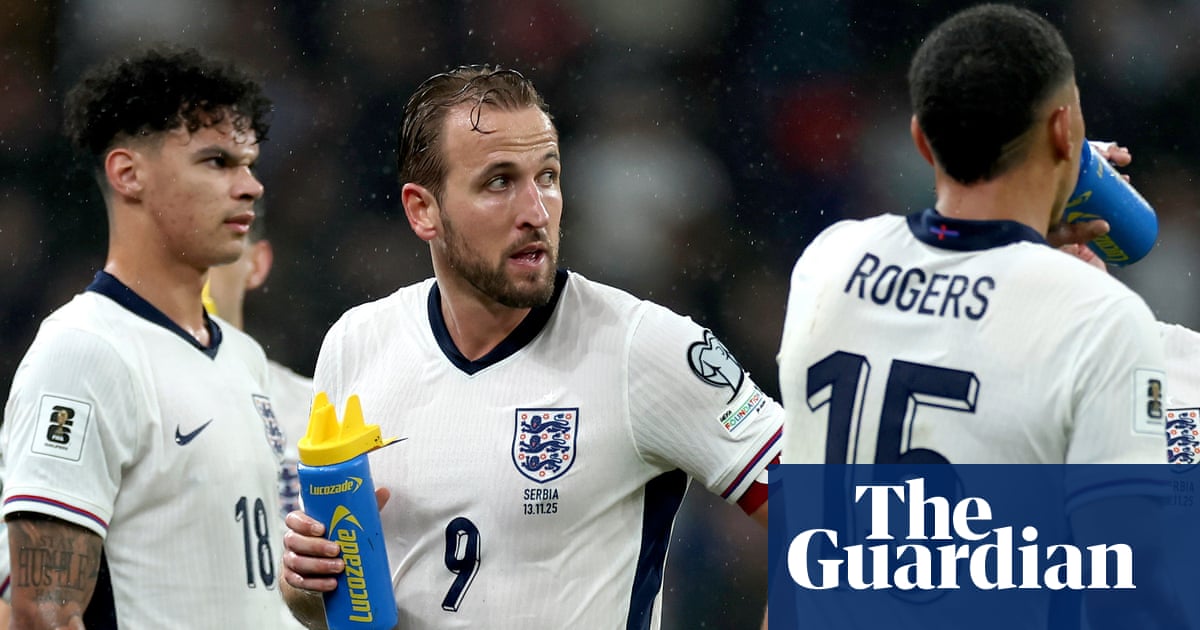
Fast forward three decades, and the football and corporate landscapes have changed immeasurably. With the game long gone and now heavily influenced by “woke snowflakes” obsessed with fripperies such as player health and safety, Fifa had already decided to introduce mandatory water breaks during every match played at this summer’s Geopolitics World Cup. Unlike previous tournaments, where cooling breaks were only triggered if temperatures exceeded a certain threshold, the 2026 policy standardises breaks for all 104 matches, regardless of the weather. While this diktat handed down by Fifa last December was obviously based on nothing other than player welfare, some cynics observed that these three-minute breaks would ostensibly turn football into a game of four quarters. As luck would have it, they would also present Fifa with an additional 208 guaranteed advertising slots from which to hoover up even more revenue. At a time when highly choreographed corner routines are occasionally likened to something from an American football playbook, it seems Fifa is also being heavily influenced by the NFL.