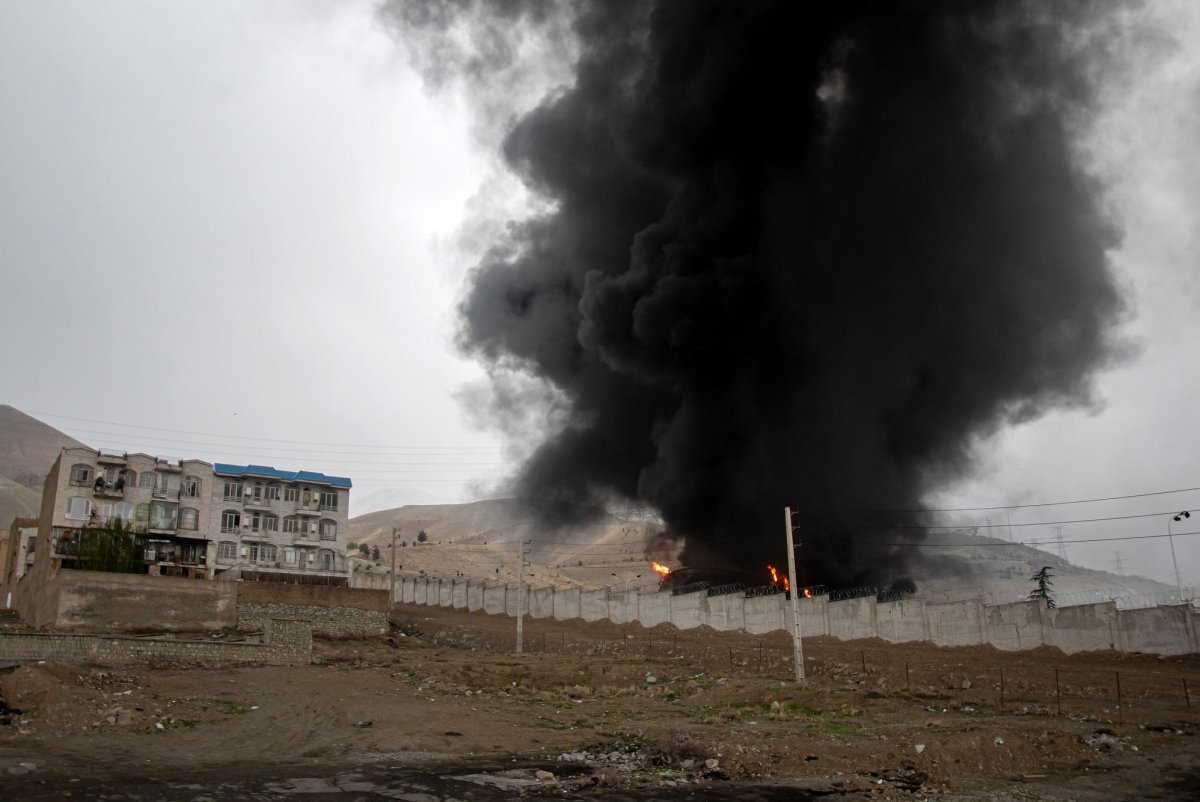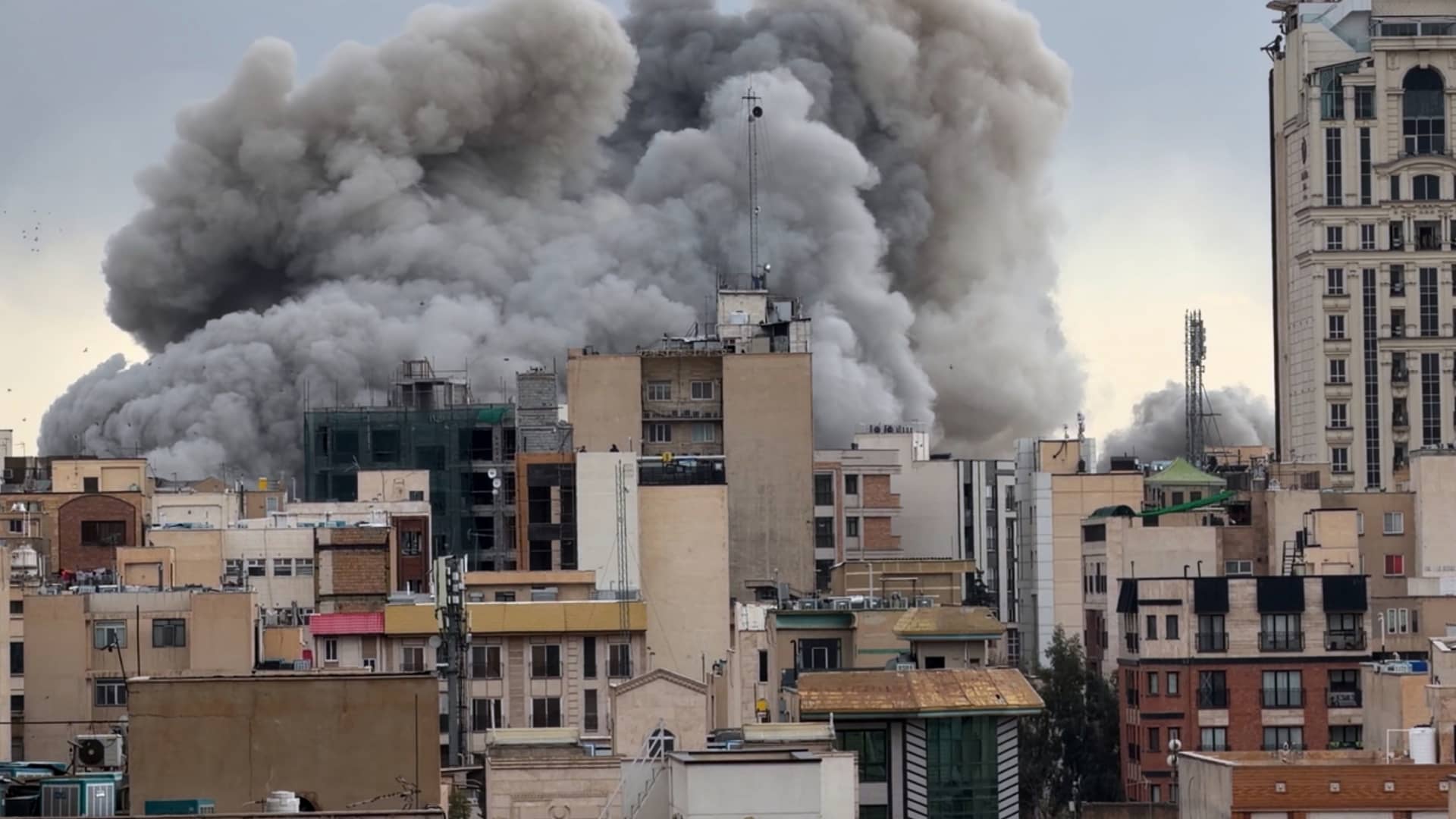
Concerns about the Iran war and fears of slowing U.S. economic growth have contributed to volatility in financial markets, prompting some investors to worry about how to keep their money safe and where to find stable returns.
“War is always worrisome. People lose their lives. Property is destroyed. Markets are disrupted,” said Blair duQuesnay, a certified financial planner and chartered financial analyst at Ritholtz Wealth Management. Yet, she said she reminds concerned clients that while “wars can last several years, for most people, their [investing] time horizon is decades.”
Diversifying investments with equities, bonds, and cash over the long term is critical, financial advisors say, but it is also important to plan where you will stash cash in the short run.
Financial advisors generally recommend keeping six to 12 months’ worth of expenses in an emergency fund, and 2% to 10% of a portfolio in cash, depending on your individual circumstances, life stage, and goals.
“If it’s money you’ll need in the next 30 days, it should be in a checking account; the next six months, a high-yield savings account,” said duQuesnay, who is also a member of the CNBC Financial Advisor Council. If your time frame is six months to two years, consider U.S. Treasury bills or short-term Treasury exchange-traded funds that mature in zero to three months, she said.