Imagine a small concert venue, hosting 900 people, give or take. That’s about the number of passengers and crew on a small cruise ship, or of students attending the average U.S. public high school. A group that size collectively holds more wealth than the bottom half of the country combined, because that’s roughly how many billionaires live in the U.S. But a new bill is asking the people in that hypothetical cruise ship, concert venue, or high school to chip in, and to bankroll multi-thousand-dollar checks for millions of middle-class Americans.
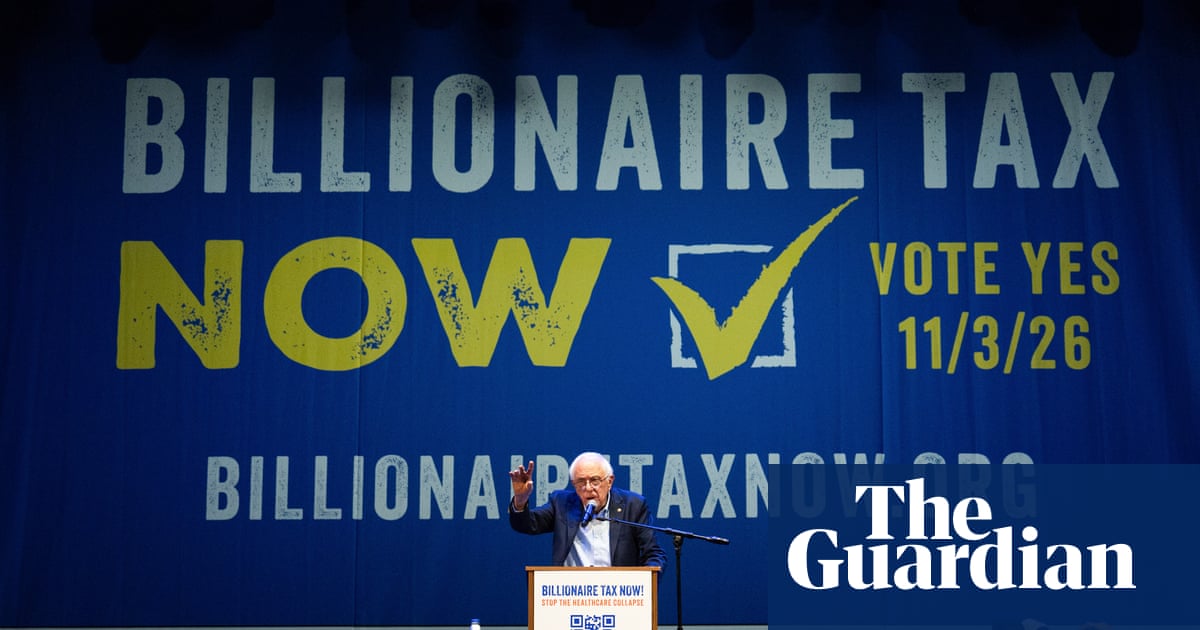
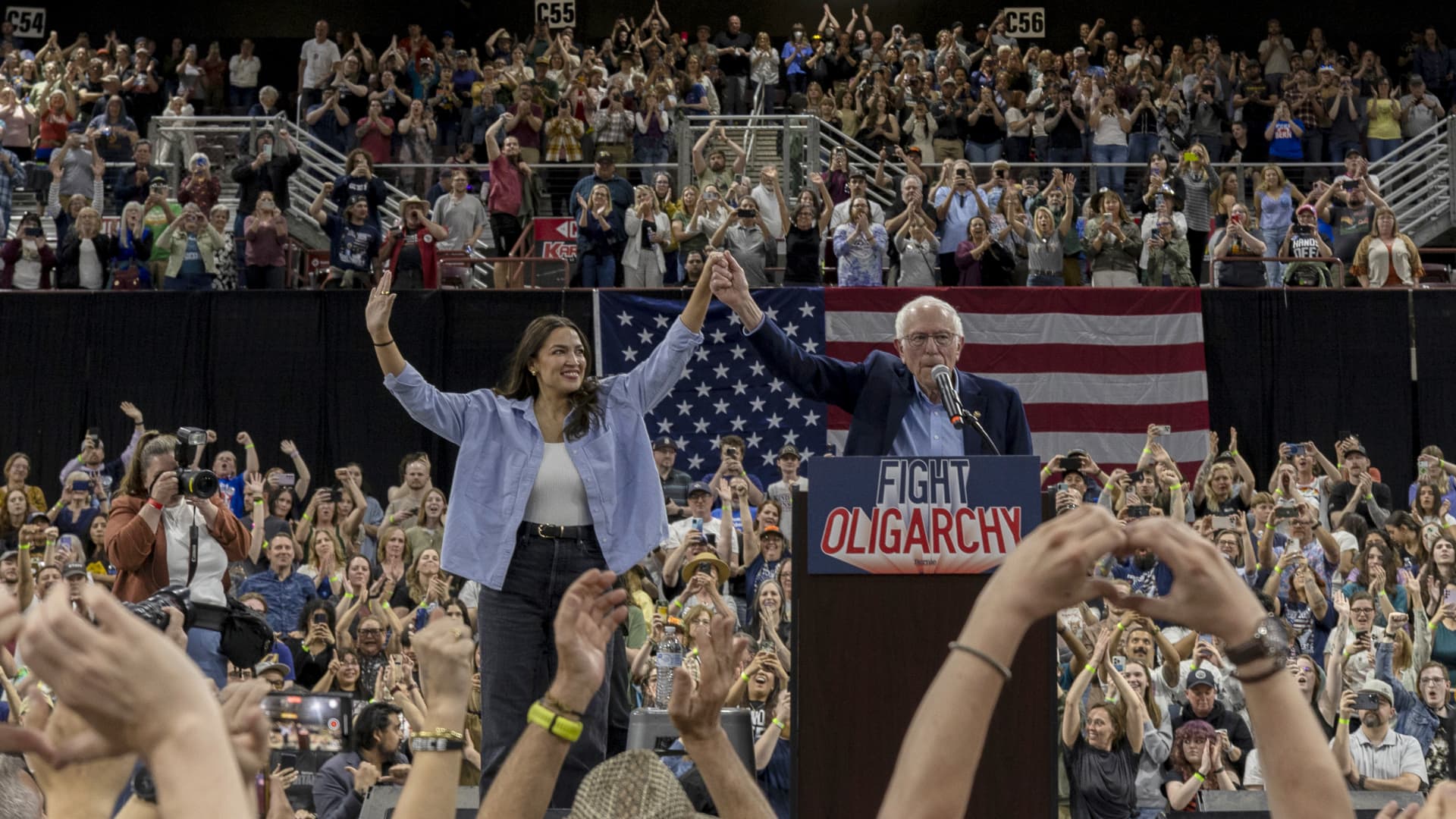
Sen. Bernie Sanders and Rep. Ro Khanna introduced the “Make Billionaires Pay Their Fair Share Act” on Monday, a proposed 5% annual wealth tax on individuals with a net worth of $1 billion or more. Sanders estimates a total of 938 billionaires live in the U.S. and hold a collective $8.2 trillion.
That $8.2 trillion won’t only go into the government’s coffers. The proposed bill has some of that revenue going back into your pockets. In its first year, tax revenue would go toward a one-time $3,000 check for every person living in a lower- or middle-income household, or those earning $150,000 or less.
While the legislation faces steep odds given Republican control of the House and Senate, the bill follows a trend of proposals aimed at redistributing billionaire wealth. A major labor union introduced a California billionaire tax ballot initiative of similar stature—a 5% tax on those with a net worth of $1 billion or more in the state—though framed as a one-time tax rather than a recurring one. That bill has ignited an exodus from the state, with Google cofounders Sergey Brin and Larry Page among those who have announced their departures. The Biden administration in 2023 introduced a similar bill—a 20% minimum income tax for households with a net worth of $100 million or more—though with little success.