The role and actions of Governors have once again become a subject of political discourse in the country, especially in the context of their conduct in non-BJP, Opposition-ruled States. Recently, a High-Level Committee on Union-State Relations, constituted by the Tamil Nadu Government and chaired by Justice (retired) Kurian Joseph, recommended ways to ensure Governors do not remain tools of the Union Government’s overreach in areas of governance.
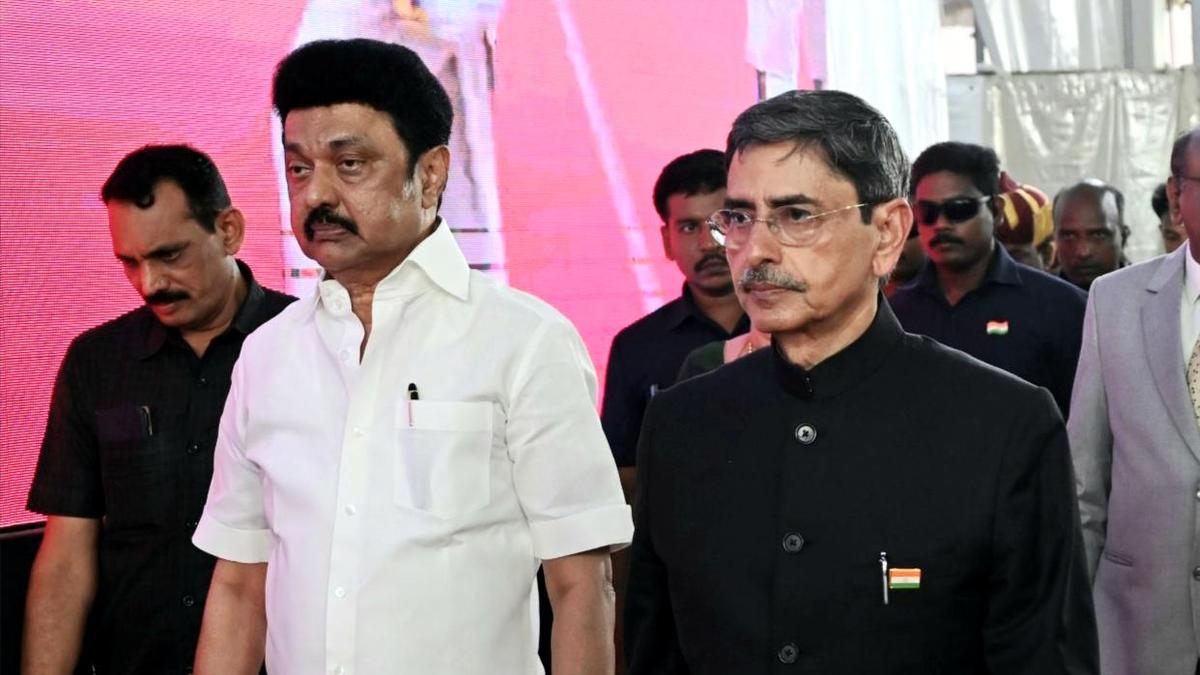
The panel’s recommendations come against the backdrop of the ruling DMK’s troubled relationship with Governor R. N. Ravi. However, the State is no stranger to controversial decisions of Governors since 1952. What the then Governor, Sri Prakasa, a devout Congressman, did then was more stunning than the election results, leading to a hung Legislative Assembly.
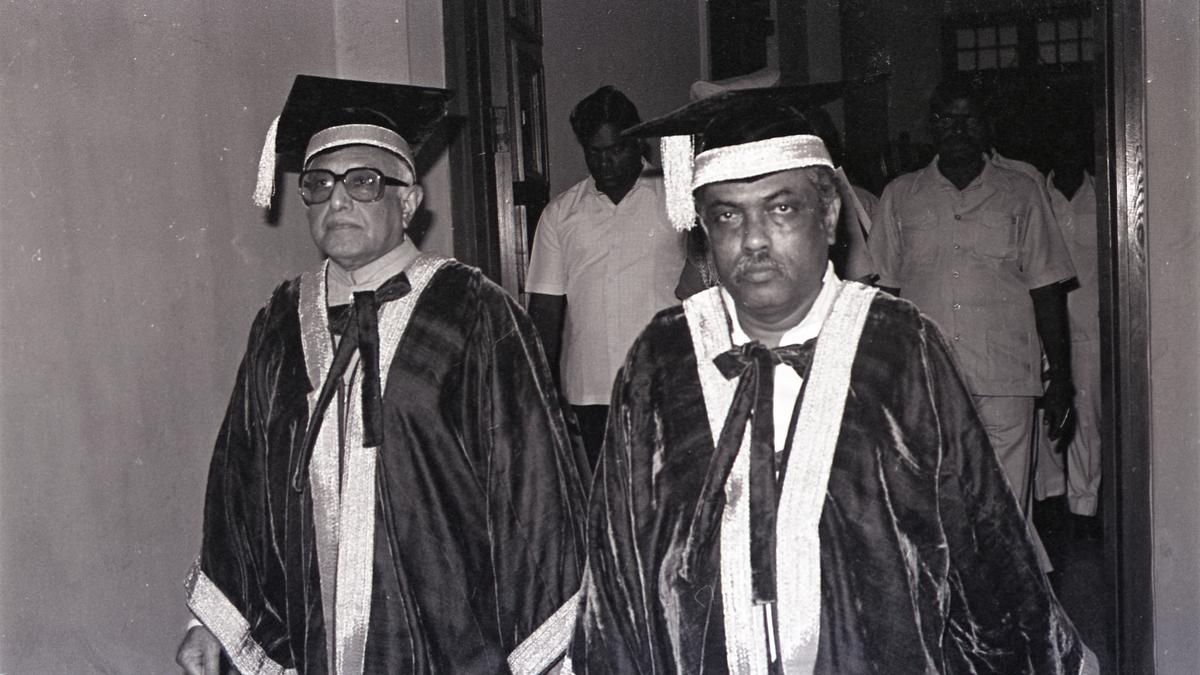
He nominated C. Rajagopalachari (C.R. or Rajaji), who had retired from active politics, to the Legislative Council under the constitutional provision allowing the nomination of individuals with special knowledge or practical experience in fields such as literature, science, art, the cooperative movement and social service. Three others— Mohamed Usman, V. Bashyam Iyengar, and Omandur P. Ramaswami Reddiar—were also nominated.