The story so far:
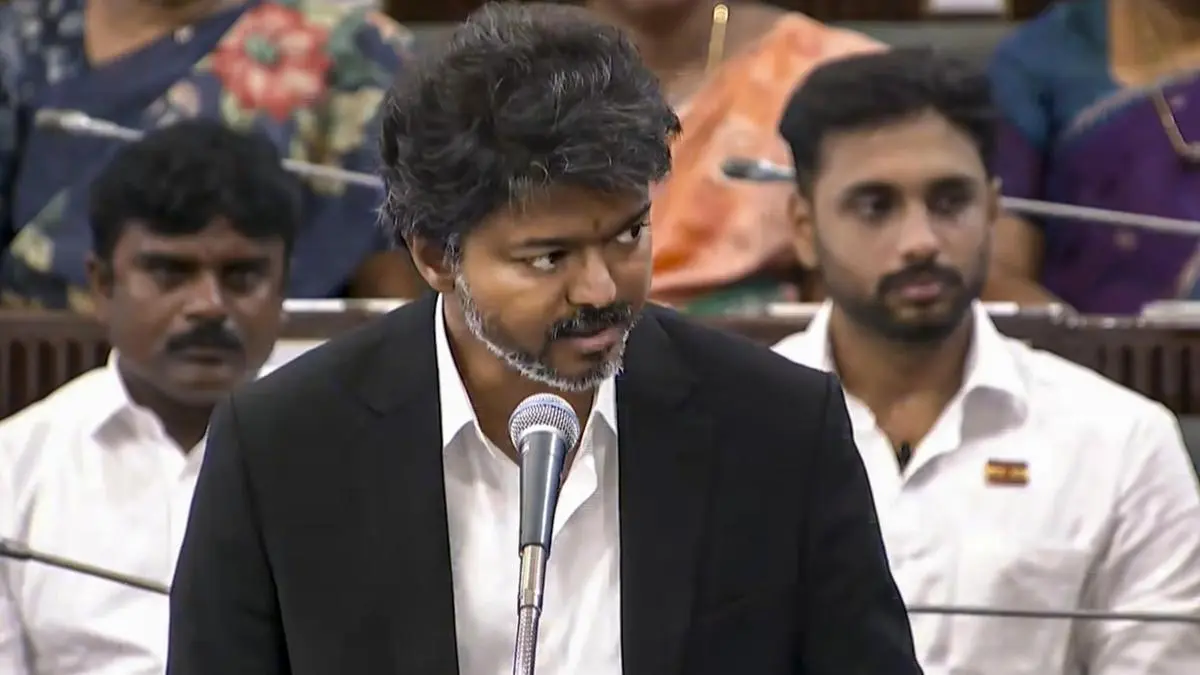
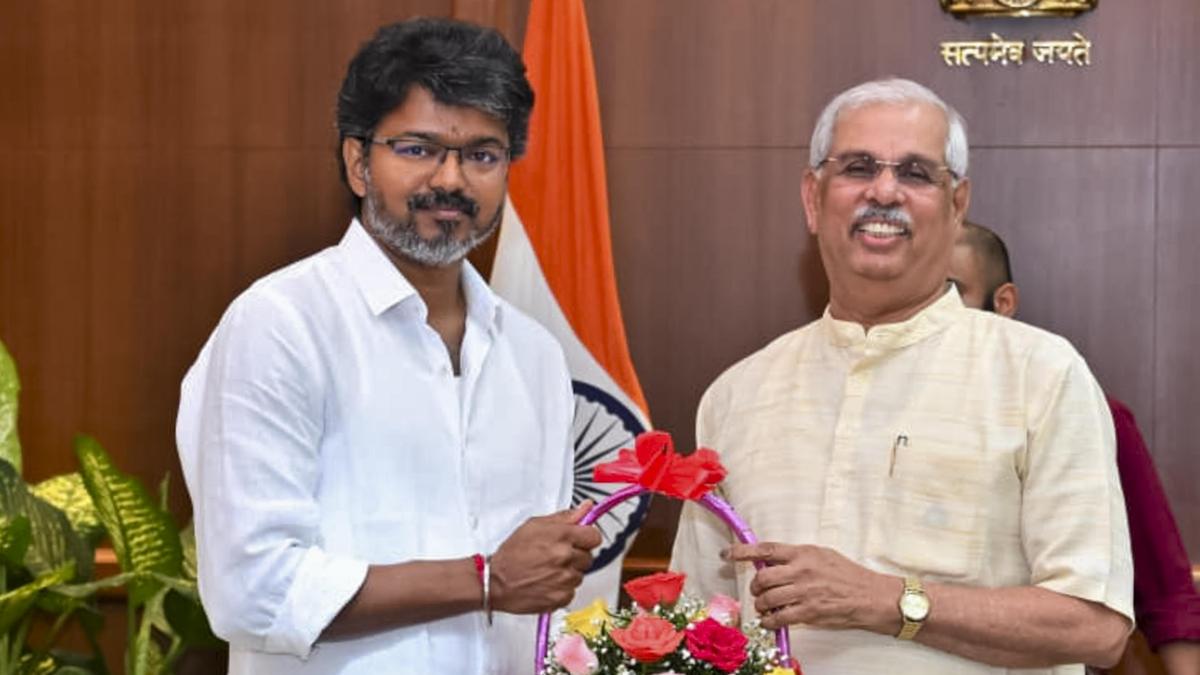
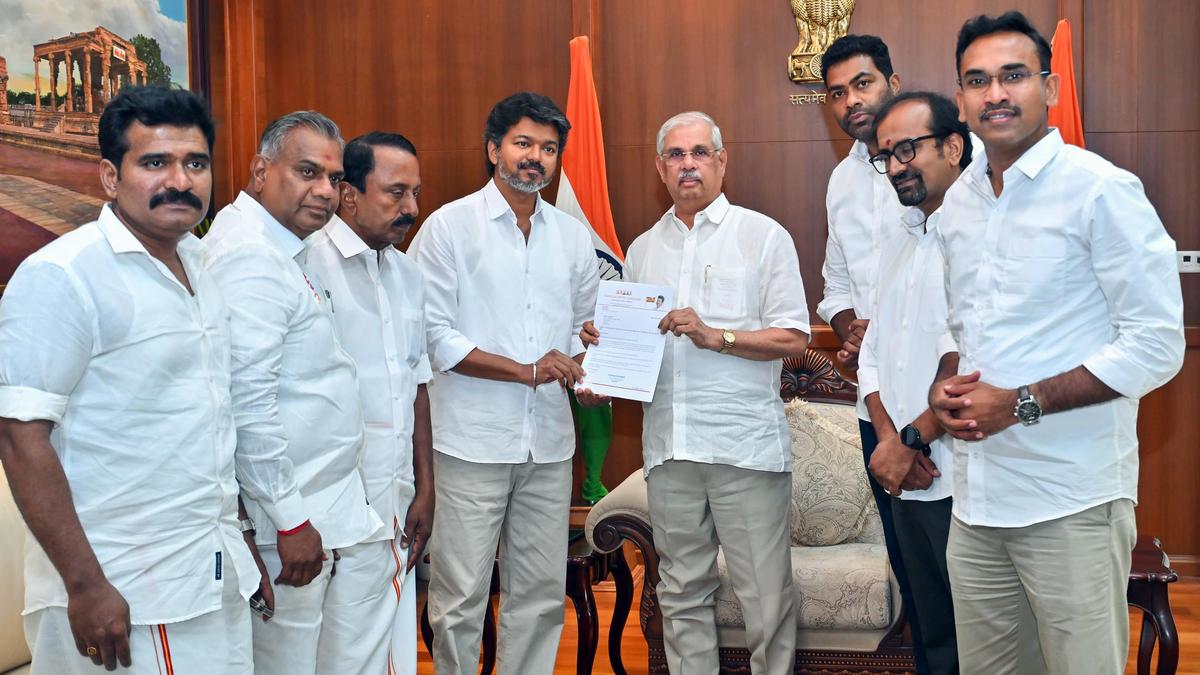
The Tamilaga Vettri Kazhagam (TVK) secured 108 seats, 10 short of a majority, in the recently concluded Tamil Nadu Assembly elections. After hectic parleys with smaller parties, letters of support from 120 members were provided to the Governor. The Governor then invited TVK chief C. Joseph Vijay to form the government, who was sworn in as Chief Minister.
What are constitutional provisions?
Article 164(1) of the Constitution provides that the Chief Minister of a State shall be appointed by the Governor, while other ministers shall be appointed by the Governor on the advice of the Chief Minister. When a single party secures a clear majority in the Assembly, the Governor invites the leader of that legislative party to form the government. If no party secures a majority, the Governor exercises his/her discretion in appointing the Chief Minister.
The Constitution does not prescribe any criteria for selecting the Chief Minister in the event of a hung Assembly. The Sarkaria Commission (1987), followed by the Punchhi Commission (2010), recommended the manner in which the Chief Minister may be appointed in case no party enjoys a majority in the Assembly. The order of preference indicated by these commissions is as follows — first a pre-poll alliance that enjoys majority; next the single largest party staking a claim to form the government with the support of others; then a post-electoral coalition of parties, with all partners in the coalition joining the government; and finally, a post-electoral alliance with some parties joining the government and the remaining parties supporting the government from outside.