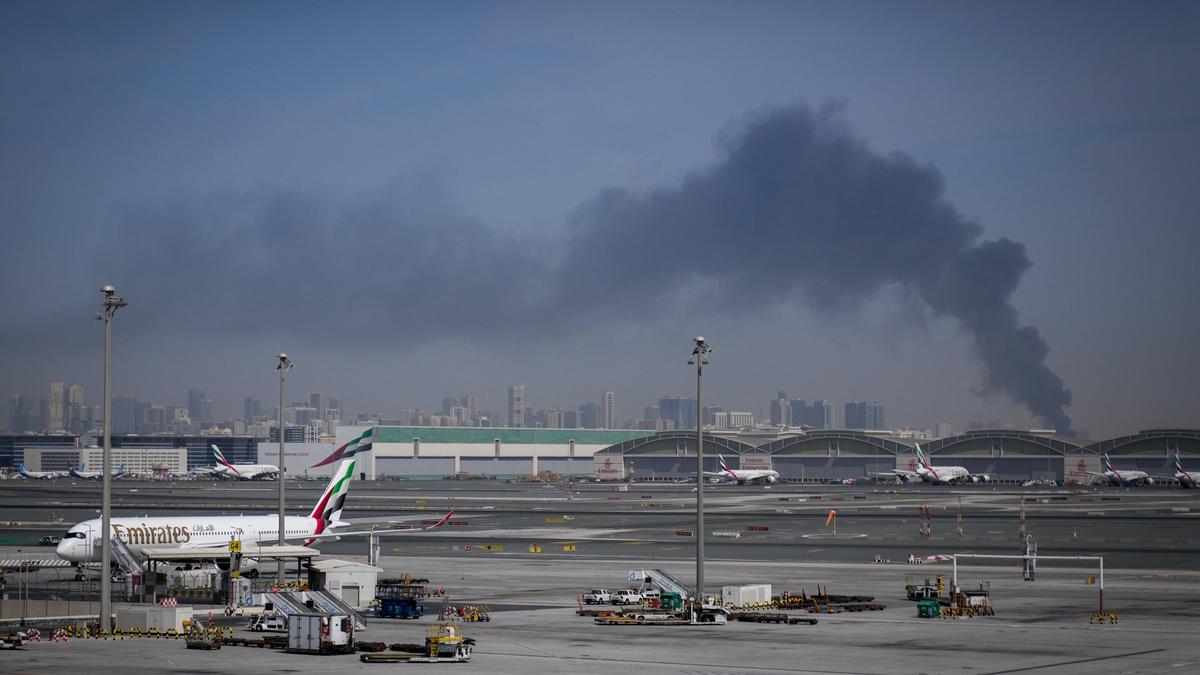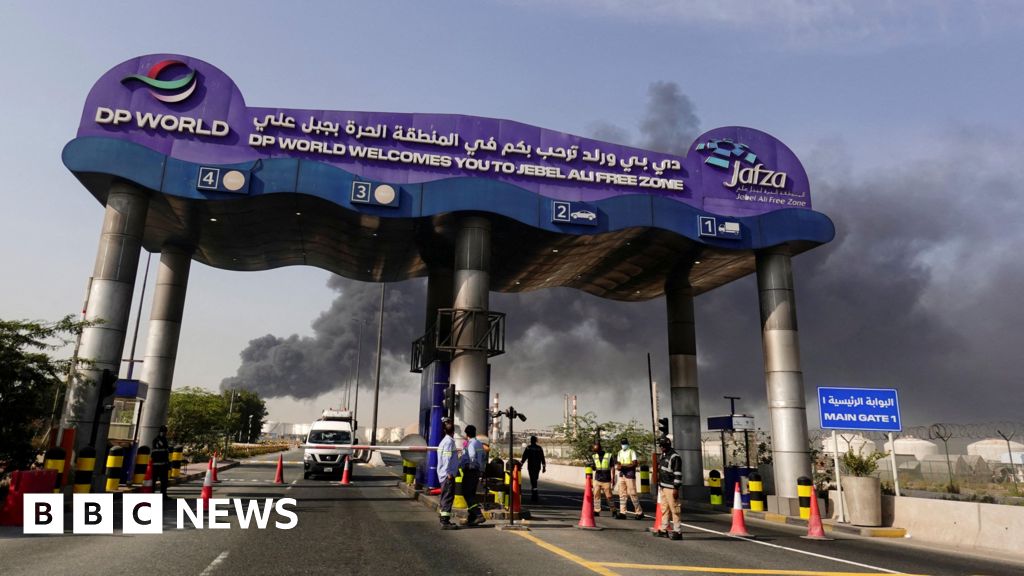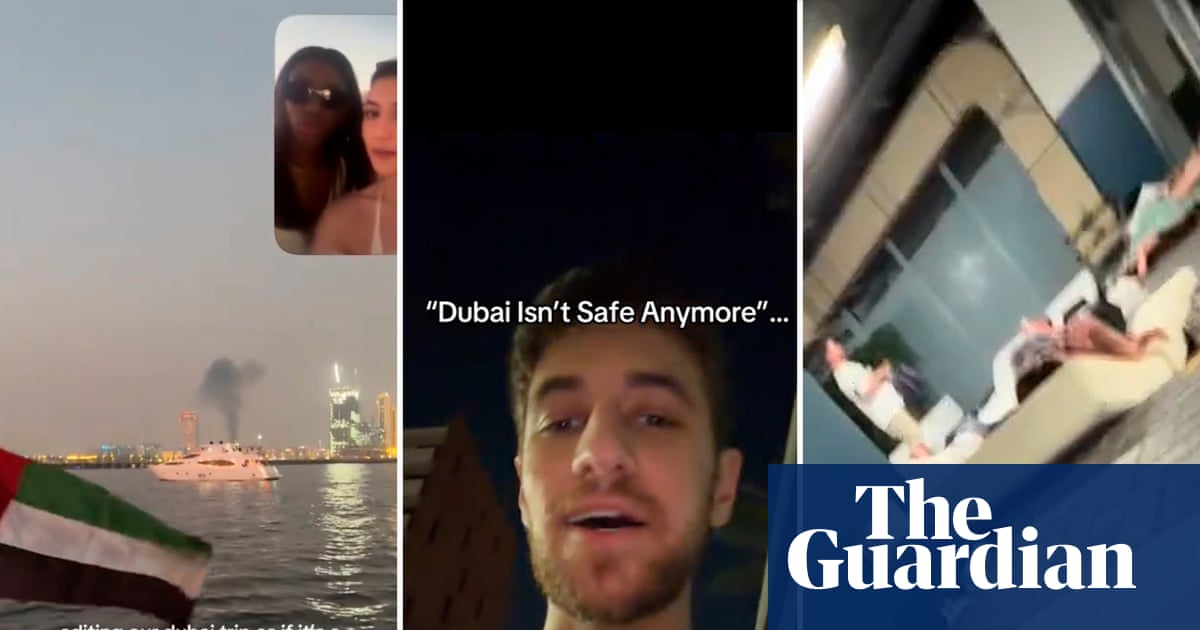
Contradicting images of parties and war flooded feeds after Iran targeted Gulf states in retaliation for US-Israeli attacks
M
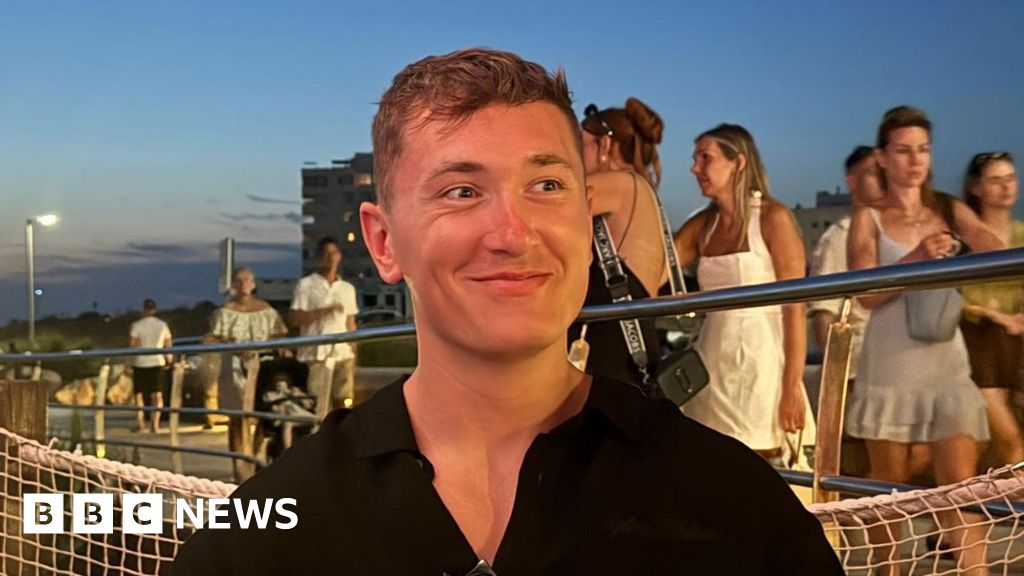
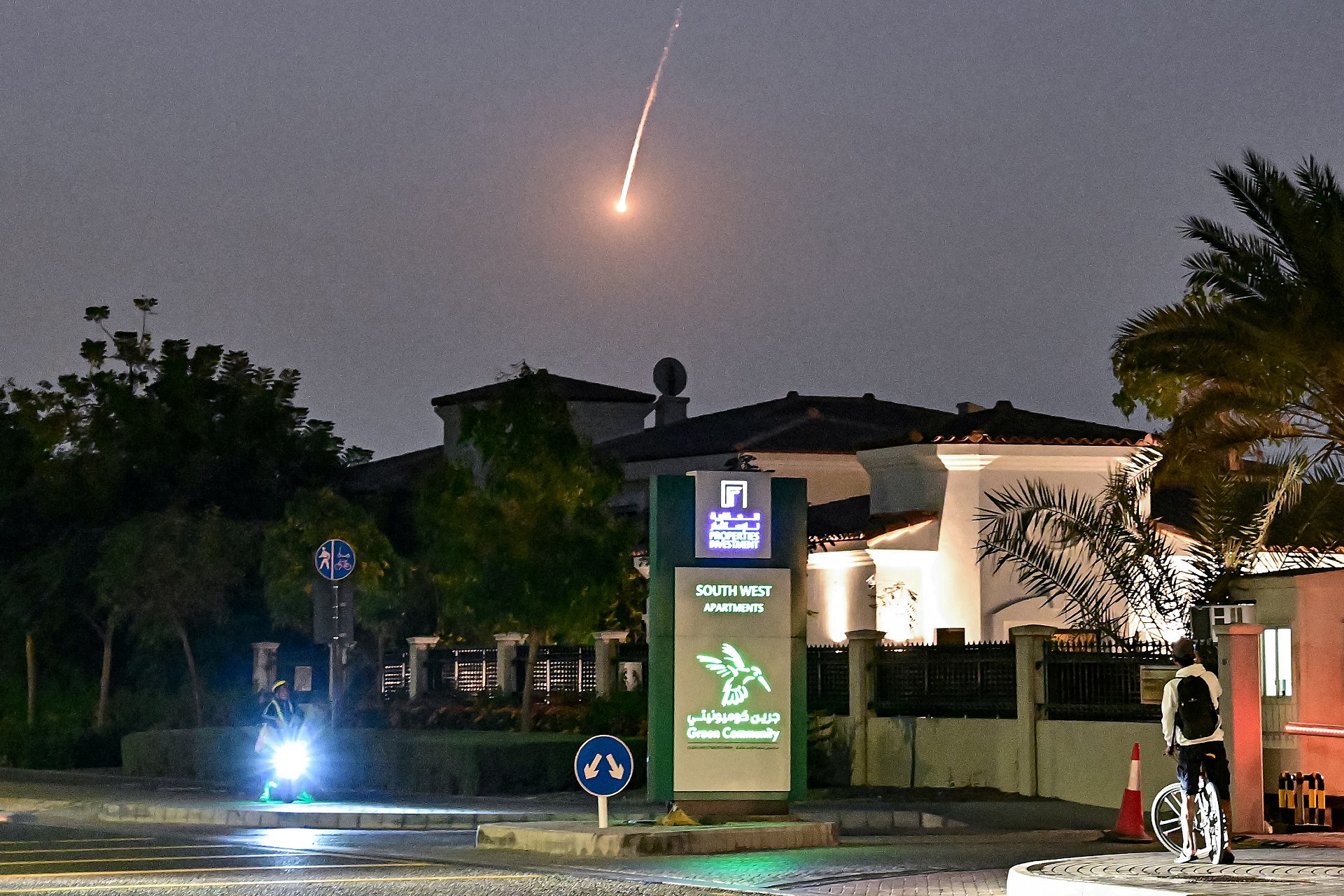
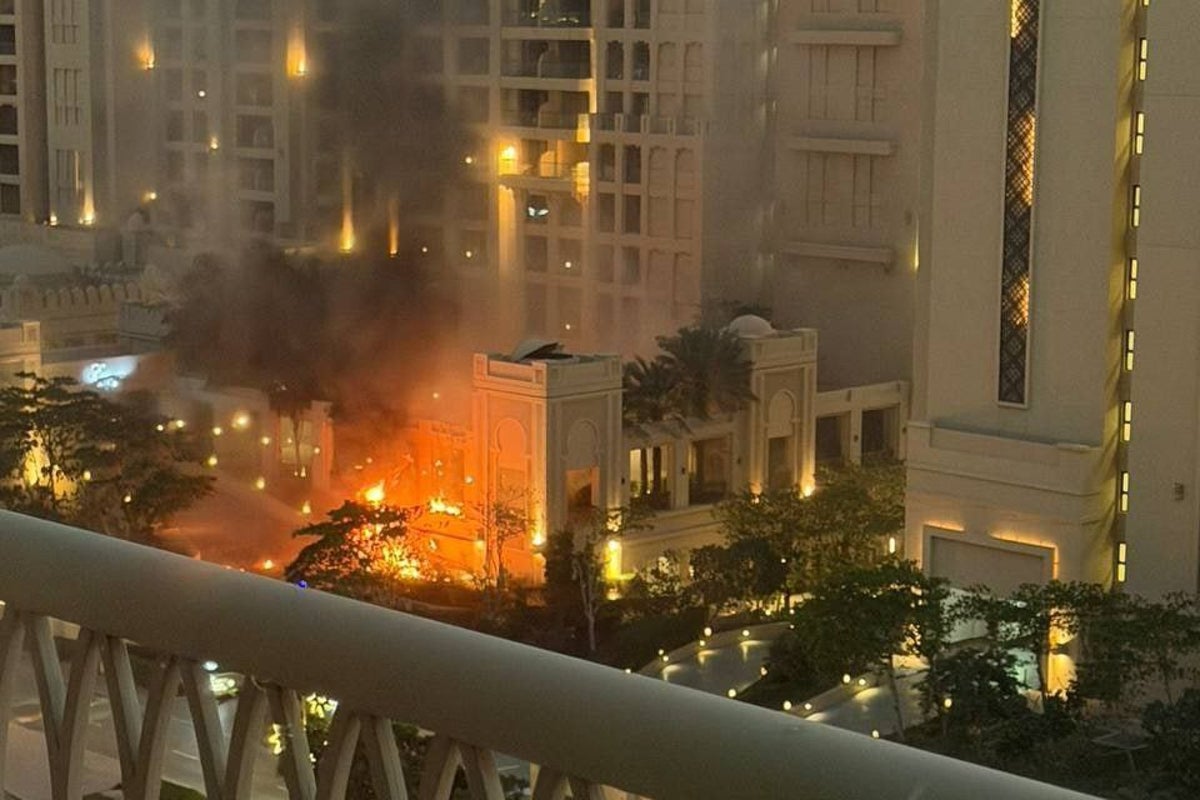
ike Babayan was in a hookah lounge when he heard the explosion on Saturday night. Dubai – a gilded playground for the ultra-rich and oligarch class, billed as one of the safest places on Earth – had been attacked by Iranian missiles. Phones lit up with emergency messages urging residents to take shelter. But Dubai is resilient, at least when it comes to partying. “Everyone just went back to their hookah and food a minute later,” said Babayan.
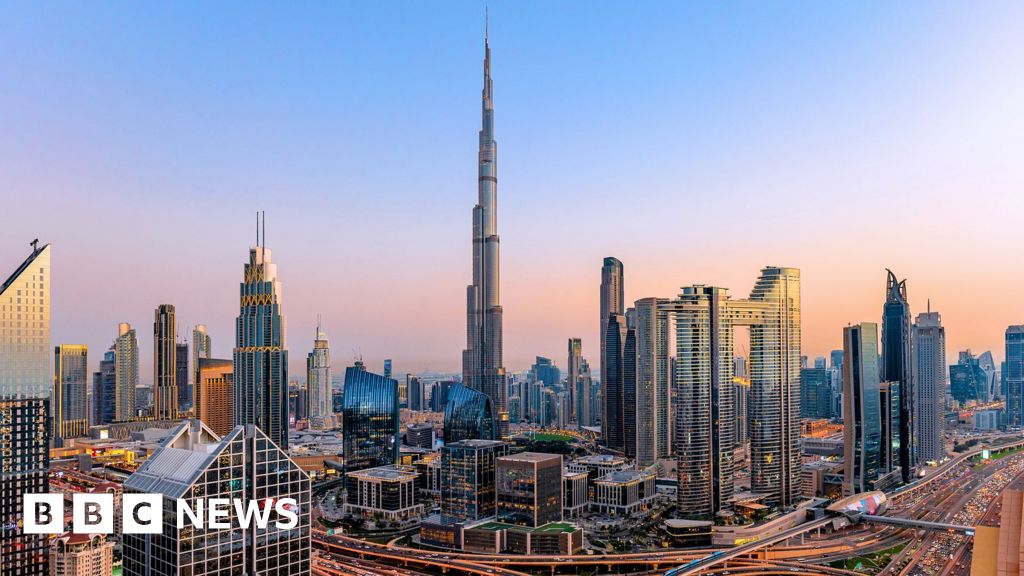
Still, as a precaution, that night Babayan moved from his main home in the Burj Khalifa, the world’s tallest building and anchor of the Dubai skyline, to a residence further from the city center. There, he could hear the explosions much clearer – one every 20 to 30 minutes, he said. “But everyone is just having coffees, walking around like there’s no care in the world. It’s pretty insane.”
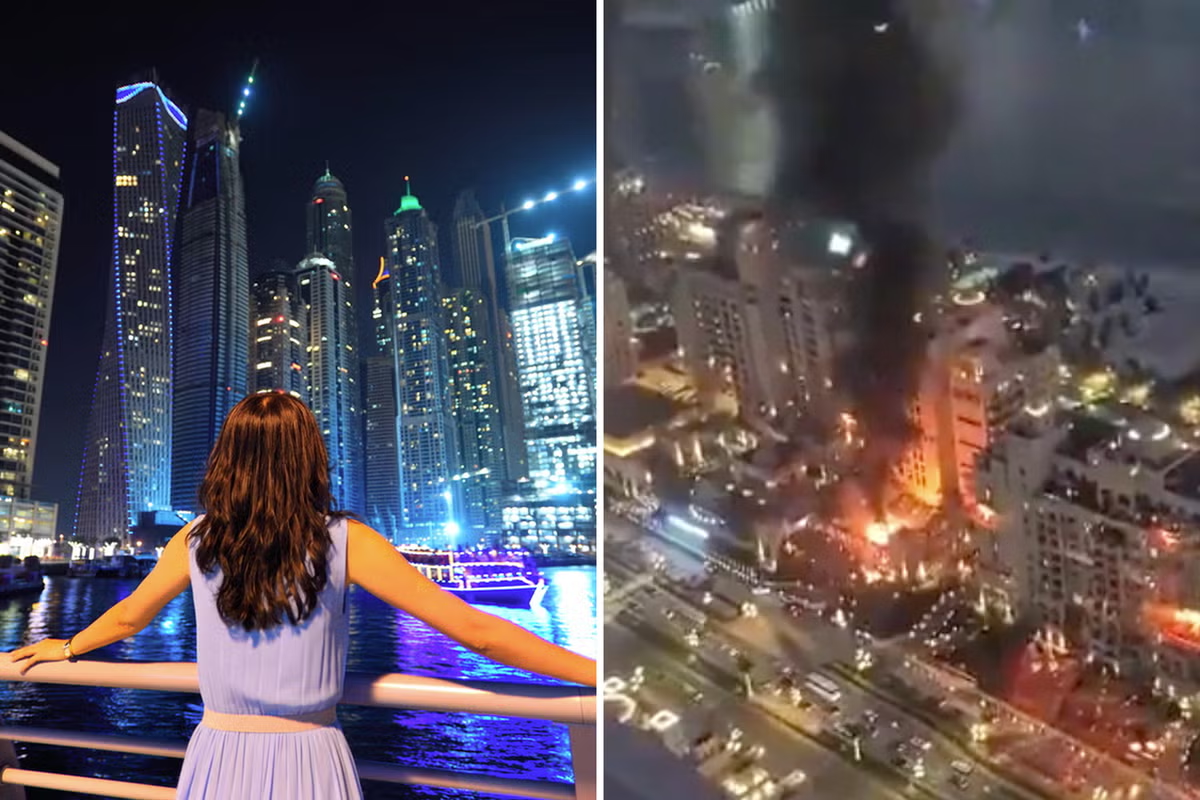
Babayan is 23 and originally from Los Angeles. He moved to Dubai, the most populous city in the United Arab Emirates, in 2020 to work in finance. He now documents his life as a daytrader and flexes the trappings of influencer life (BMWs, million-dollar apartment) to his nearly 150,000 TikTok followers. Over the weekend, he shifted his focus to commentating on the Dubai strikes in the direct-to-camera style typical of influencers, the city’s night skyline shimmering behind him. He felt a responsibility to combat misinformation; when he saw an AI-generated video of the Burj Khalifa burning, he told his followers it was fake.