https://arab.news/jbzws
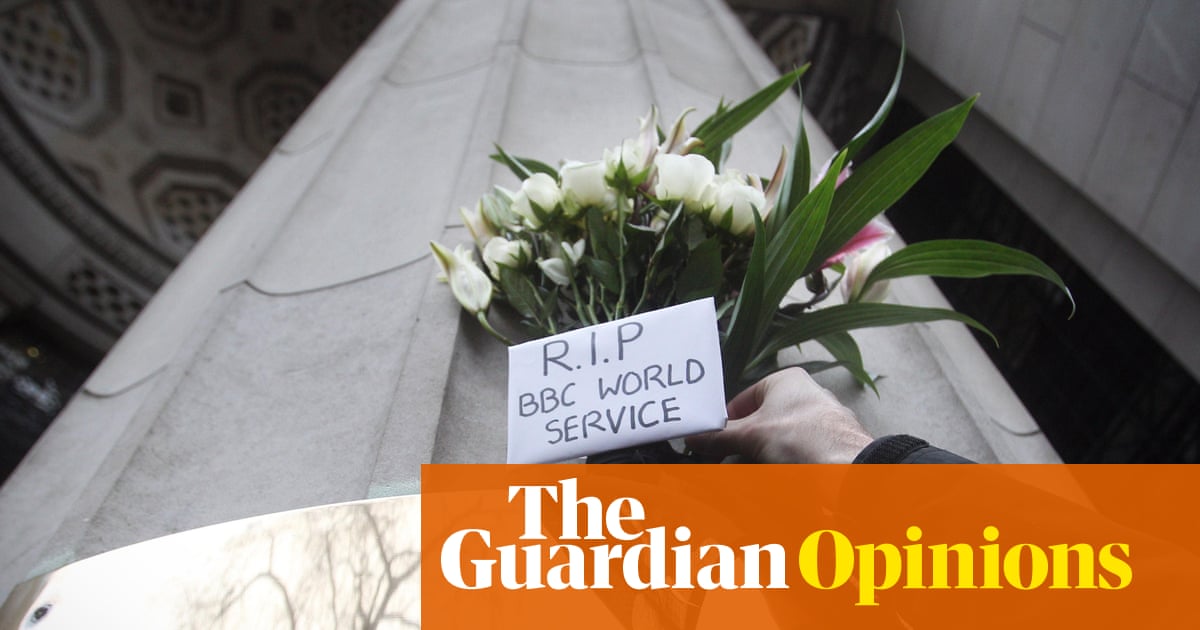
The news that the BBC World Service will run out of funds in a matter of weeks — unless there is a charge of heart in the corridors of power that leads to a new deal to secure it — the future of the service as we know it is in serious doubt, and regrettably so.
In this ruptured world, there is a tendency to think of acquiring influence mainly through hard power, such as military interventions, coercive diplomacy or economic sanctions designed to force, rather than persuade, states or other international actors to change their behavior. This leads to the sidelining of what, over the years, has proven to be a successful and extremely cost-effective foreign affairs instrument: the influence of soft power.
Joseph Nye, the original thought leader in the field, defined soft power as the ability of a country “to influence the preferences and behaviors of various actors in the international arena (states, corporations, communities, publics) through attraction or persuasion rather than coercion.” The World Service is a very fine example of such an instrument of influence.
Soft power, which is not always easy to measure, is derived from perceptions of quality, reliability, value, ethics and, as a British Council report once noted, even “coolness,” in which the UK is usually highly regarded. Despite those who see soft power as an airy concept, research has clearly demonstrated that there is a strong relationship between successfully wielded soft power and attracting foreign direct investment inflows.