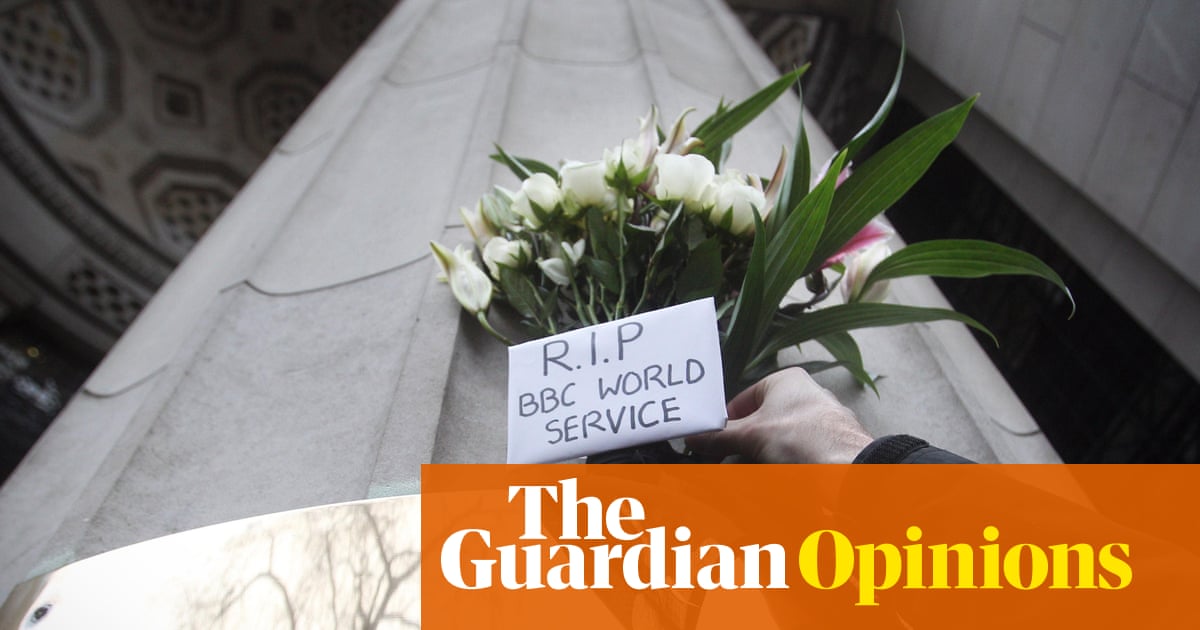
With just seven weeks before its funding runs out, the UK’s greatest cultural asset and most trusted international news organisation must be supported
“T
he programmes will neither be very interesting nor very good,” said the then BBC director general John Reith, when he launched its Empire Service in December 1932. Nearly a century later, the BBC World Service, as it is now known, broadcasts in 43 languages, reaches 313 million people a week and is one of the UK’s most influential cultural assets. It is also a lifeline for millions. “Perhaps Britain’s greatest gift to the world” in the 20th century, as Kofi Annan, the former UN secretary general, once put it.
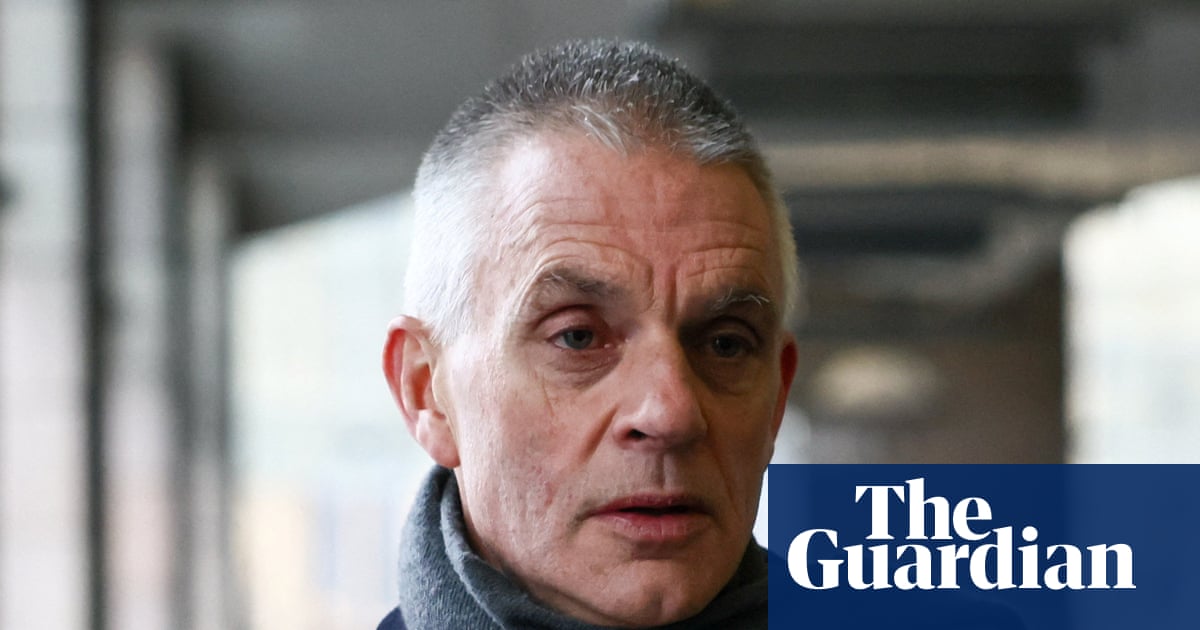
But this week Tim Davie, the corporation’s director general, announced that the World Service will run out of funding in just seven weeks. Most of its £400m budget comes from the licence fee, although the Foreign Office – which funded it entirely until 2014 – contributed £137m in the last year. The funding arrangement with the Foreign Office finishes at the end of March. There is no plan for what happens next.
Meanwhile, Russia and China are pouring billions into state-run media. And American news organisations are crumbling under the Trump administration. Last week the Washington Post axed 300 jobs including its Ukraine reporter, and hundreds were lost at Voice of America, the closest US equivalent to the BBC, last year.