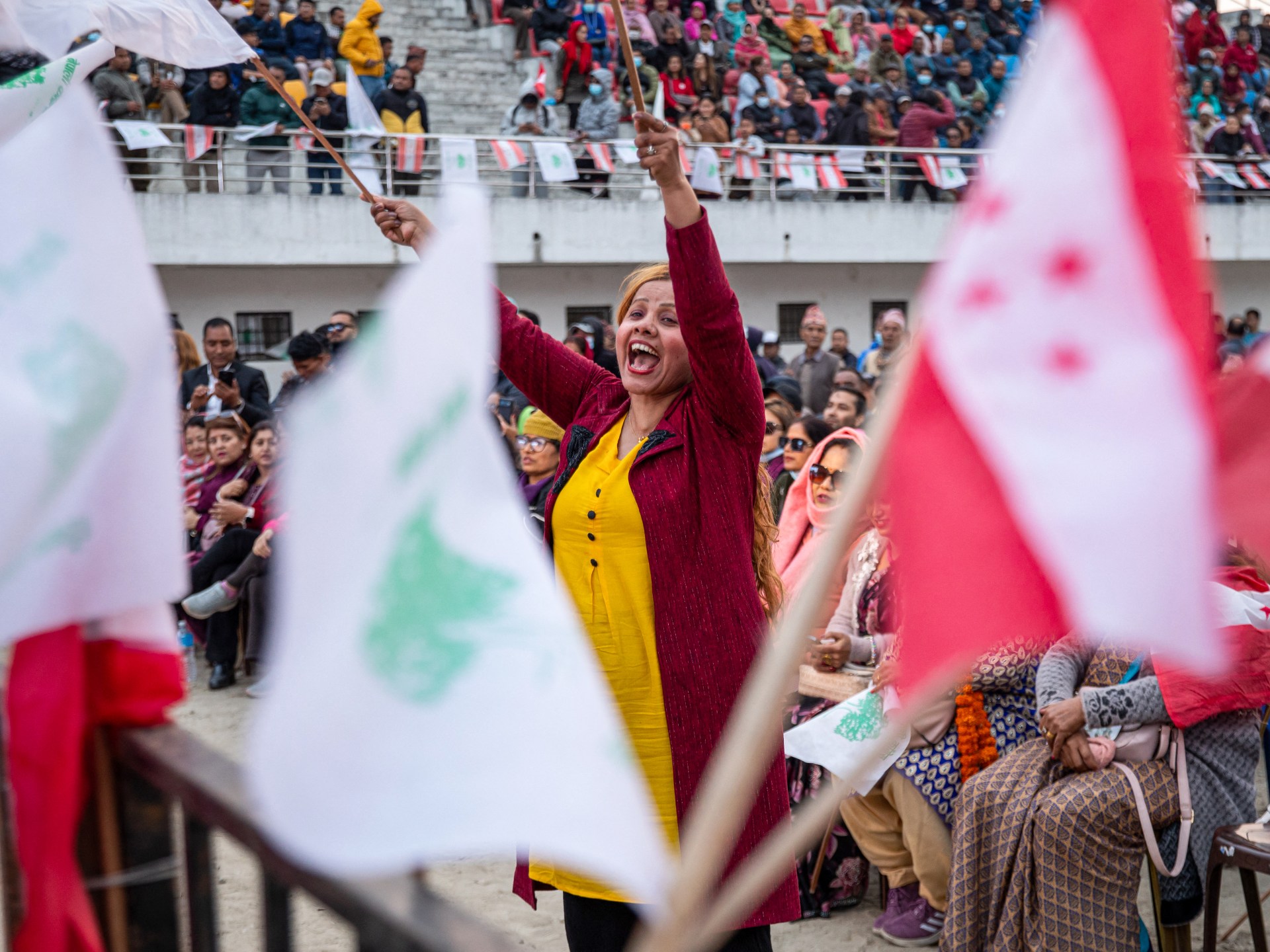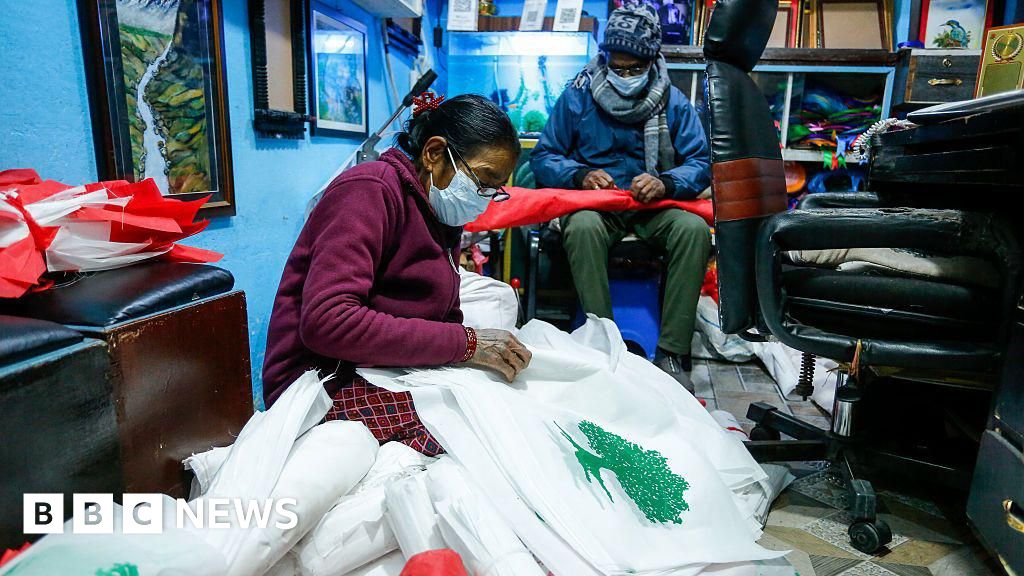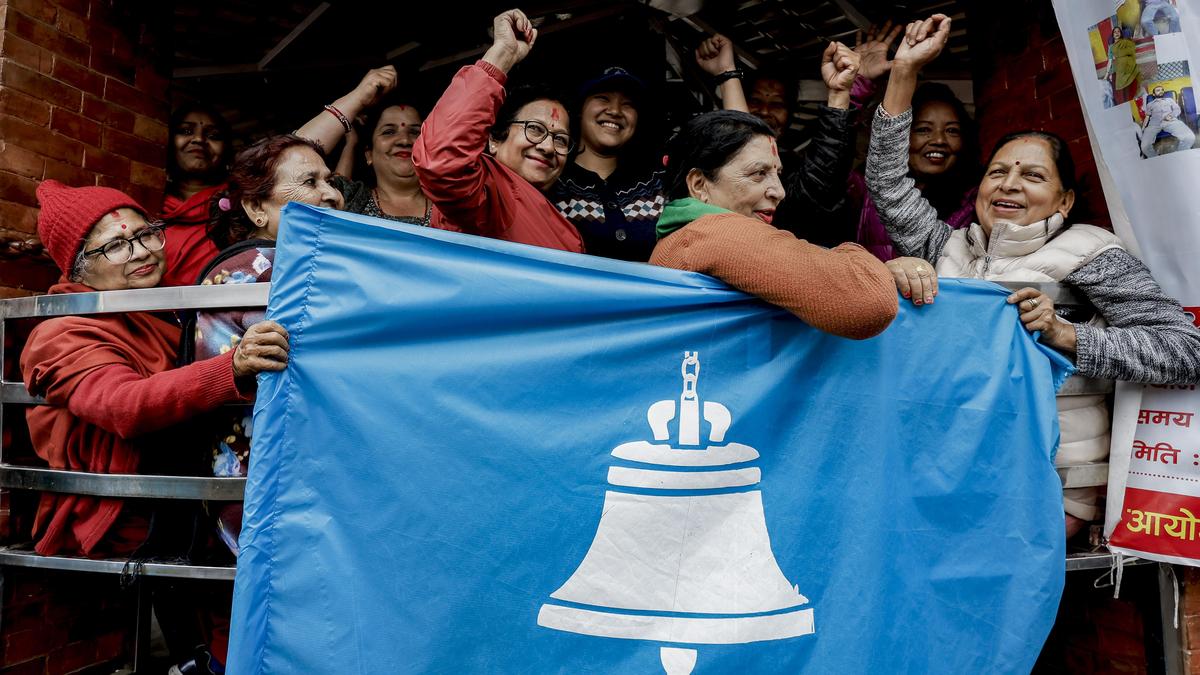
“I could either ring the bell or light the bulb,” says Kumar Tamang, referring to the election symbols of the Rastriya Swatantra Party (RSP) and the Ujyalo Nepal Party (UNP).
Mr. Tamang, 44, operates a drinking water tanker in Lalitpur on the outskirts of Kathmandu. A migrant from Ramechhap district, around a five-hour drive east of Kathmandu, he voted in the past for one of Nepal’s established parties — either the Nepali Congress or the Communist Party of Nepal (Unified Marxist–Leninist), (UML). This time, he says, he is inclined to switch.
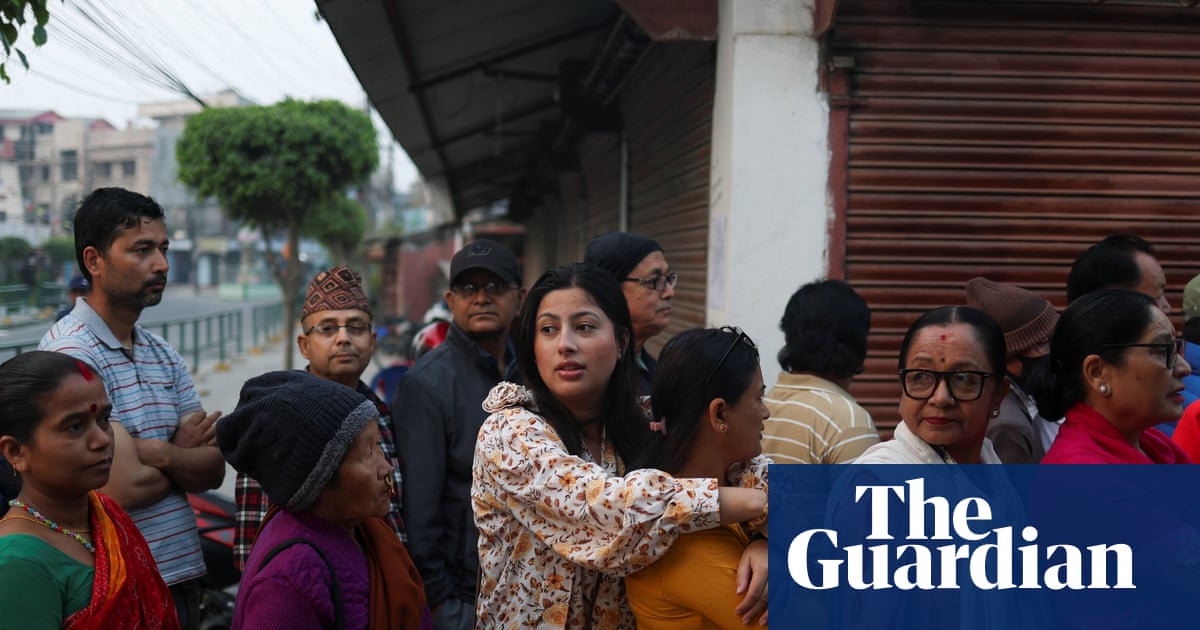
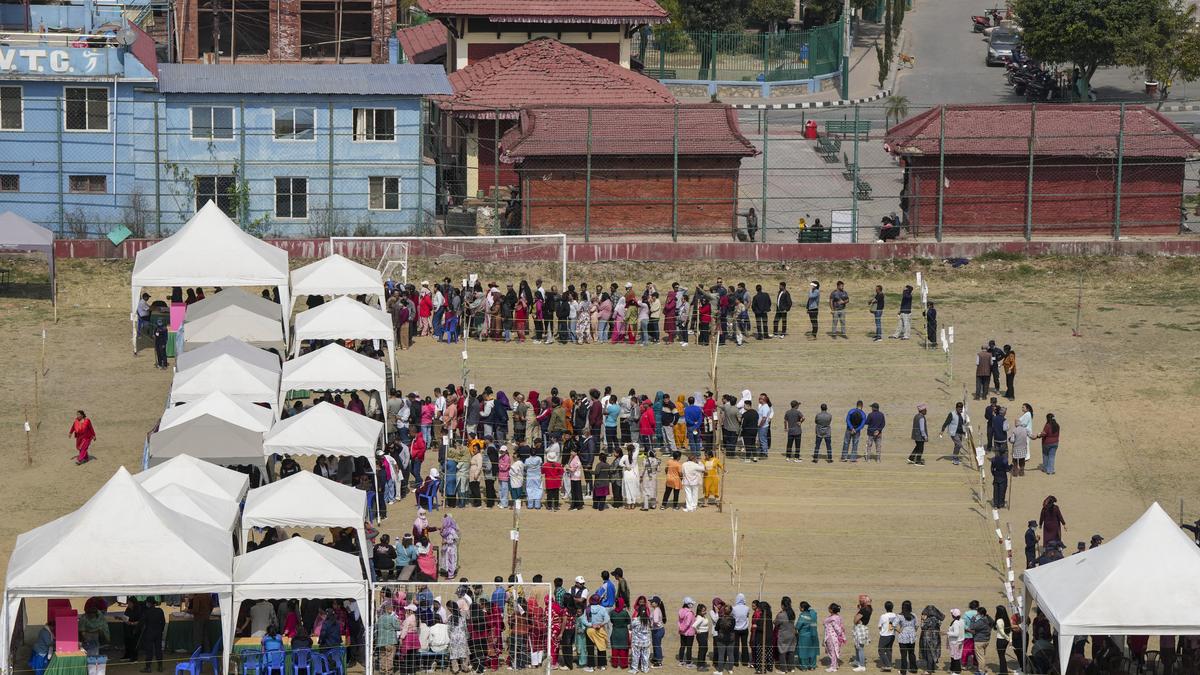
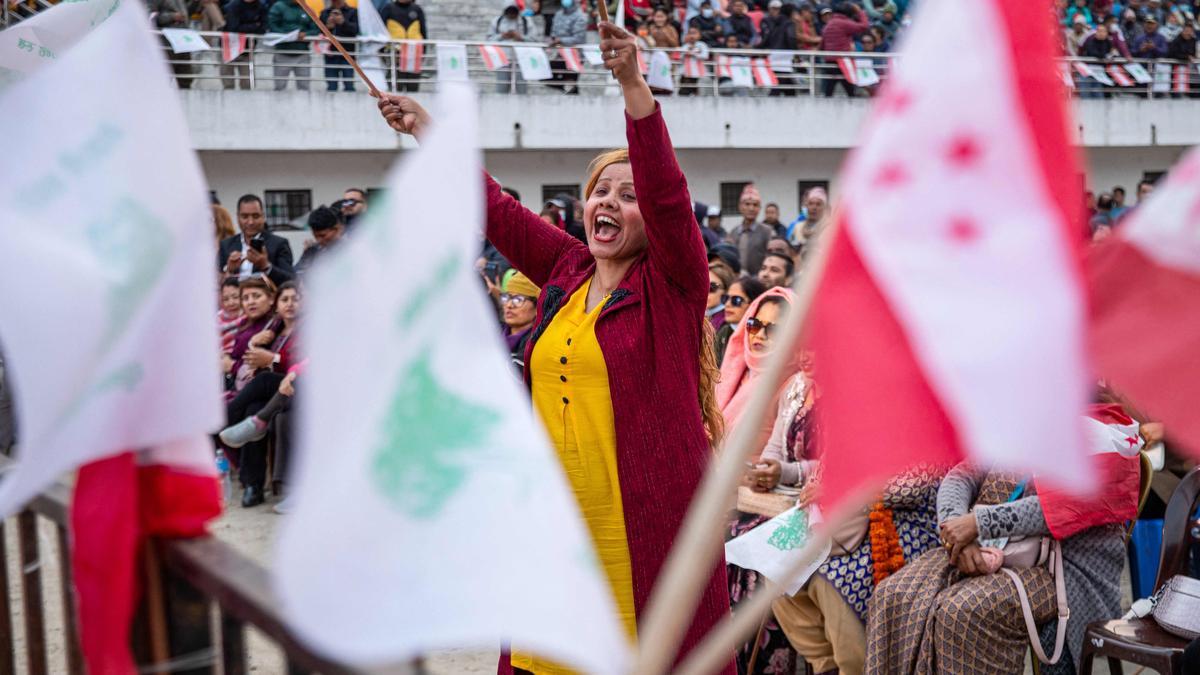
“I want to try something different,” he says, reflecting a sentiment increasingly visible among urban, younger, and working-class voters in the run-up to the March 5 general election. Mr. Tamang’s indecision mirrors a larger trend: voters weighing new parties against traditional ones, even as Nepal faces a deeply fragmented parliamentary landscape.
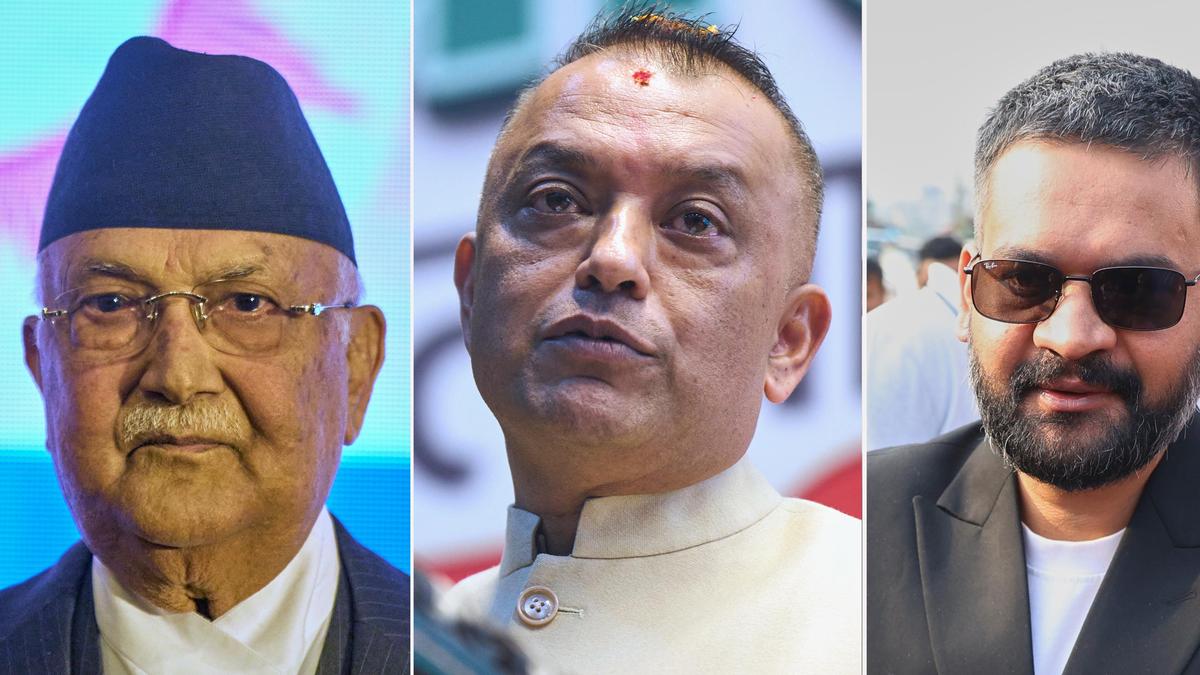
The election comes months after youth-led protests toppled the government led by CPN-UML’s K.P. Sharma Oli, which had been backed by the Nepali Congress. An interim government led by Sushila Karki took office on September 12 and dissolved the House of Representatives, calling for new polls.
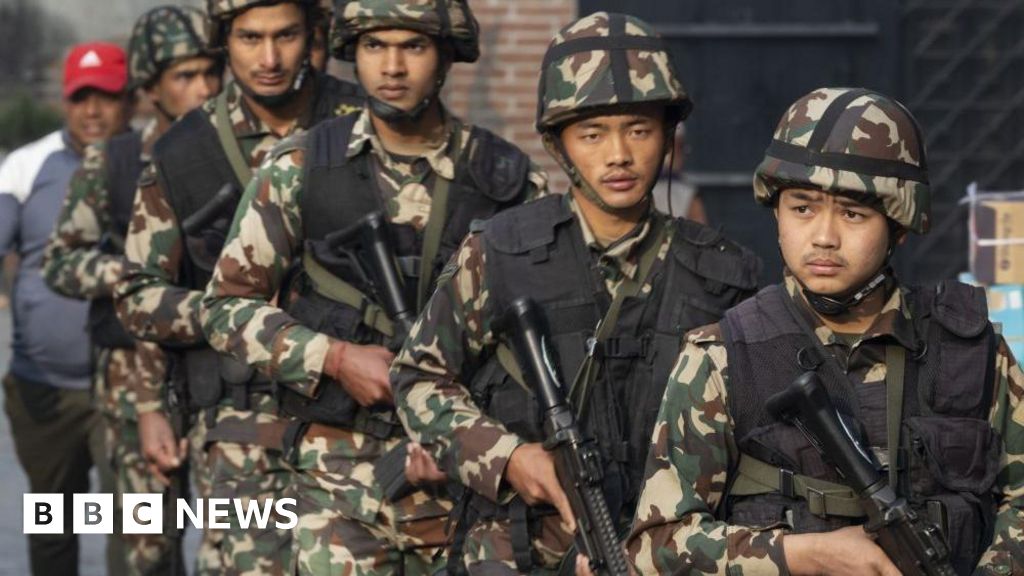
More than 60 parties and over 3,000 candidates are in the fray for the 275-member House of Representatives, which is composed of 165 directly elected members and 110 elected under the proportional representation system. With no party expected to secure a clear majority — 138 seats — coalition governments, already fragile in Nepal’s recent history, may face renewed instability, making post-poll negotiations decisive for governance.