RIYADH: Global supply chains were disrupted on March 2 as the US-Iran conflict forced shipping lines and airlines to suspend routes, reroute traffic, and impose emergency surcharges across the Middle East.
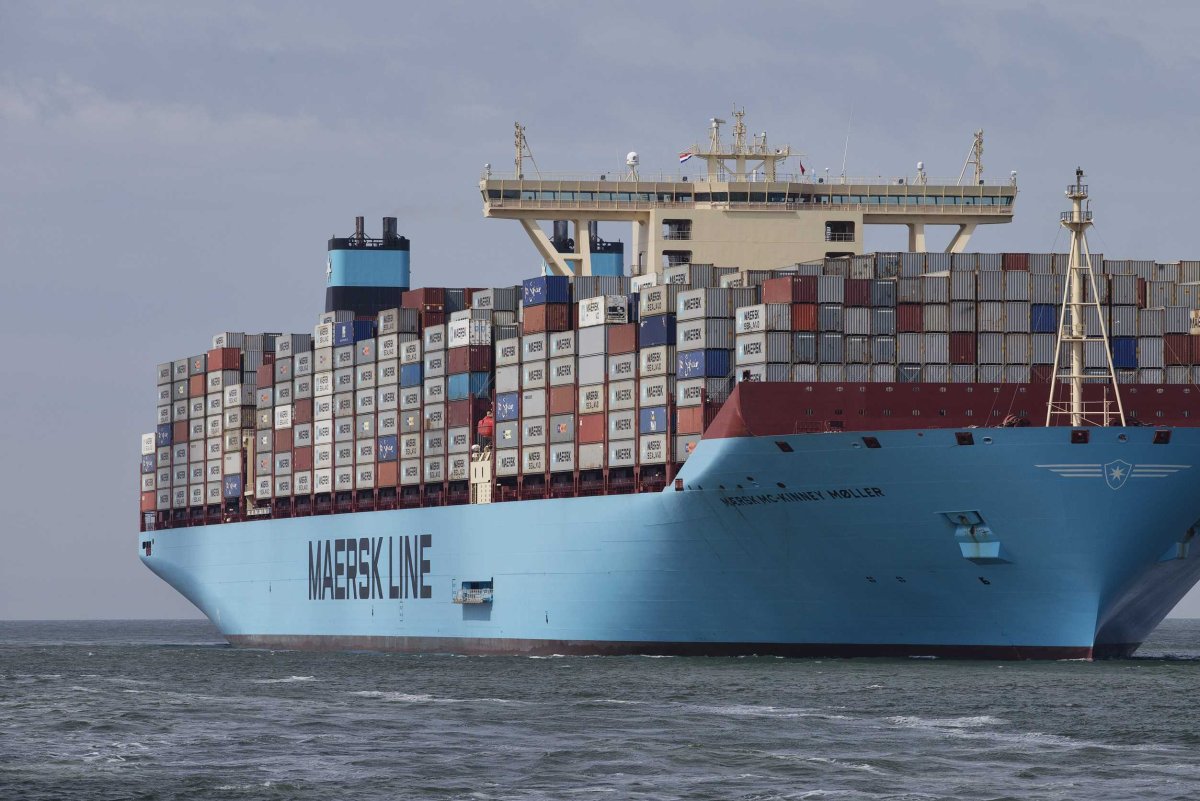
As traffic slowed through the Strait of Hormuz and airspace restrictions spread across Gulf hubs, logistics providers halted new container bookings and adjusted operations, driving longer transit times, higher freight costs, and greater uncertainty for cargo owners worldwide.
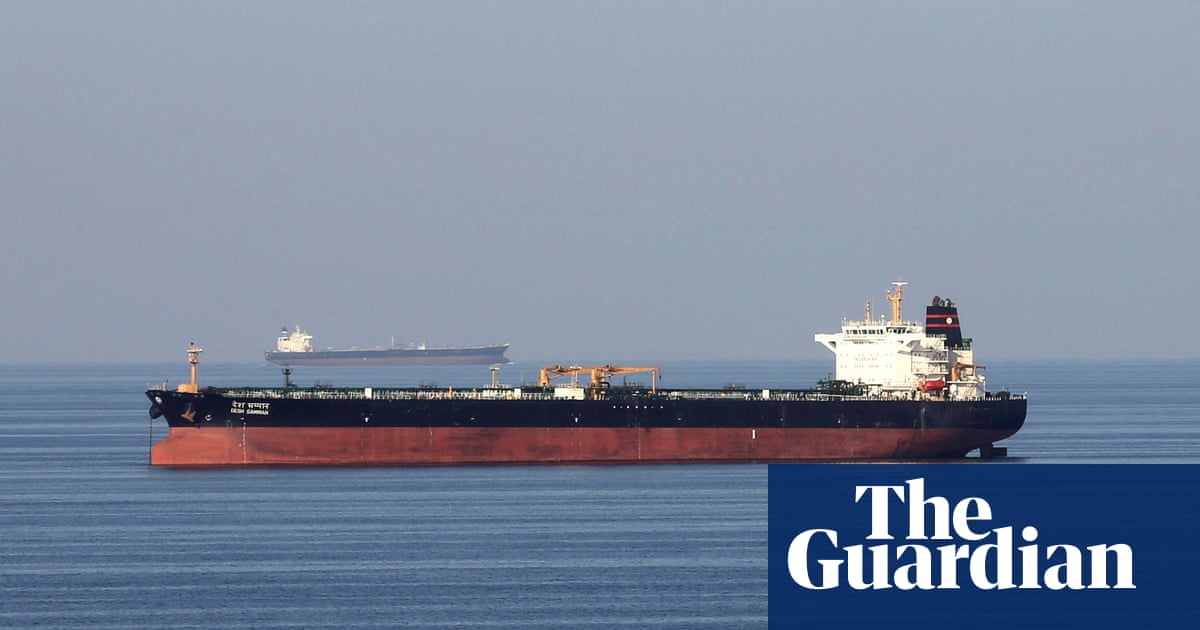
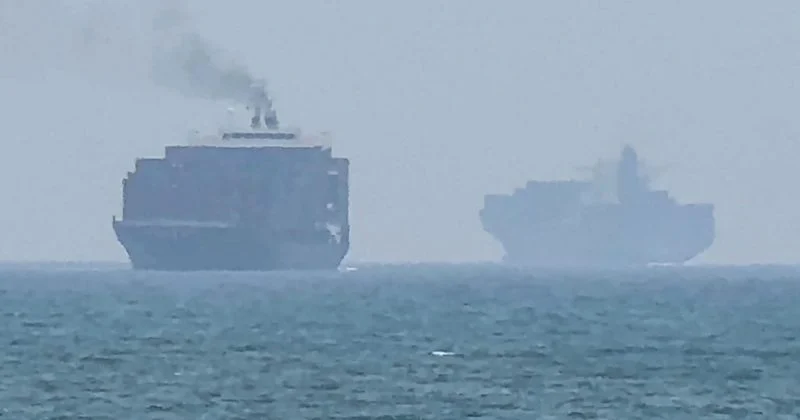
Ship-tracking data cited by Reuters showed a maritime standstill taking shape near the Hormuz chokepoint, with roughly 150 crude and liquefied natural gas tankers anchored in open waters beyond the strait and additional vessels stationary on both sides, clustered near the coasts of Iraq, Saudi Arabia, and Kuwait, as well as the UAE and Qatar.
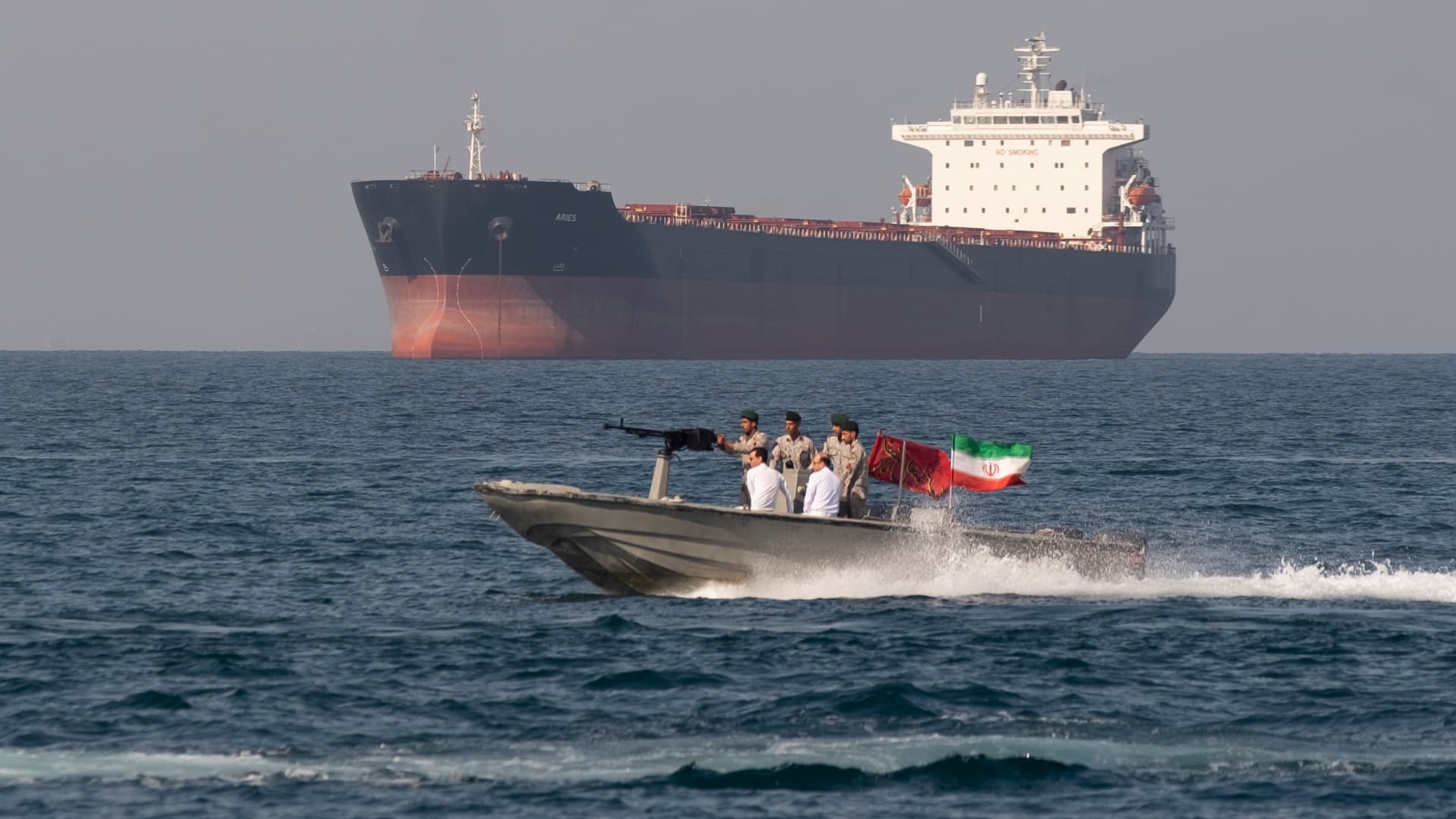
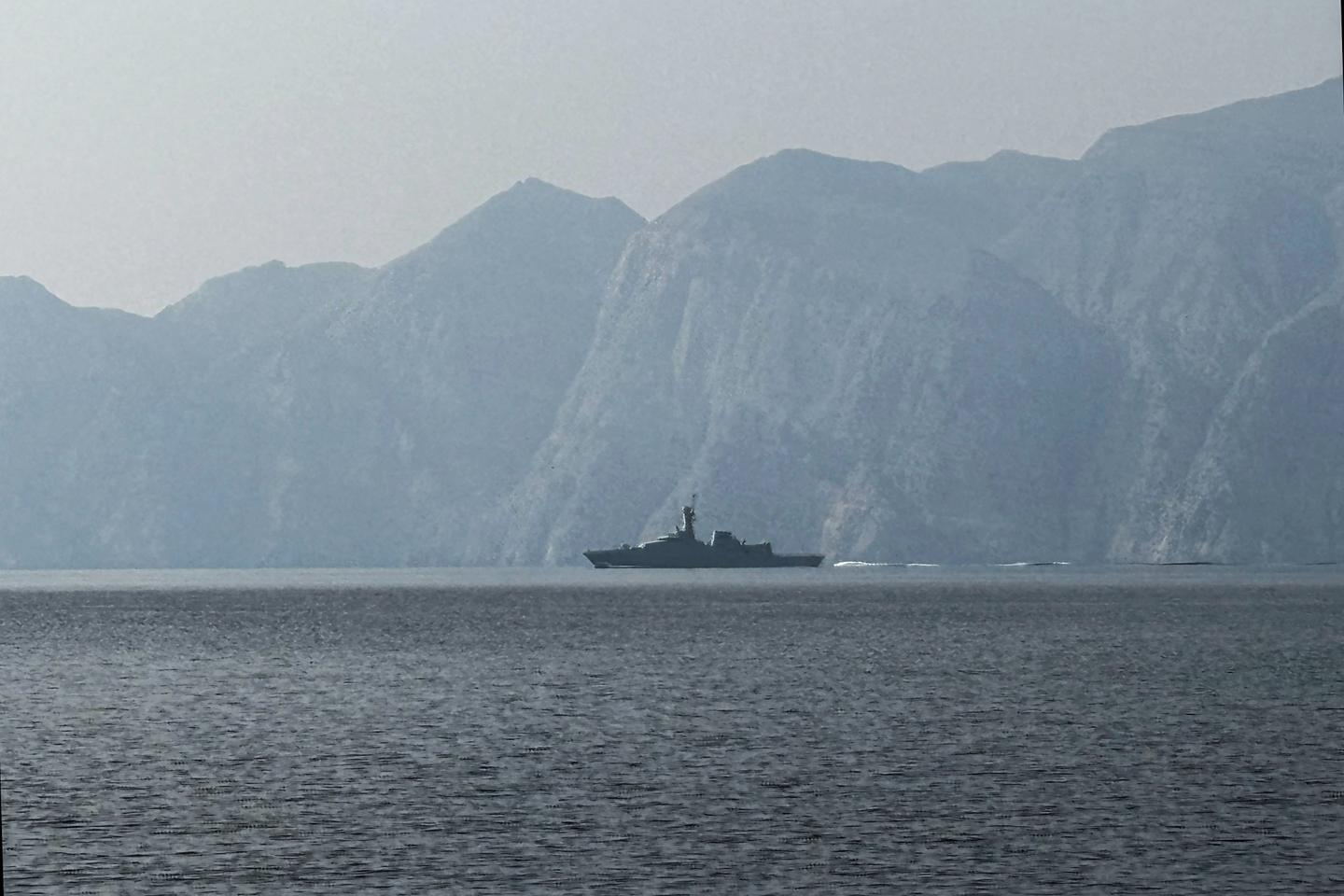
Industry guidance warned of heightened naval activity, anchorage congestion and potential insurance volatility, even as no formal international suspension of commercial shipping had been declared.
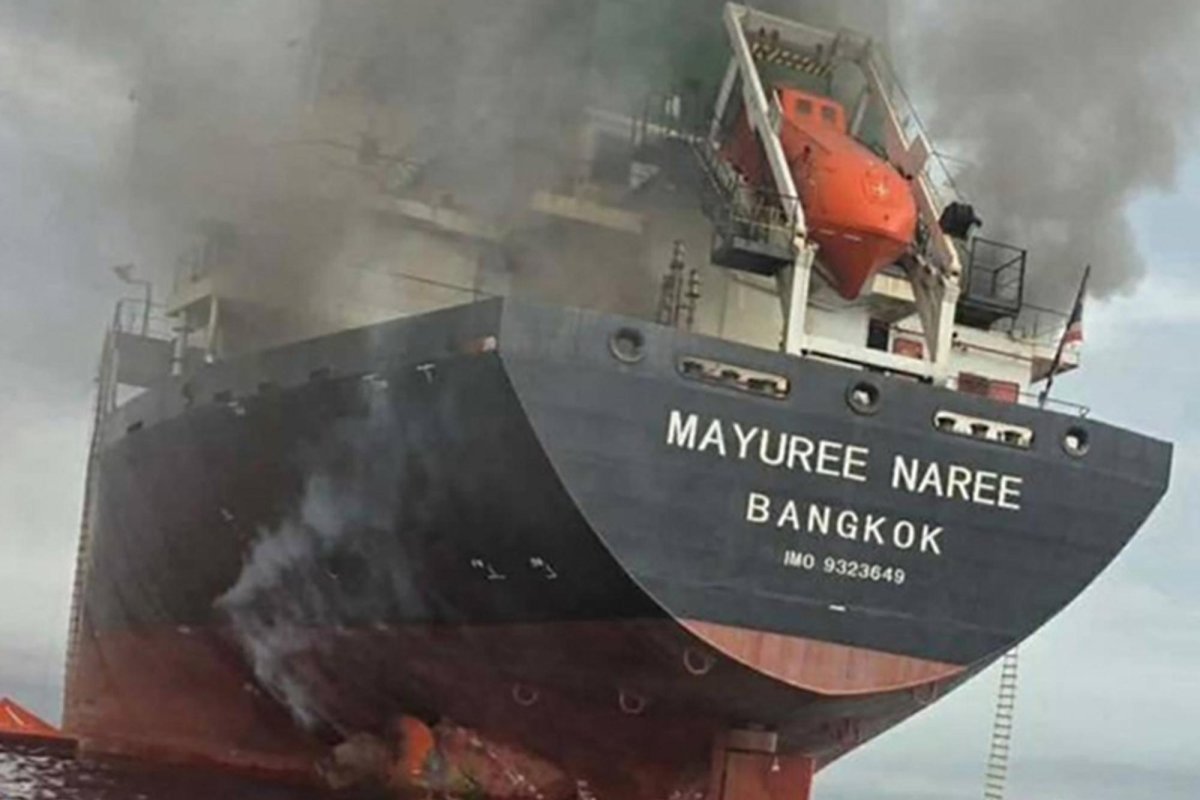
Rising tensions in the Gulf forced operational pullbacks, with Reuters reporting at least three tankers damaged and one seafarer killed, prompting shipowners to reassess their exposure in regional waters.