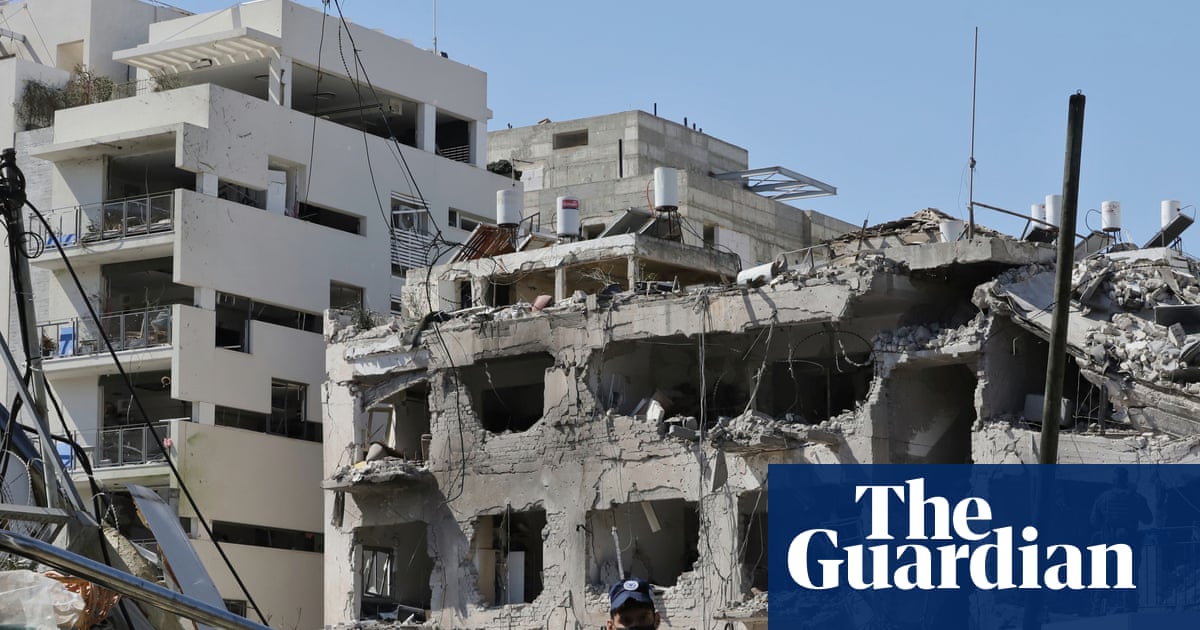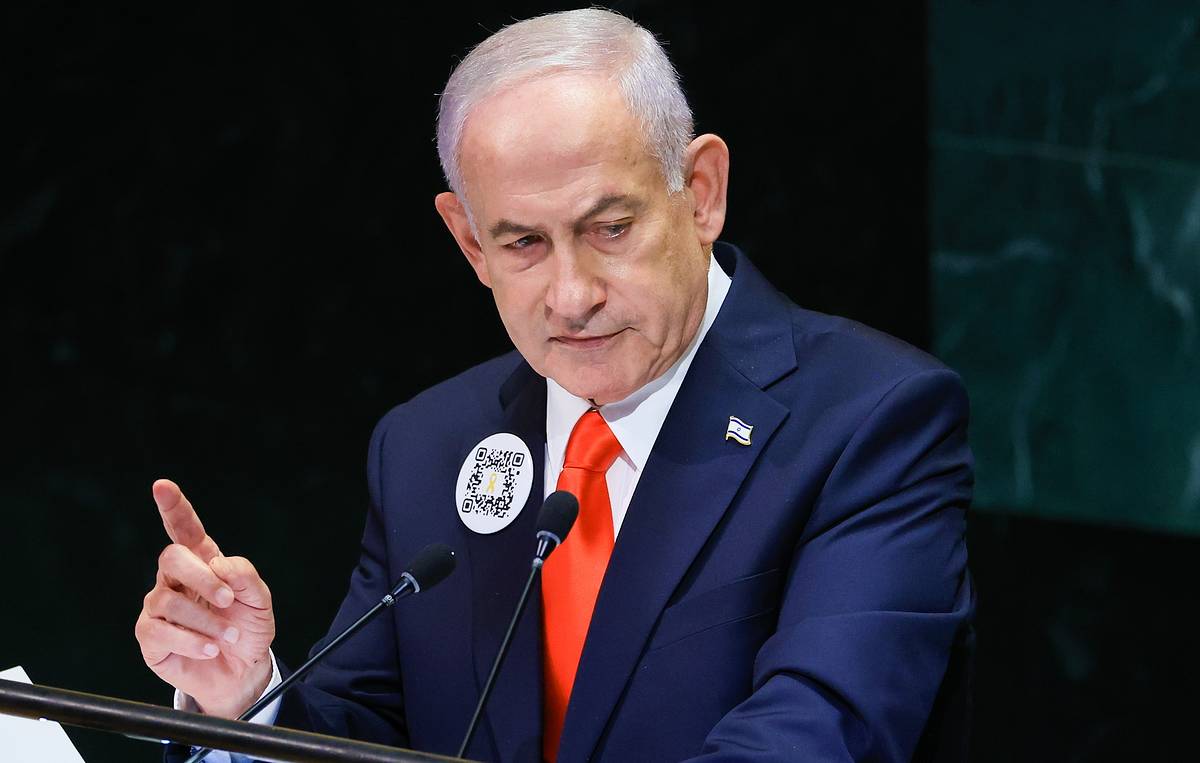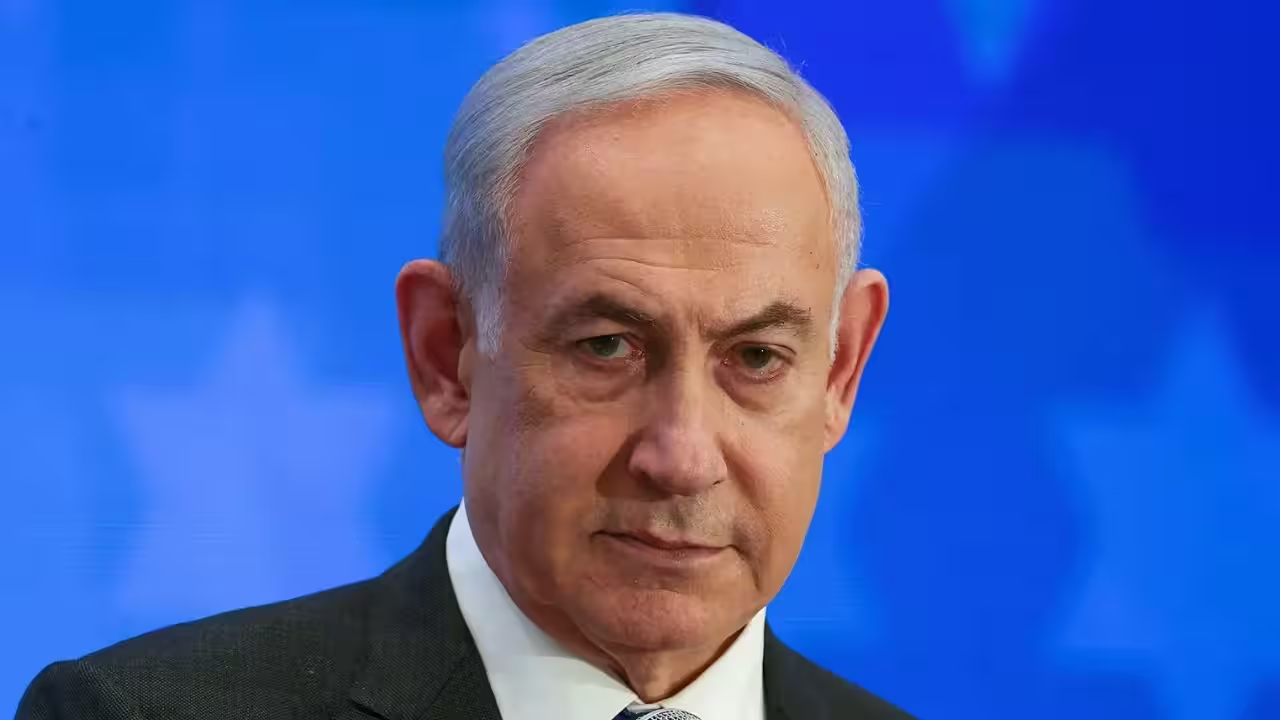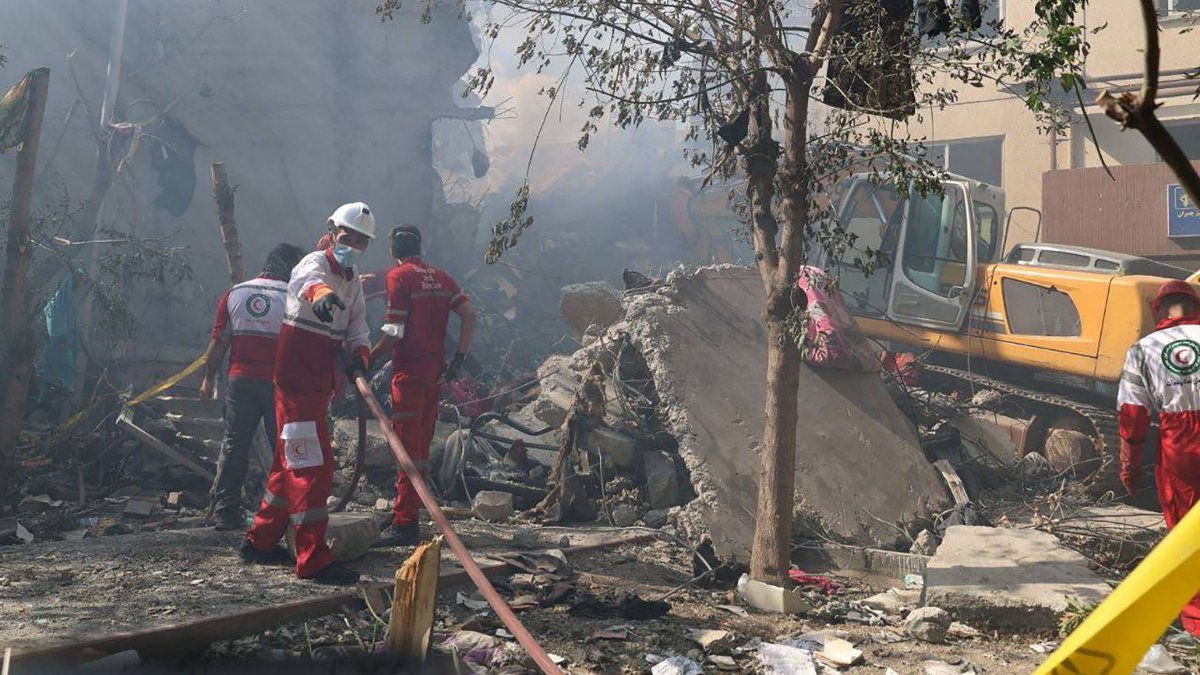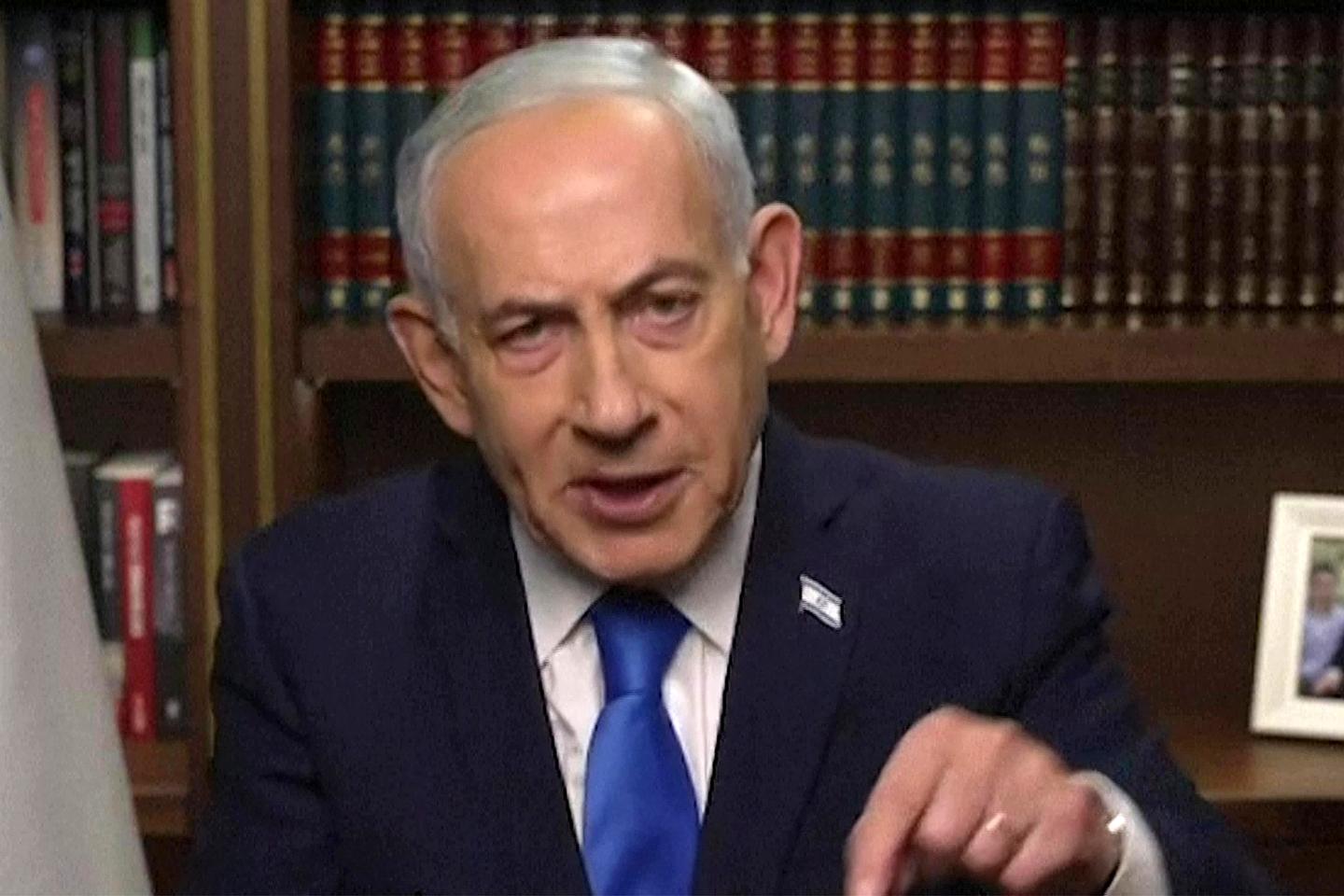
A screenshot from a video released by the Israeli Government Press Office showing Prime Minister Benjamin Netanyahu speaking on television, from his office in Jerusalem, on February 28, 2026. AFP PHOTO / HANDOUT / GPO
As a country, Israel had been preparing for airstrikes to be conducted on Iran for several weeks – indeed, for several months – as the country's leaders and military experts had repeatedly said that Tehran was rapidly rebuilding its stockpile of long-range missiles. Over the past few weeks, nearly the entire Israeli political spectrum declared support for a joint US-Israel military operation, showing a form of national unity among the country's political elites in the face of the Islamist regime.
Yair Lapid, leader of the main opposition party in the Knesset, expressed this position on February 23, even though he had, that day, backed a no-confidence motion against Prime Minister Benjamin Netanyahu, who has led a coalition of right-wing nationalists and far-right supremacists since December 2022. "Israel should not hesitate – even at the price of a cautious confrontation with the Americans – to bomb not only military targets but also Iranian oil fields and energy facilities. That will finish their economy, and that is what will bring down the ayatollahs," Lapid said.