O
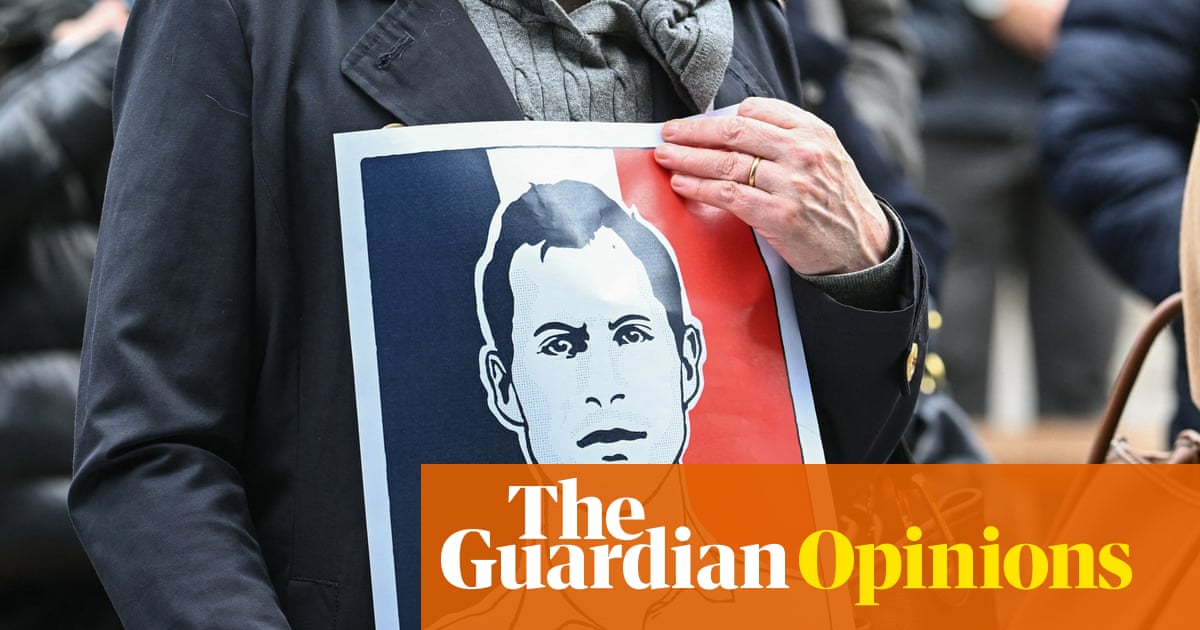
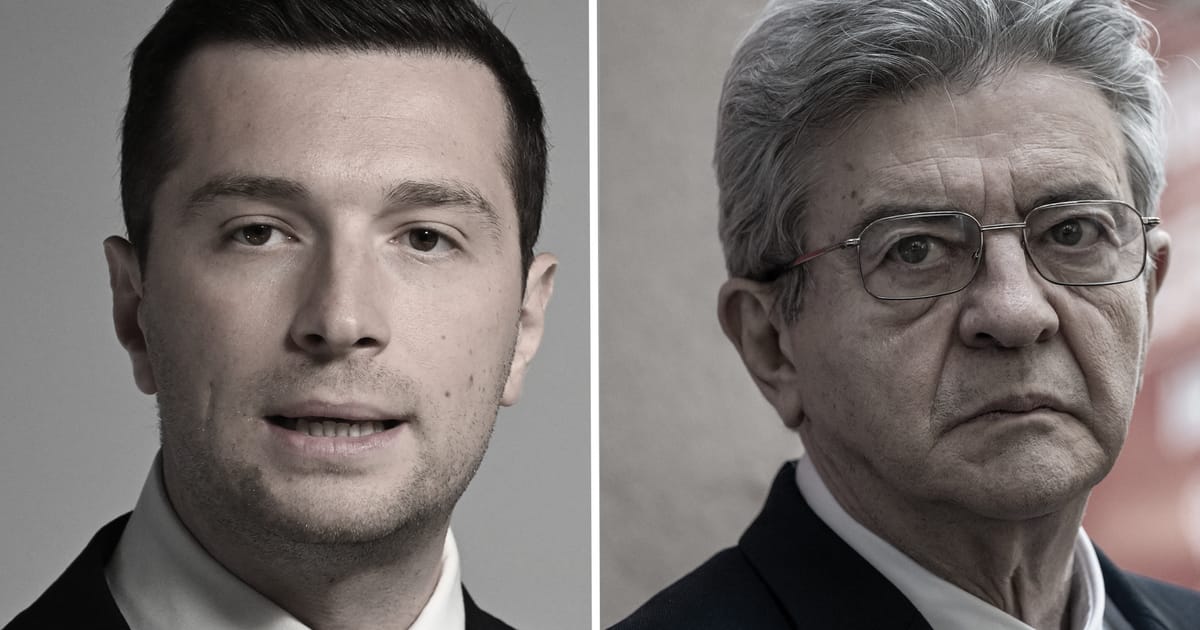
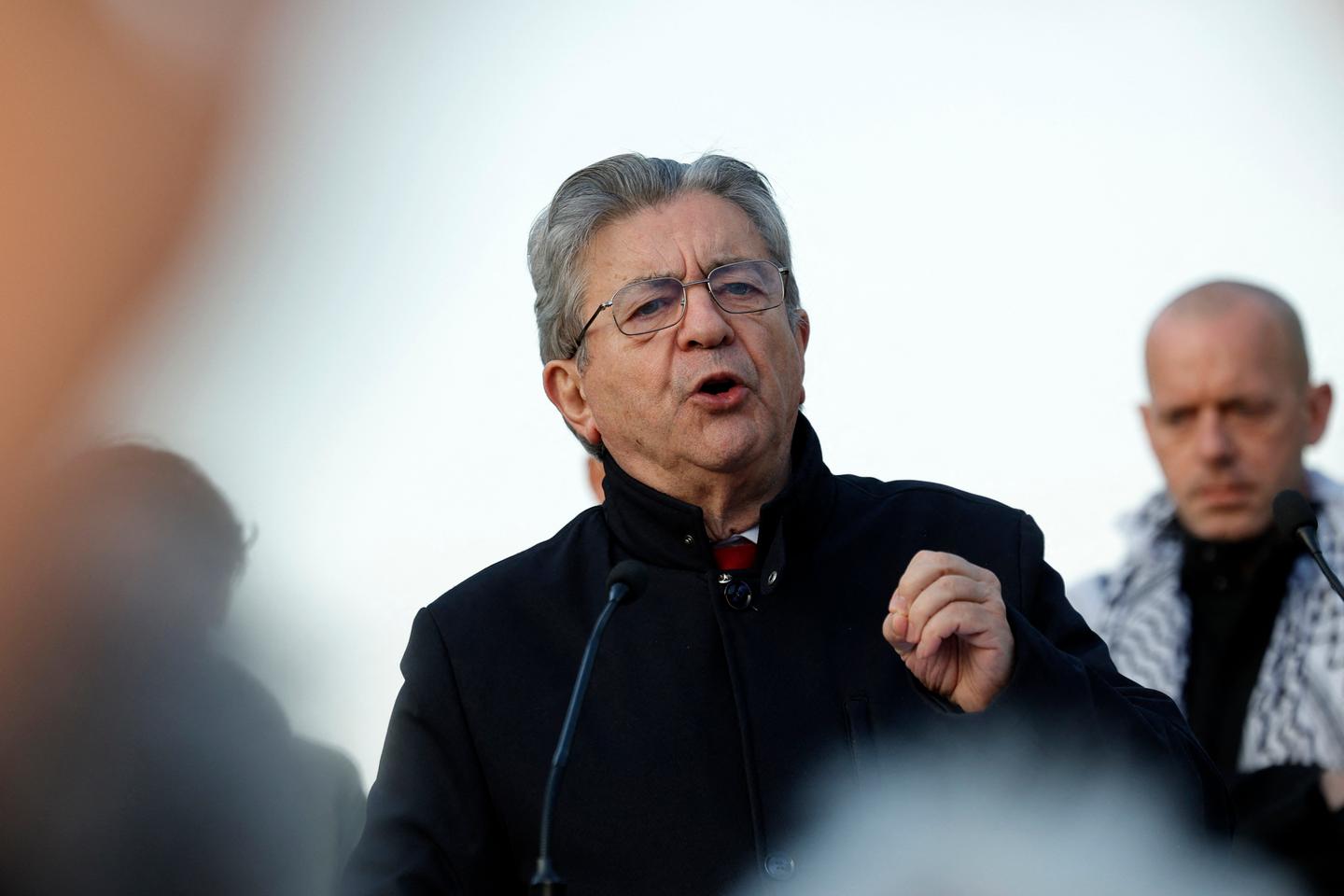
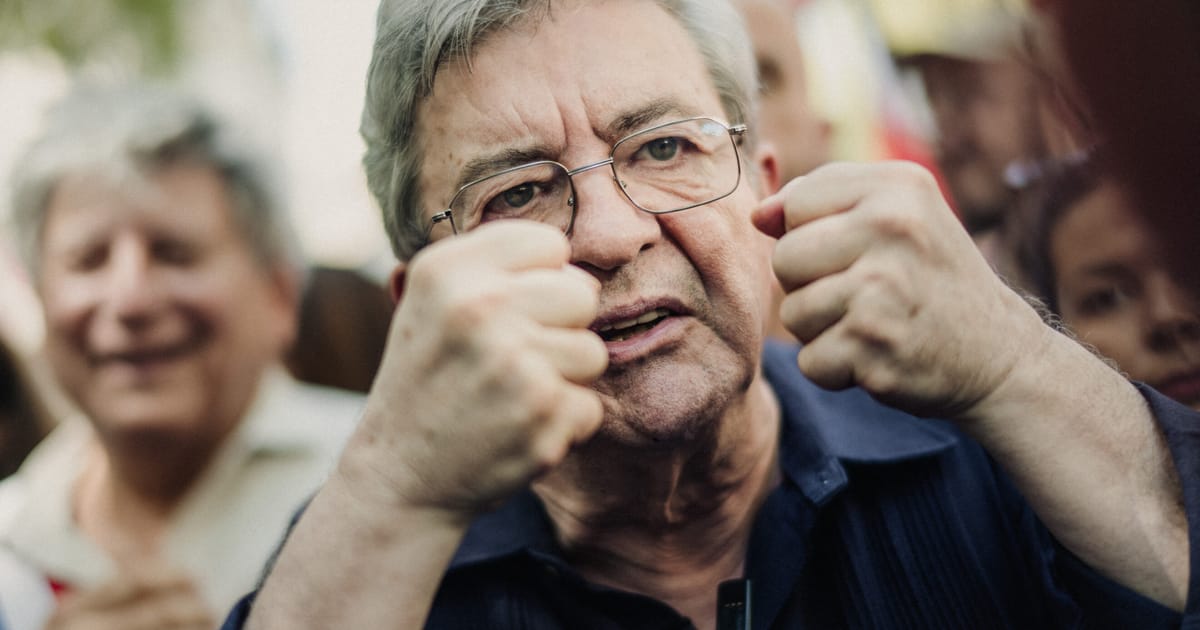
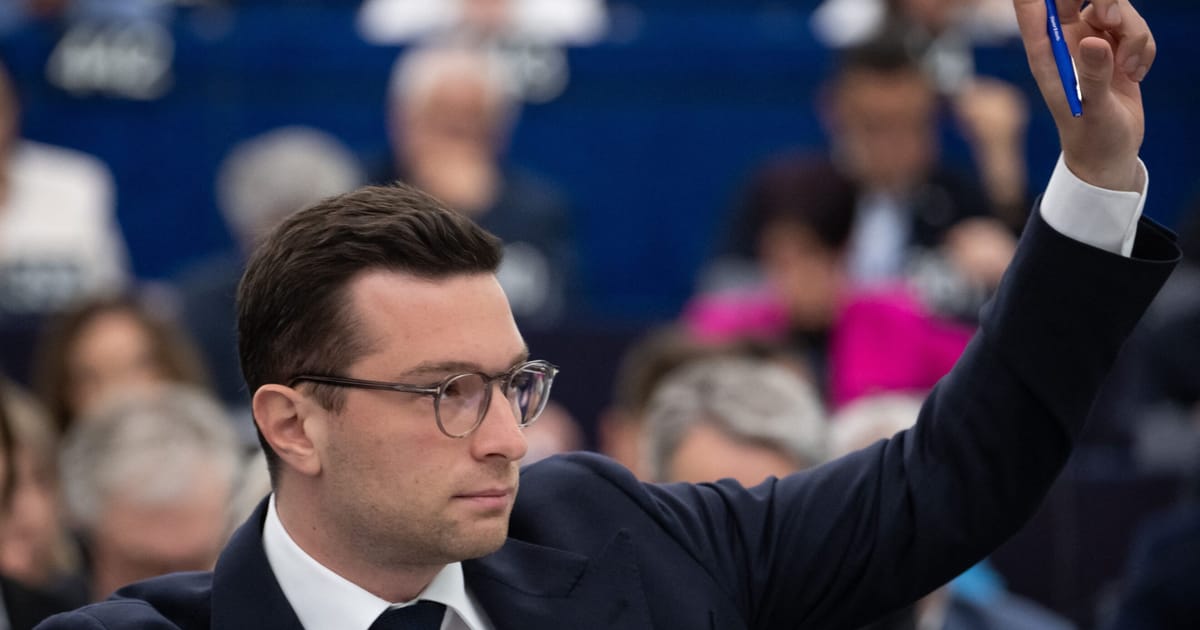
n the weekend of February 28 and March 1, far-right Rassemblement National (RN) party leader Jordan Bardella and Jean-Luc Mélenchon, leader of the radical left La France Insoumise (LFI) party, are both set to hold rallies in Perpignan, a southern city and the largest governed by the far right. This serves as a symbol of the deadly head-to-head duel that the two parties aim to establish, just a little over a year before the next presidential election. Since February 12, when the neo-fascist activist Quentin Deranque was fatally attacked, and with several members of Jeune Garde (an anti-fascist group close to LFI) being arrested over the incident, the duel between these two blocs has dominated French political life, offering an unpleasant preview of the worst-case scenario for the 2027 election.
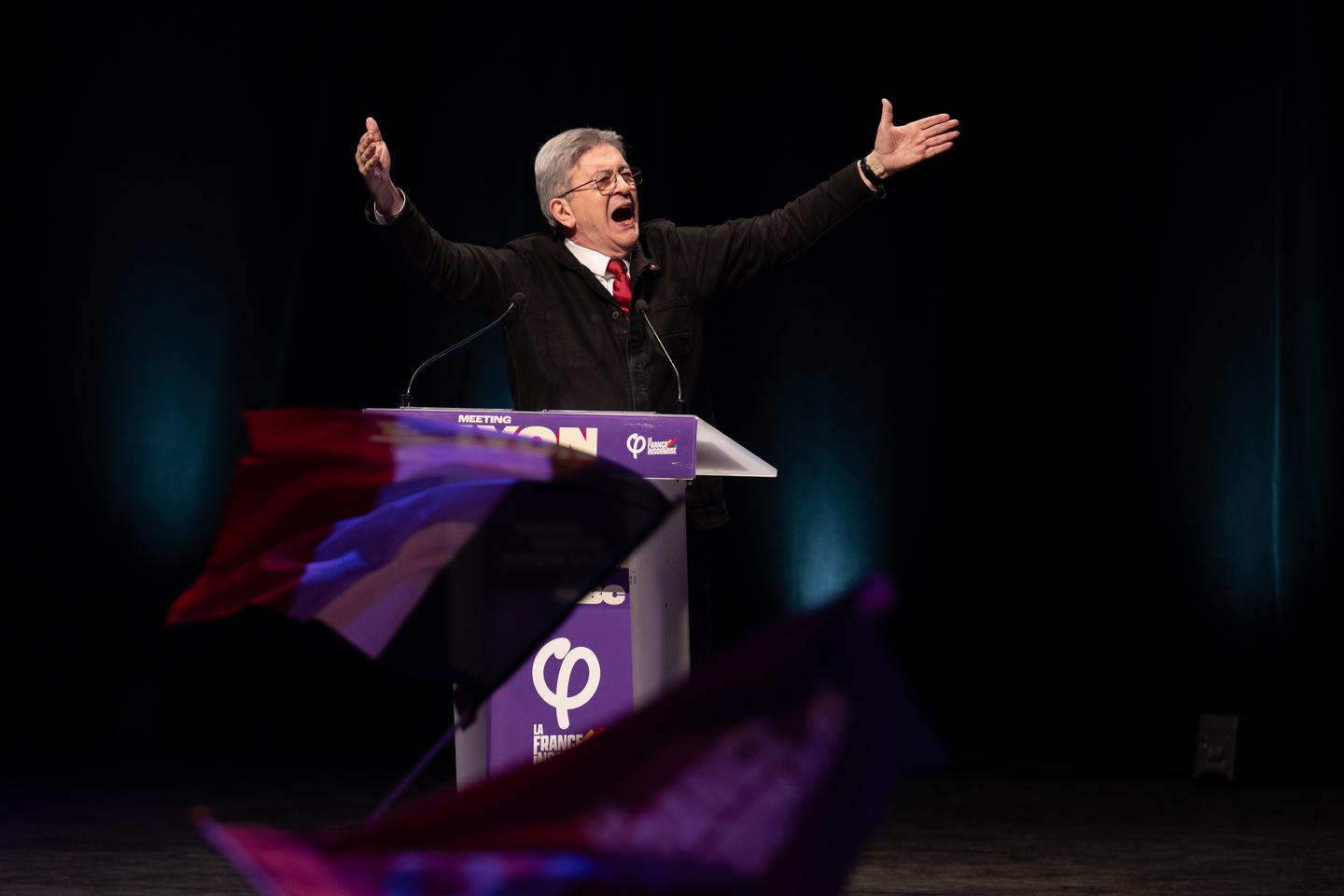
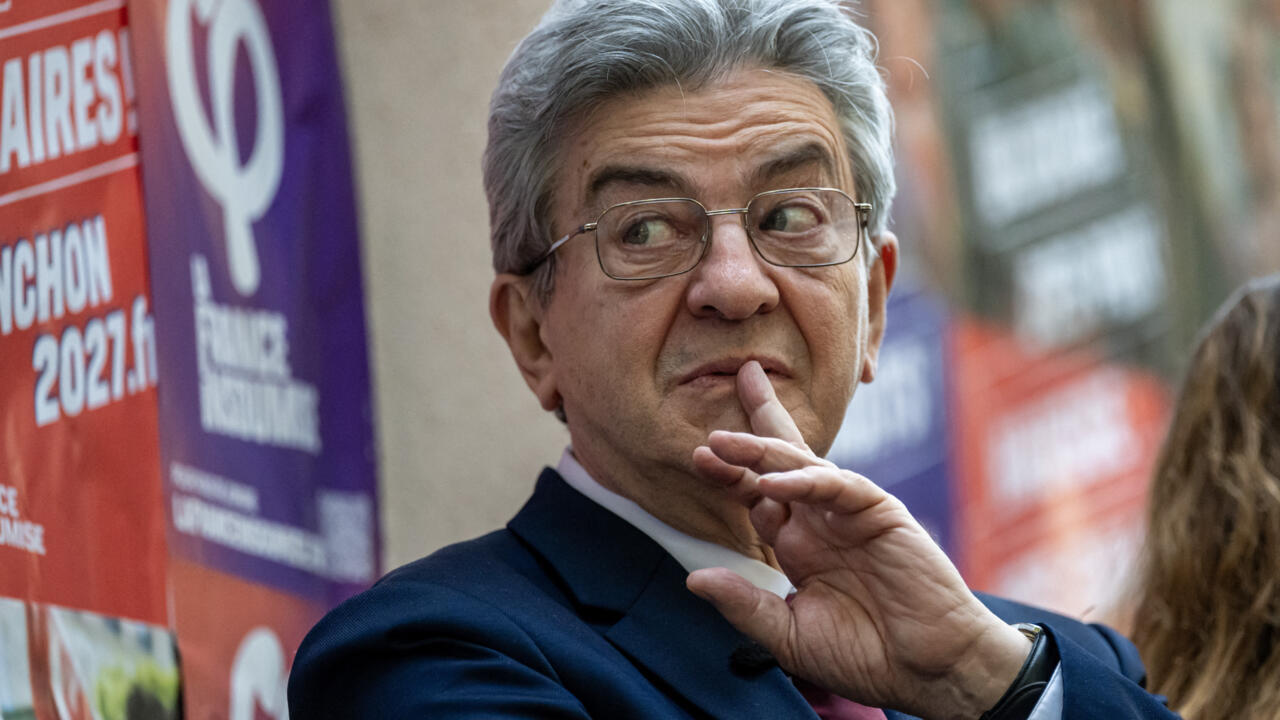
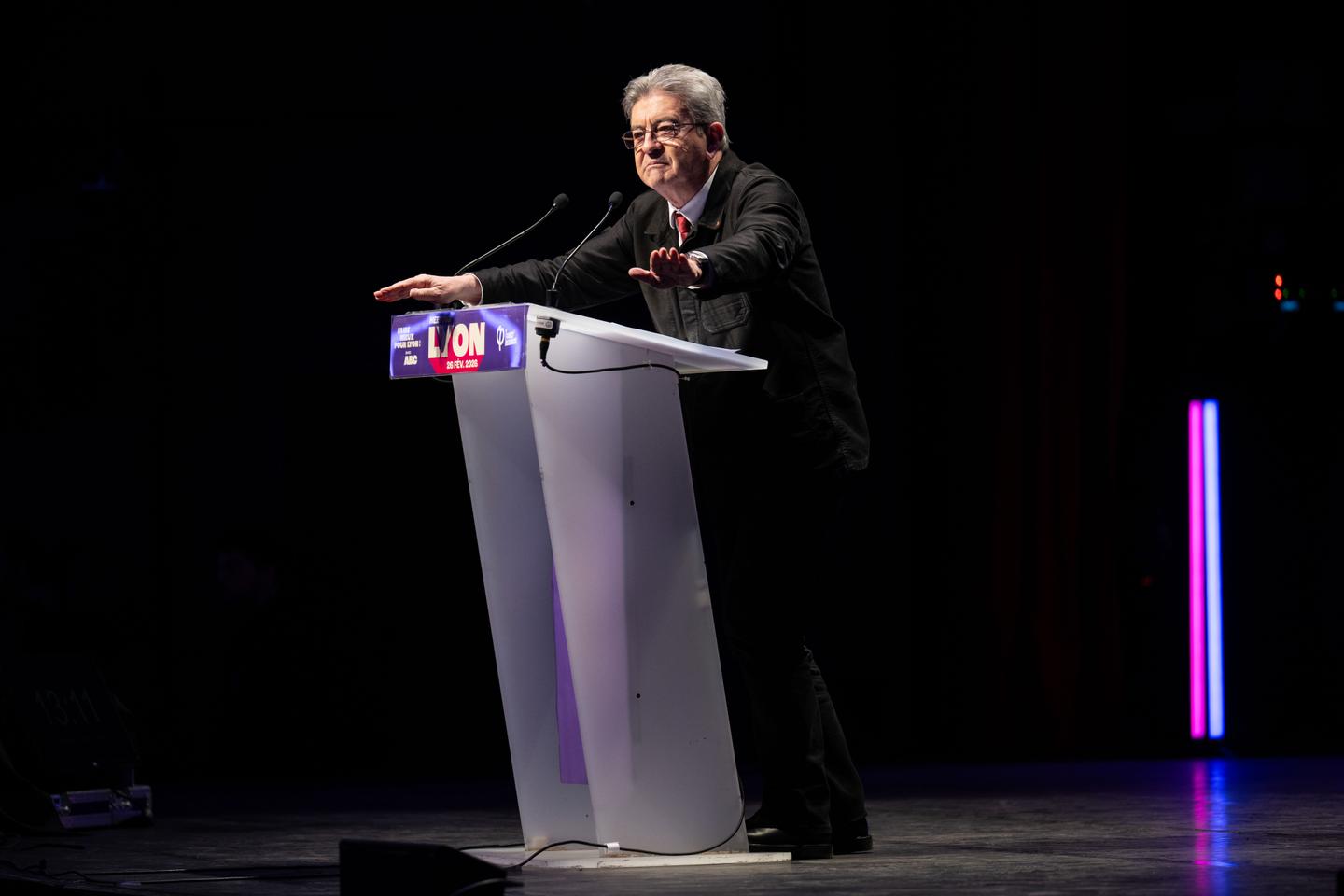
This tragic incident has revealed the true nature of Mélenchon's approach. All week, the radical left-wing leader has confirmed people's fears about him: That his future presidential campaign would be conspiratorial, brutal, quick to designate enemies with his unchecked verbal excesses and ready to exploit the worst kinds of resentment to flatter his voter base. The LFI leader and his inner circle have focused on a "them versus us" posture, constantly resorted to doublespeak about the facts at hand, and have neither disavowed LFI MP Raphaël Arnault, the co-founder of Jeune Garde, nor distanced themselves from his "antifascist" group. On Thursday evening, at a rally in Lyon, Mélenchon claimed the group's members had fallen victim to a "trap."