Dr. D Nageshwar Reddy, Chairman of AIG Hospitals, along with Dr. Rakesh Kalapala, Director of the Centre for Obesity and Metabolic Therapy, and Dr. Nitin Jagtap, senior consultant gastroenterologist, at a press meet in Hyderabad on Friday.
| Photo Credit: Special Arrangement
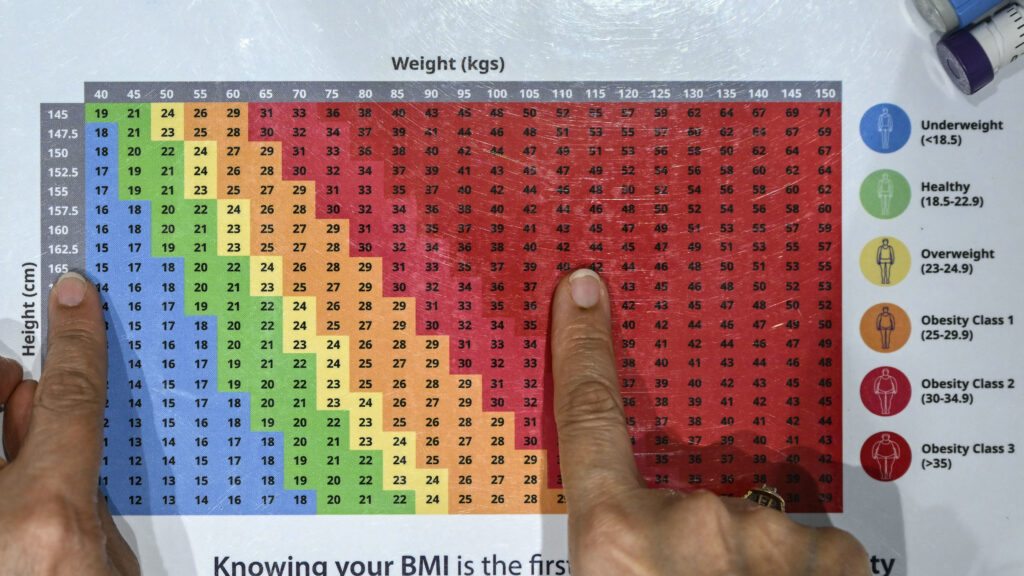
A study by clinicians at AIG Hospitals has found that while Indians carry a high genetic susceptibility to obesity, maintaining a healthy lifestyle can significantly reduce this risk, particularly at younger ages. The findings, published in Scientific Reports, a peer-reviewed journal from the Nature group, add urgency to concerns over India’s rapidly worsening obesity and metabolic health burden.Speaking at a press briefing on Friday, Dr. D Nageshwar Reddy, Chairman of AIG Hospitals, said that obesity among Indians is driven by a combination of genetics, diet and metabolic factors, and differs markedly from patterns seen in Western populations.The study analysed data from two independent cohorts. This included 6,663 participants of Indian ancestry drawn from the UK Biobank and 91 participants recruited in India through the Wellytics–Asian Institute of Gastroenterology (AIG) cohort. The study examined how genetic susceptibility and lifestyle factors jointly influence obesity risk.Genetic risk was assessed using a polygenic risk score derived from multiple obesity-linked genes, while lifestyle was measured using a composite score that included diet quality, physical activity and smoking status.Participants were classified into four groups based on genetic risk and lifestyle. Those with low genetic risk and favourable lifestyles had the lowest obesity prevalence. Individuals with low genetic risk but unhealthy lifestyles showed modest increases in obesity. Crucially, among those with high genetic risk, participants who followed healthier lifestyles had significantly lower odds of obesity compared to those with unhealthy lifestyles, though their risk was not completely eliminated.Among Indians in the UK Biobank, individuals with high genetic risk and unhealthy lifestyles had about three times higher odds of obesity. In the India-based cohort, the odds were substantially higher, exceeding 24 times, though researchers said this large effect size may partly reflect the small sample size.The study also found that lifestyle interventions were most effective among younger individuals. The protective effect of healthy behaviours was strongest in participants aged 50 years or younger, suggesting that early intervention could substantially reduce obesity risk even among those genetically predisposed.Dr. Reddy said global BMI cut-offs underestimate risk in Indians, who develop metabolic complications at much lower BMI levels. “While obesity in Western populations is typically defined at a BMI above 30, Indians often begin developing diabetes, fatty liver disease and cardiovascular problems at BMI levels above 23 to 25,” he added.Dr. Rakesh Kalapala, Director of the Centre for Obesity and Metabolic Therapy at AIG Hospitals, said BMI alone was an inadequate measure of risk in Indians. He recommended simple and inexpensive screening tools such as waist-to-height ratio, noting that a waist circumference exceeding half of a person’s height is a strong indicator of harmful visceral fat.Adding to the findings, Dr. Nitin Jagtap, senior consultant gastroenterologist and investigator of the study, said obesity prevalence among adults in India has doubled over the past two decades but has quadrupled among children. “Children of obese parents have nearly four times higher risk of becoming metabolically unhealthy,” he added. Published - February 27, 2026 08:02 pm IST