Hannah Spencer’s win was more than protest. It signalled that Labour’s moral language and coalition are up for grabs in its safest terrain
T
he Greens have every reason to celebrate their victory in the Gorton and Denton byelection. From a standing start in a Manchester constituency, Zack Polanski’s team tripled his party’s vote to capture a seat that had effectively voted Labour in every election but one since 1906 – the year Labour was born. Labour coming third behind Reform UK is not routine midterm turbulence. A 20-point collapse in the party’s vote is extraordinary.
Sir Keir Starmer was abandoned by a coalition of young progressives, working-class former Labour voters and Muslims. May’s Scottish and Welsh parliamentary as well as English council elections will paint the map in many colours. Not a lot of it will be red if this result is anything to go by. Labour’s vaunted ground game can’t save it if the ground has shifted. The party can’t turn out voters who’ve already tuned out.
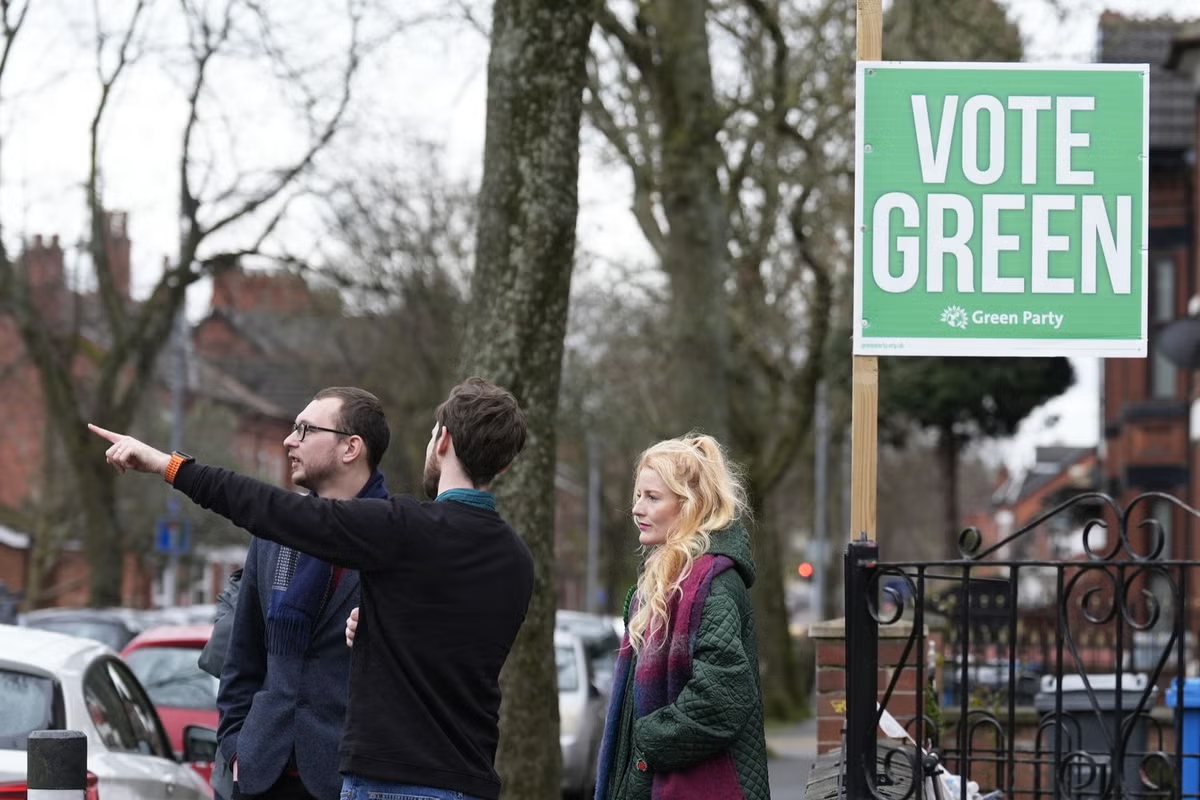
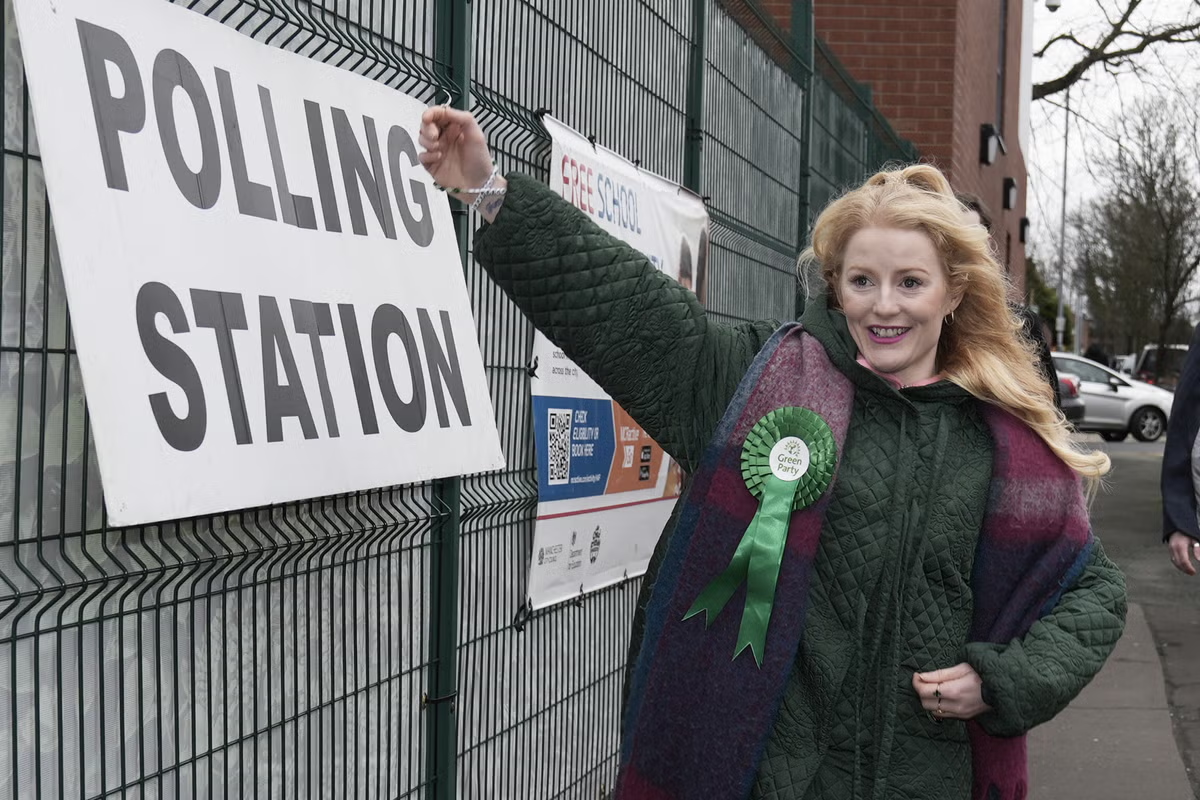
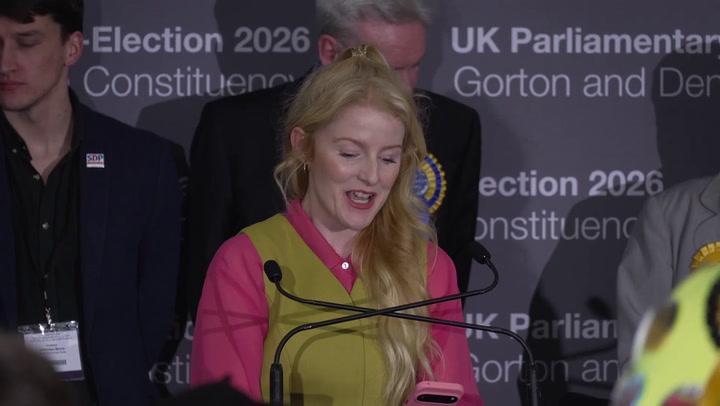
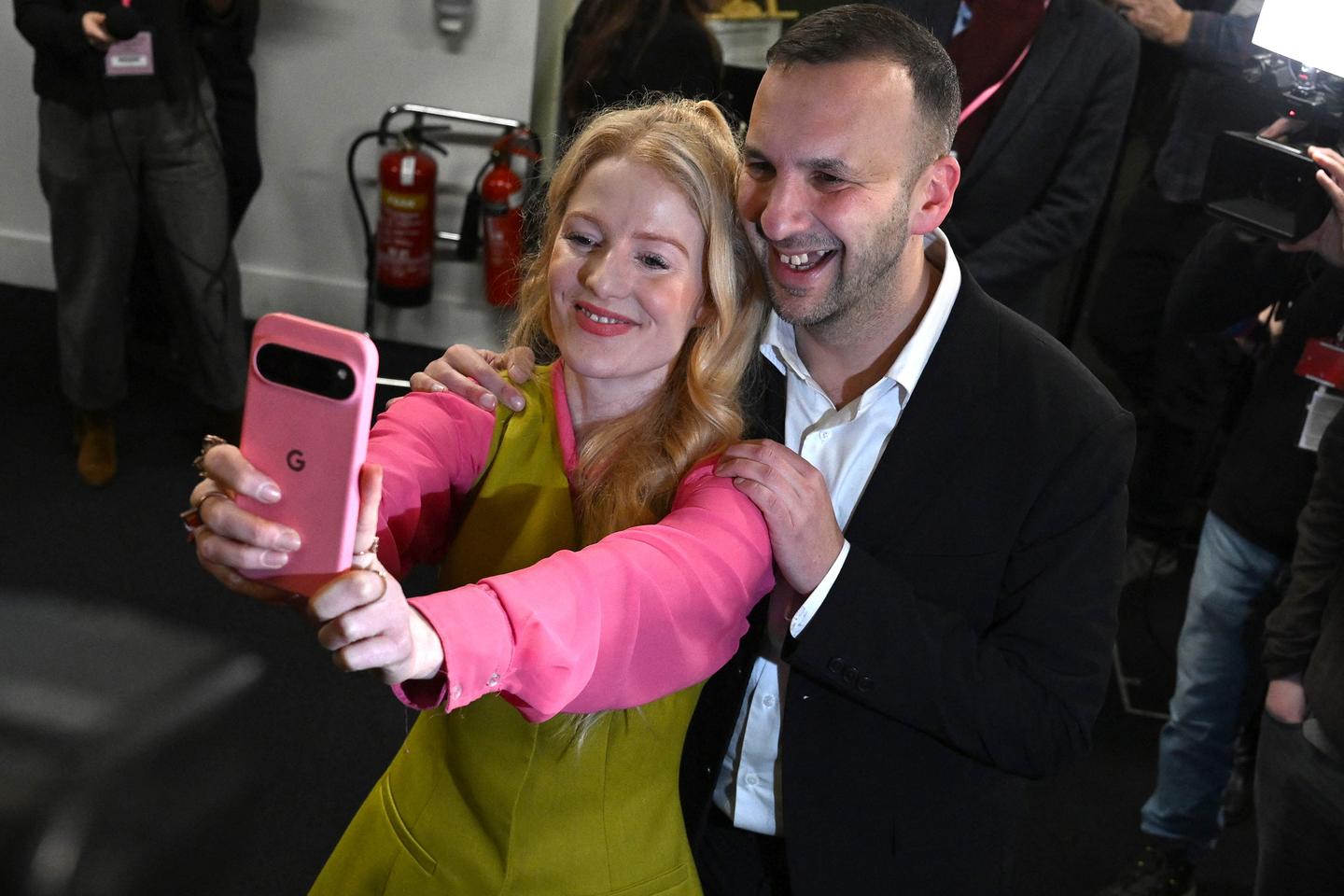
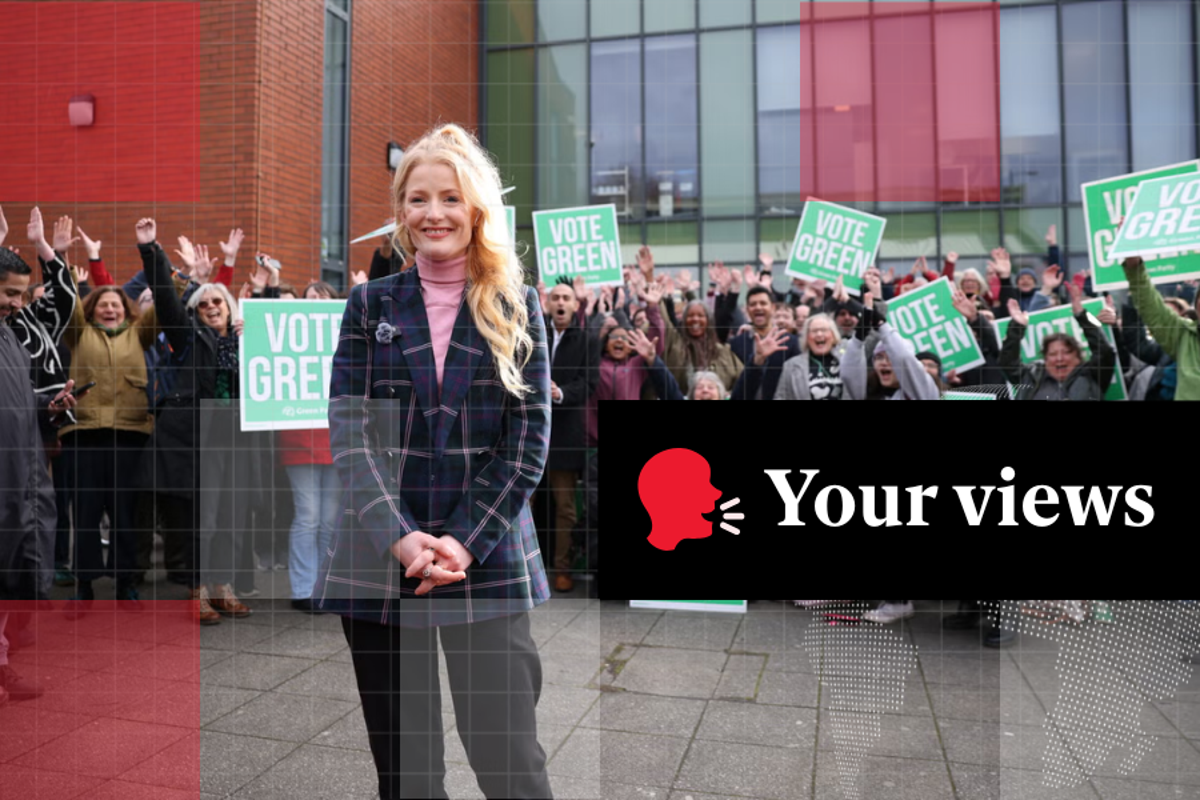
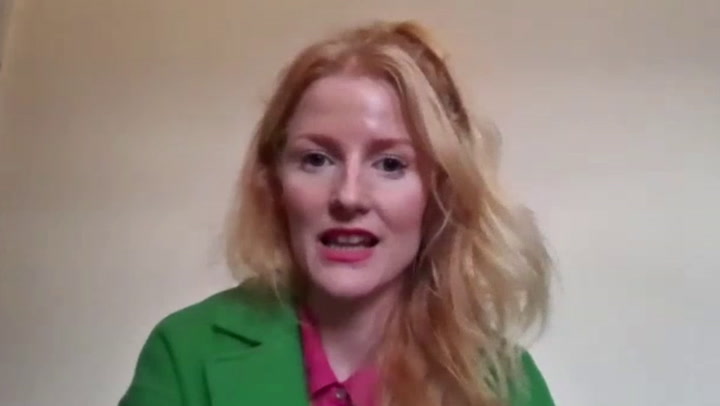
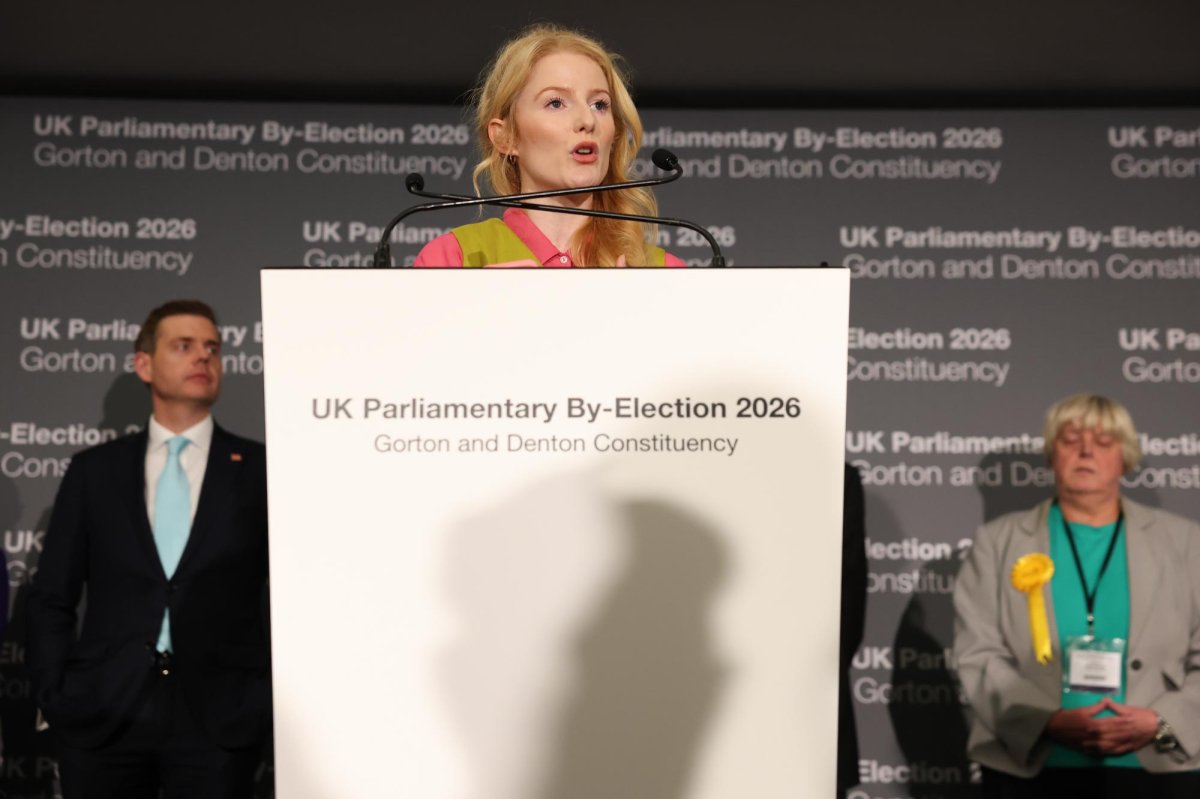
It wasn’t just the size of the win, or the fact that turnout was as high as it was in 2024. Nor was it expected – the Green party hadn’t even listed the seat among its top 100 targets. What really surprised people was the way they won it. By choosing a young plumber, Hannah Spencer, as its candidate, the party punctured the caricature of it as metropolitan radicals. Campaigning on affordability, she sounded like Labour before Labour lost its moral cadence. The result was a narrative success: proof that the Greens can reach ordinary voters, hold minority communities and speak Labour’s historic language – despite Sir Keir describing them as sectarian and extreme.