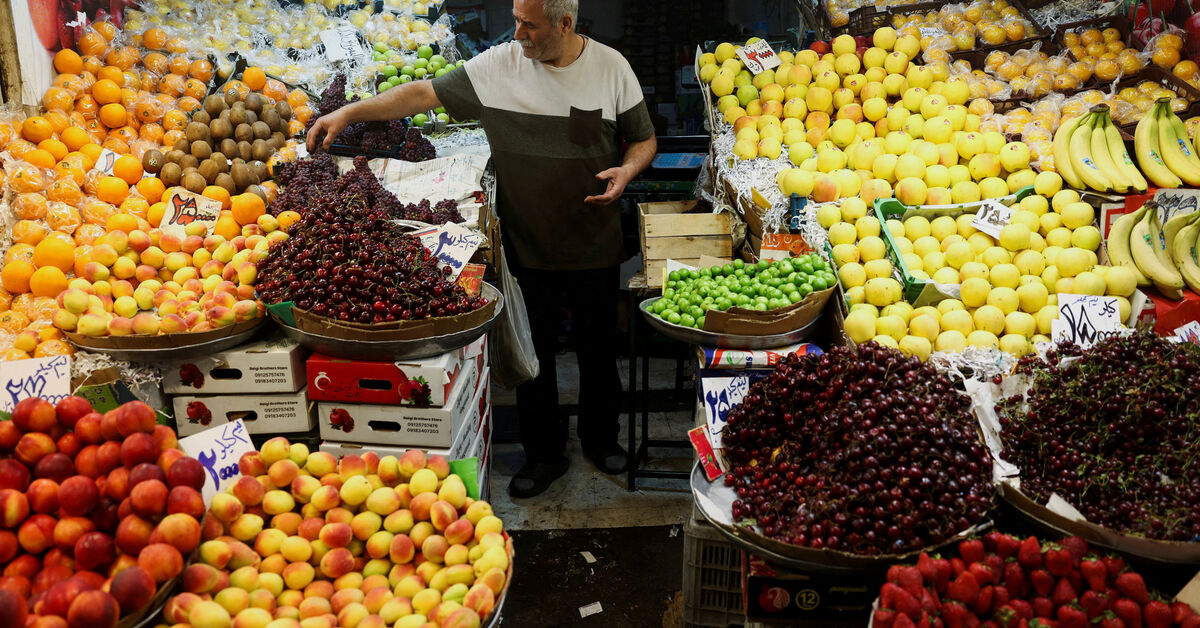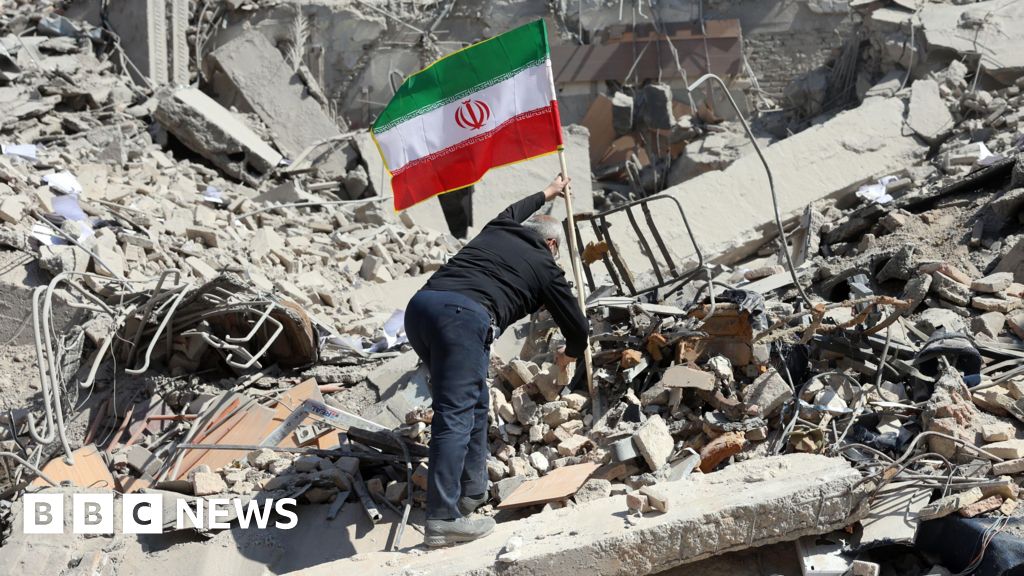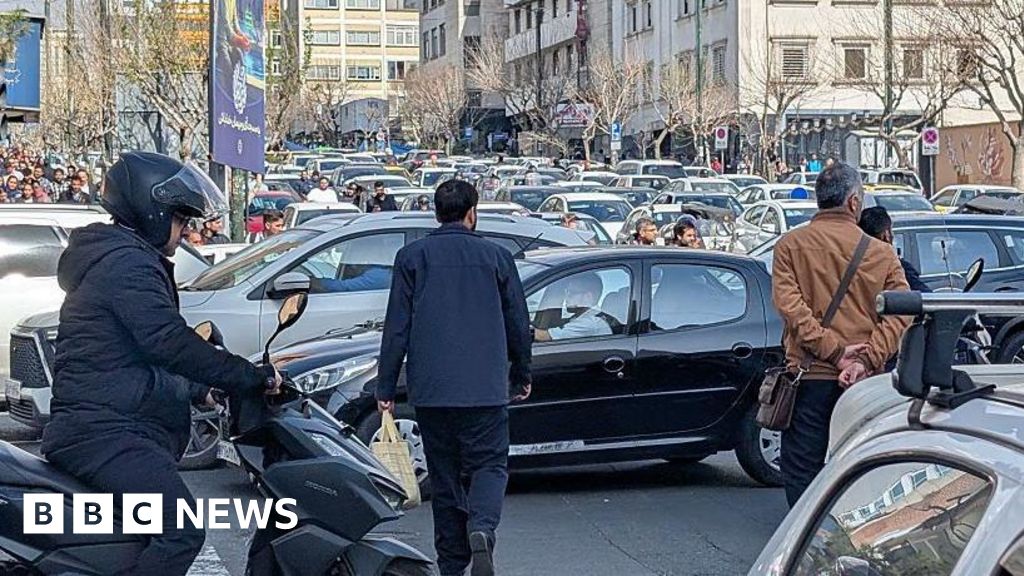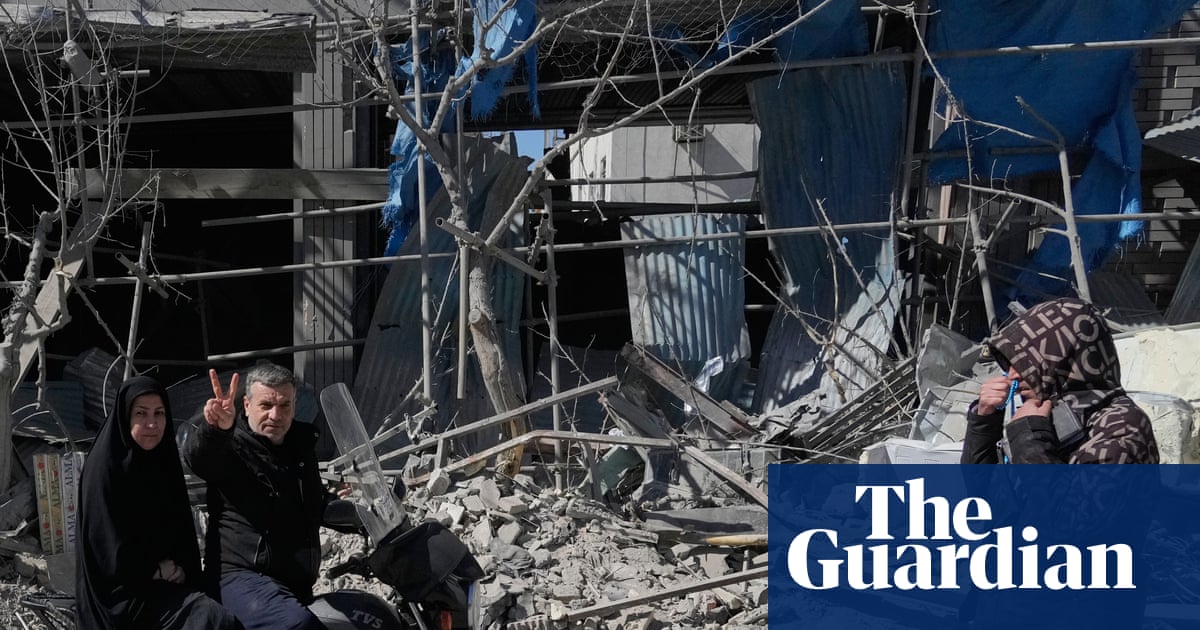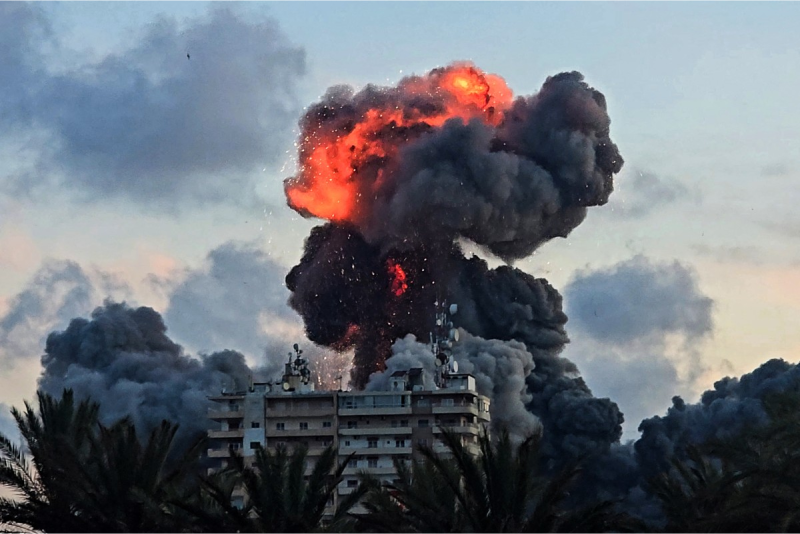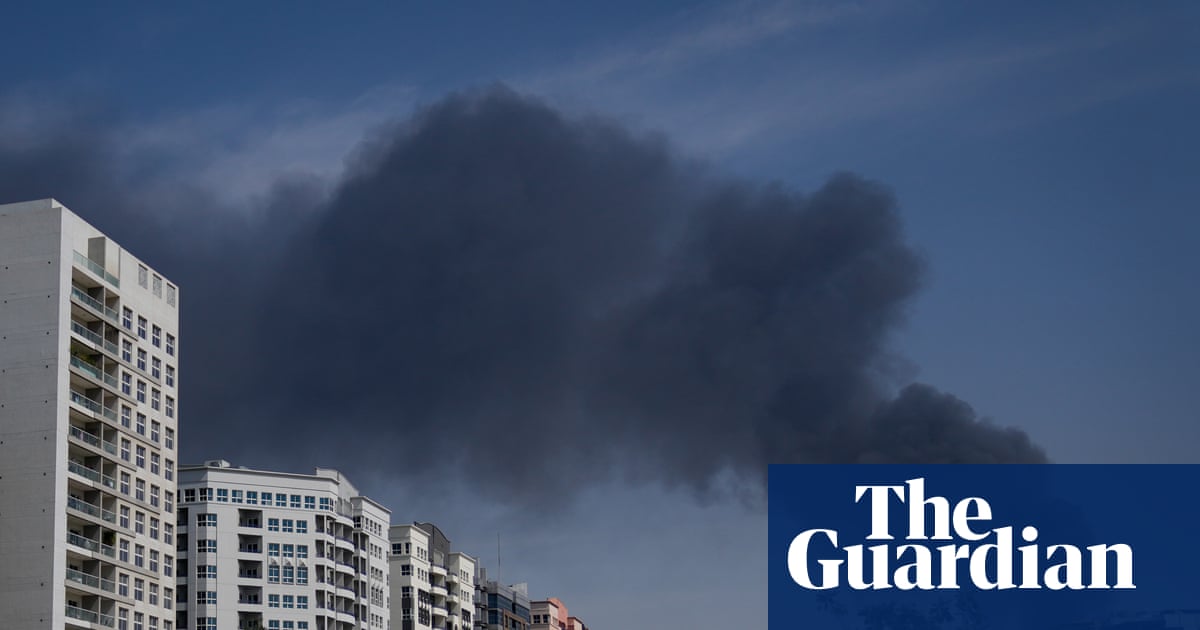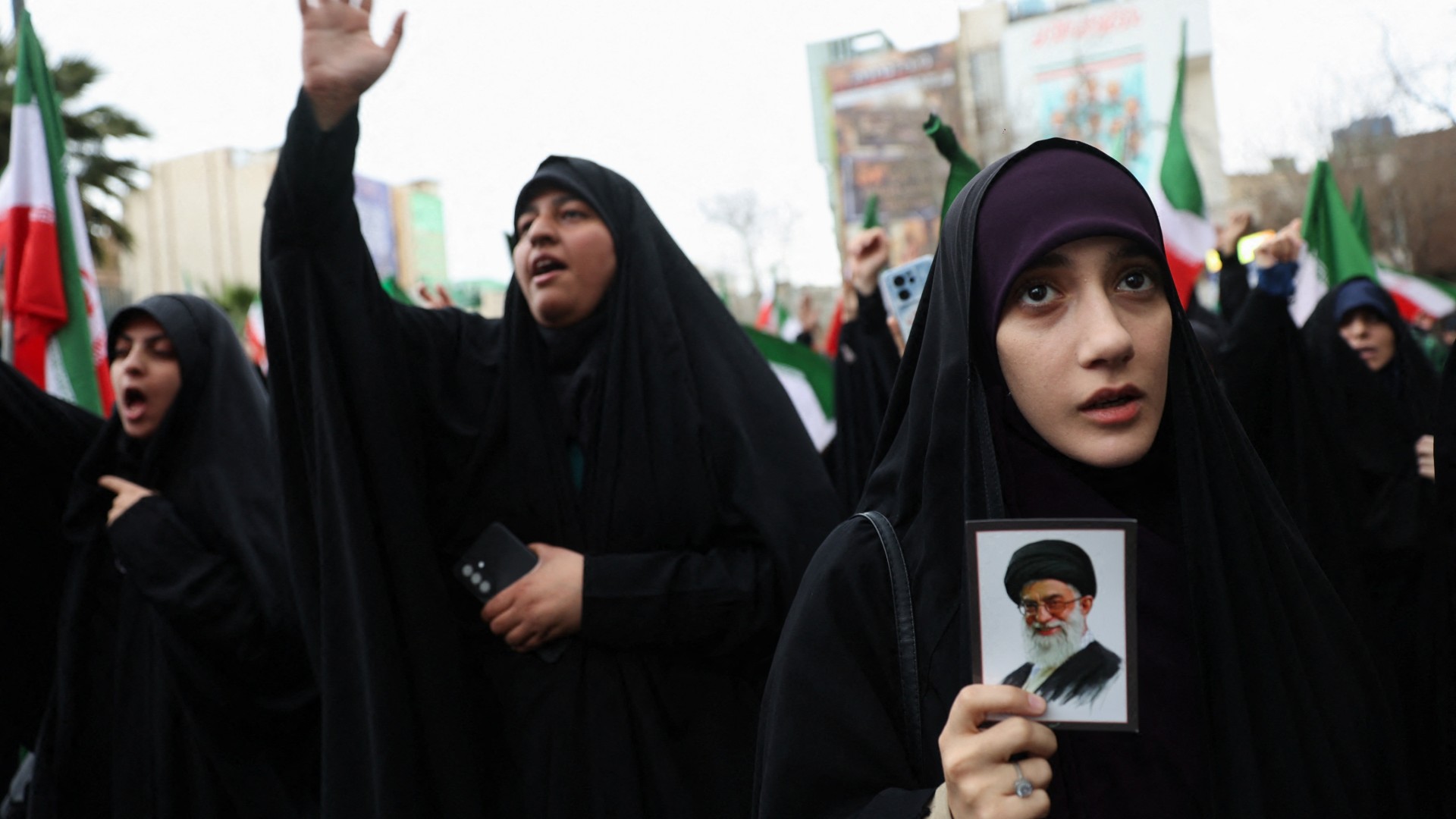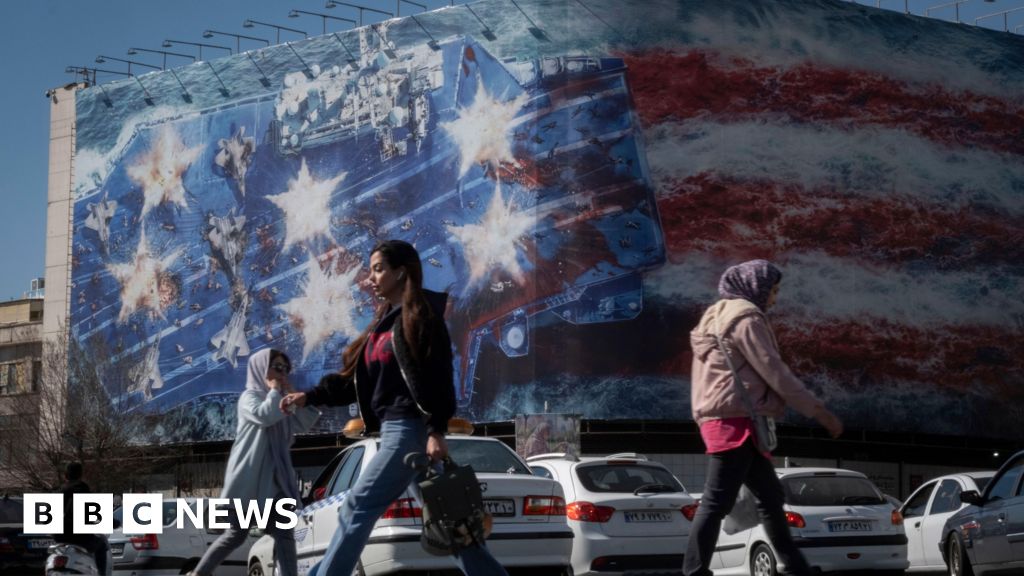
Across Iranian cities, many are living through sleepless nights and anxious days amid the continued speculation that the United States could be about to carry out military strikes.
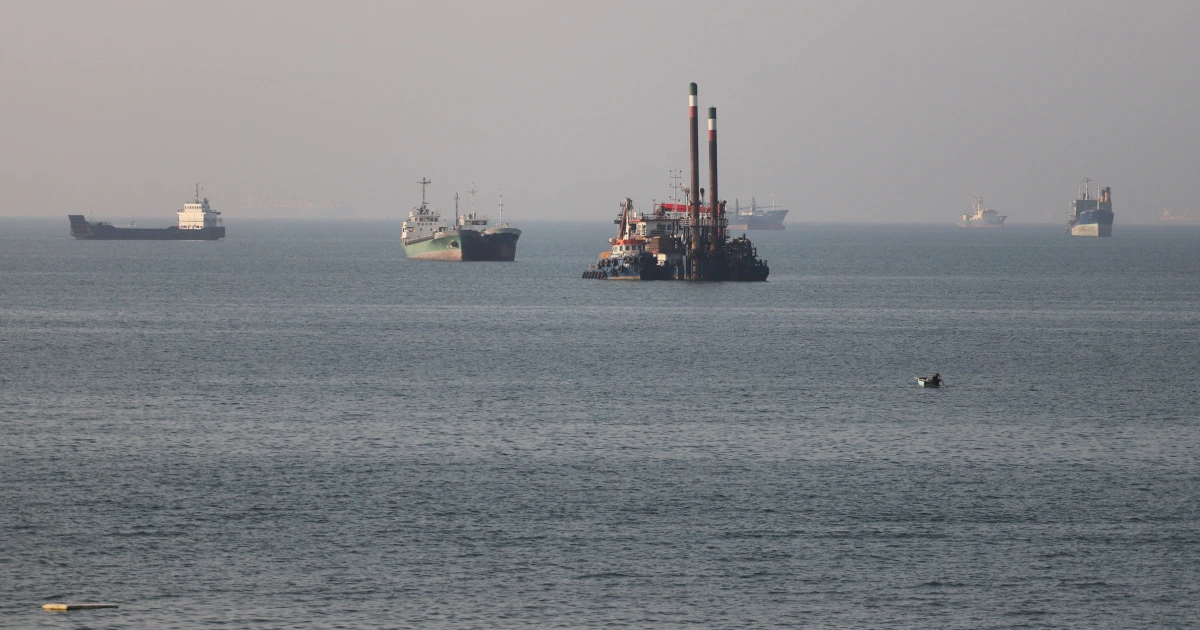
Some young people in particular are obsessively checking plane- and ship-tracking platforms - some fearful of external intervention, others quietly or openly hoping for it since the violent suppression of anti-establishment protests more than 50 days ago.
For many, hopes that outside pressure might shift the balance dimmed when US President Donald Trump - who previously encouraged demonstrators to "keep protesting" and promised that "help is on the way" - appeared to pivot toward diplomatic engagement instead.
The human toll of the unrest remains deeply contested. The US‑based human‑rights organisation HRANA reports 7,007 people killed, with thousands more cases still under investigation - far exceeding Iran's official figure of 3,117 and revealing the heavy opacity surrounding the crackdown.
UN experts, including the special rapporteur on human rights for Iran Mai Sato, stress that internet restrictions and widespread detentions make it "impossible to determine the true scale of the violent crackdown" at this stage.