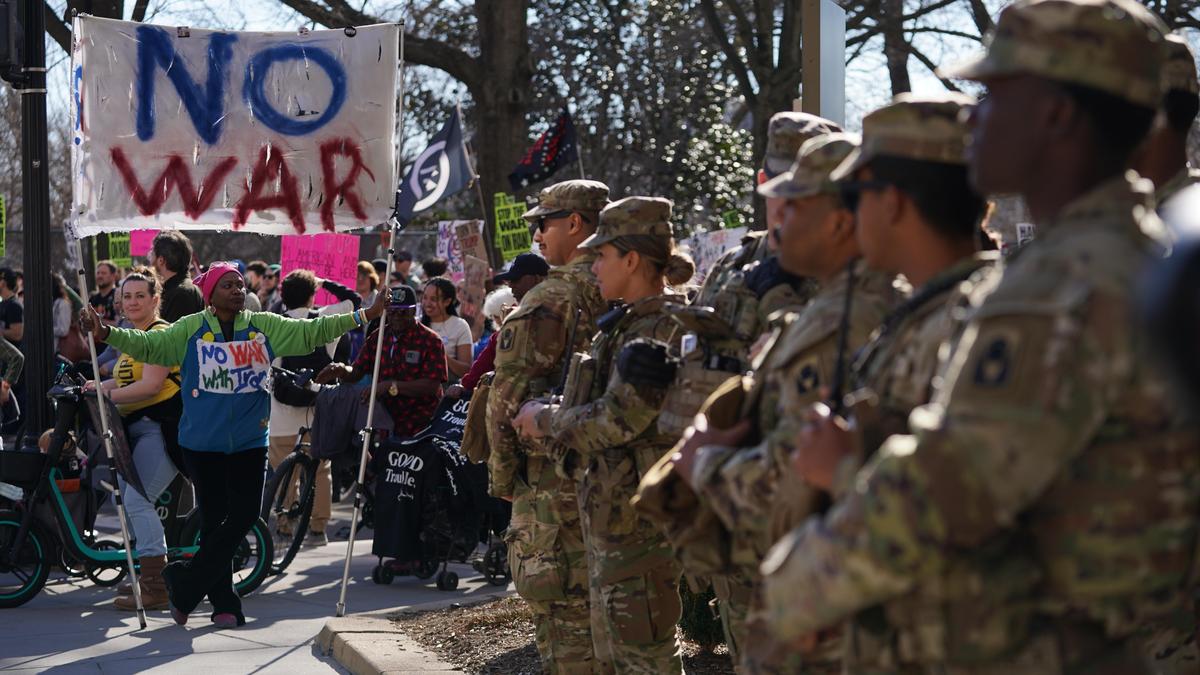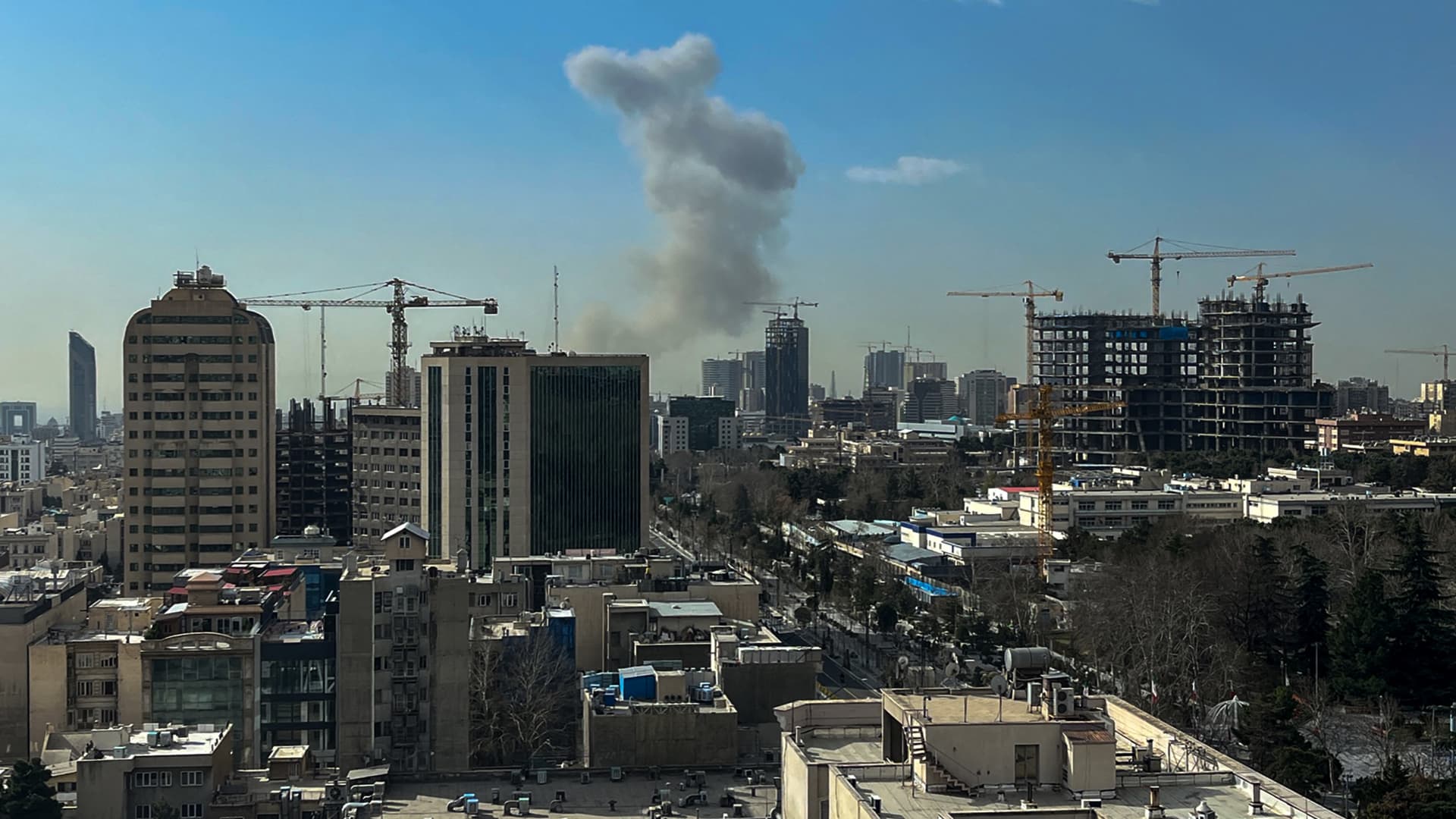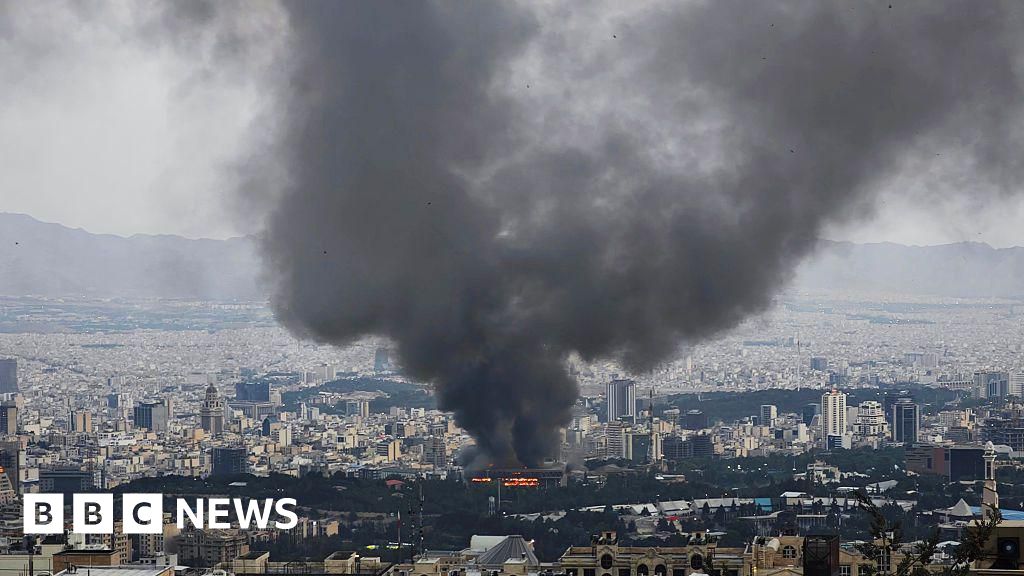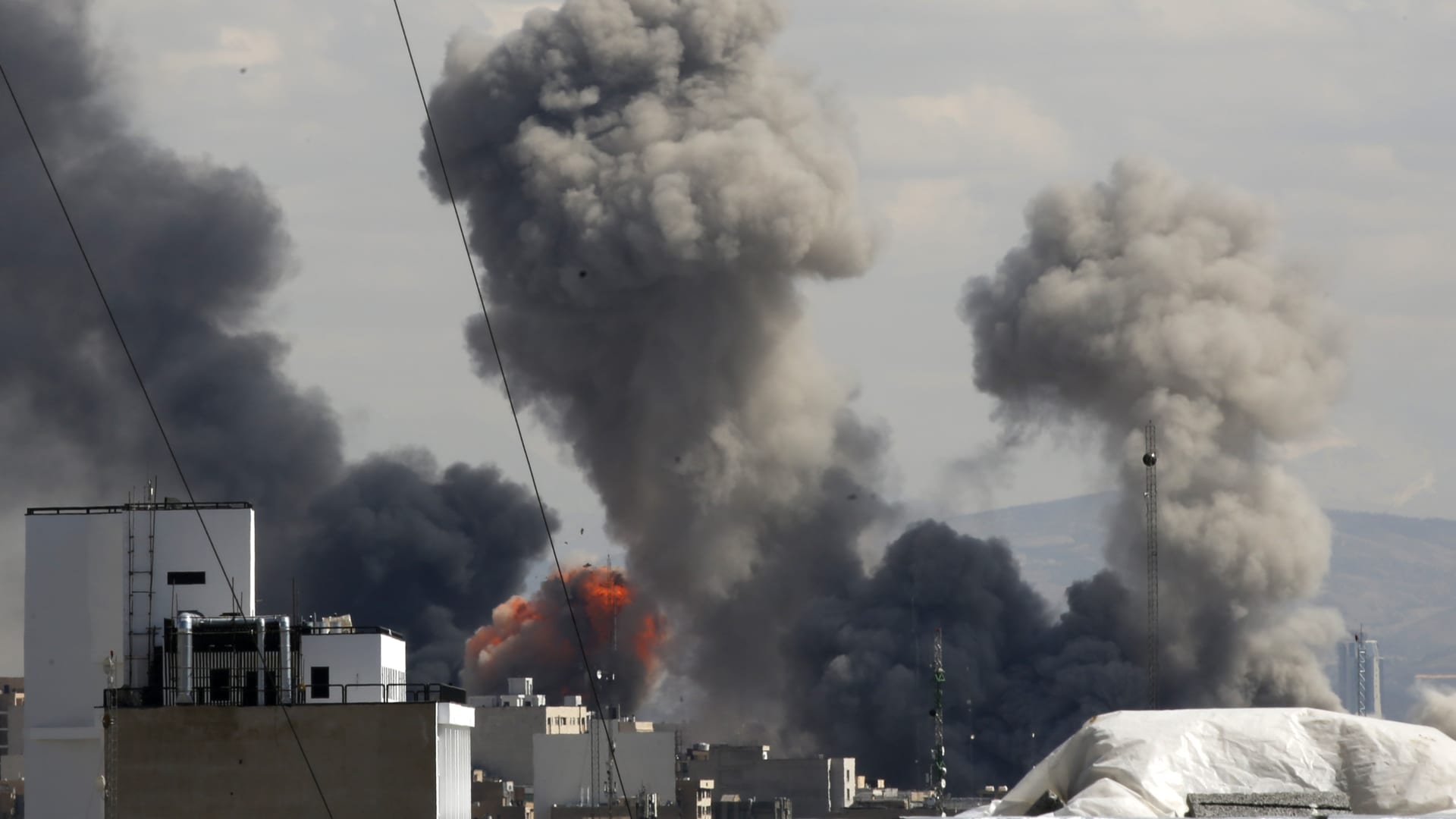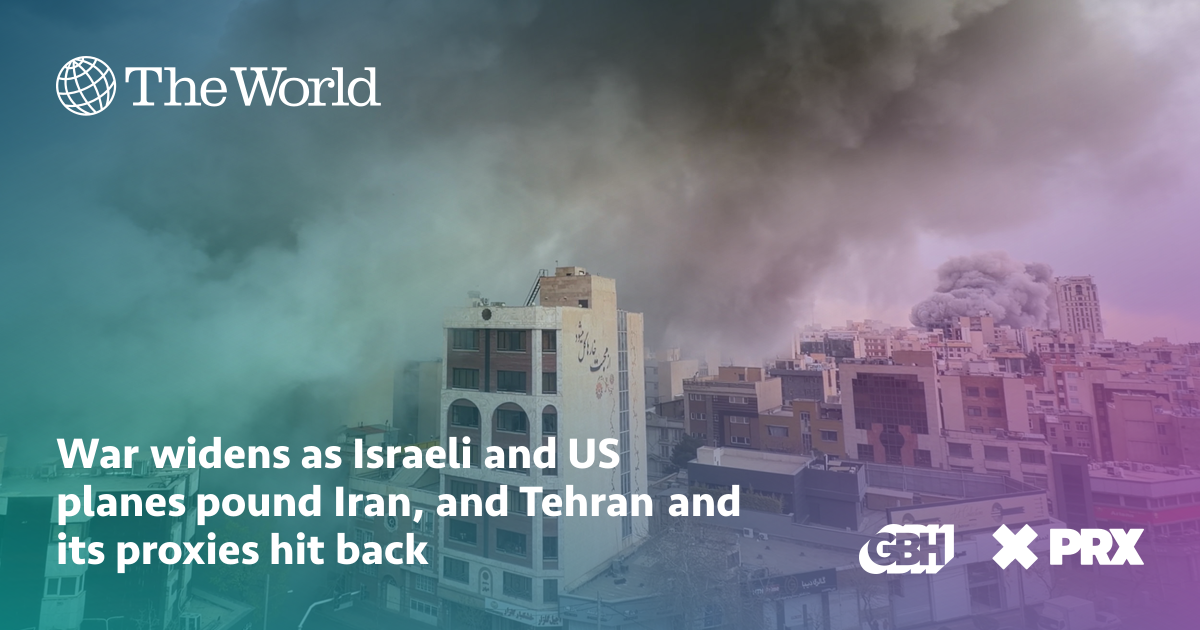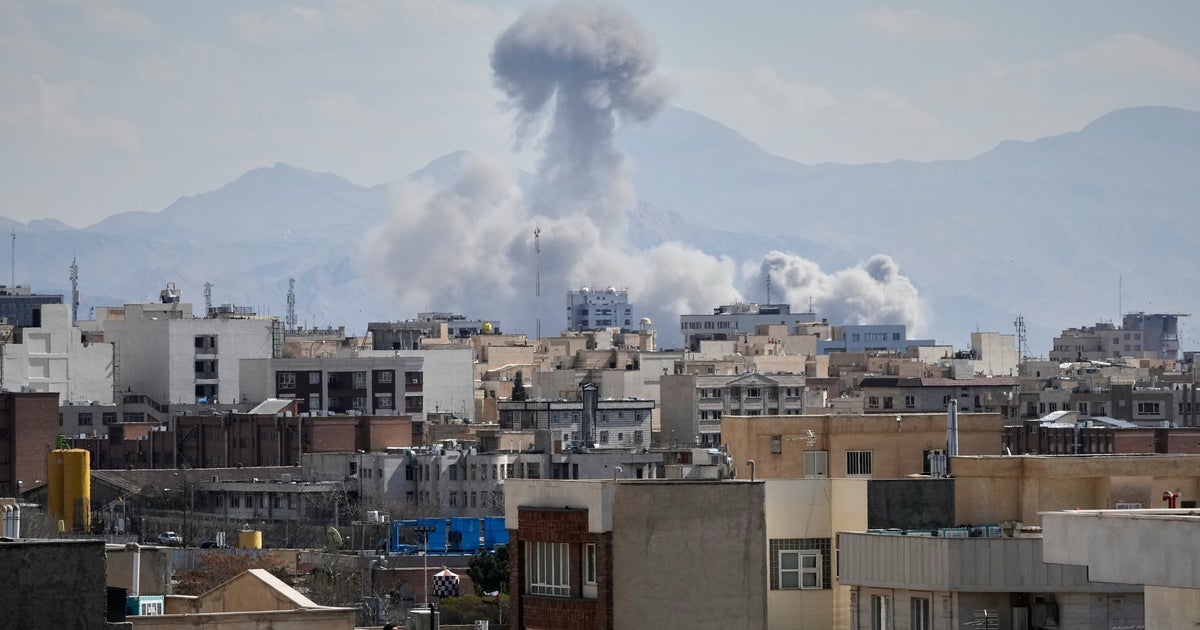
BRUSSELS (AP) — How long will it last? Will it grow? What will it mean to us — and to global security overall? Those questions echoed across the Middle East and the planet Saturday as world leaders reacted warily to U.S. and Israeli strikes on Iran that may have ended the life of Supreme Leader Ayatollah Ali Khamenei.
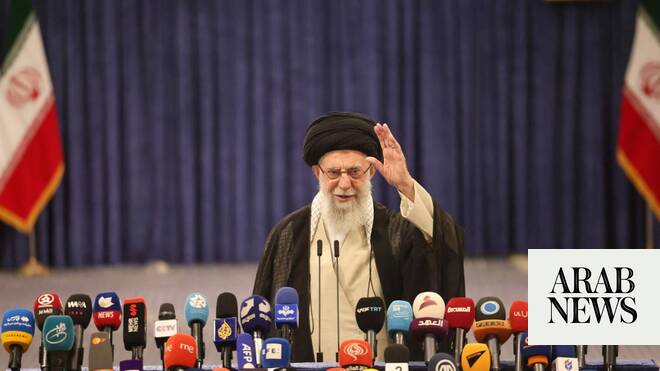
Israeli officials told The Associated Press on condition of anonymity that Khamenei was dead. And Israeli Prime Minister Benjamin Netanyahu, in a televised address, said there were “growing signs” that Khamenei had been killed when Israel struck his compound early Saturday.
Iran has not commented on Khamenei’s status. The death of the second leader of the Islamic Republic, who had no designated successor, would throw its future into uncertainty.
His death would also exacerbate already growing concerns of a broader conflict. The U.N. Security Council scheduled an emergency meeting.
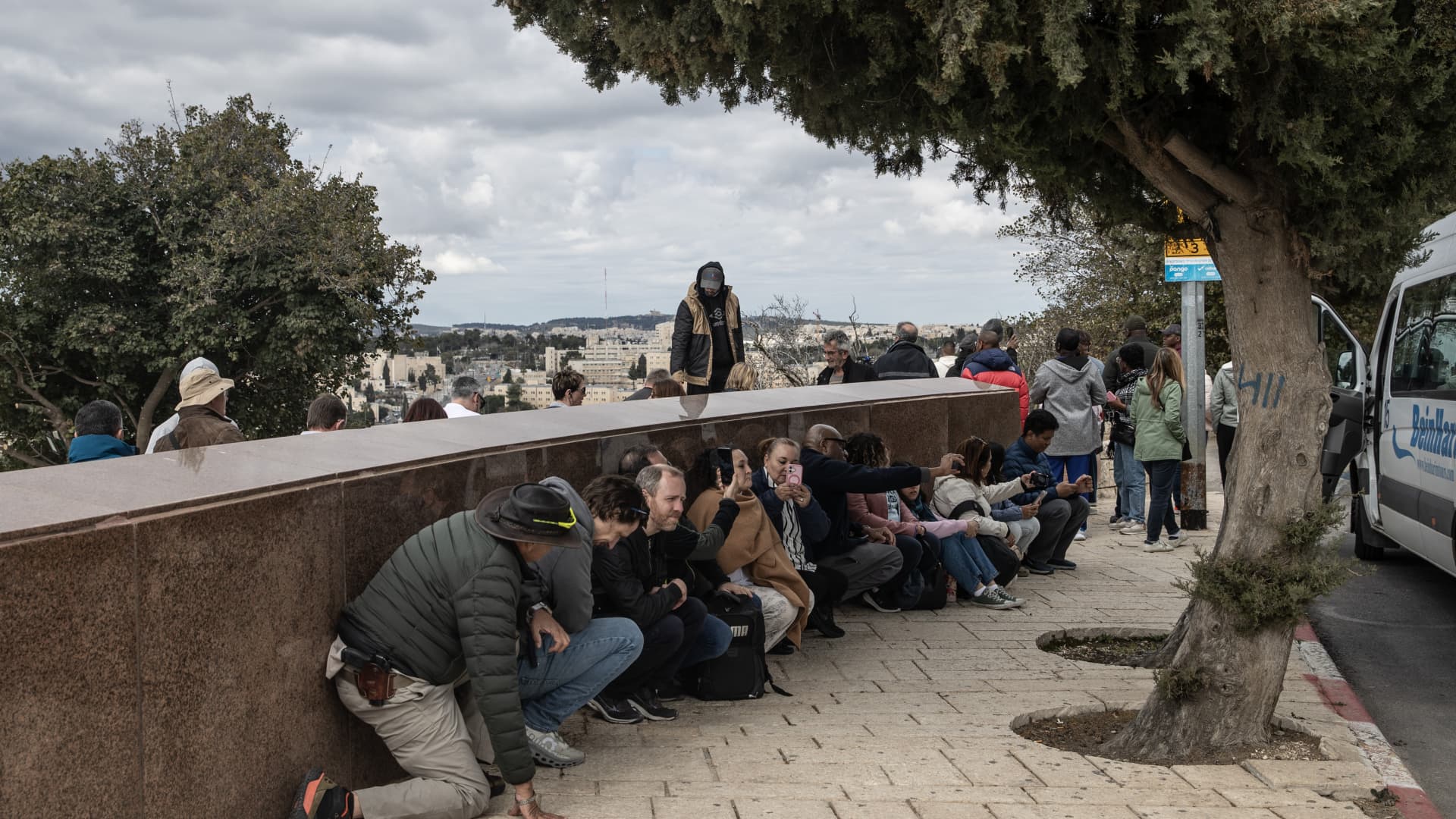
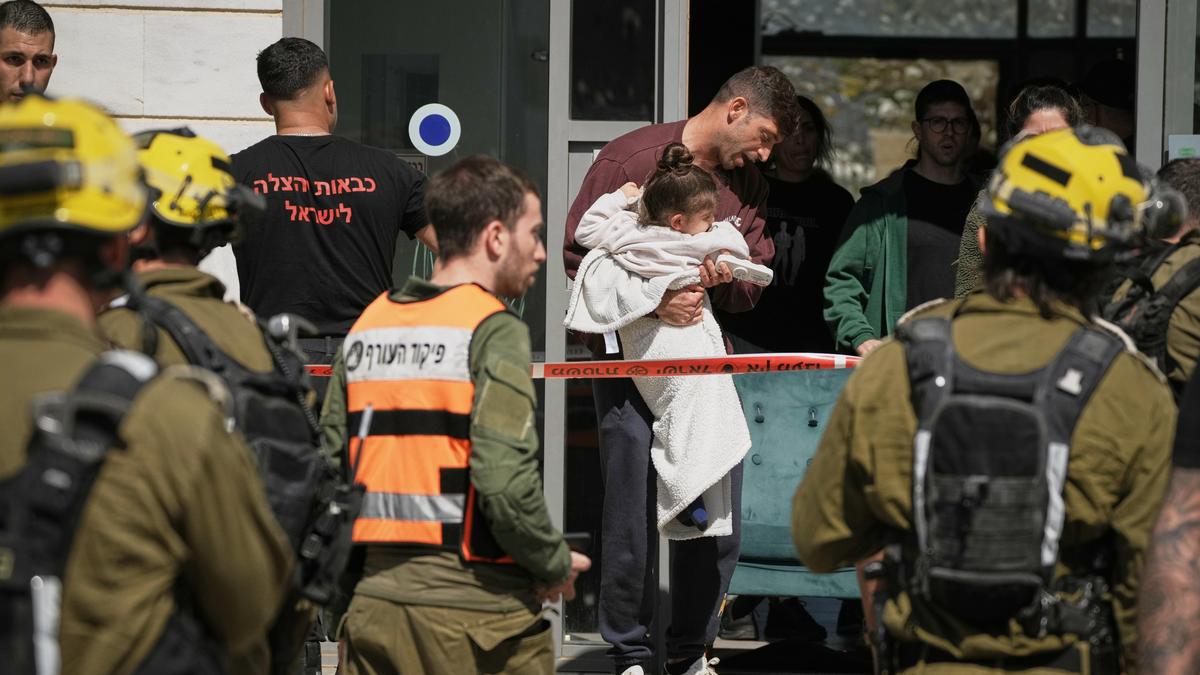
Perhaps cautious about upsetting already strained relations with U.S. President Donald Trump, many nations abstained from commenting directly or pointedly on the joint strikes but condemned Tehran’s retaliation. Similarly to Europeans, governments across the Middle East condemned Iran’s strikes on Arab neighbors while staying silent on the U.S. military action.