A sizeable exhibit in the Museum of the Revolution in Havana is dedicated to conditions in Cuba before the revolution took power in 1959. Inside the ornate former presidential palace, photographs and oral testimony detail the grinding poverty and ingrained corruption of the dictatorship of Cuba's then-military strongman, Fulgencio Batista.
The enduring image is of a woman in a dirt-floored palm-leaf hut cooking with firewood. Similar pictures appear in state museums across the island from the Bay of Pigs to Birán, the birthplace of the father of the Cuban Revolution, Fidel Castro. The inference is clear: the revolutionaries saved Cubans from the ignorance and hardship of life under a Washington-backed de facto leader and led them to dignity, education and true independence.
Yet today, Lisandra Botey identifies more with the impoverished woman in the photograph than with the revolutionaries who liberated her country from Batista.
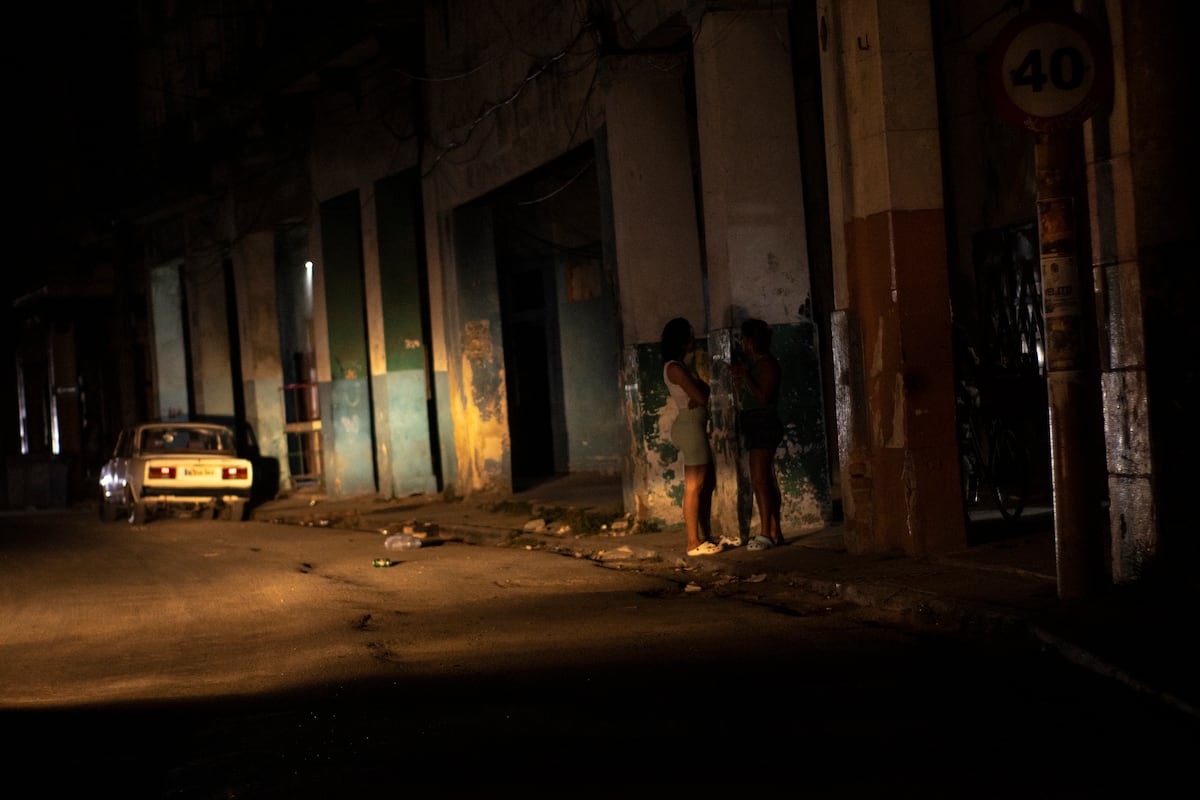
"We're living like that now, we're exactly like that", says housewife Lisandra outside her home in Havana, which is cobbled together with pieces of sheet metal and wood.
"Every morning, we have to go down to the beach [in Havana] and look for firewood. Then we bring it home to cook breakfast with – because if we get power, it comes on during school hours."