The story of Tamil Nadu’s post-Independence economic development stands out from those of many other States in the country. From the beginning, the political leadership, regardless of affiliation, has consciously followed policies that are aimed at ensuring an even distribution of development. In this respect, it has been aided by an active and self-effacing bureaucracy and a responsive industrial community.
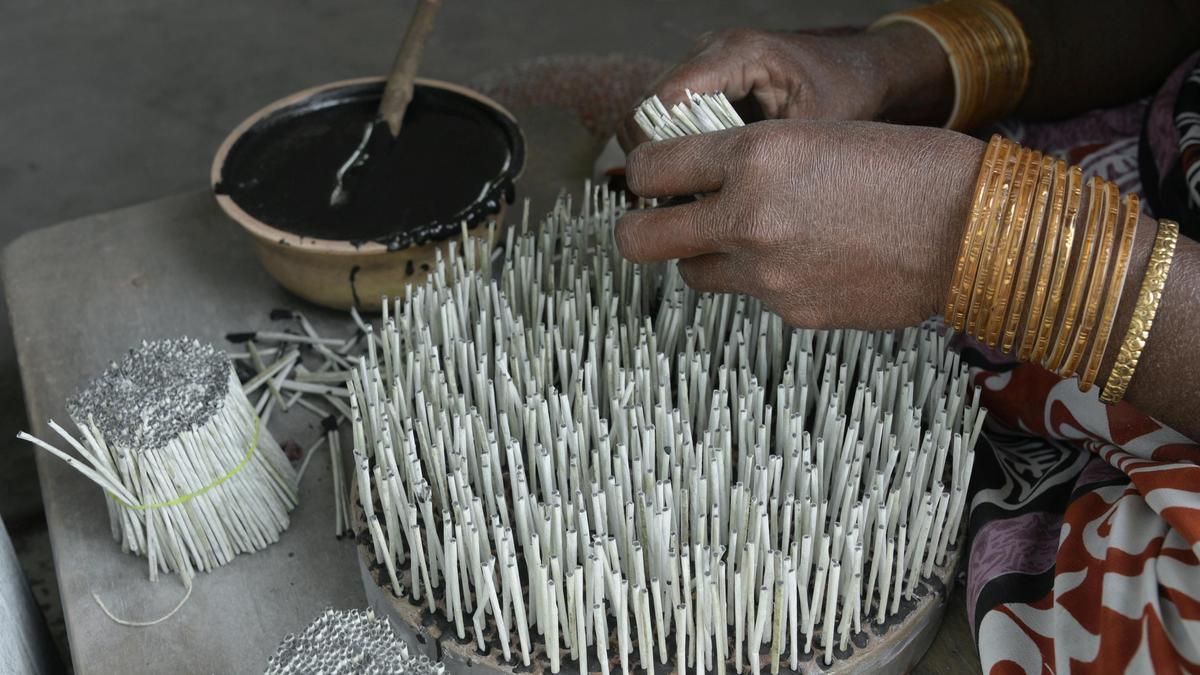
Unlike in other States such as Maharashtra and Karnataka, where economic activity is concentrated in a couple of cities, Tamil Nadu has been witnessing dispersed development. Besides Chennai, the State has other urban centres — Coimbatore, Madurai, Tiruppur, Tiruchi, Vellore, and Salem — contributing significantly to its economy and helping bridge the urban-rural divide. The spread of activity can be seen from the location of a host of spinning mills in the western district of Tiruppur (which accounted for 55% of the country’s knitwear exports to the tune of ₹30,690 crore in 2023-24, providing jobs to six lakh persons) to oil refineries and fertiliser production in the northern district of Tiruvallur. Calendar- and cracker-making units in the southern district of Virudhunagar, cement production in the central district of Perambalur, and beedi-making and mat-weaving in Tirunelveli are also a testament to this fact.