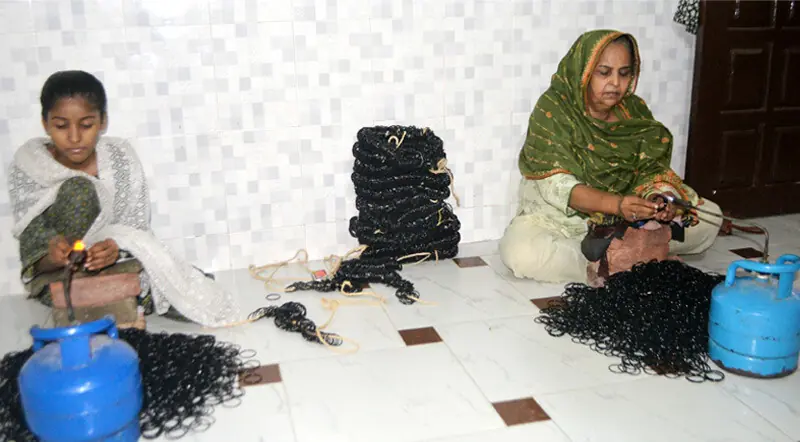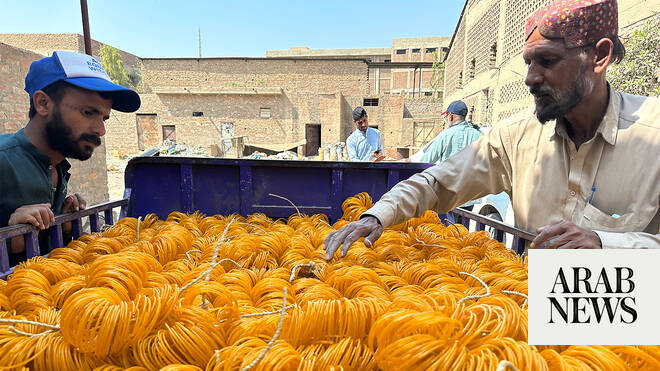
Hyderabad/Karachi: In a cramped room in Hyderabad’s historic Choori Gali, 50-year-old Farmida Khalid carefully joins the two open ends of a glass bangle over the flames of oil lamps, working alongside her children in sweltering heat to complete nearly 3,000 bangles a day.
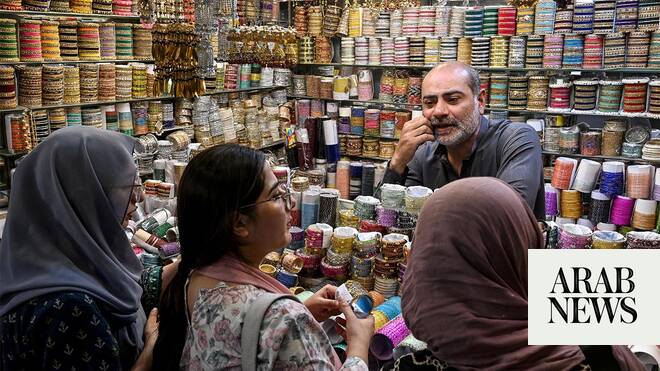
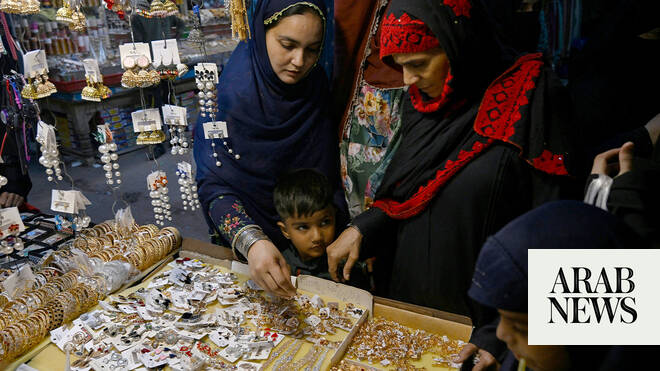
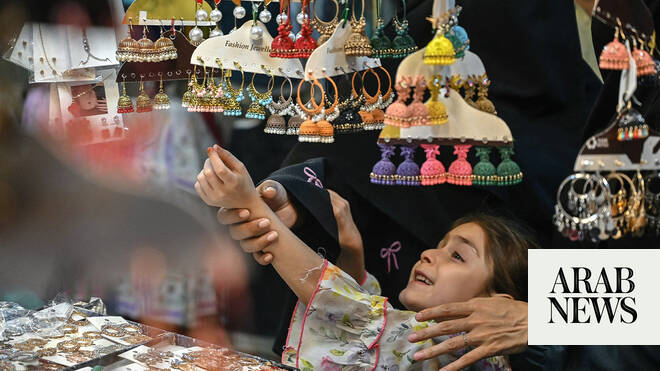
For generations, glass bangles have been a staple of festive shopping in Pakistan, with women buying brightly colored sets during the final days of Ramadan and ahead of the Eid Al-Fitr festival. Much of that demand is met by workshops in Hyderabad, the country’s largest glass bangle manufacturing hub.
But producers say the industry’s future is increasingly uncertain as soaring gas tariffs and rising taxes push up costs and squeeze both manufacturers and buyers.
Pakistan’s energy prices have risen sharply in recent years as the government withdrew subsidies under a $7 billion International Monetary Fund (IMF) stabilization program. Gas, the primary fuel used in bangle furnaces, has become significantly more expensive, raising production costs across the sector.
“Gas is the most important utility for bangle production, and its cost has become extremely high,” said Muhammad Saleem Khan, president of the Hyderabad Glass Bangle Manufacturers Association (HGBMA).