Dutch novelist, poet and travel writer who reported on the Hungarian revolution and the fall of the Berlin Wall
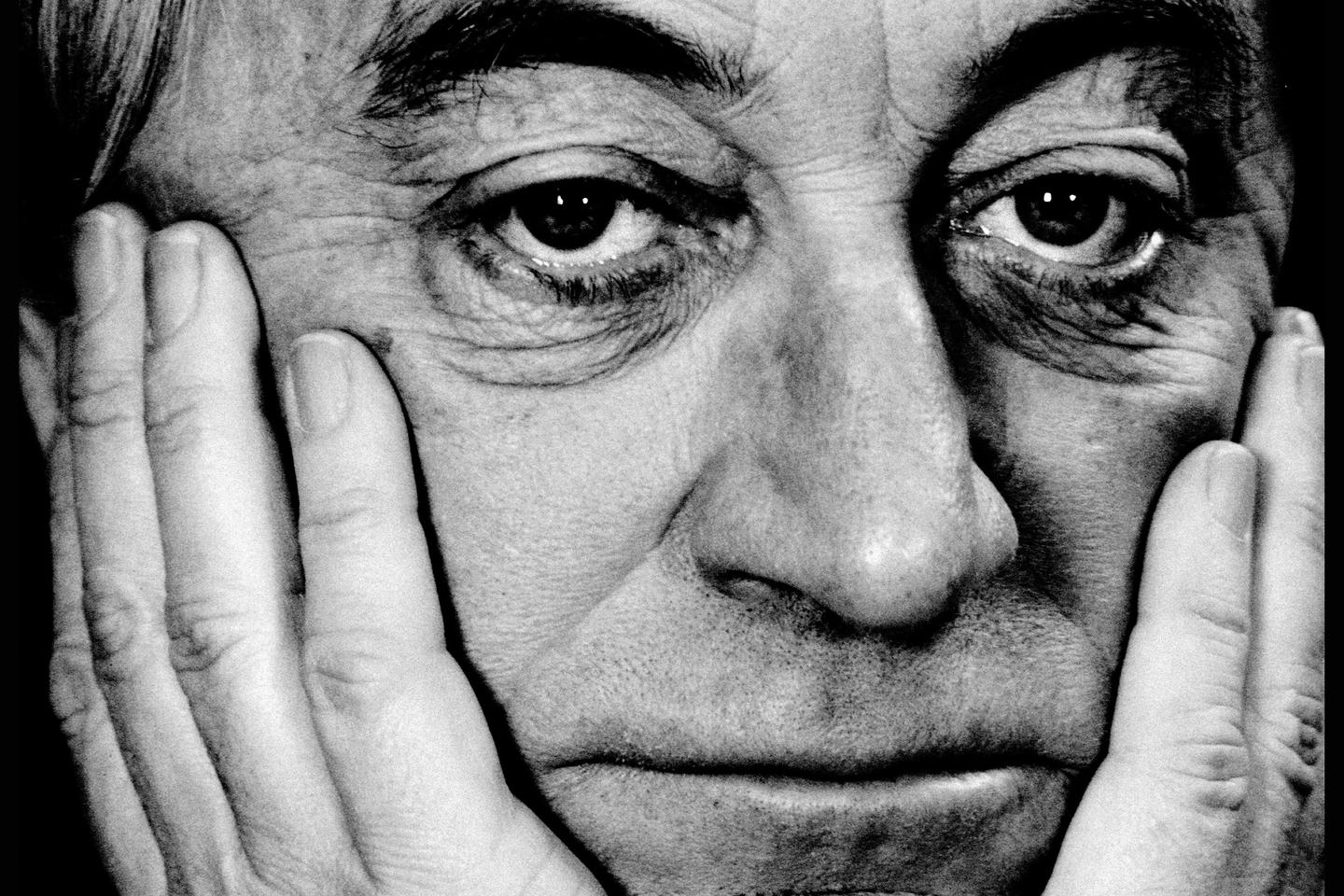
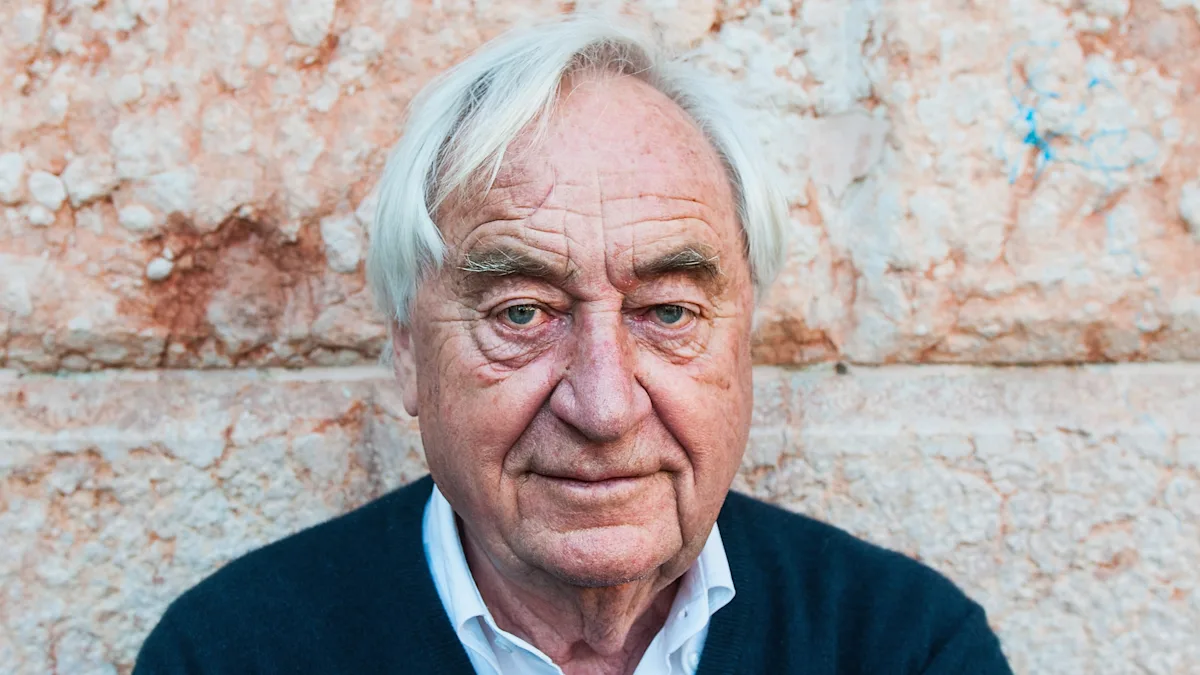
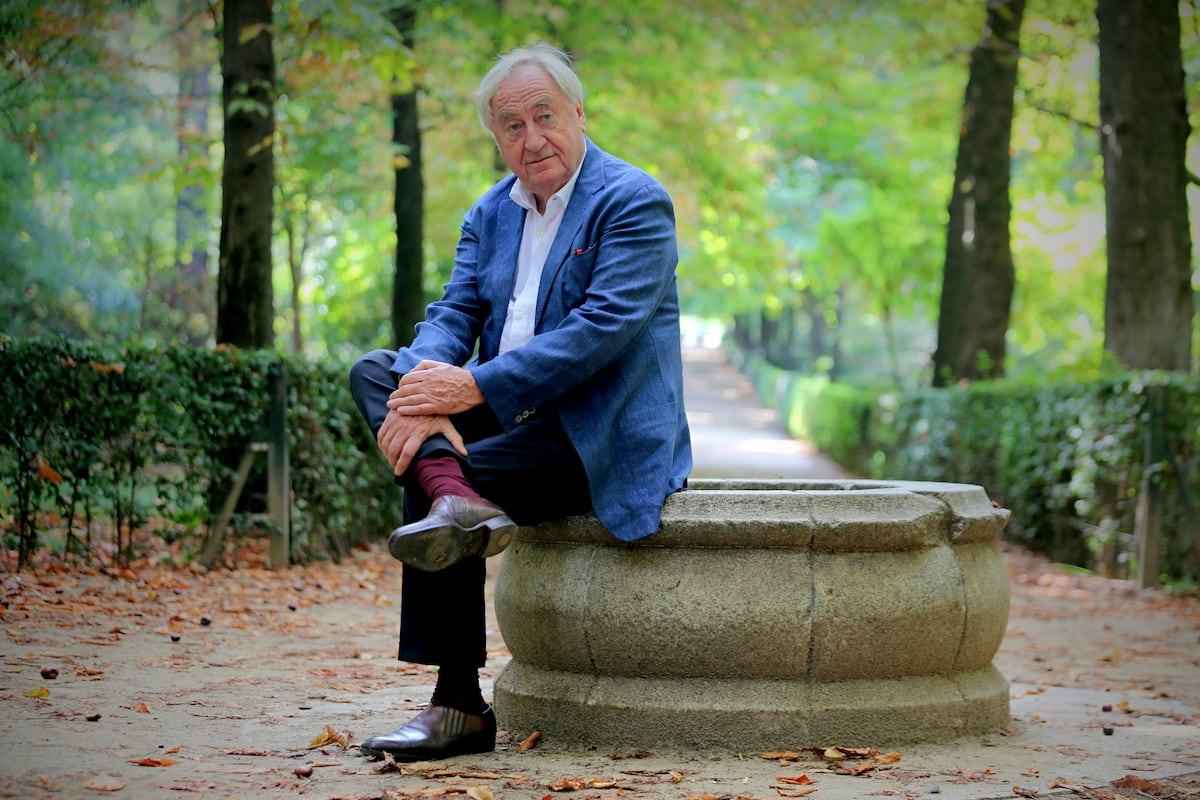
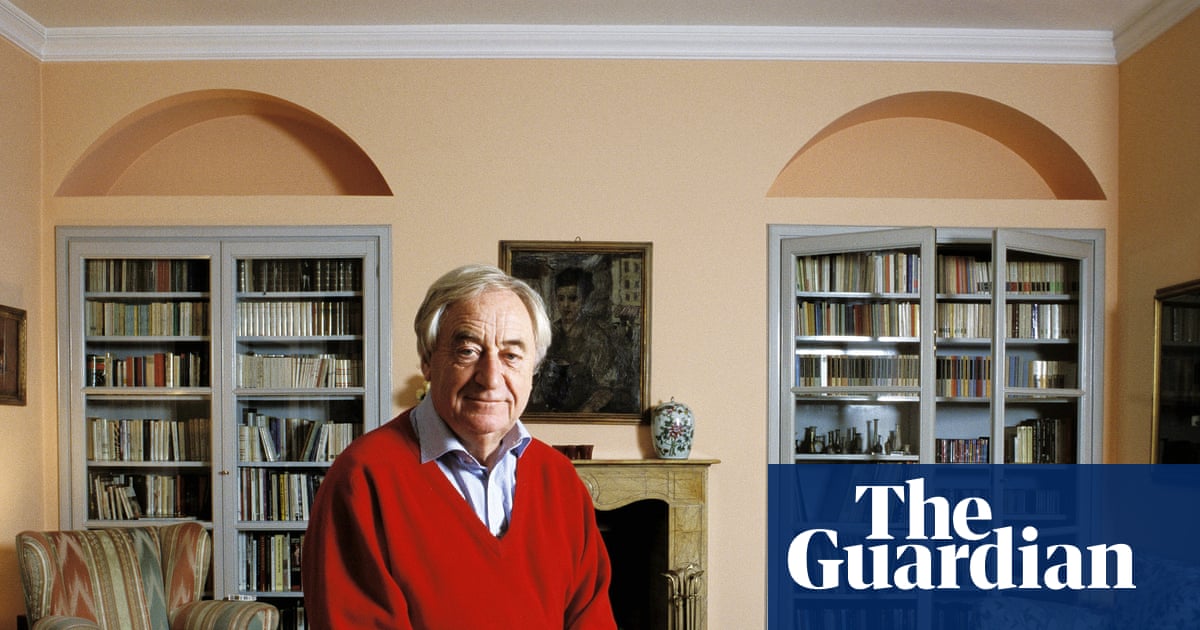
The Dutch writer Cees Nooteboom, who has died aged 92, looked and wrote in his later years like an epitome of the suave and cosmopolitan man of letters. A devoted European, he lived in an elegant 1731 merchant’s house in Amsterdam, but spent every summer on the island of Menorca. Nooteboom published almost 60 books: fiction, poetry and travel writing. Stylish, erudite and reflective, they brought him a shelf of major awards including, in 2009, a career-crowning lifetime honour for Dutch-language writers: the Prijs der Nederlandse Letteren.
Yet he remained, as he put it in his 2016 work 533: A Book of Days, “a child of the war, and after that the cold war”. In 1940, he had watched from his family’s apartment in The Hague as nearby Rotterdam burned in air raids. In early 1945, misdirected RAF bombs killed his father during the “hunger winter” in which more than 20,000 people died of starvation in the Netherlands. Nooteboom built his urbanity, and seeming serenity, amid ruin and trauma. “I have not remembered chaos,” he said. “I found my way out of all that in my books.”
Born in The Hague, Nooteboom moved eight times during early childhood as his parents, Hubertus Nooteboom, a businessman, and Johanna Pessers, separated and remarried. The family name means “nut-tree”: hard outside, tasty within, Cees quipped. His Catholic stepfather sent him to severe schools run by Franciscan and Augustinian monks. He rebelled but cherished the Latin and Greek literature they taught him. In the Hilversum bank where he worked after leaving school he secretly read William Faulkner in his cubicle, but the travel bug soon bit hard.