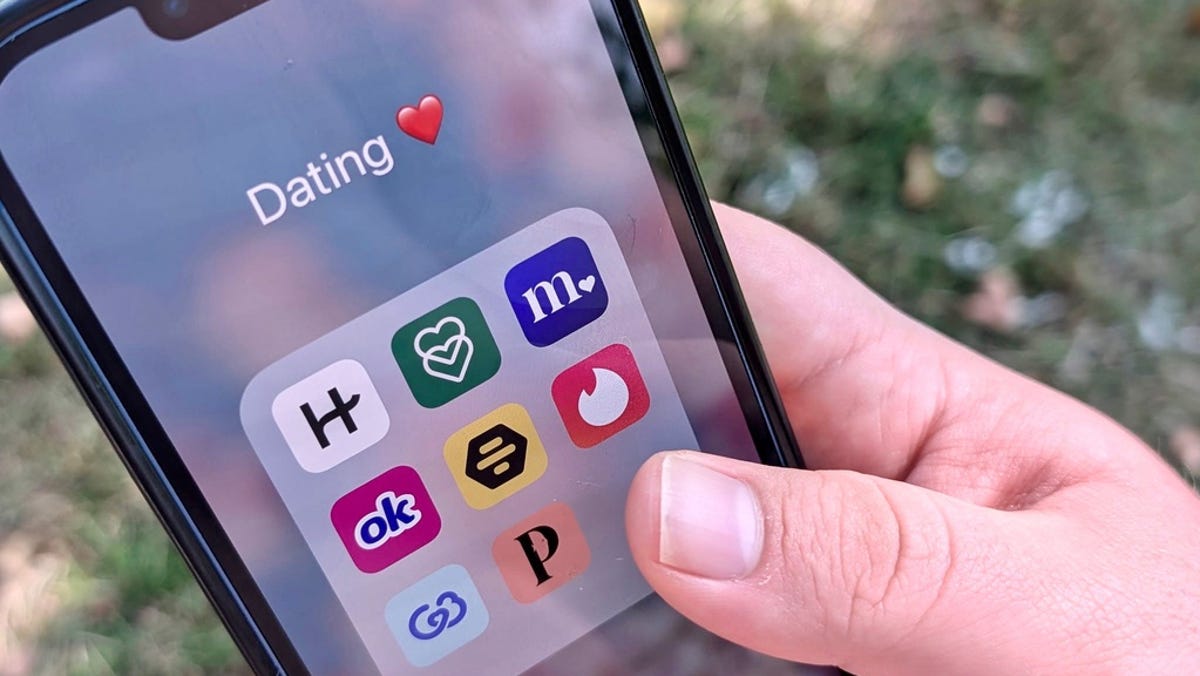
Last year, I was briefly convinced I had found “the one.” The funny part? I didn’t even really believe in “the one.” I wasn’t the type to dream about weddings or obsess over soulmates. This wasn’t a case of “freak matching” or “grim keeping.”And yet, this person kept talking about our future: mentioning their friends’ upcoming weddings, how much their family would love me and trips we’d take together.I fell for it. Hard. As you’ve probably guessed, it didn’t last. They panicked, claimed we were moving too fast, and ended things.Months later, it became clear what had happened: a classic case of “future faking.” The term describes when someone uses the promise of a shared future to create immediate emotional intimacy, without any genuine intention of following through. It’s a manipulative pattern that leaves the other person heartbroken, confused, and doubting their own perception of the relationship.Westend61 via Getty ImagesIt can be deeply unmooring to have a would-be partner go from imagining a future with you to "we're moving too fast" in a matter of weeks. “Future faking” is surprisingly common, and in many ways even sneakier than gaslighting. Unlike overt lies or obvious manipulation, it preys on hope and desire. People are drawn in by the vision of a life together, only to realize that the promises were never meant to be kept. Experts warn that this phenomenon can leave long-lasting emotional and physiological effects, making it one of the trickiest forms of relational deception to spot and recover from.How ‘future faking’ gets your hopes up.“‘Future faking’ is when someone uses the idea of a shared future to secure immediate emotional intimacy,” as Lydia Mae, Breakup Coach and Reiki Master, told HuffPost. “They’ll often talk about holidays, moving in, marriage, babies, and all kinds of ‘one day’ scenarios — but their present behavior doesn’t align with those visions. In essence, it’s a promise of potential with no genuine intention behind it.”It’s planning ahead for the two of you, without any weight behind their words. They’ll gush about how much their mom will love you — yet you never get invited home. They’ll rave about the holiday you’re “totally going to take together,” but months pass, and no tickets are booked. They’re faking an entire future with you.However, Mae offers an important clarification: “It’s not always malicious. Sometimes it’s driven by emotional immaturity or a fear of abandonment.”Robyn Exton, founder of queer dating app HER, agrees. She adds that “future faking” is especially common in queer dating. “It’s not malicious; it’s just that the hope didn’t pan out.”“We tend to project our desires onto new connections because we want that ‘happily ever after’ so badly,” Exton continued. “Someone might genuinely believe in the moment that they want to take you to Paris next summer, but as reality sets in, the follow-through drops. It’s rarely bad intention, more an overflow of aspiration that couldn’t survive the reality of the relationship.”Why ‘future faking’ hurts so badly.Intentional or not, malicious or misunderstood, “future faking” really hurts. Sure, I’m biased — but I’m not the only one. Malvika Padin experienced “future faking” in her first-ever relationship.“Given my own inexperience in relationships and the fact my ex-partner was in a fairly public-facing profession, the promise was always: ‘I will tell people about us, as soon as this one important work thing I need to do gets wrapped up.’ But that one thing always ended up turning into one more thing, and so on,” Padin said.“Whether parents, friends or anyone else, for three years, it was always a struggle to actually be seen as part of his life. I had to fight for it,” Padin continued.Seeing no real intimacy come out of your investment in a relationship can understandably cut pretty deep — and in the worst situations it can make you feel a bit gaslit by the whole affair after being, essentially, love bombed relentlessly.“‘Future faking’ creates false hope, which can bond people more deeply than reality ever does,” explains Mae. “It can trigger abandonment wounds, self-doubt, and a loss of confidence in your intuition. People often blame themselves, thinking they’ve imagined it, but the truth is that this vision of their future was actively fed to them.”“The heartbreak affects us both emotionally and physiologically,” she continued. “Your nervous system has to recalibrate in real time from the sudden shift between the reality promised and the reality delivered. This can cause a dopamine dip: the high of the fantasy quickly replaced by the low of disappointment and endless ‘what ifs.’ People don’t just mourn the person after ‘future faking’ — they mourn the life that was sold to them, and the chemical impact that those words had on their nervous system.”How should you react to ‘future faking’ when you’re dating someone?So you are me a year ago, or yourself in your last “future faking” situation. What do you do about it? How do you spot it, and more importantly, protect yourself?Lydia Mae had some pro tips:Check for congruence. Do their actions match their words? Are their stories backed up by how they actually show up for you in the present?Tune into your body. “Future faking” often comes with a rush of excitement; that elated-but-slightly-anxious feeling is a red flag. Ask yourself whether you’re connecting to the person or the fantasy they’re selling. Regulating your nervous system can help you see the pattern more clearly.Ask grounded questions. Calmly probe: “That sounds nice, how do you see us getting there?” or “That sounds lovely, let’s see how things between us unfold.” Simple, honest questions can reveal intent.Avoid overinvesting in “one day” talk. If promises aren’t backed by action, don’t let yourself get swept away emotionally.Slow down. “Future fakers” often push for a fast emotional pace. You don’t have to match their intensity; give yourself permission to take things at your own speed.Stay present. When you catch yourself daydreaming about “what could be,” gently bring yourself back and ask: “What do I know is true right now?”Being aware, grounded and intentional doesn’t just protect your heart, it gives you clarity, confidence and the power to step away from the fantasy before it hurts you.How soon should you start making plans for the future together?Despite my experiences with “future faking,” I still find it hard not to get excited about the future with someone. I’m far more cautious than I used to be, and sometimes I even find myself suspicious of people who are genuinely trying to make plans with me. So how do we avoid “future faking” while still forming an optimistic relationship?“It’s OK to dream together early on — that’s part of the fun of falling in love,” reassures Exton. “But concrete plans involving money, travel or living situations should only be made once you feel stable in the relationship. If the plans are being used to fast-forward intimacy to a place that hasn’t been earned yet, take a step back. Ground yourself in how the relationship feels in the present before investing too heavily in the future.”
‘Future Faking’ Is The Manipulative Dating Trend Replacing Gaslighting — And It’s Everywhere
Unlike overt lies or obvious manipulation, "future faking" preys on hope and desire.
1,171 words~5 min read