Two Olympic finals between Canada and the US were settled by sudden death. The format made the showpieces feel more like a coin toss than a climax
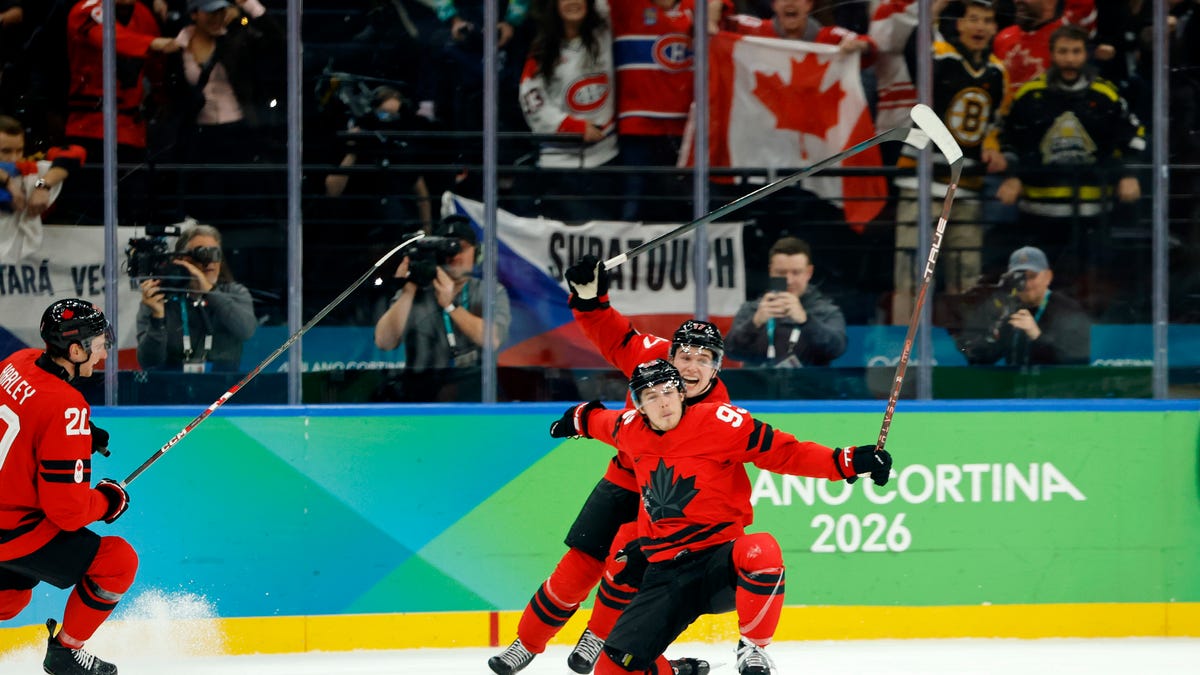
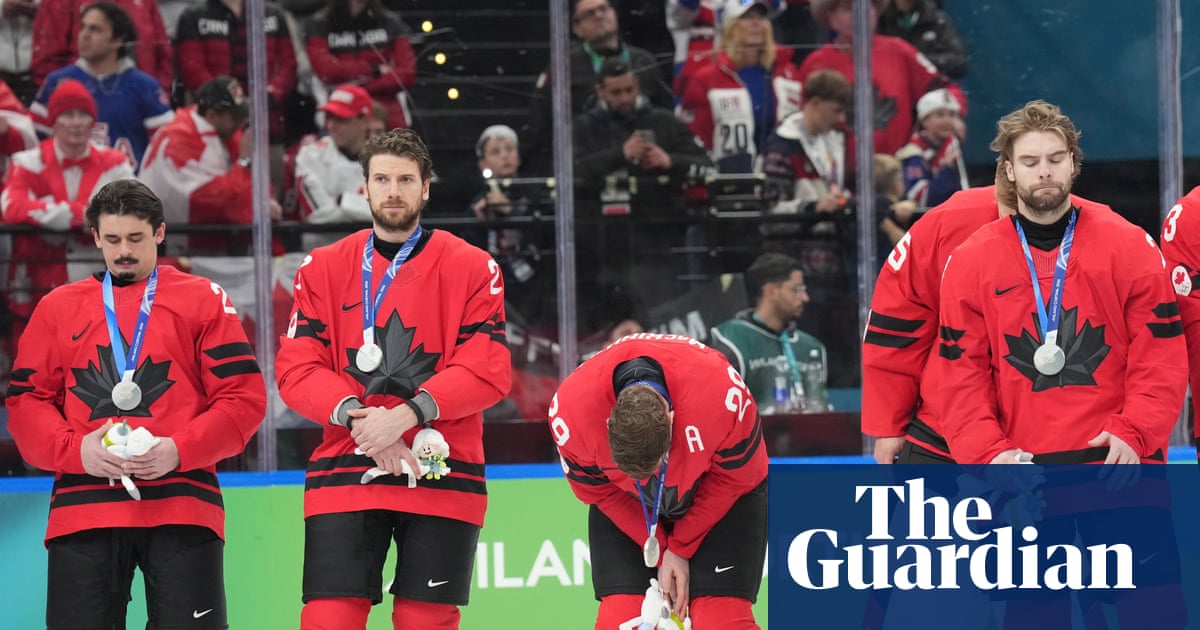
Two Olympic finals against the US, two strong performances, two sudden-death losses. Canada is so over overtime.
While all good things must come to an end, it’s hard to fathom why hockey’s international rule-makers think that the very best things – huge clashes that were some of the hottest tickets of the entire Olympics – should be ended using three-on-three golden-goal overtime, a concept beloved only by people with a train to catch or firm dinner reservations.
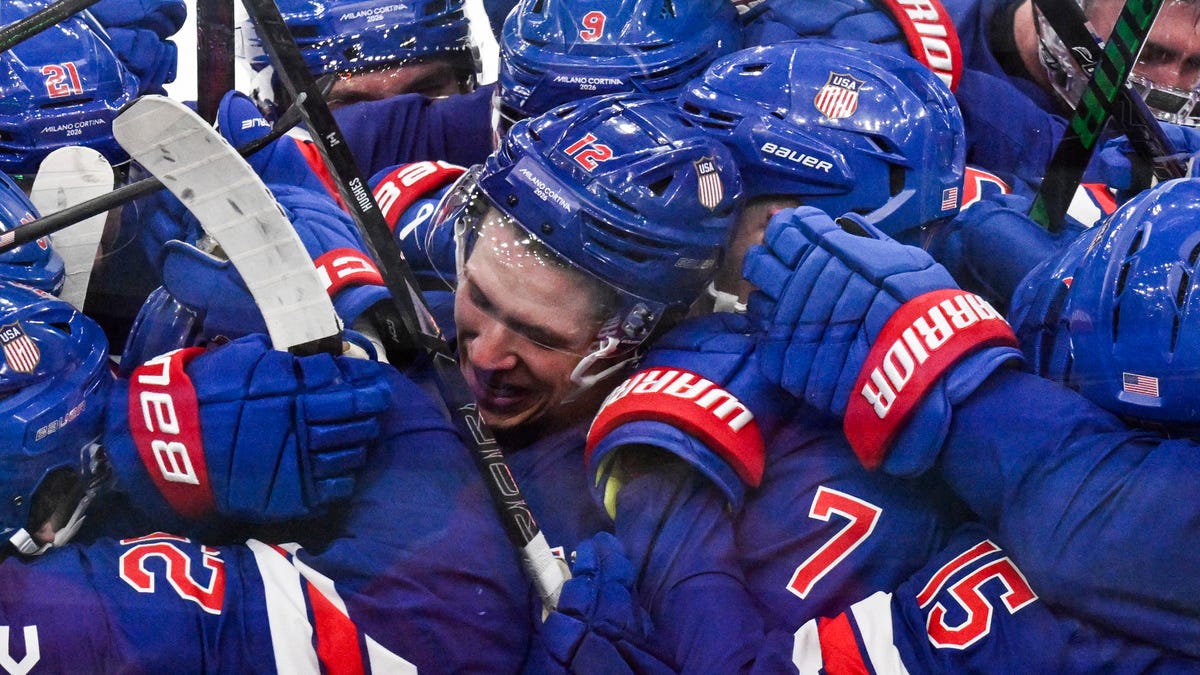
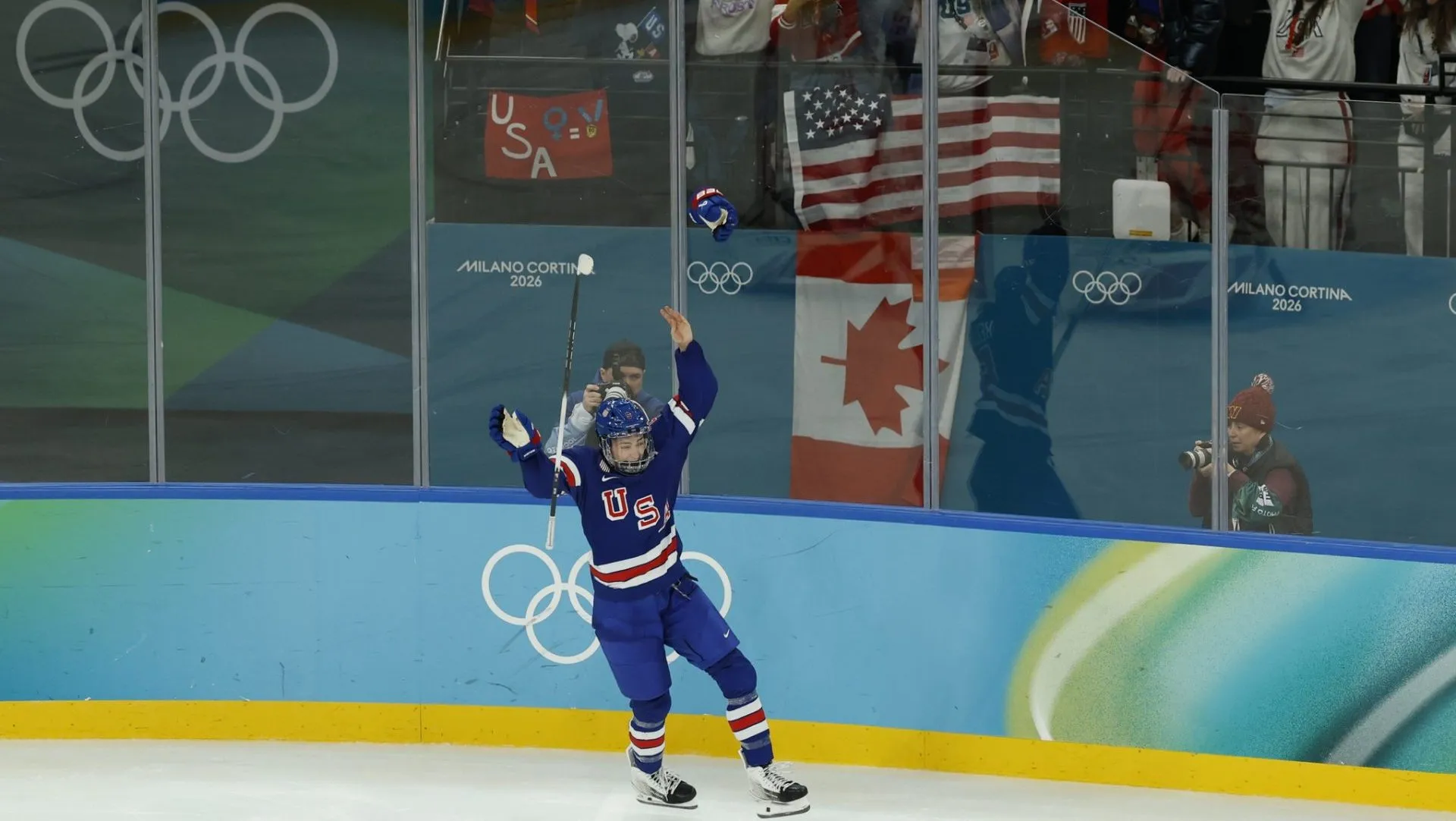
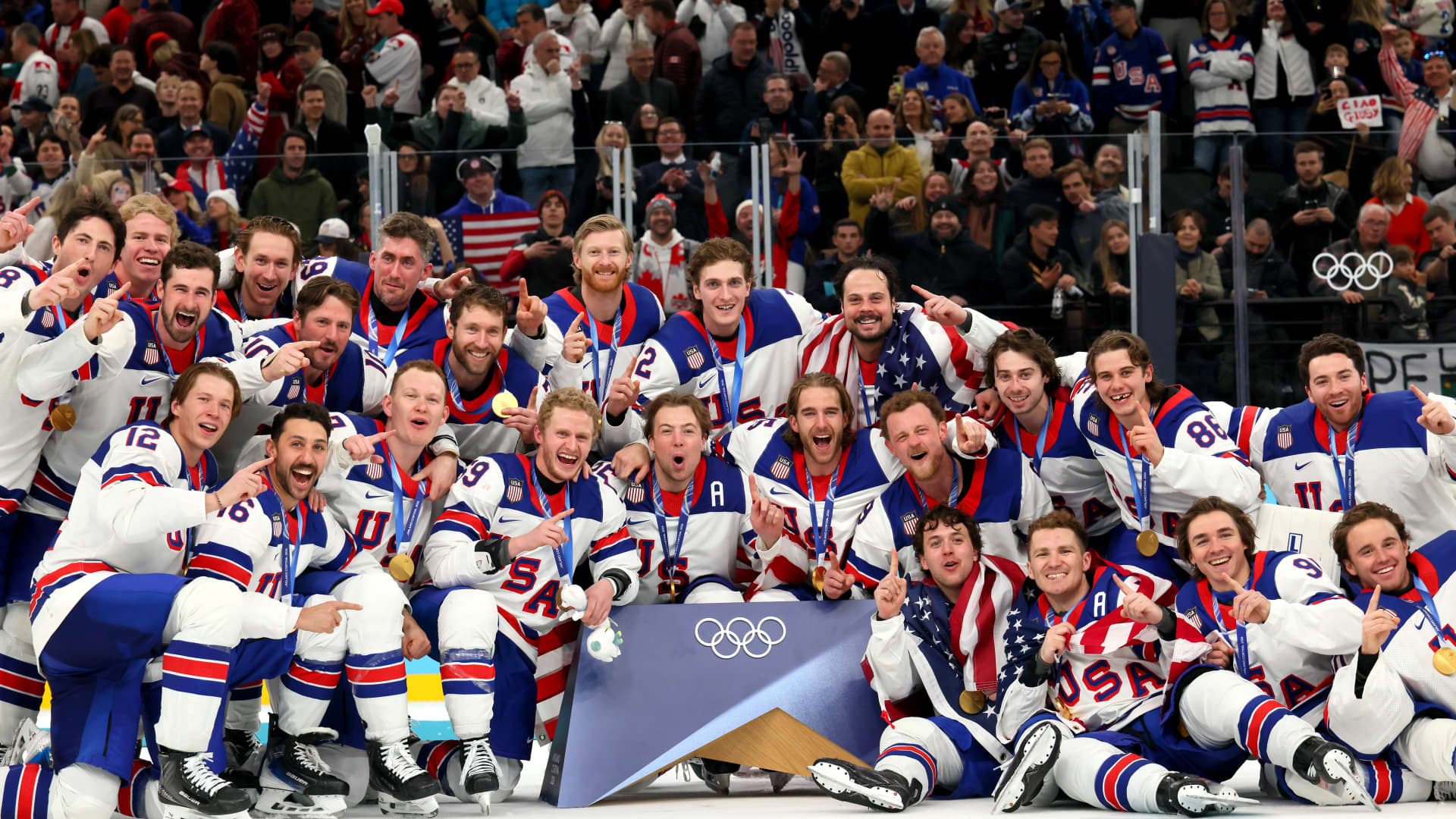
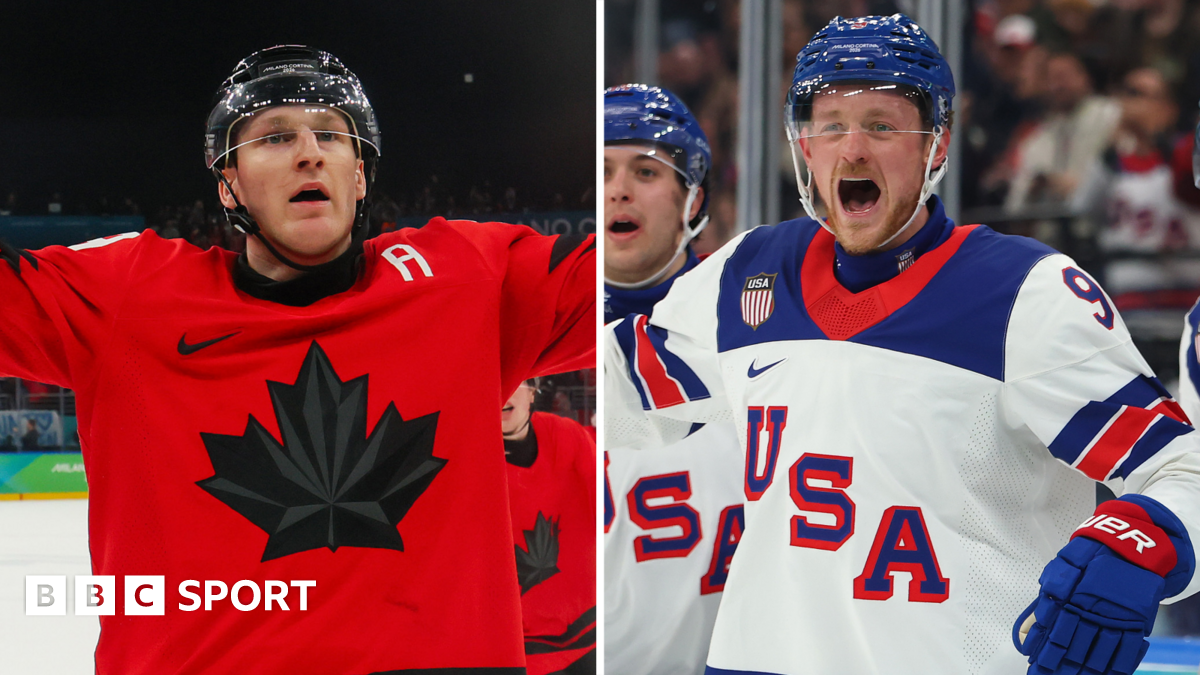
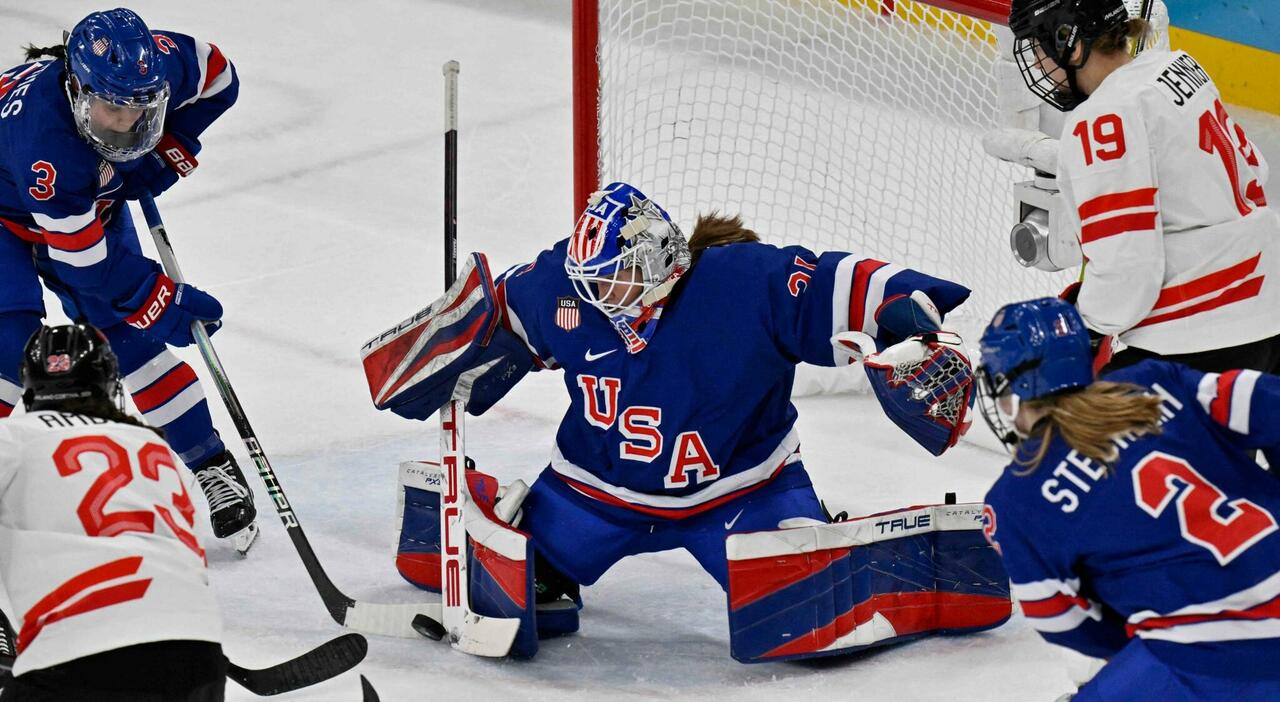
Forty-six years after the Miracle on Ice, the US men and women celebrated with a pair of huge assists from the Misrule on Ice. Following an overtime winner by Megan Keller that saw the Americans break stubborn Canadian resistance in the women’s final on Thursday, another 2-1 win for the US against their neighbours in Milan on Sunday handed the men their first gold since the famous triumph over the Soviet Union at Lake Placid in 1980.
At the end of regulation during two mesmerizing knife-edge finals, the rules decreed: OK, that’s enough high-quality five-on-five hockey. Let’s put an end to all this drama as quickly as possible by forcing the teams to play a different format to decide the outcome of the most important contests in international hockey.