From flooding in Peru to the fight for fair wages, a lot more goes into the price of fruit than what supermarkets charge consumers for
Why have apples increased so much in price in the UK? They seem much more expensive than bananas, even though many are homegrown, and so don’t have to travel halfway around the world.
It seems bananas (sorry) that fruit grown in the country where it is being sold costs more than produce which has been shipped thousands of miles. But, unlike other goods, such as petrol, the price we pay at the supermarket for fresh food has become detached from the cost of getting it there.
“It’s not like in the old days, where supermarkets would look at each product and what margin they wanted on it,” says Ali Capper, a grower and the executive chair of the trade body British Apples & Pears. “They’ll take a mix of products and look at their margin as a whole.”
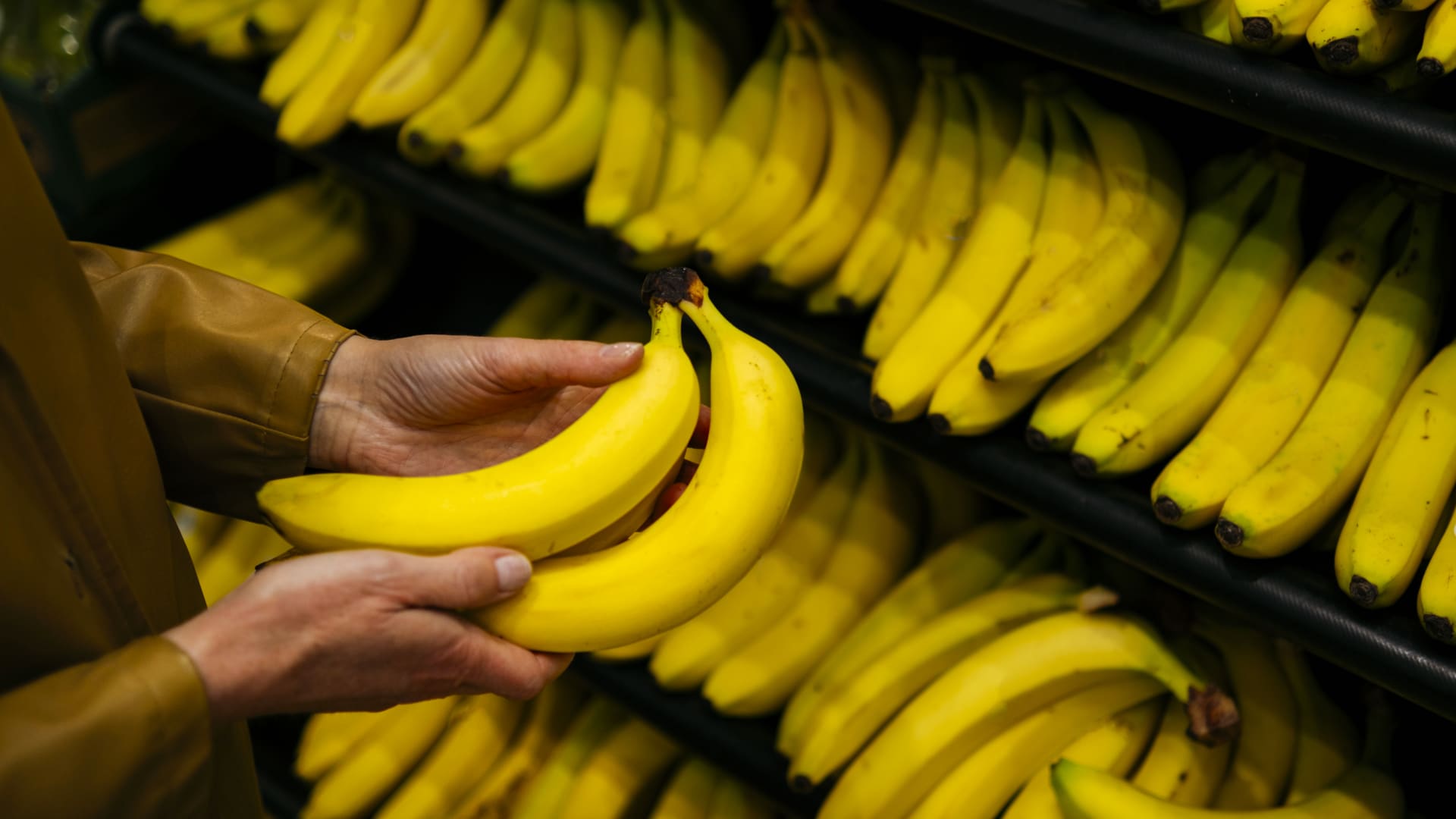
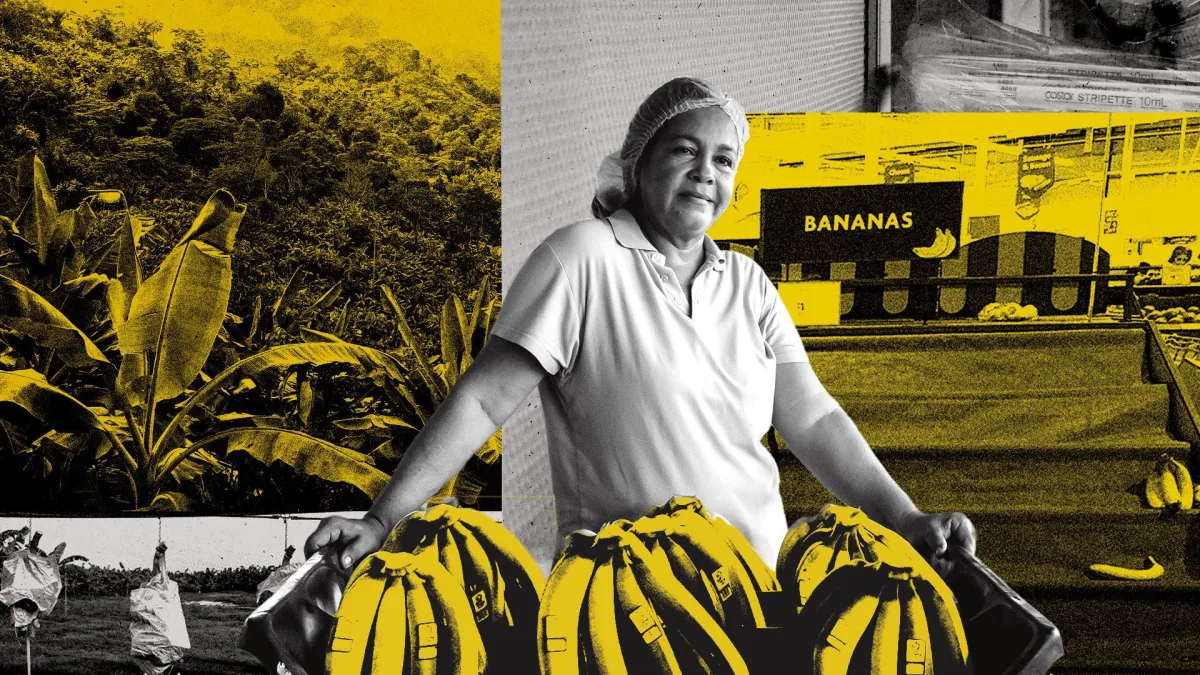
Bananas are retailers’ top-selling fresh product in many parts of the world. Alistair Smith, executive director of not-for-profit campaign group Banana Link, says that in countries that consume bananas, “nine households out of 10 buy them, so [retailers] fight very hard to keep the prices down”. Sometimes, bananas have been used as loss leaders, being sold below cost, as a way to win custom.