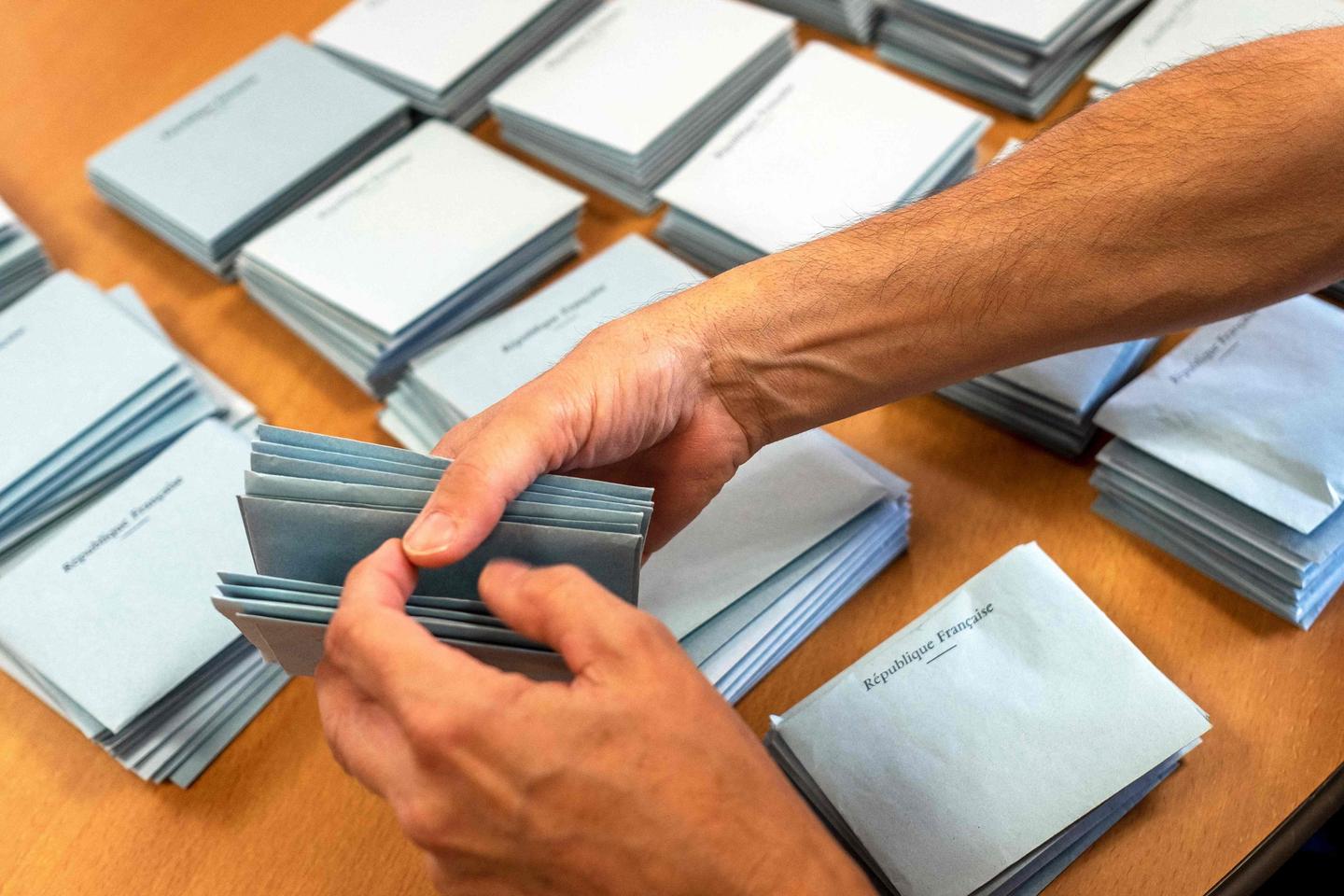
A voter cast a ballot at a polling station in Lyon on March 15, 2020. JEFF PACHOUD / AFP
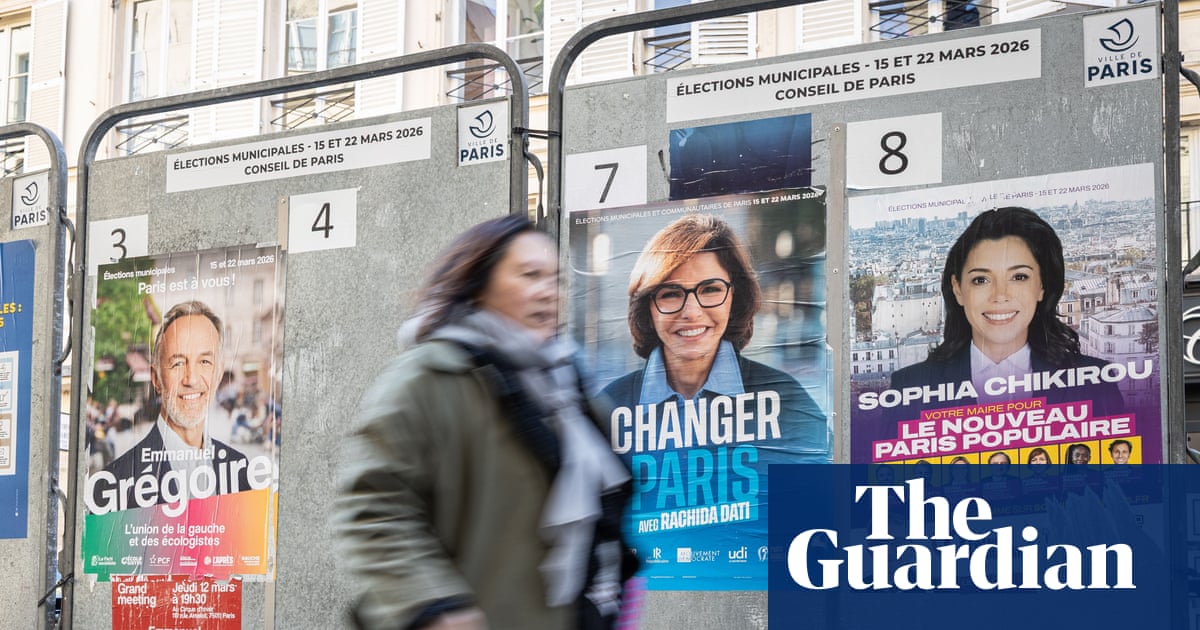
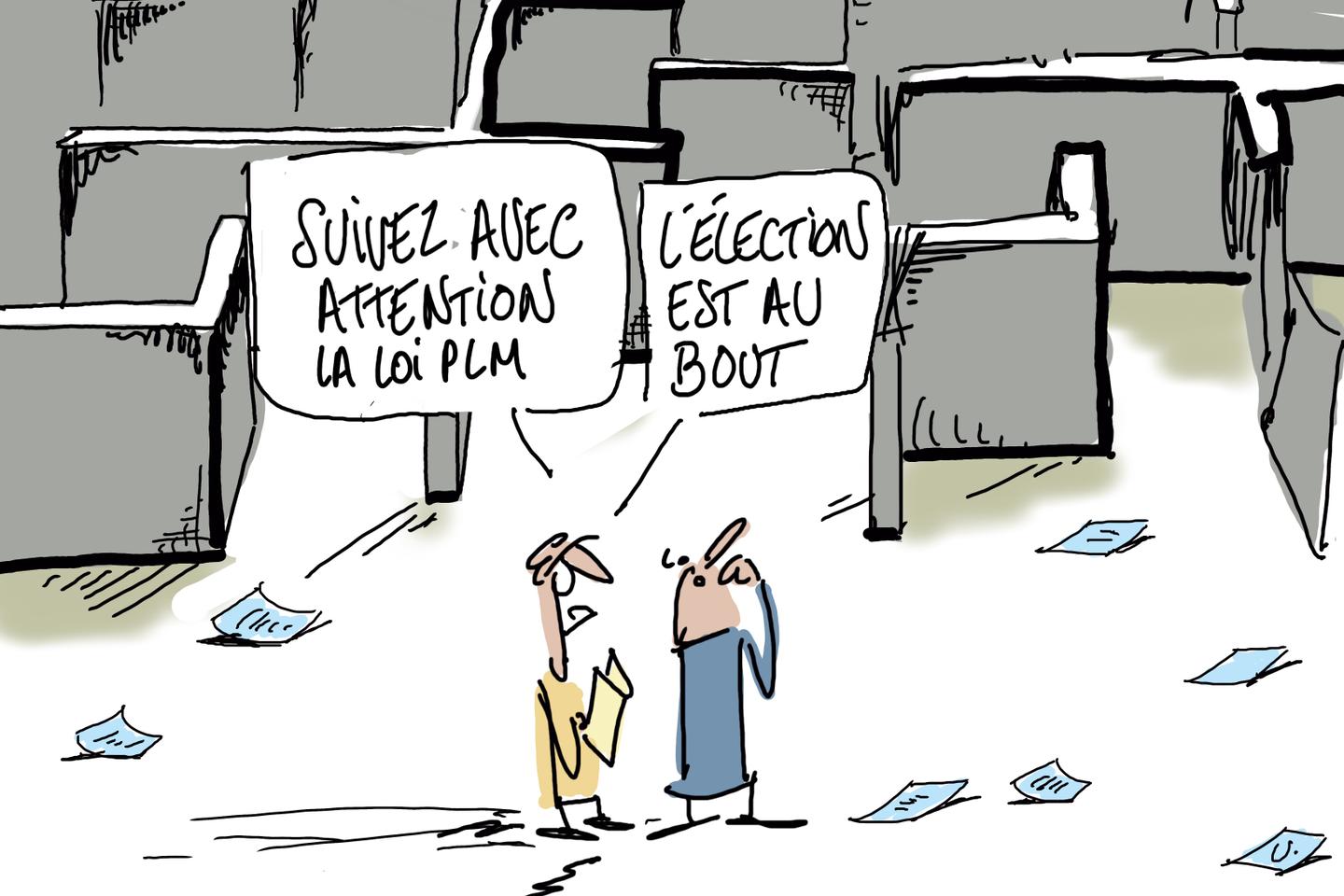
France's municipal elections next month will be held under new rules in the three largest cities in the country – Paris, Lyon and Marseille – with uncertain consequences on the outcome. Since 1982, municipal elections in these three cities, which together have 2.1 million voters, have worked differently from the rest of France. Until this year, voters would elect councilors for their arrondissement, with the top-ranking councilors then forming a central municipal council that elected the city's mayor.
Starting this year, there will be two separate ballots. One will be elect the arrondissement council, and the other, the city council, which will then appoint the mayor. Even then, each city has its own specificities. In Lyon, voters will have a third ballot to elect the Greater Lyon metropolitan council. Marseille's 16 arrondissements are grouped in pairs, forming eight sectors led by as many mayors.
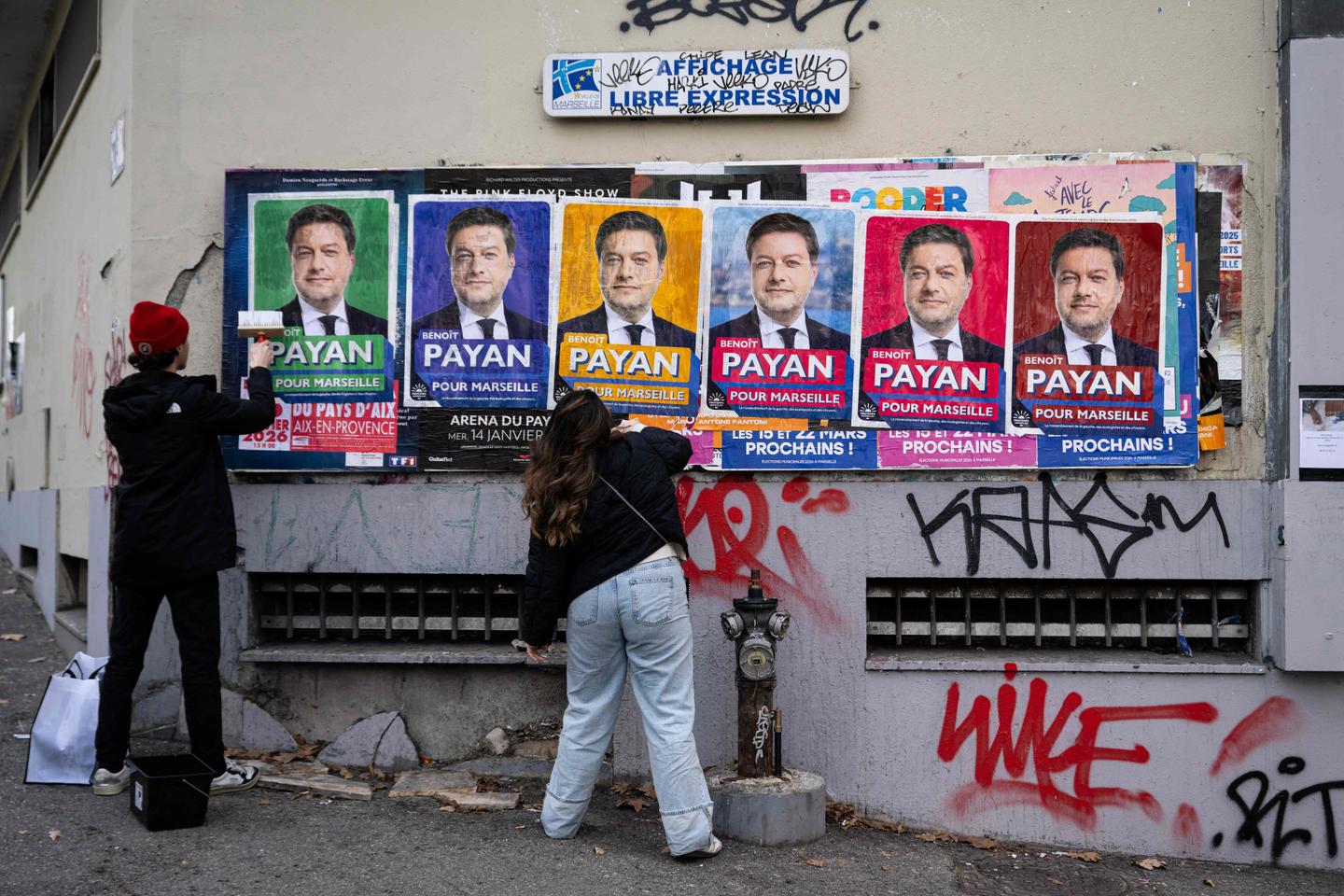
The consequences of these changes are beginning to show, with most campaigns tending to focus on the central City Hall at the expense of the arrondissements. In Marseille, the two movements topping the polls, the left-wing coalition Printemps Marseillais and the far-right Rassemblement National (RN), unveiled their lead candidates for each sector with a simple video posted on Instagram and a short clip on X. Their communication has been minimal, compared to the grandiose events organized in 2020 to kick off the crucial battles for the sector town halls at the time.