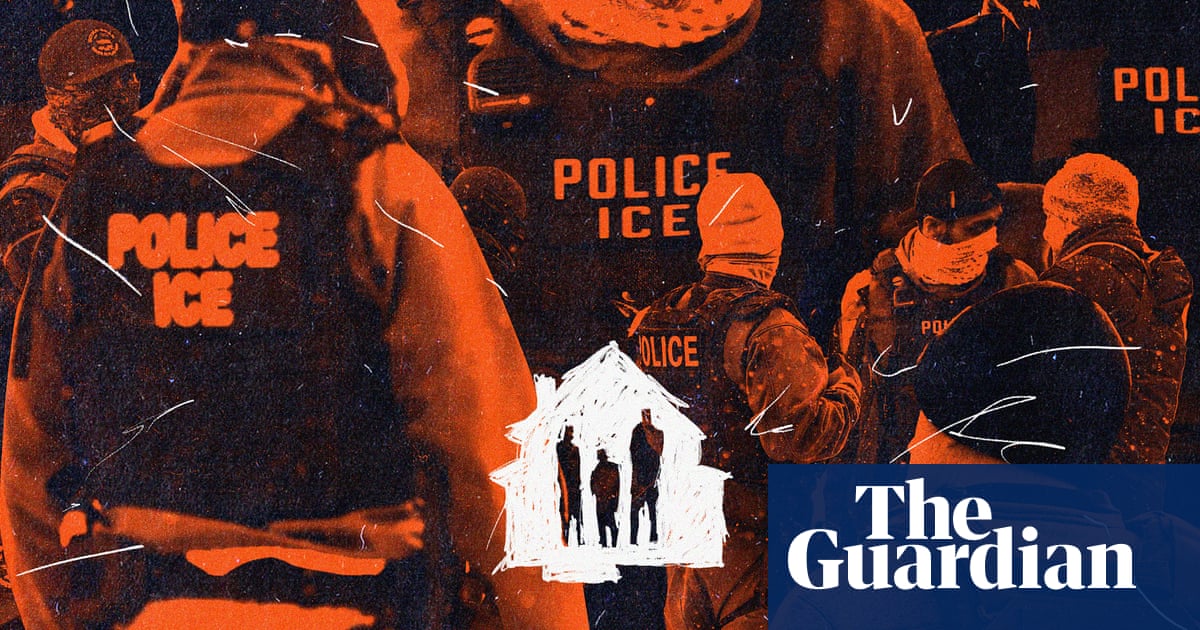
Many people have been sheltering at home. Protests have become part of the daily rhythm. Community networks continue to patrol and document agents’ interactions
In St Paul, Minnesota, Brittany Kubricky pulled into a school parking lot. Normally, she was there just to pick up her daughter. But today, two of her daughter’s schoolmates also climbed into the backseat. Their mother had been sheltering at home for weeks, afraid of a run-in with federal immigration agents. So friends coordinated school pickup for her.
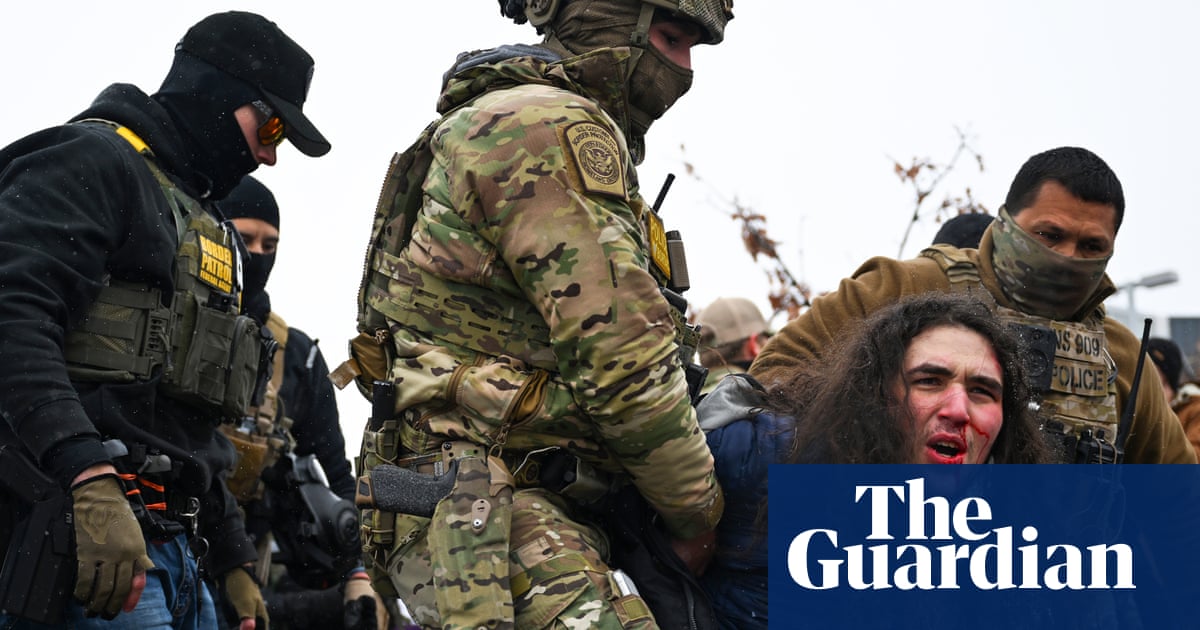
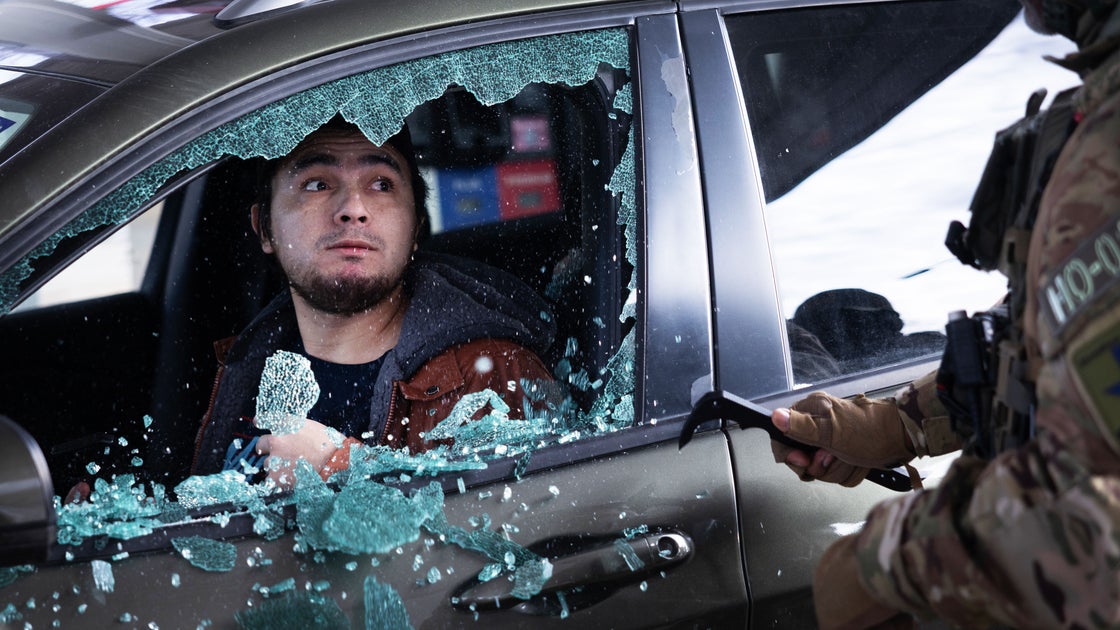
In December, the Trump administration launched Operation Metro Surge, deploying a reported 3,000 agents to Minnesota to target undocumented immigrants with criminal records, officials said. But in two months, agents have instead detained thousands of people, regardless of legal status, including US citizens pulled out of their cars, taken from their homes and picked up while working. Agents have also killed two Minneapolis residents – and US citizens – Renee Good and Alex Pretti, while they were monitoring Immigration and Customs Enforcement (ICE) activities.
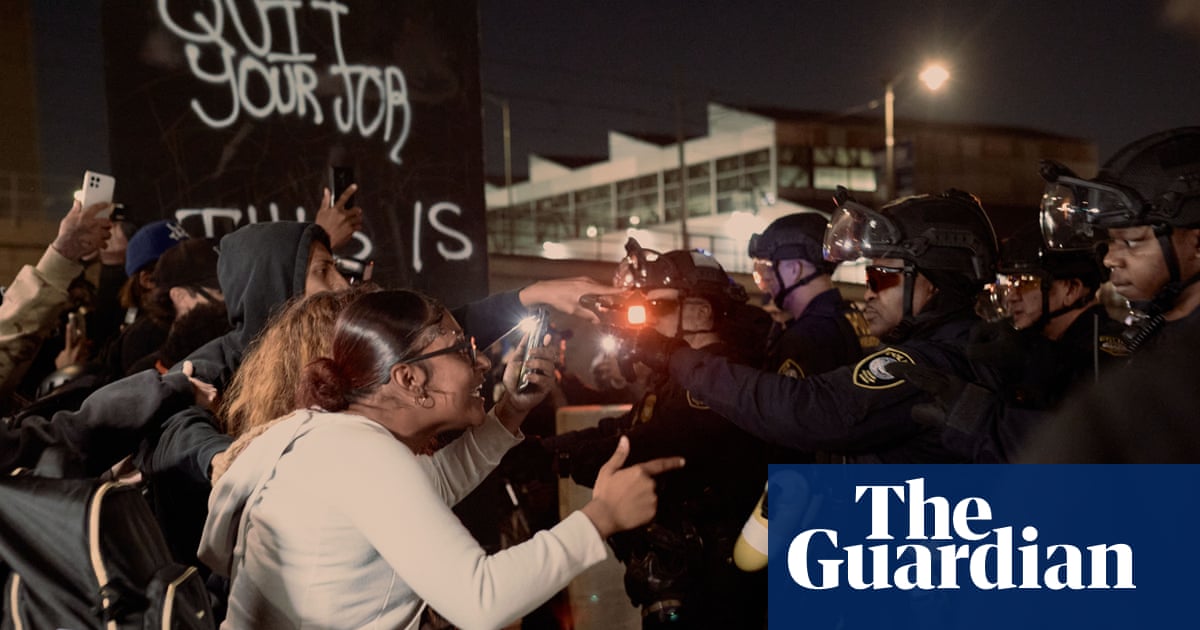
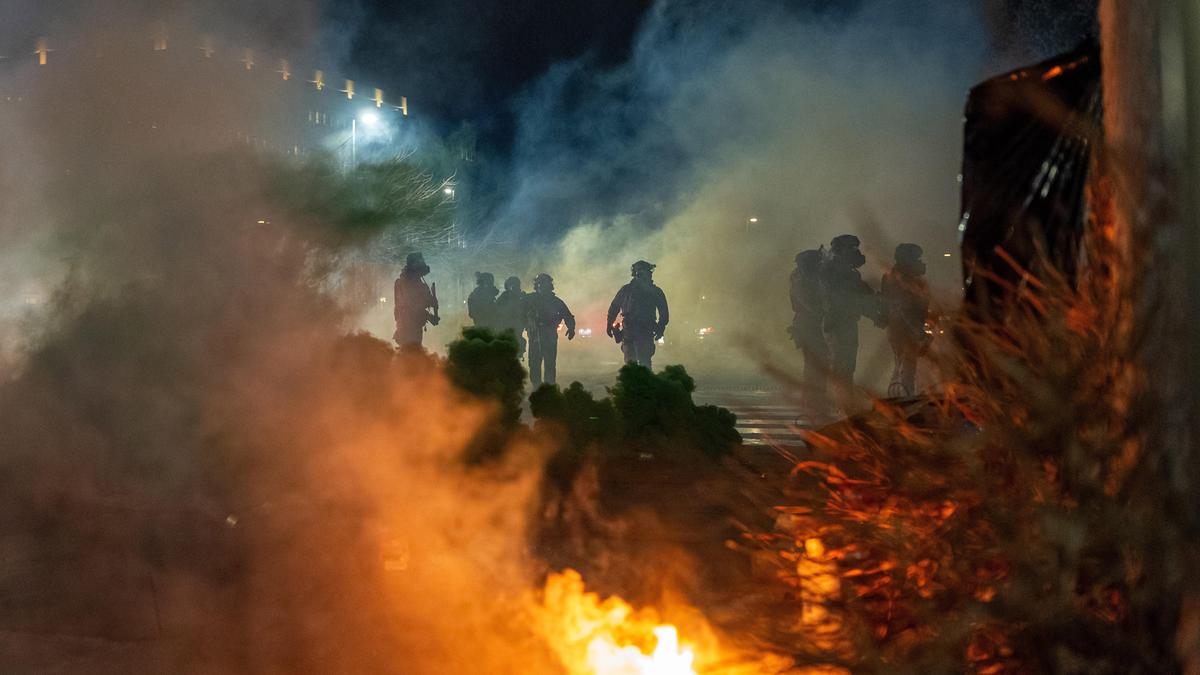
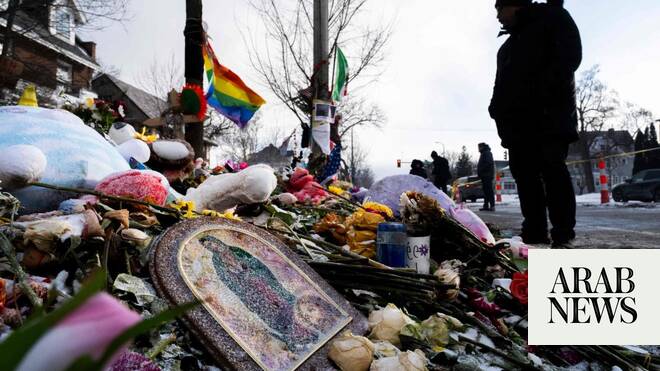
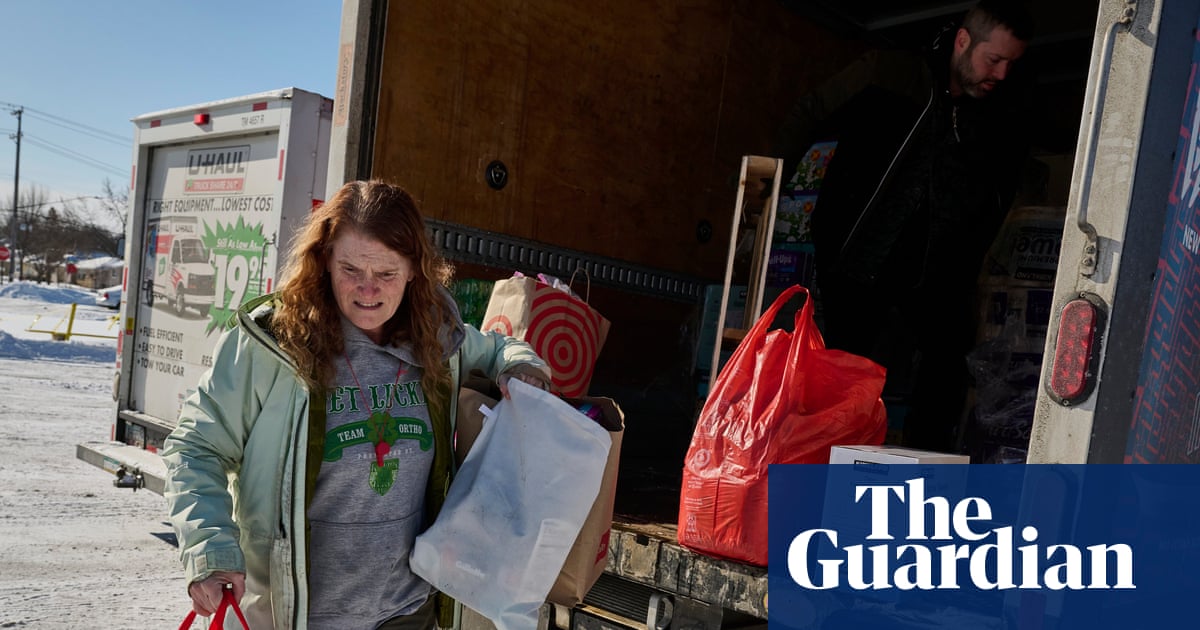
Federal agents’ presence, and their often abrupt and aggressive handling of residents, has left the Twin Cities on edge. Protests have become part of the metro area’s daily rhythm. So have community networks patrolling and documenting agents’ interactions with neighbors. Many people have been sheltering at home, fearful of being detained over the color of their skin. Daily lives have been interrupted: fewer errands, fewer social visits, fewer routines that once felt ordinary and a greater dependence on their neighbors.