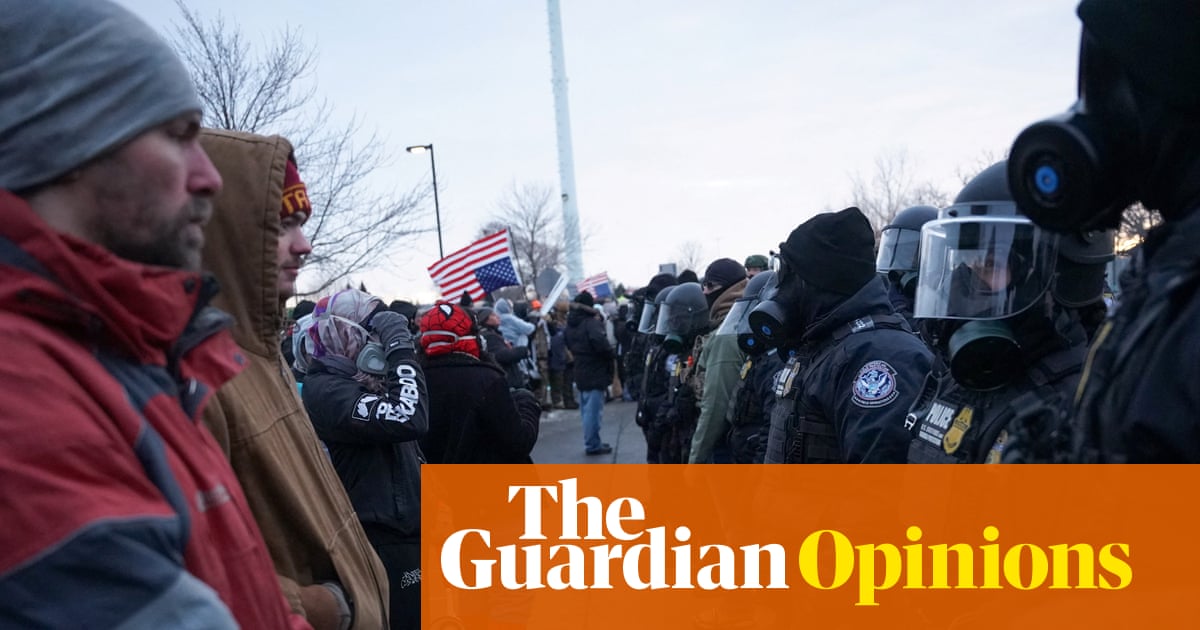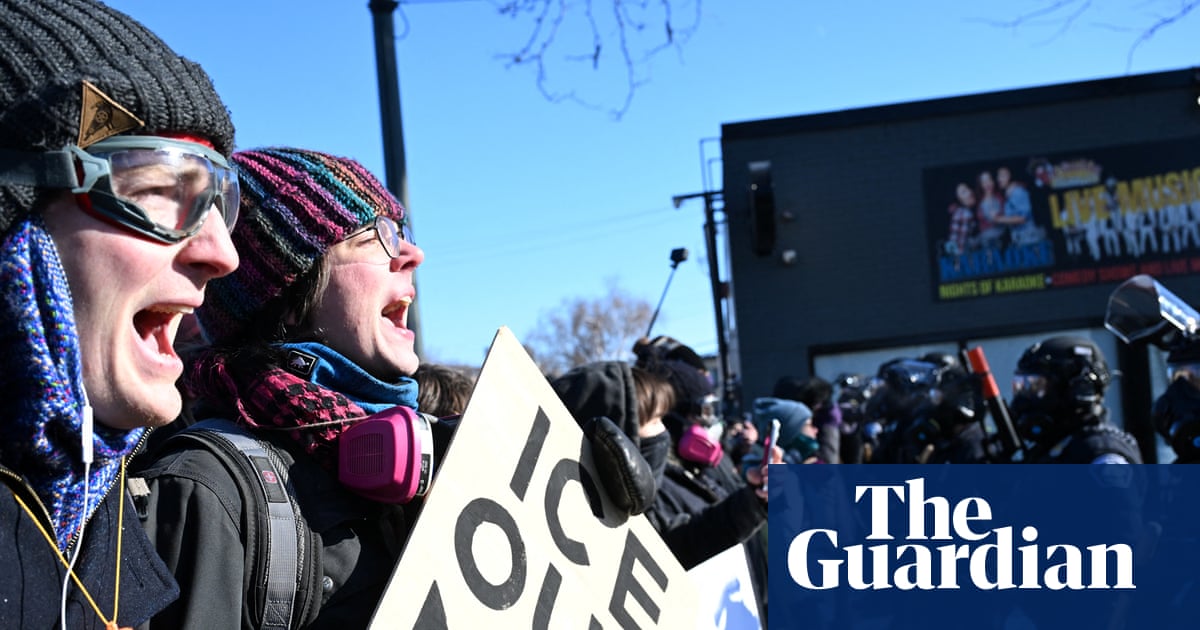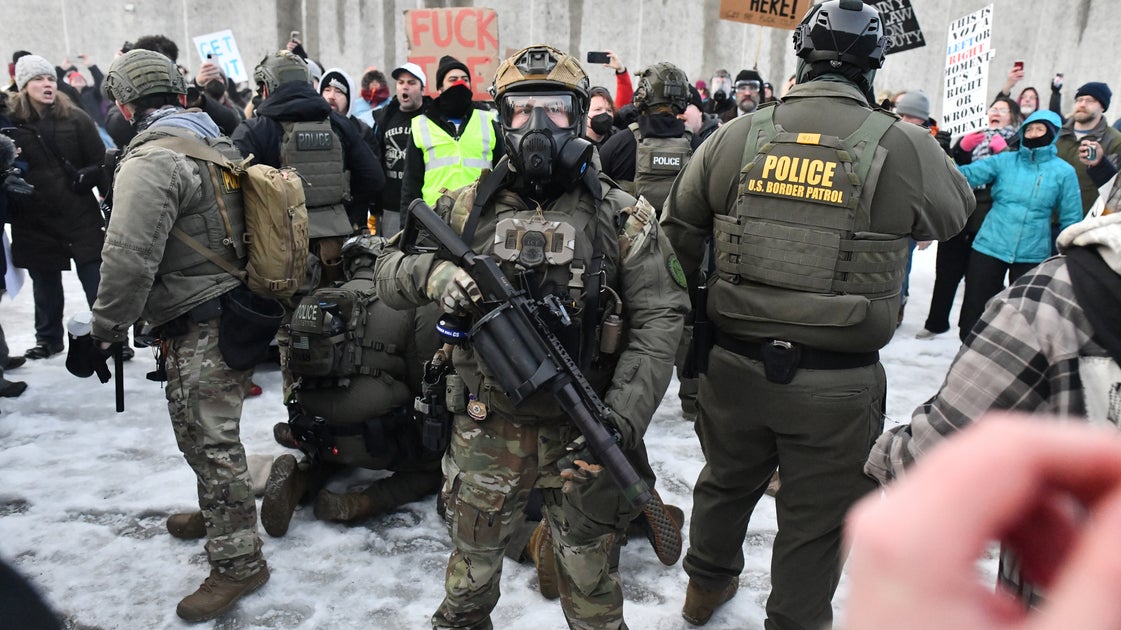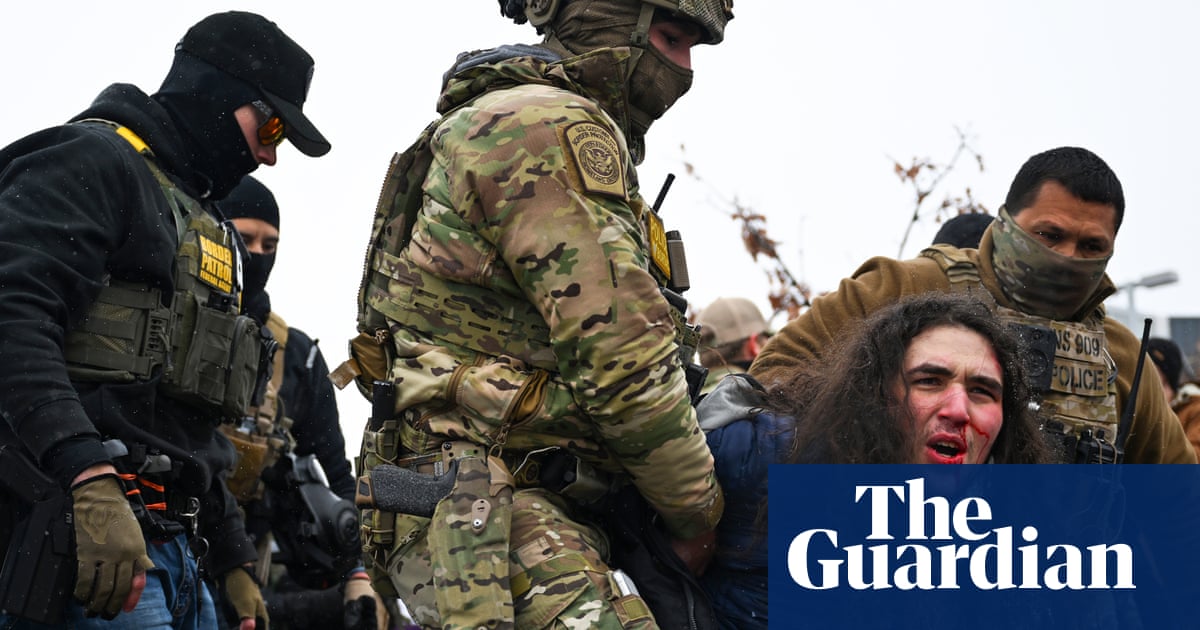
Minnesota residents share the fundamental ways their lives have changed since federal troops arrived in their state
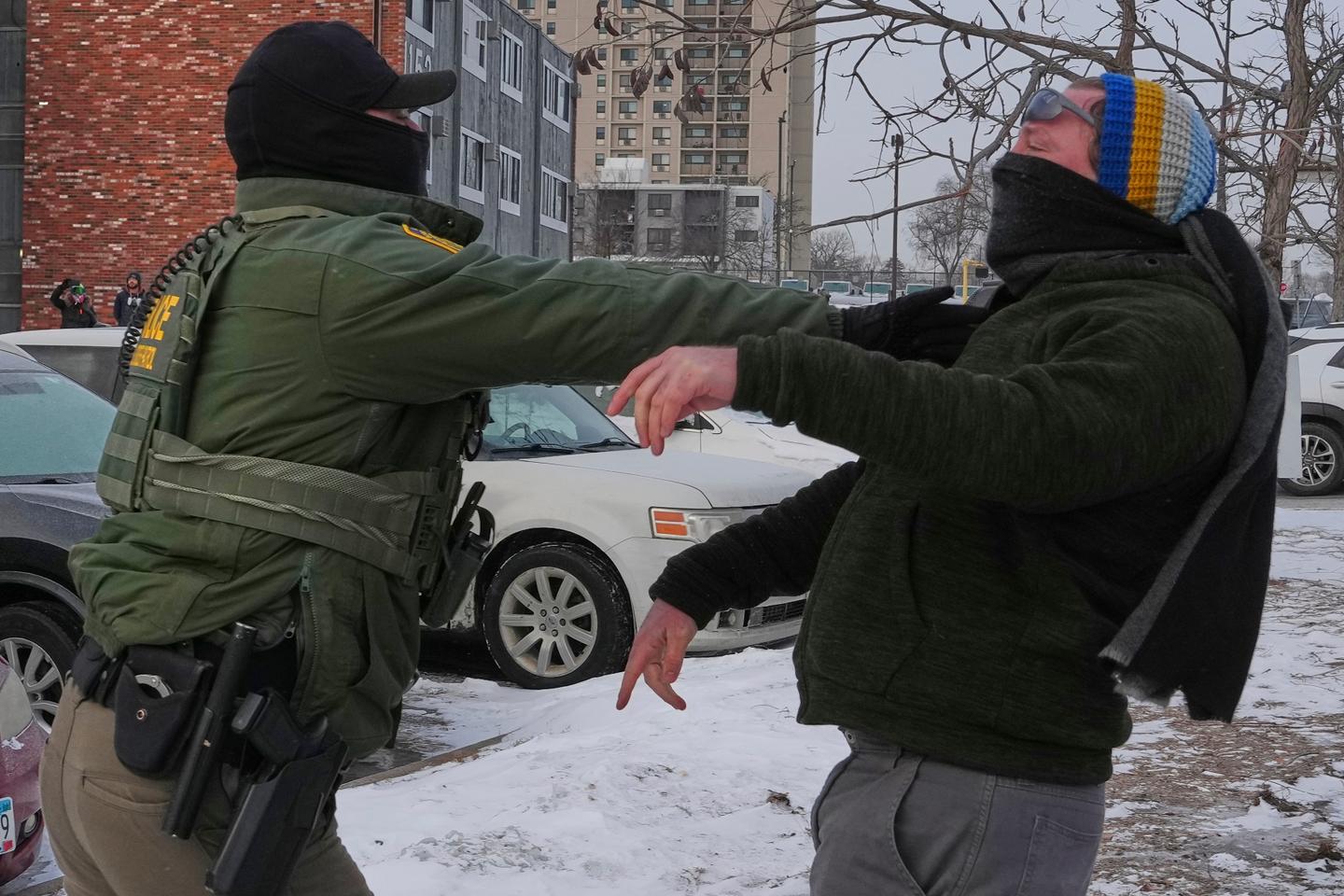
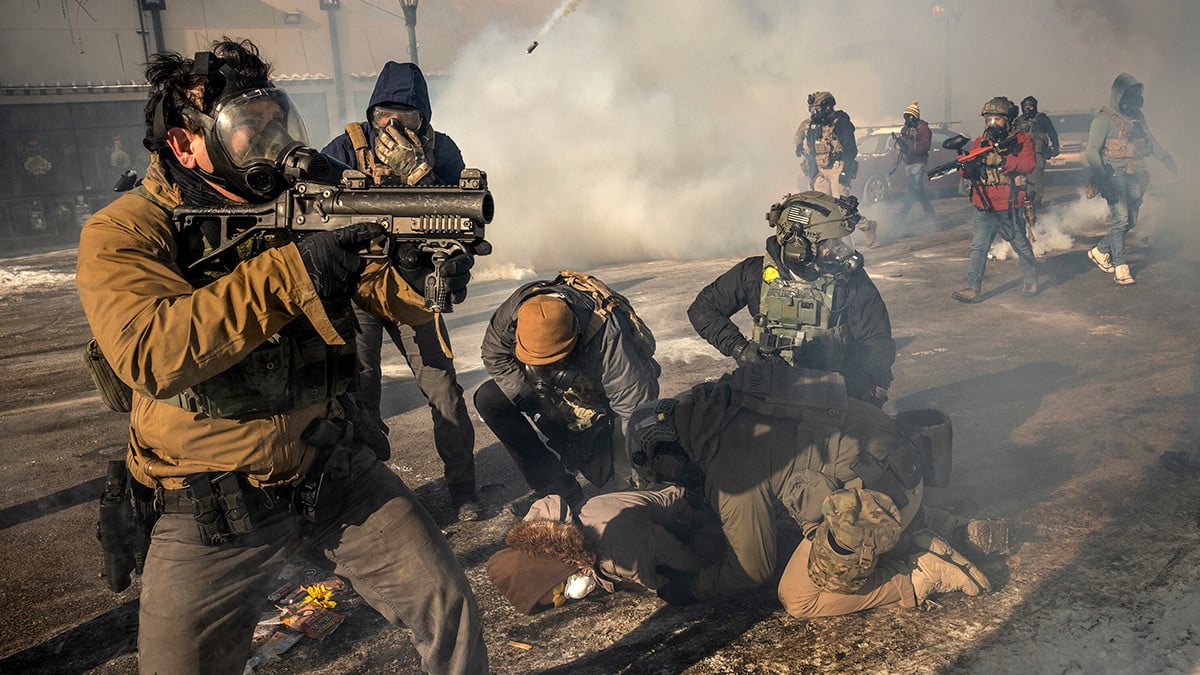
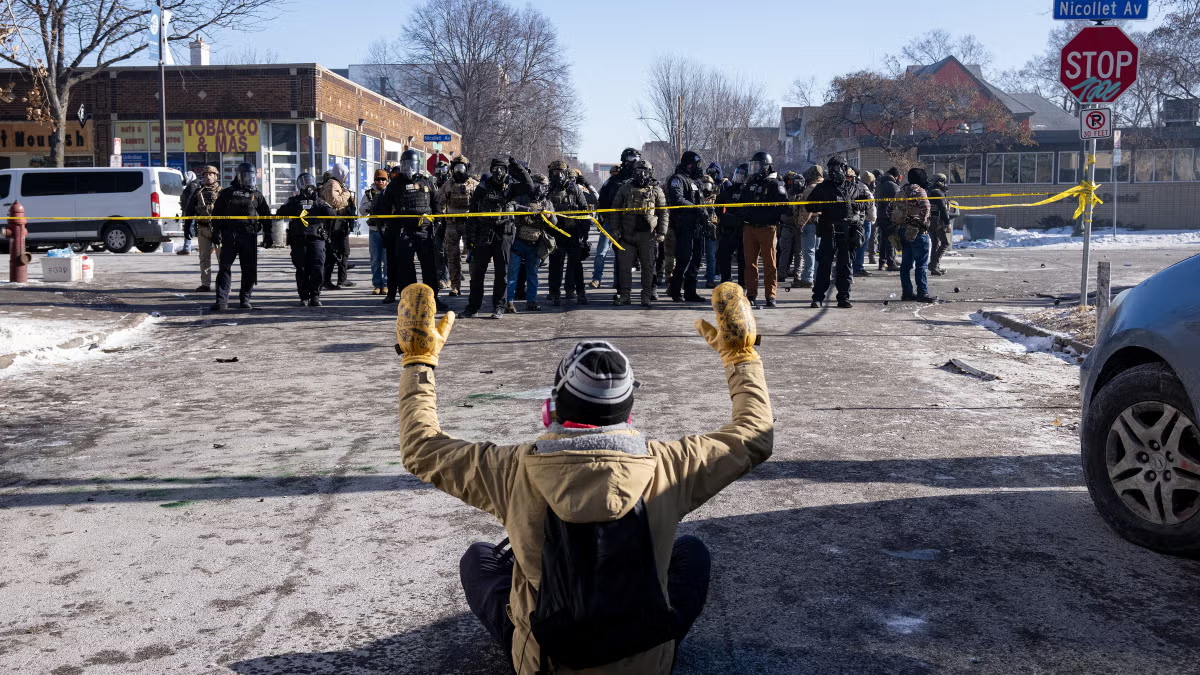
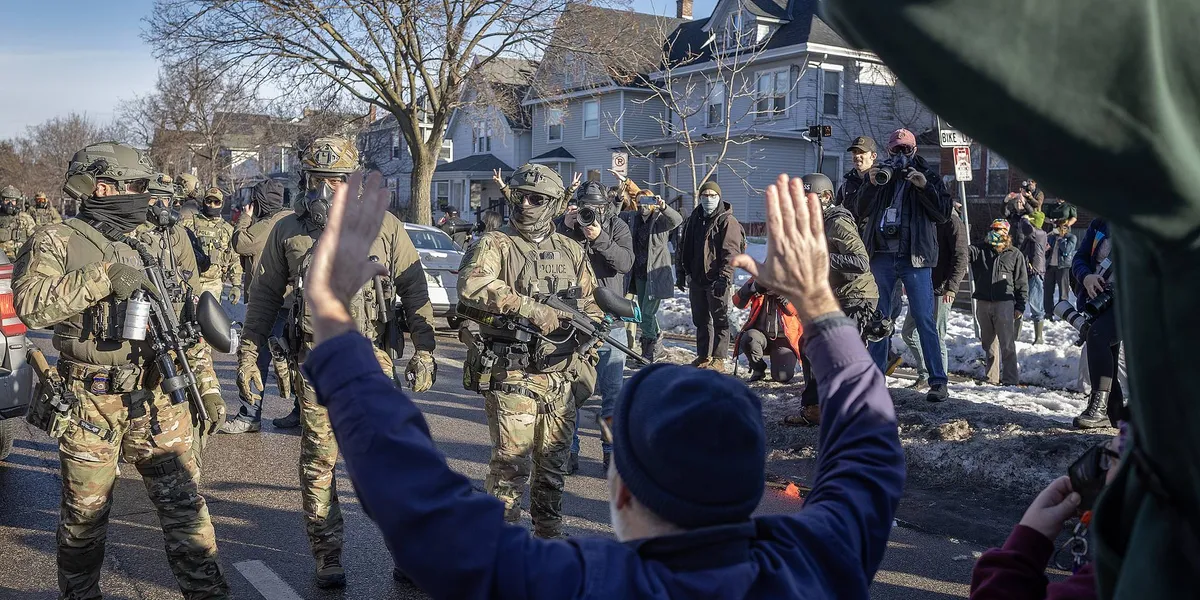
The deployment of more than 3,000 federal immigration officers to Minnesota has transformed life in the cities of Minneapolis and St Paul, with residents reporting witnessing clashes between civilians and agents, carrying their passports and ID cards around for fear of being stopped, staying home as much as possible, and worrying for the safety of their children while out in public.
“I’ve never witnessed anything like this in the US,” said Dan O’Kane, 69. He came to the conclusion after watching Immigration and Customs Enforcement (ICE) officers fighting with students and throwing a teacher to the ground at Roosevelt high school, three blocks from his home.
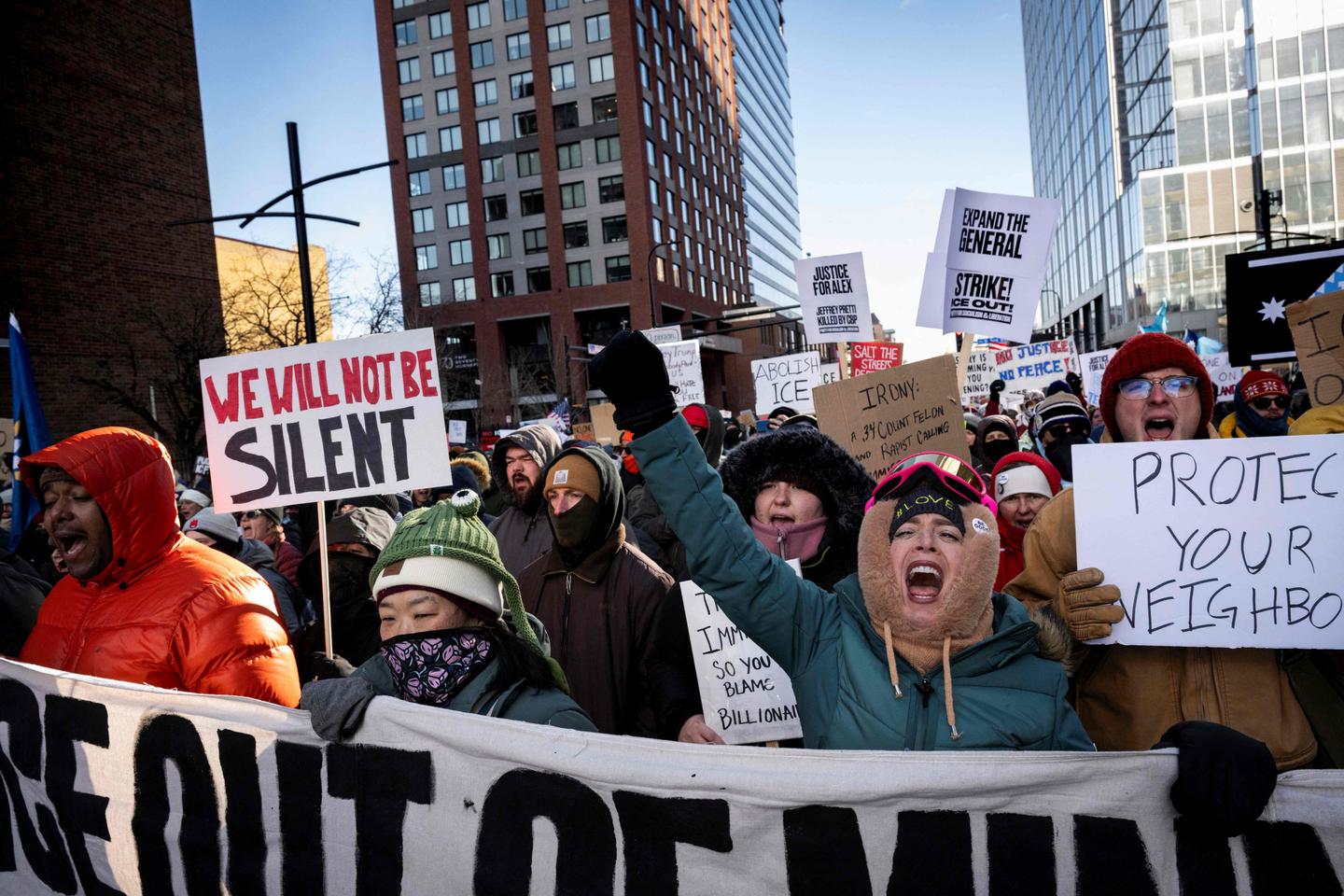
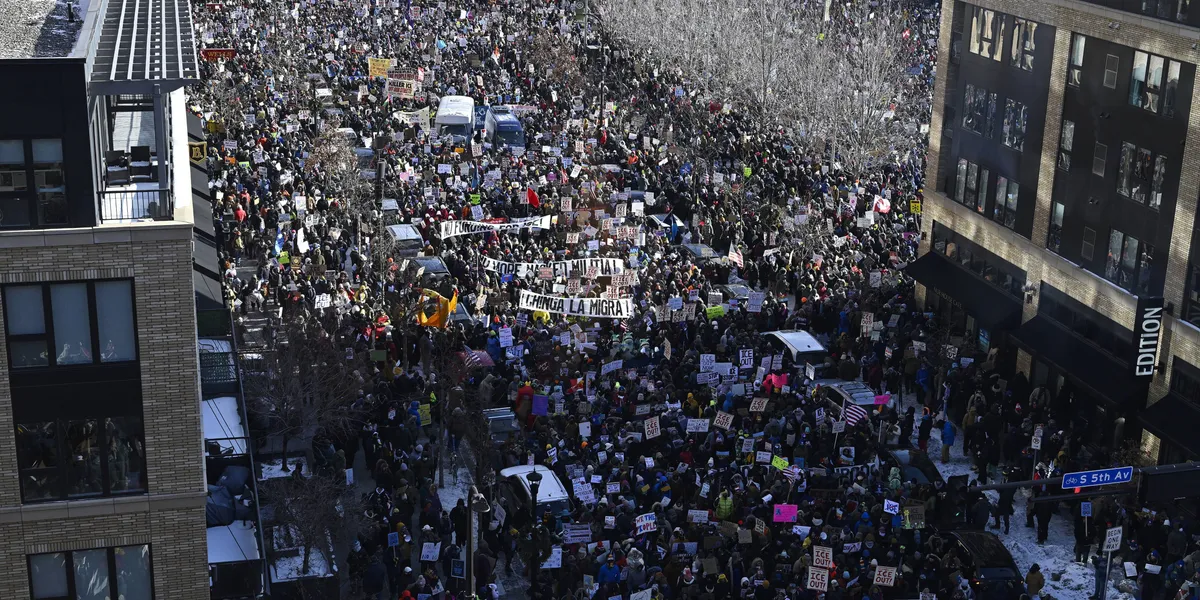
The Trump administration started its immigration enforcement operation in December, and significantly ramped up the scale of the action in January. More agents arrived later in the month, after an ICE officer fatally shot 37-year-old Renee Good in Minneapolis, and the city erupted in protest.
Over the past week, more than 150 Minnesota residents spoke with the Guardian about the fundamental ways their lives have changed since federal troops arrived in their state. An overwhelming majority of them described the situation in the Twin Cities as “tense”. Many of them felt their cities were “occupied” or described them as “under siege”. Many agreed to speak only on the condition of anonymity, fearful of retribution by the government.