A
t their June 2025 summit in The Hague, all NATO member states committed to raising their defense and security spending to 5% of their gross domestic product (GDP).
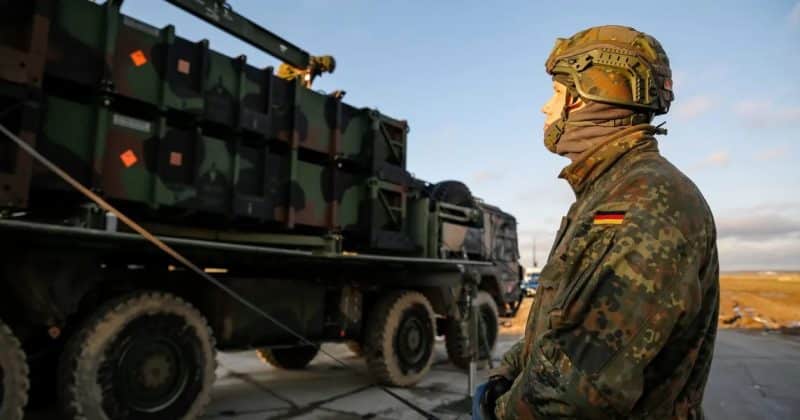
Germany is among those who have taken this commitment the most seriously. Even before the summit, the budget reform passed in March 2025 by the ruling coalition exempted defense spending beyond 1% of GDP from the Schuldenbremse, "debt brake" in German, while also creating a multi-year investment fund of €500 billion for infrastructure and climate initiatives. This marked a major shift for a country that had traditionally relied on the US to ensure its security.
The commitment is good news for Europe and the credibility of its defense efforts, even though France, Italy, and the United Kingdom are not on course to meet the target. Only Poland and the Baltic countries have reached that threshold. Germany has already begun to implement it: The International Monetary Fund (IMF) projected that the effects of this investment would be felt as soon as 2027, with growth at 1.5% after years of stagnation, and a public deficit at 4% of GDP. But the momentum now underway will inevitably trigger a series of imbalances, each representing a challenge for Europe.