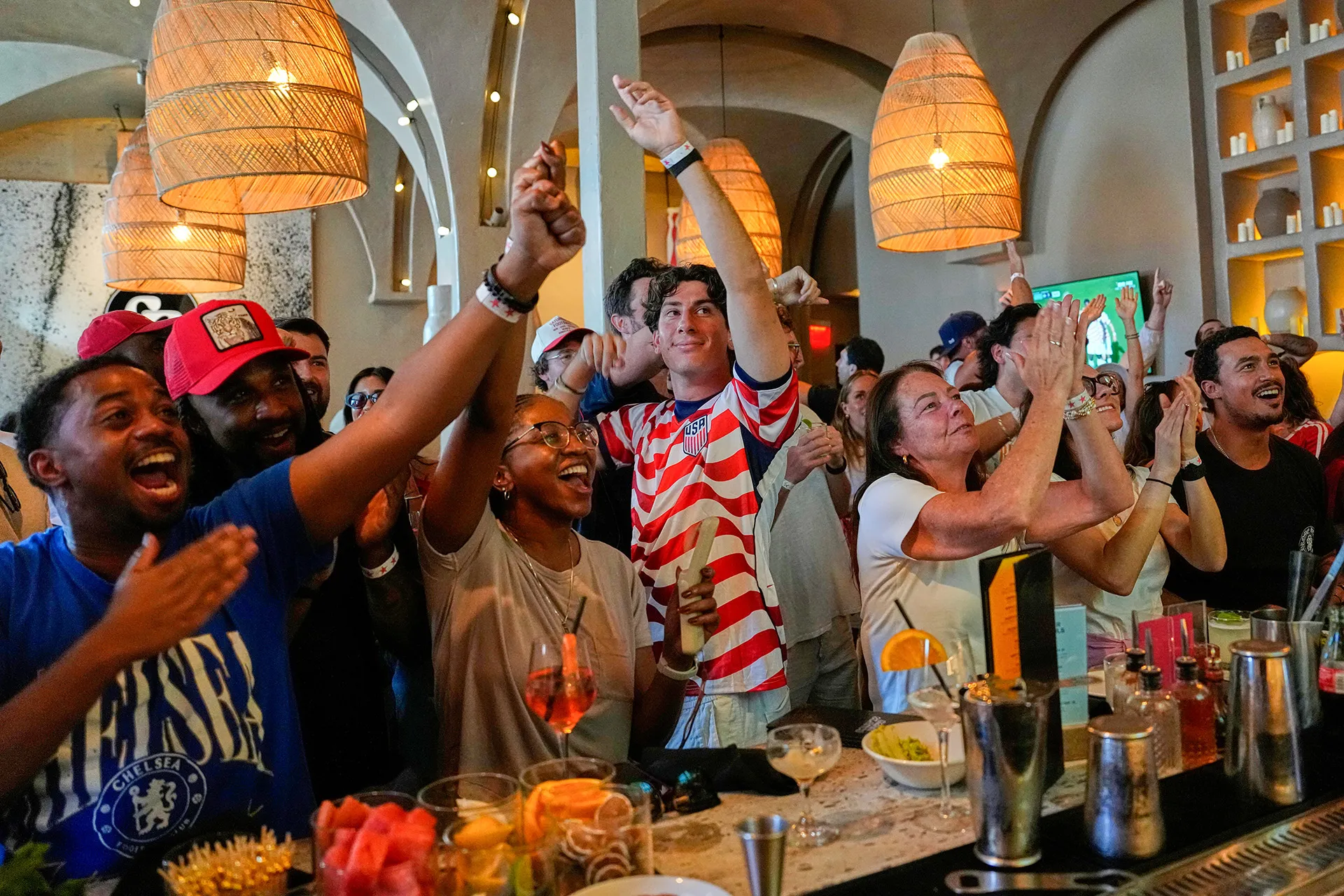
Today, fandom functions as a co-creative, identity-shaping system where fans play a meaningful role in the evolution of both the IP they love and the brands who seek to join in on the action. These fan communities, from StationeryTok to K-pop Discords and fan-fiction servers in AO3, now fulfill needs that institutions once did—a sense of belonging, a place to make meaning, and increasingly, opportunities to build skills and income.
The irony is that fandom is joyful for young people precisely because it is free from the constraints, gatekeepers, and disappointments of the real world. It’s a space for Gen Z and Gen Alpha to play, create, express, and connect on their own terms. Yet that joy, that collective creativity, has become a form of cultural power—a currency more valuable than the money they often lack. What starts as escape ends up shaping the very systems they feel powerless against.
A generation no longer molded by one monoculture now moves fluidly through dozens of micro-worlds, elevating what resonates from each. A fan edit can break a song. A theory can reframe an entire franchise. A creator backed by a loyal community can outpace traditional media in reach and momentum. And while fandoms have always been creative hubs, with 74% of young people now describing themselves as video creators, the speed and scale of this influence is unprecedented. What once took years to build now catches fire in weeks. Young people aren’t waiting for studios, networks, or brands to declare what matters; they’re signaling it and sustaining it long before institutions notice.