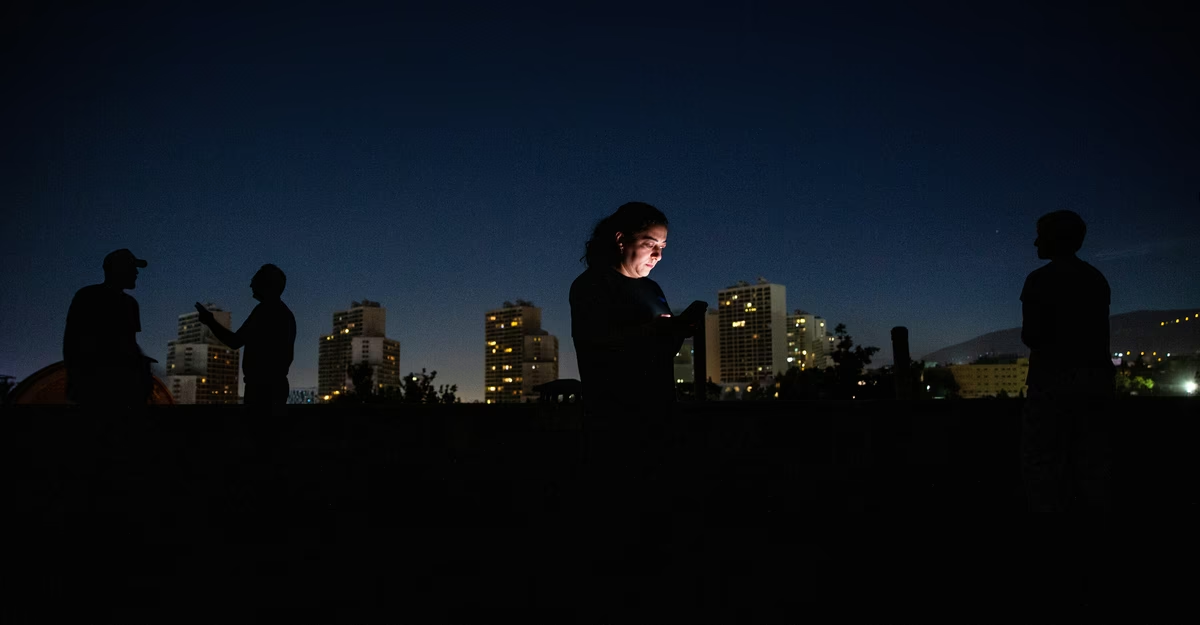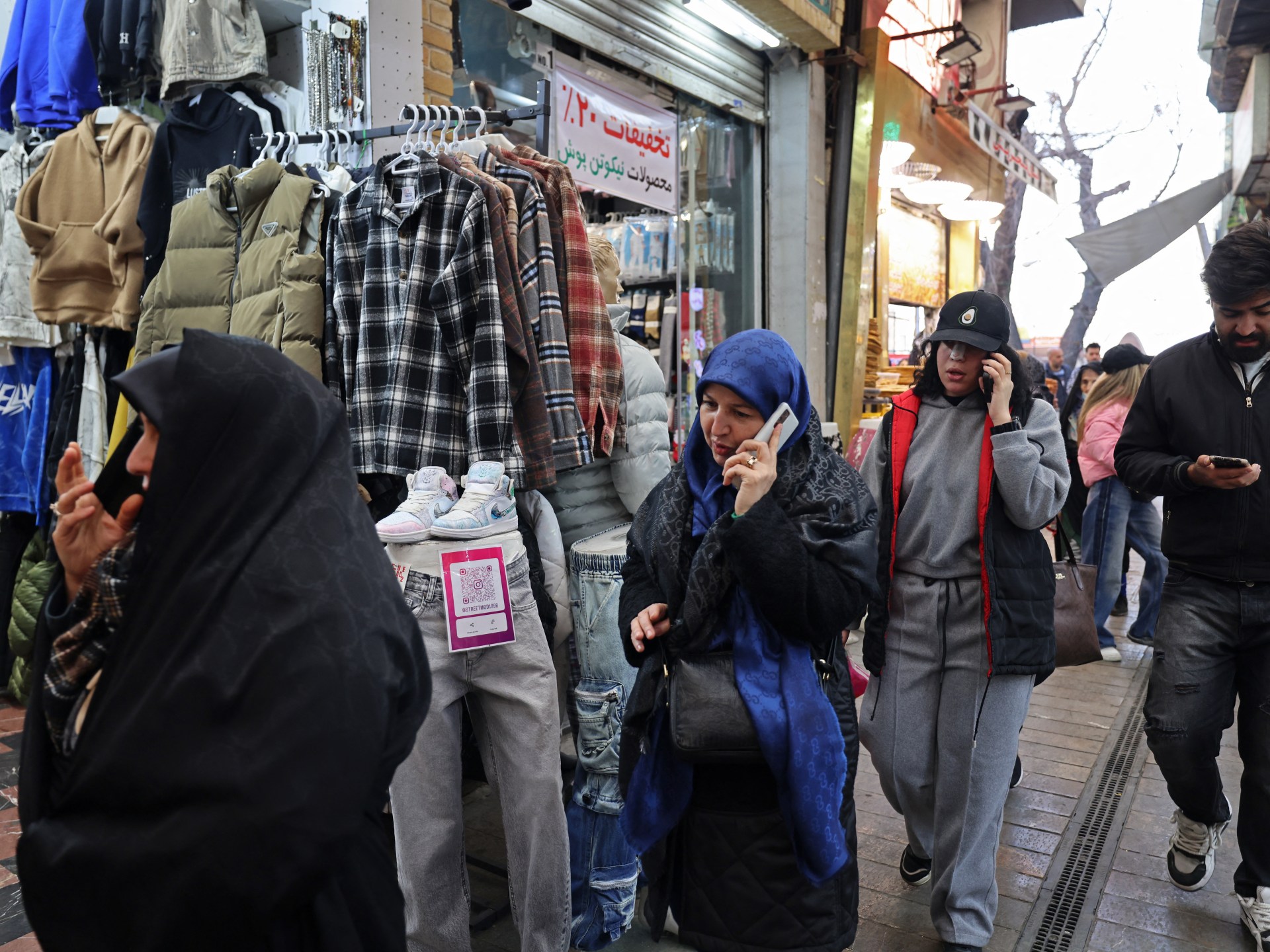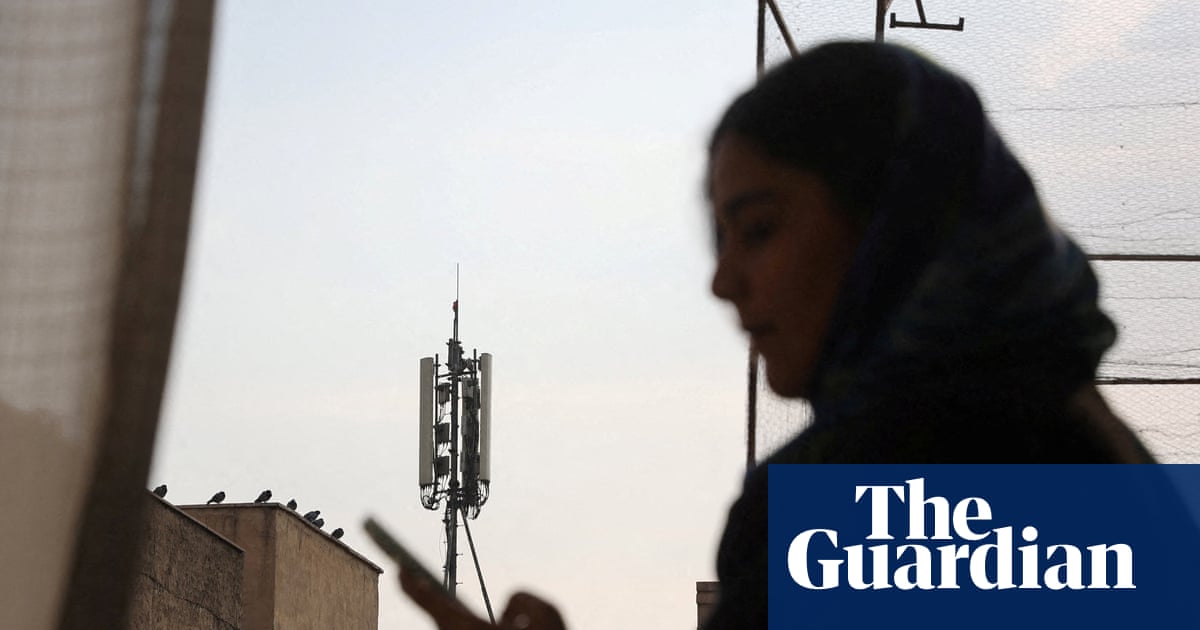
Iran has shown how plausible blackouts now are, with far-reaching consequences for the internet as we know it
During the height of Iran’s blackout in January, people could still access a platform that, in some senses, was like the internet.
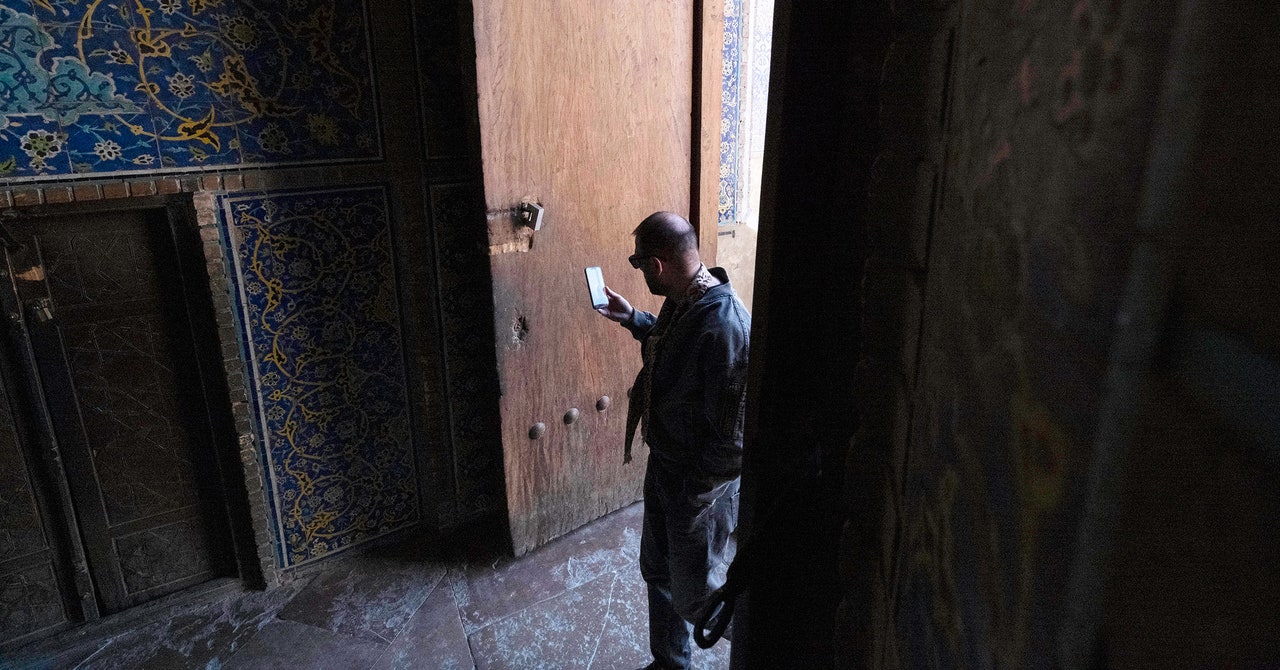
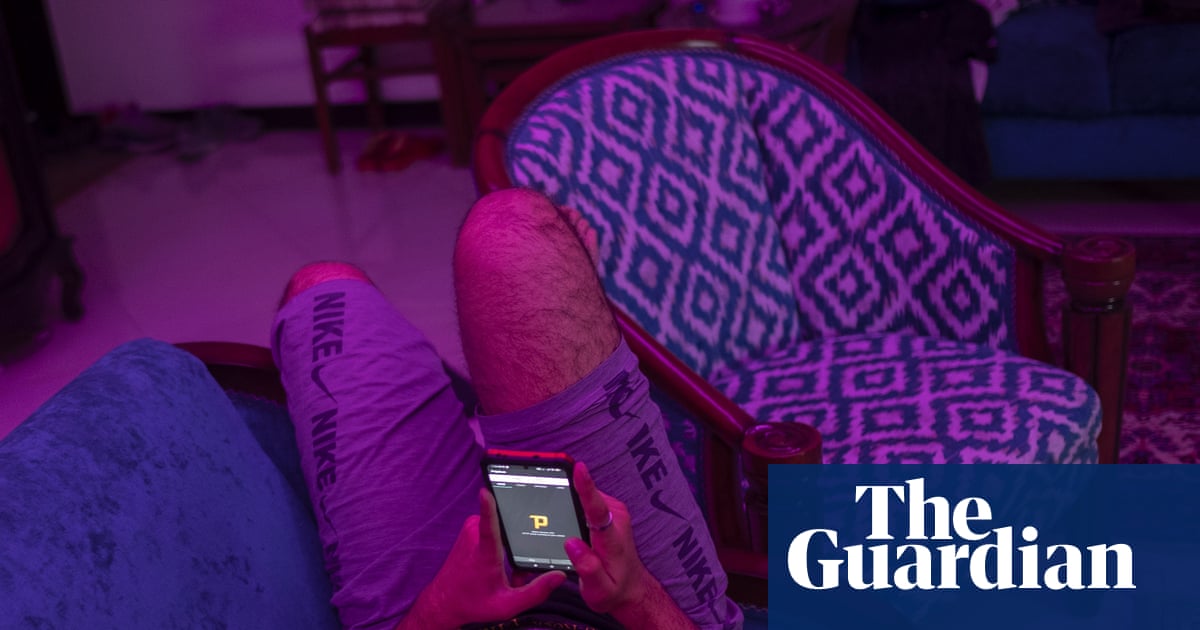
Iranians could message family members on a government-monitored app and watch clips of Manchester United on a Farsi-language video-sharing site. They could read state news and use a local navigation service.
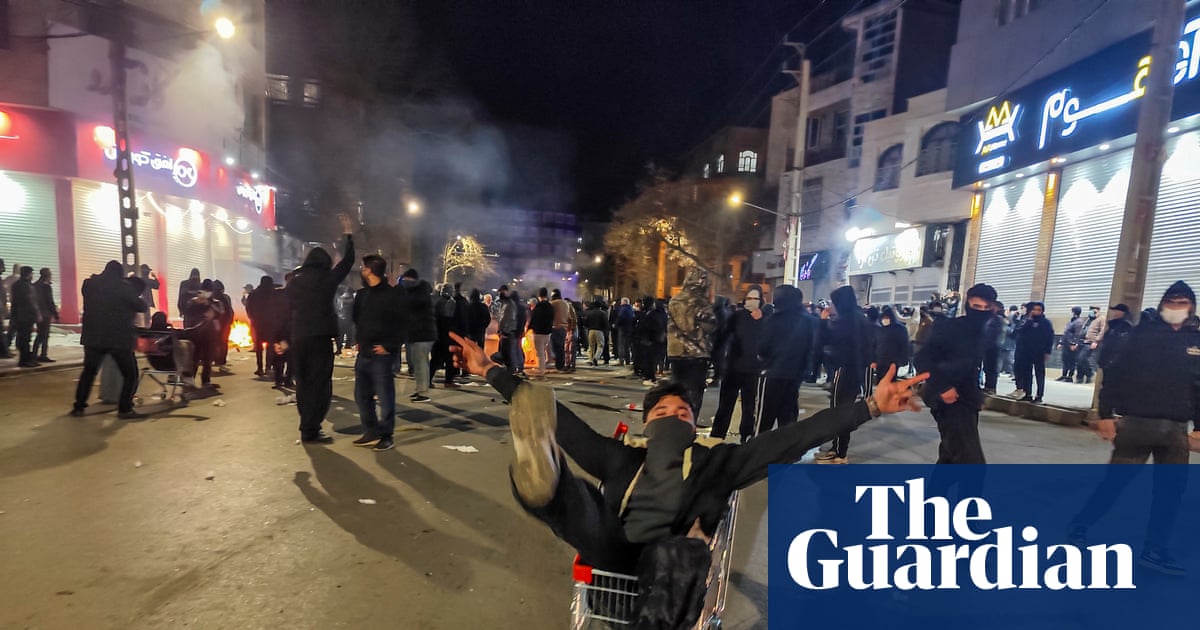
What they couldn’t do was check international headlines about thousands of people being killed by government forces during one of the bloodiest weeks in recent Iranian history. Nor, for the most part, could they get evidence out of Iran to the outside world – no pictures, no videos, no testimony of military vehicles being driven into protesters or family members being dragged from their homes and shot.
What Iran has, a splinternet, is becoming reality for many millions of people. It is likely to get far worse.