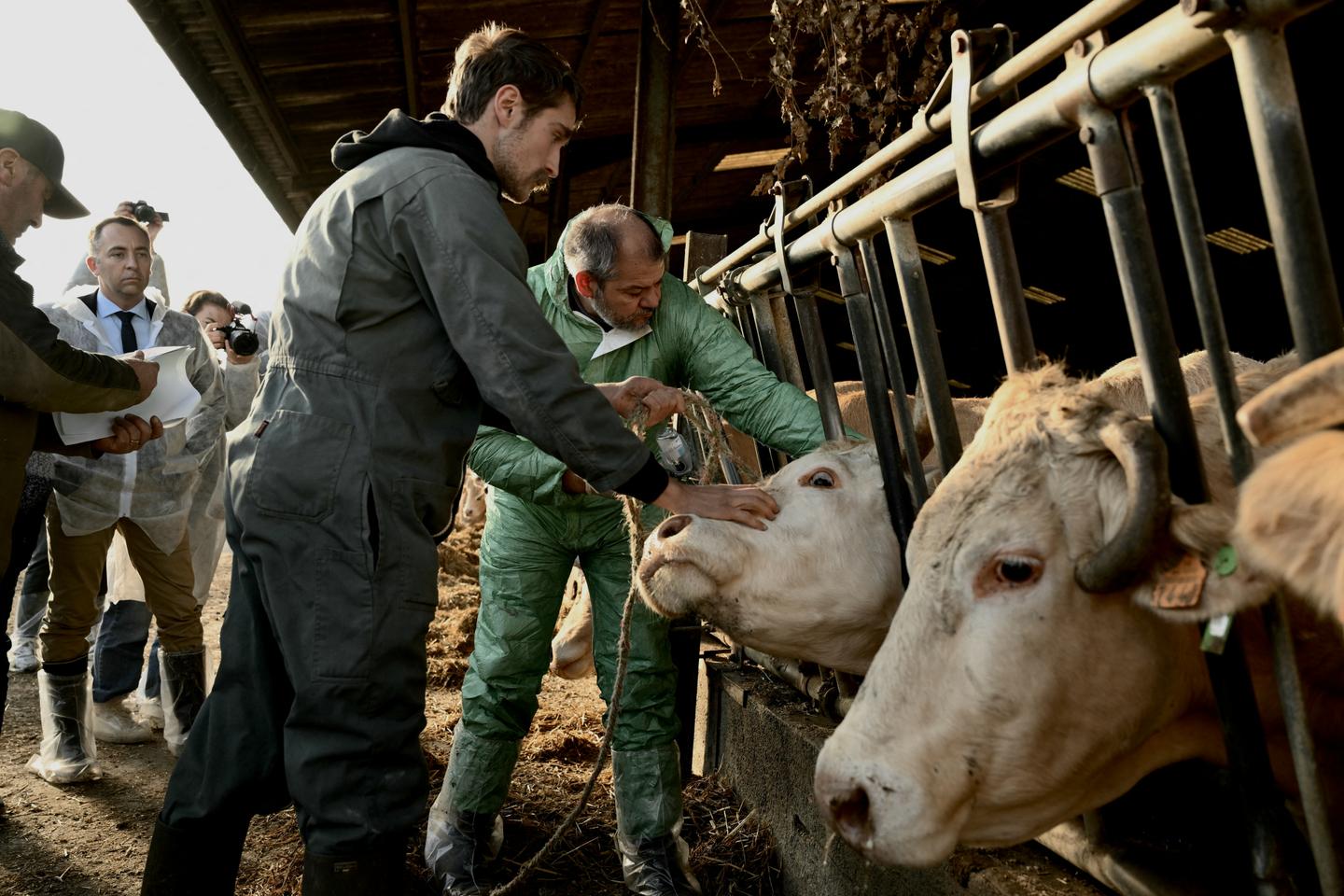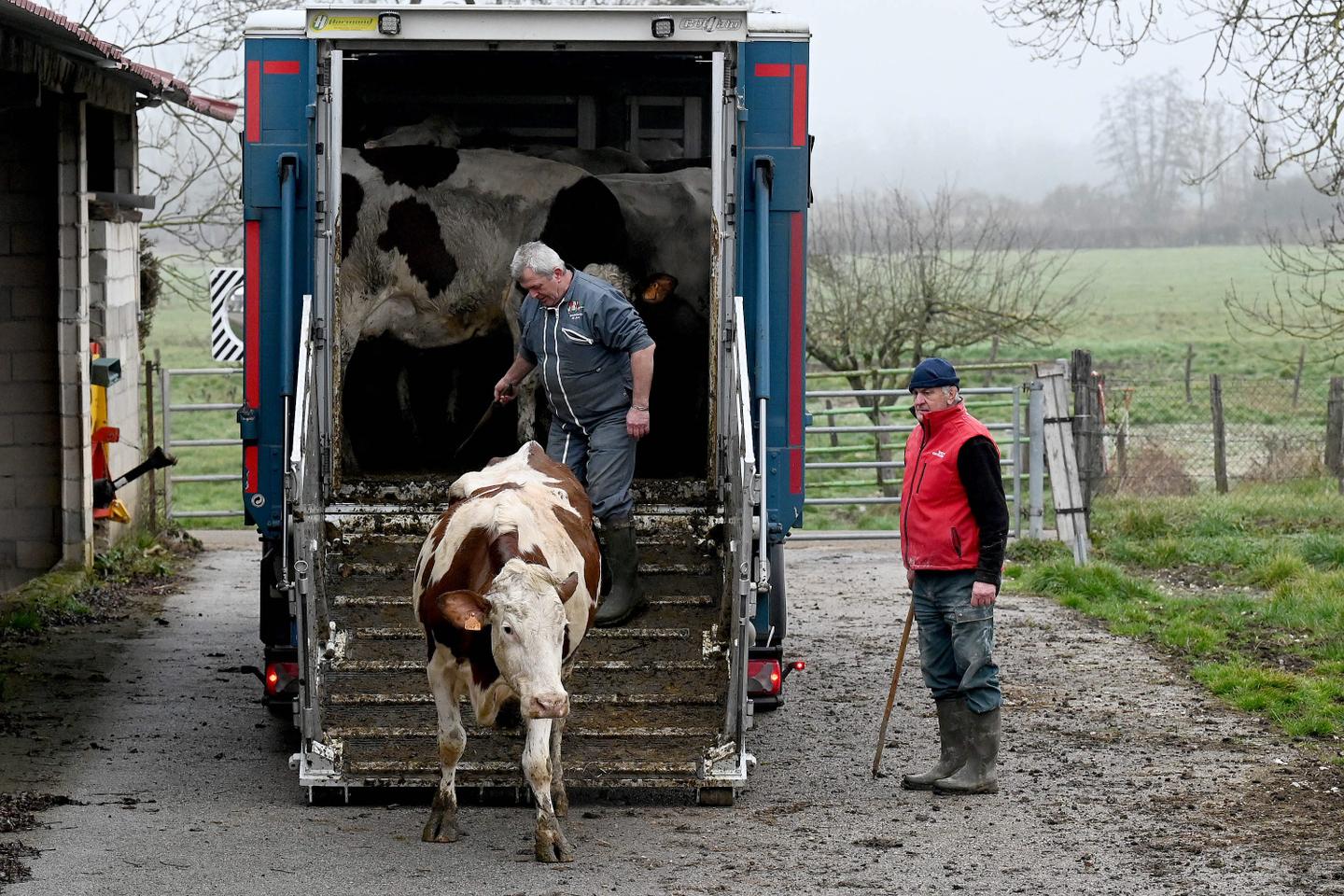
A group of cows is delivered to a farmer in Place d'Ecleux (Jura) to repopulate his herd after his previous cattle were culled in October 2025 due to contagious nodular dermatological disease, on January 20, 2026. PHILIPPE TRIAS/PHOTOPQR/LE PROGRÈS/MAXPPP
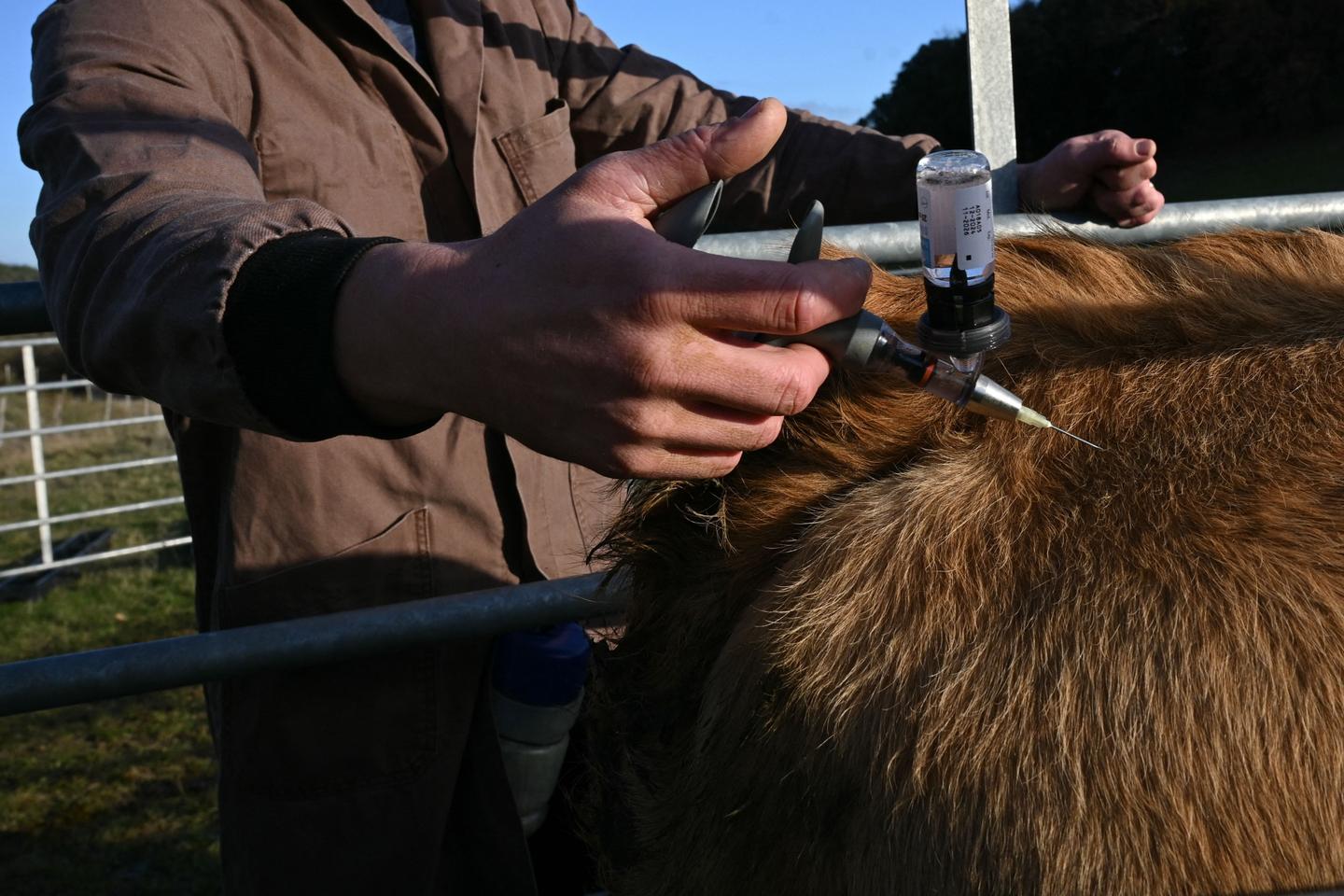
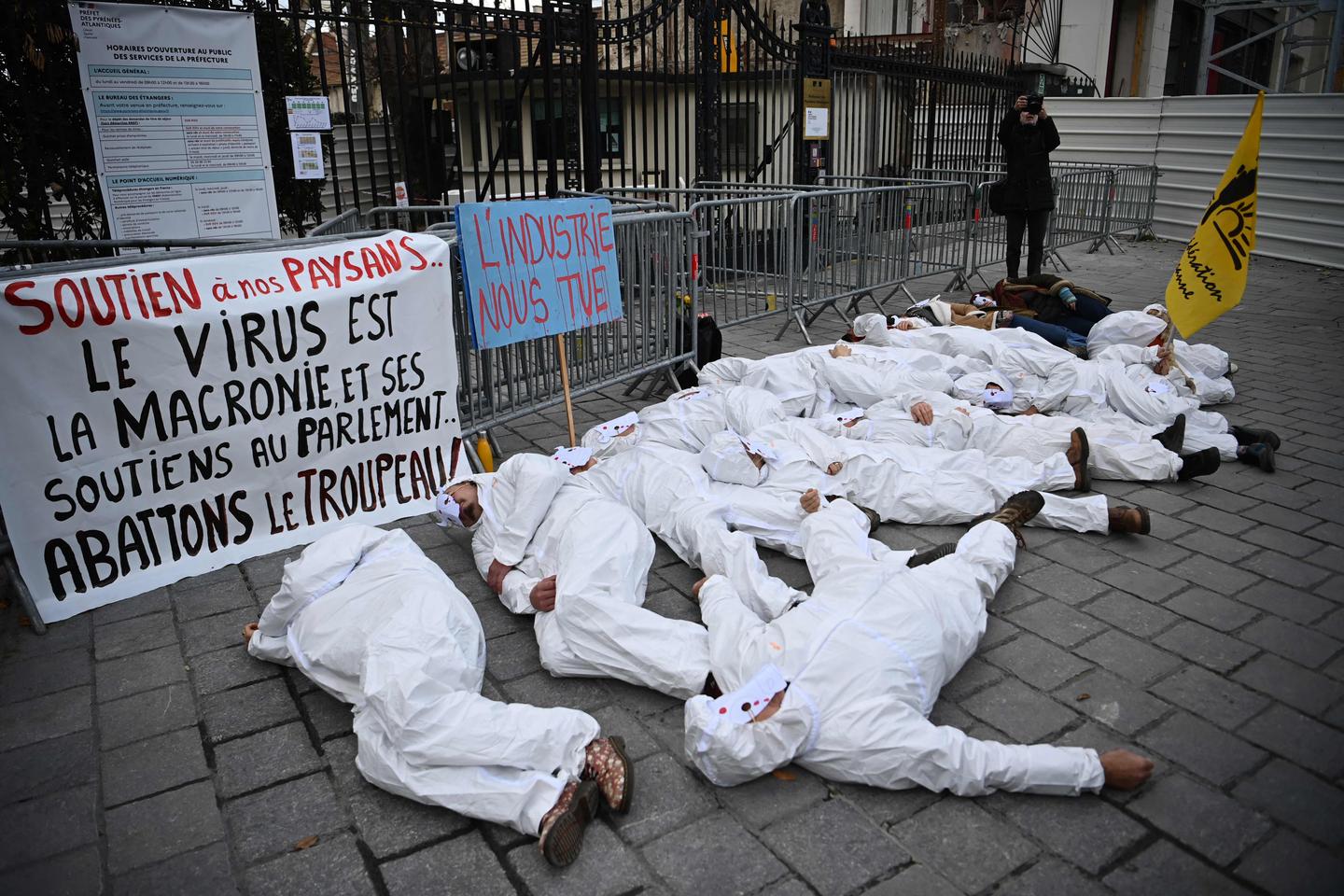
Eight months after the first case of lumpy skin disease was detected in its territory, France seems to be emerging from the health crisis. No new cases of this illness, more commonly known as lumpy skin disease, and which affects only cattle and is not transmissible to humans, have been identified since January 2. The large-scale vaccination campaign launched in December in the southwest protected nearly all livestock in this vast area, which covers 10 administrative departments. As a result, the last regulated zone still in place, around Ariège, was expected to be lifted on Friday, February 20, easing movement restrictions on cattle that had been designed to prevent the spread of the disease to other farms.
A symbol of a year marked by both a health and political crisis, the Salon de l'Agriculture, a major annual event for livestock farmers, will nevertheless open for the first time on Saturday without any cattle in attendance. "Professional organizations have opted for the precautionary principle," emphasized Raphaël Guatteo, professor and researcher in cattle herd health management at the National Veterinary, Agri-Food and Food School of Nantes-Atlantique. "From a strictly health perspective, the probability of contamination between cattle at the Salon de l'Agriculture is low, but if this had been the case, the consequences would have been very serious."