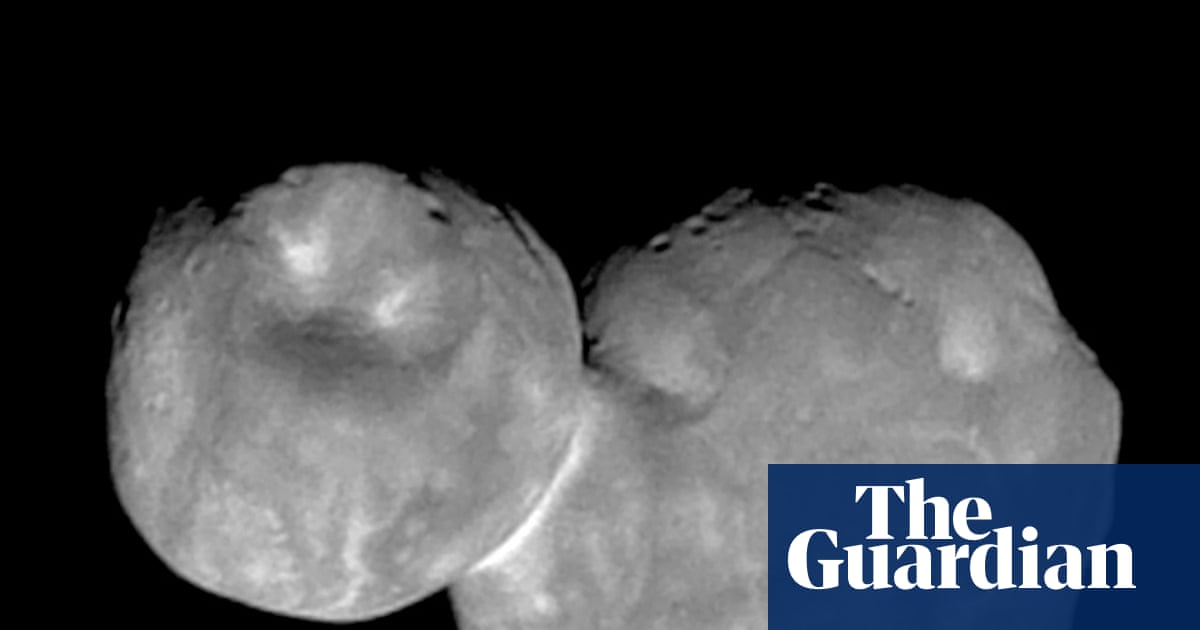
Research adds weight to theory Arrokoth’s two lobes produced by gravitational collapse – and reveals process
It is the most distant and primitive object ever visited by a spacecraft from Earth: now researchers say they have fresh insights into how the ultra-red, 4bn-year-old body known as Arrokoth came to have its distinctive snowman-like shape.
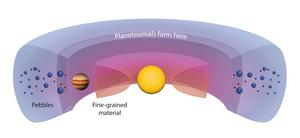
Arrokoth sits in the Kuiper belt, a vast, thick ring of icy objects that lies beyond the orbit of Neptune. This region of space is home to most of the known dwarf planets as well as comets and small, solid rubble heaps called planetesimals – the building blocks of planets.
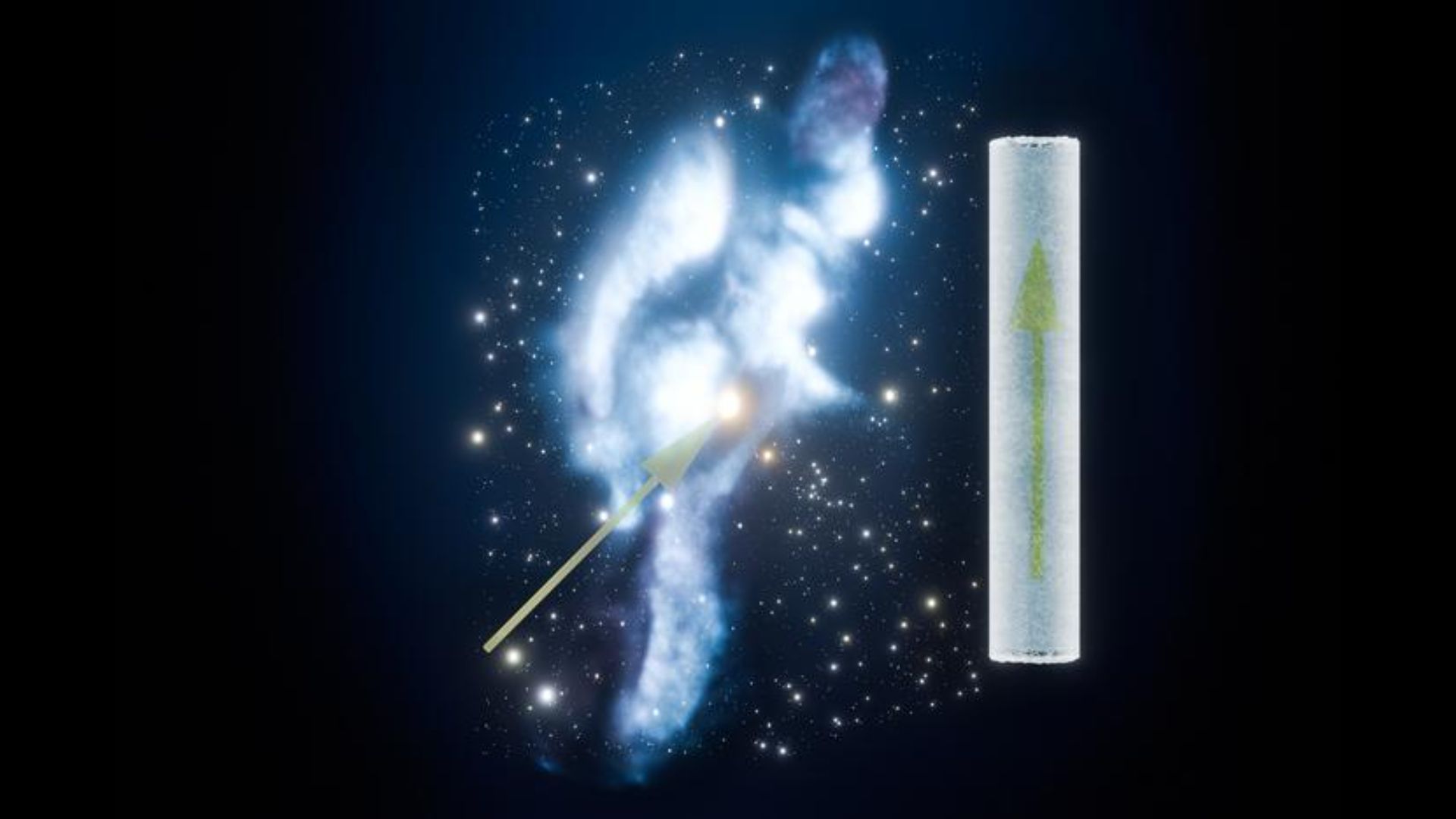
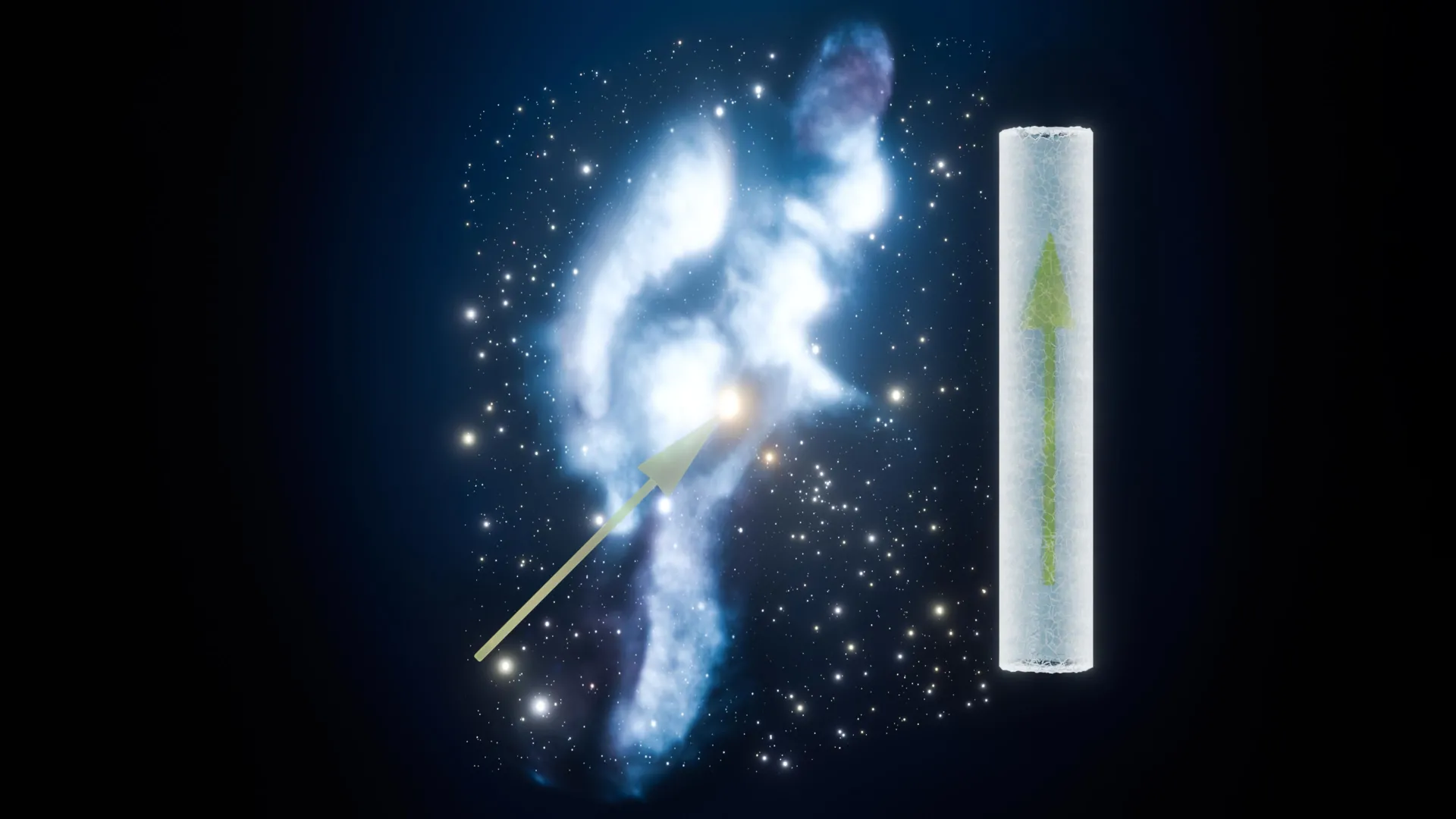
Not all of these planetesimals are rounded: indeed, astronomers estimate 10-25% of those found in the Kuiper belt, including Arrokoth, have two lobes, meaning they look a bit like a peanut or a snowman.
Experts have previously said Arrokoth’s shape, composition and small number of craters suggests both lobes formed at the same time and in a non-violent way, proposing that this could have occurred through a process known as gravitational collapse. However, the details of just how this would have happened have been debated.