T
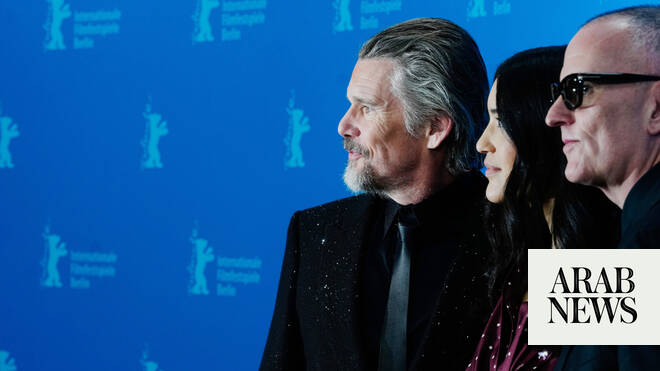
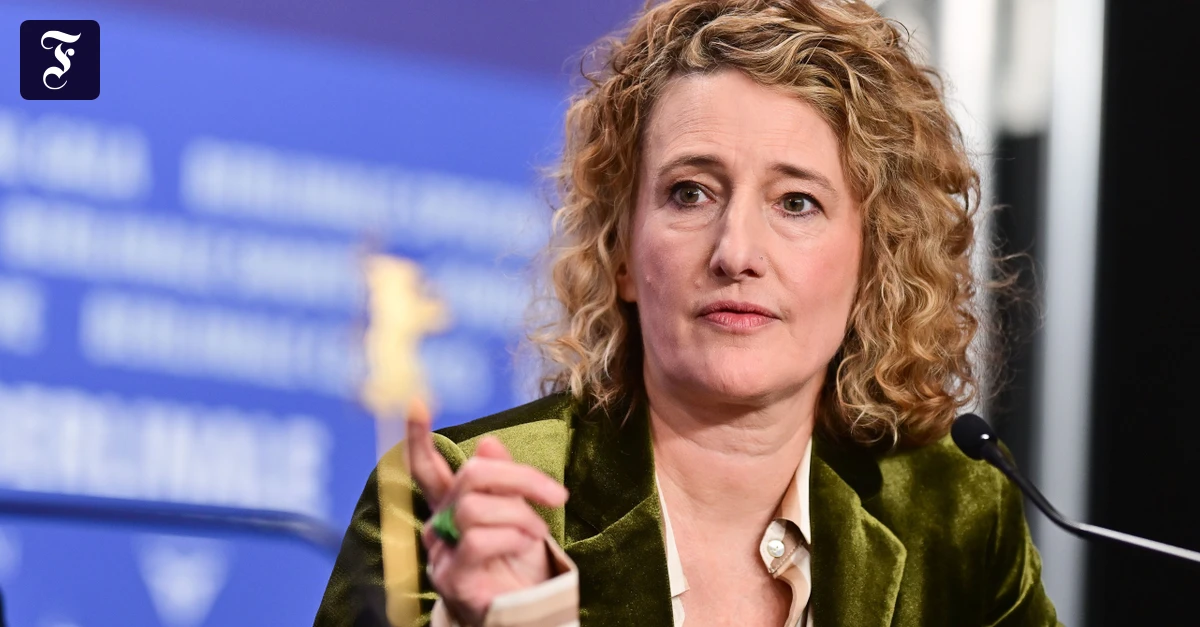
he idea that artists lack the necessary knowledge or valid experience to weigh in on social issues is nothing new. But the recent calls for their censorship by public figures and politicians, the Berlinale controversy, or the admission by certain artists that they want to make "apolitical art," signal an urgent need for renewed reflection on the credibility and value of artists as citizens.
After the publication, in 2022, of an article in the Spanish press attributing utterly fanciful quotes to me – about the value of art, no less – the irony of writing this piece today isn’t lost on me. Nor does it discourage me from wanting to take part in this conversation. Quite the opposite.
To return to basics: "political" comes from the ancient Greek politikos – "relating to the citizen, to the city." In ancient Greece, the term referred to everything concerning the collective life of the polis: common affairs, the organization of the community, collective decisions about the common good. In Politics, Aristotle defines the human being as zôon politikon – a "political animal," that is, "a being made to live in an organized community." By that logic, all art is fundamentally political – and without necessarily taking sides, it participates in the advancement, the maintenance, and the care (maintenance of the social fabric) of the community.