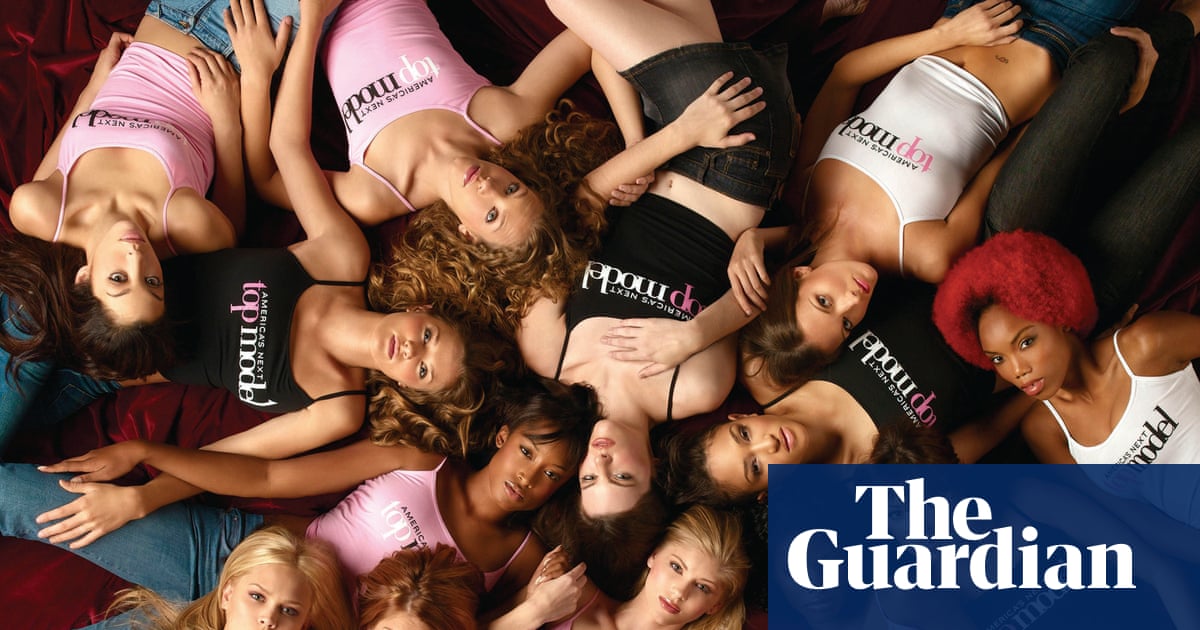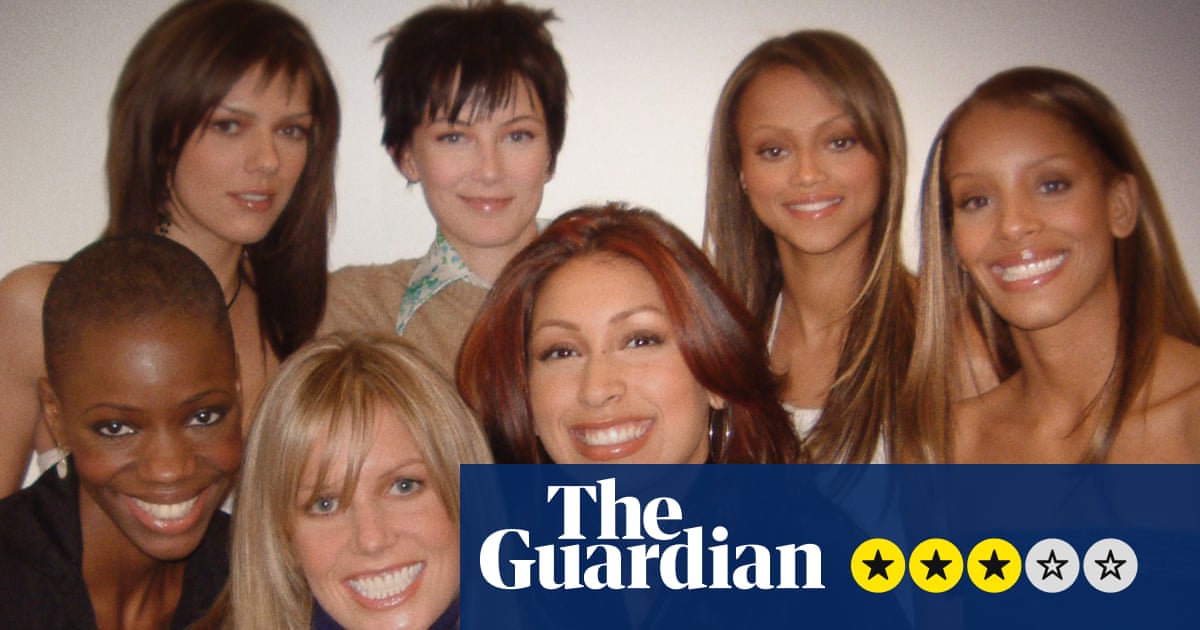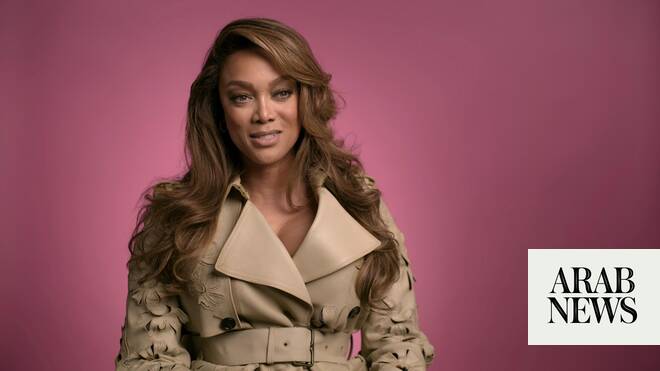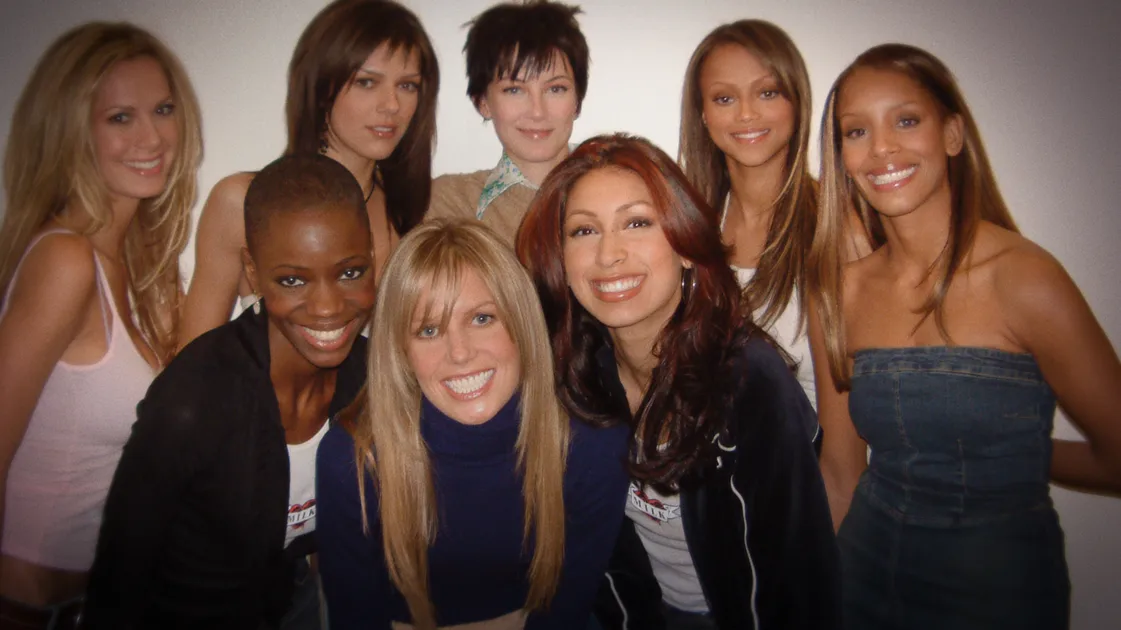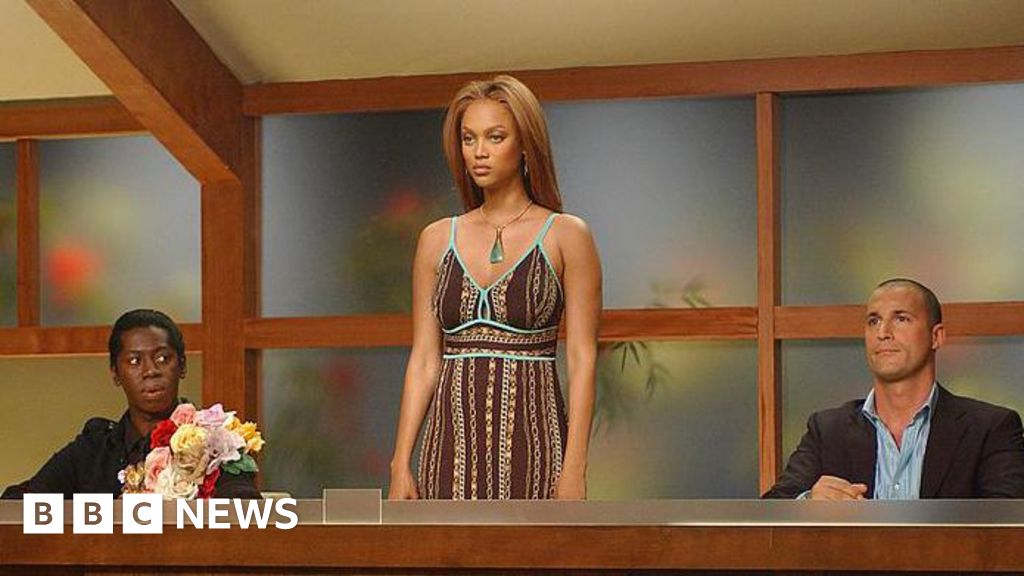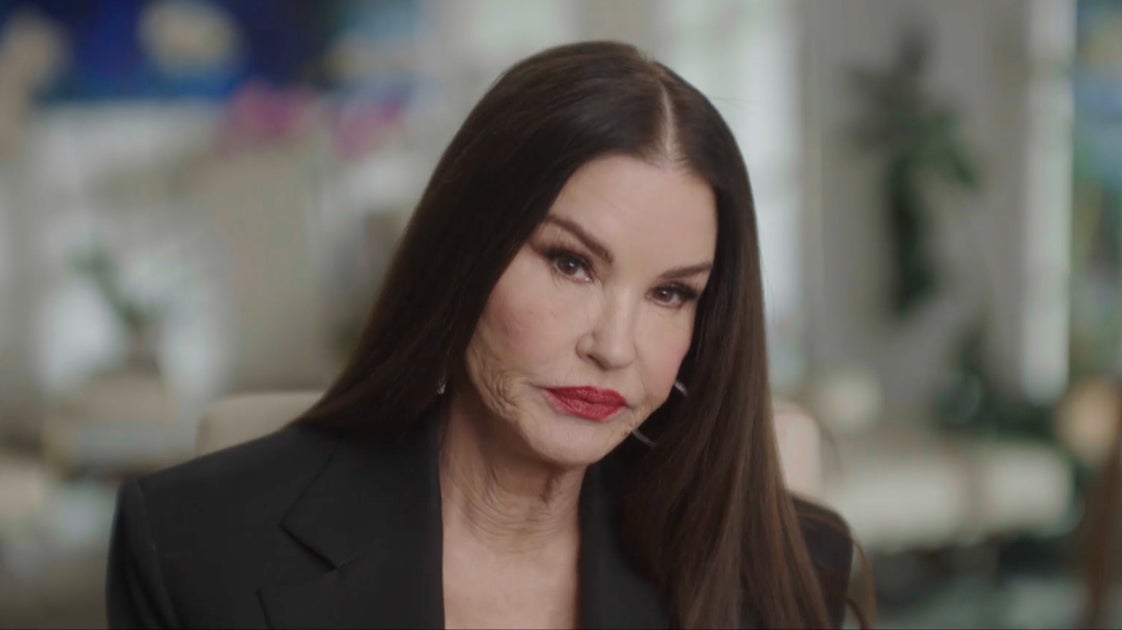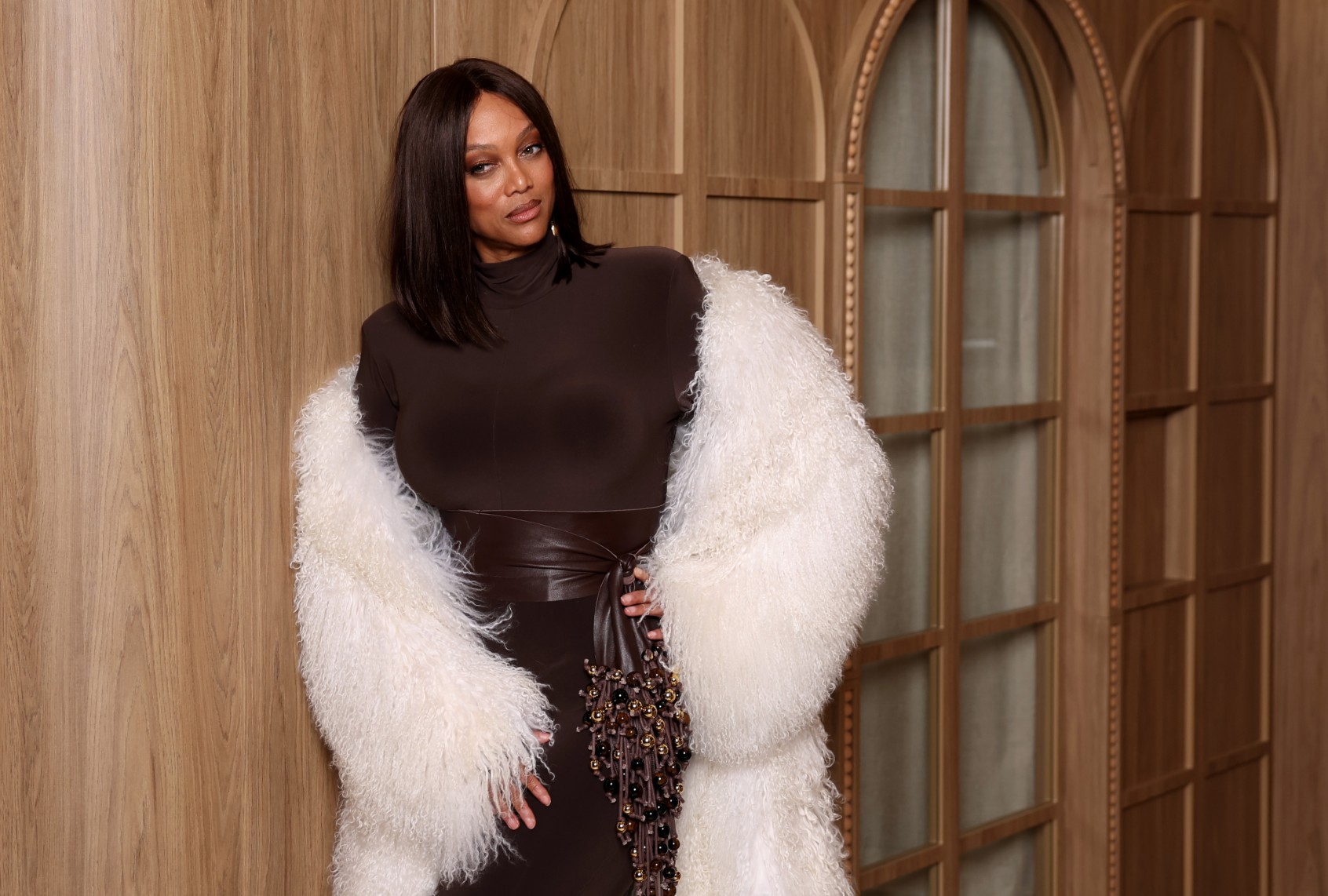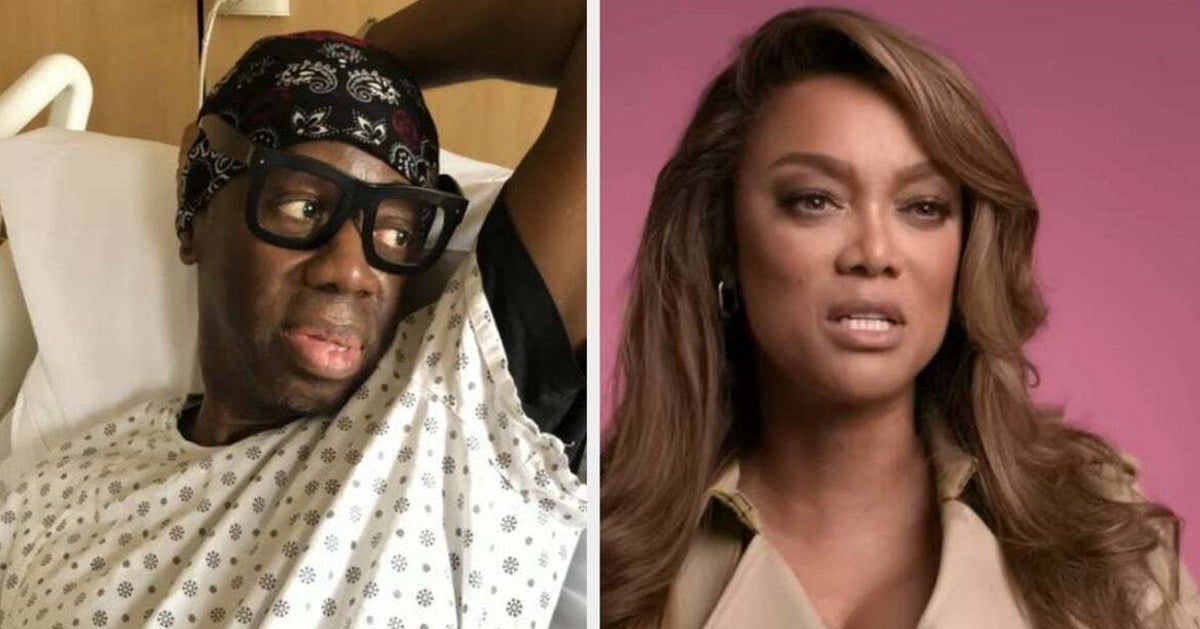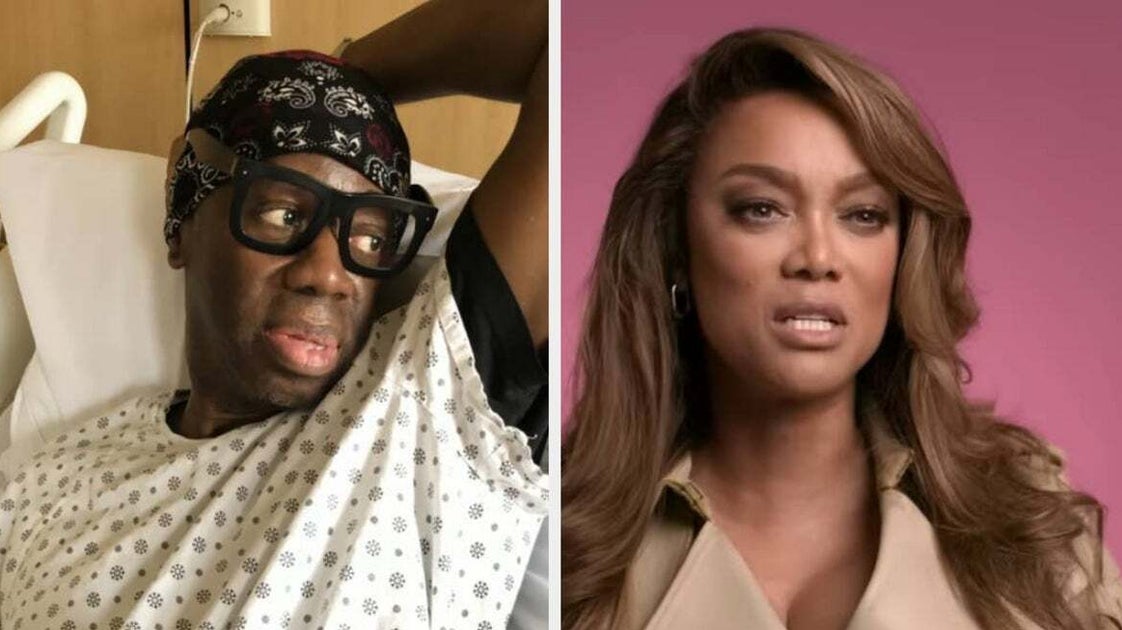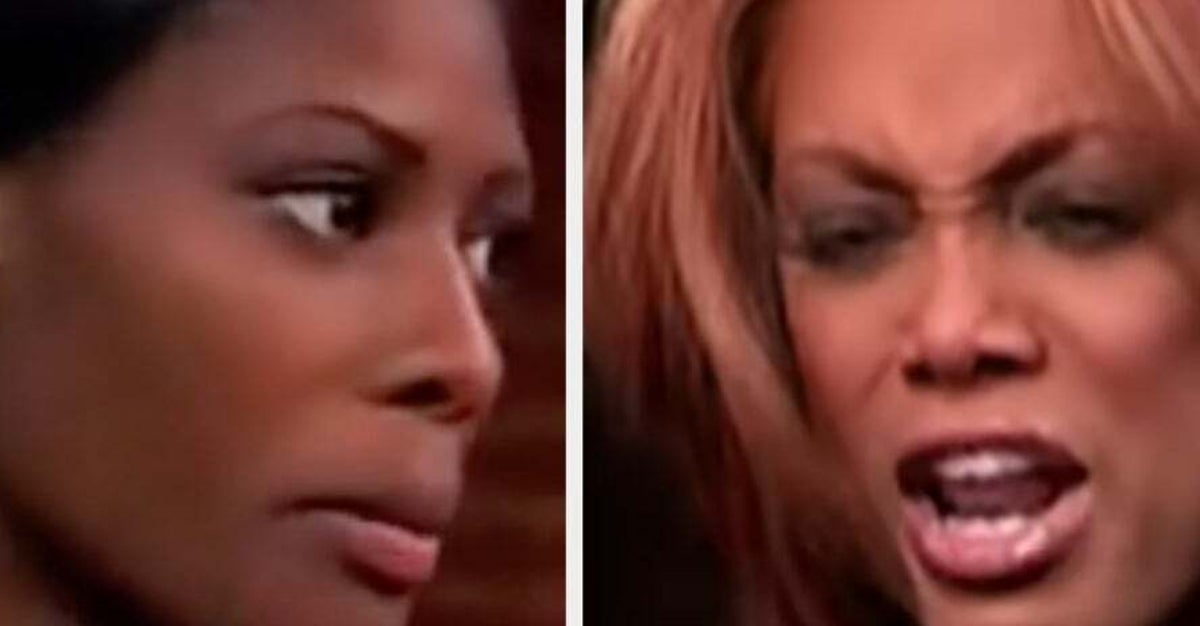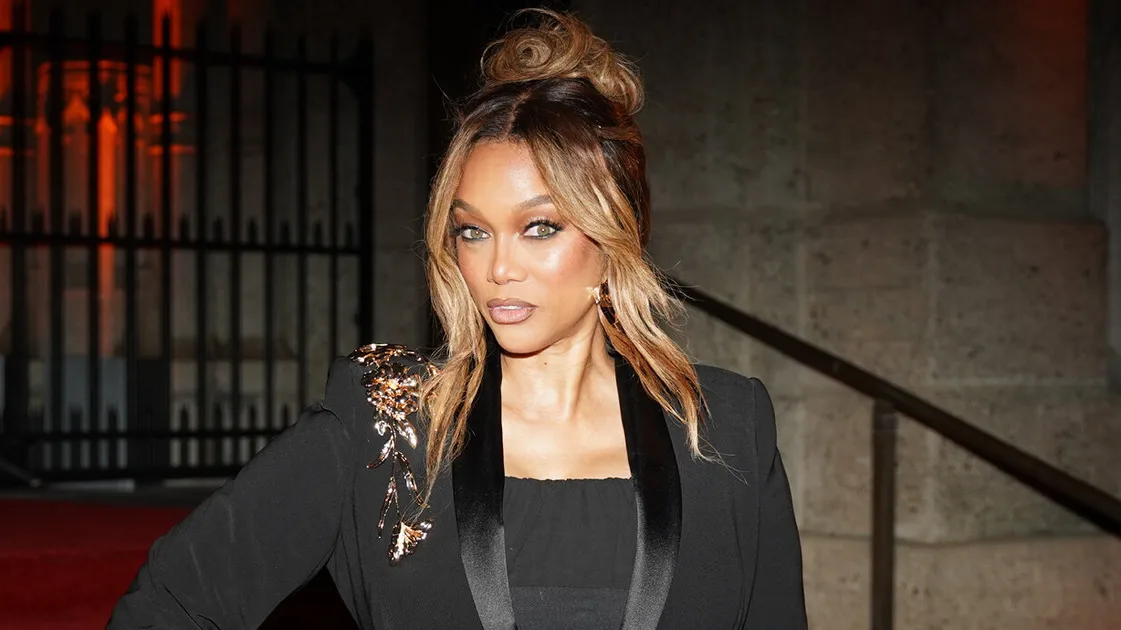
By now, you’ve probably heard about the juicy, infuriating and darkly entertaining Netflix docuseries “Reality Check: Inside America’s Next Top Model,” which delves into the dirty side of the 2000s reality TV show, “America’s Next Top Model.” Among other things, the series exposes how the contestants on the show were deliberately humiliated, pressured to change their appearance in irreversible ways, and sometimes, had their modeling careers ruined thanks to the show’s reputation. The docuseries is peppered with content creators’ more recent reactions to the show, since apparently many Gen Zs watched it during the pandemic. The commentary is searing — and rightfully so.Many who have pointed out that Tyra Banks — who spoke publicly for the first time about “ANTM” since the show ended — seemed to take little accountability for the damage she caused contestants. “Was the #RealityCheck ANTM documentary meant to help Tyra Banks clear her name? Cause idk if it did,” an X user posted. “Tyra Banks at the end of that ANTM documentary announcing a cycle 25 and not giving a single f*ck,” another wrote. I can attest that she was giving an intense level of nonchalant, considering the trauma her show gave to so many women. But if you’re like me, you probably couldn’t help but still have mixed feelings about everything that went down with “ANTM.” Like many who grew up in the 2000s, the show was the first time I saw true, unapologetic queer representation. As a closeted gay kid in Texas, who watched the show with my older sister, “The J’s,” two out-and-proud gay POC judges on the show, were a window into a world where queerness didn’t just exist. It was celebrated. The diversity didn’t just end with the judges. Tyra Banks was the executive producer, and her right-hand man was an Asian American TV executive, Ken Mok. To have an all-POC and predominantly queer cast and crew running the most successful show on TV was unheard of, and the documentary addresses how much pushback they received while pitching the show, including facing pressure to replace a Latina contestant with a white one. Tyra also championed models that would have never gotten a chance in the fashion industry at the time, including many darker-skinned Black models, queer models, and what were then considered “plus sized” models. But watching the documentary also made it abundantly clear that Tyra perpetuated many of the systems she claimed to fight. She was noticeably harsher toward the darker-skinned Black contestants; in the most infamous scene in the show, which has been memeified ad nauseam, she relentlessly scolds a Black model that Tyra feels isn’t trying hard enough, Tiffany Richardson, so severely that lawyers get involved. The show also recounts an instance in which she called a Black contestant’s skin “ashy,” a word that has been used historically to demean Black people. To be clear, this model, from what we could see, had a minor breakout. She was definitely not “ashy.” Often, these critiques were framed as “tough love,” perhaps Tyra’s way of “protecting” the models by showing them how the fashion world at large would treat them. Ironically, it wasn’t the world that ended up verbally harassing these girls, but Tyra herself. Like many, I believe that “ANTM” probably started out with great intentions. There’s no doubt Tyra Banks had to fight tooth and nail to be taken seriously in the fashion world of the 90s, and was pitted against the only other Black supermodel, Naomi Campbell. But the docuseries also made it clear that just because the people behind a TV show or a movement are “diverse” doesn’t mean that they’re equipped to uplift the people in their communities. Creating deep change requires healing and awareness of how you might be repeating harmful patterns. Clearly, Tyra was not equipped.Although “ANTM” didn’t have a happy ending, we can hold two truths at once: The show was groundbreaking in terms of representation, and it also failed many of the people it claimed to uplift. We can celebrate what they did for diversity while also recognizing that perhaps the show lost the plot along the way. I’m thankful that we’re at a place now where we understand that “diversity” isn’t just about putting a bunch of minorities in one place, but also about empowering them.
This Show Brought Diversity To TV — But It Also Left A Trail Of Trauma
The show’s legacy is complicated — and we can’t stop talking about it.
717 words~3 min read