T
he second phase of US President Donald Trump's plan for Gaza, incorporated into international law by Security Council Resolution 2,803 on November 17, 2025, called for the disarmament of Hamas, a further withdrawal of the Israeli army and the arrival of an international stabilization force. "After the [Palestinian Authority] reform program is faithfully carried out and Gaza redevelopment has advanced, the conditions may finally be in place for a credible pathway to Palestinian self-determination and statehood." The idea, then, was to proceed step by step, with the possibility of a political solution someday.
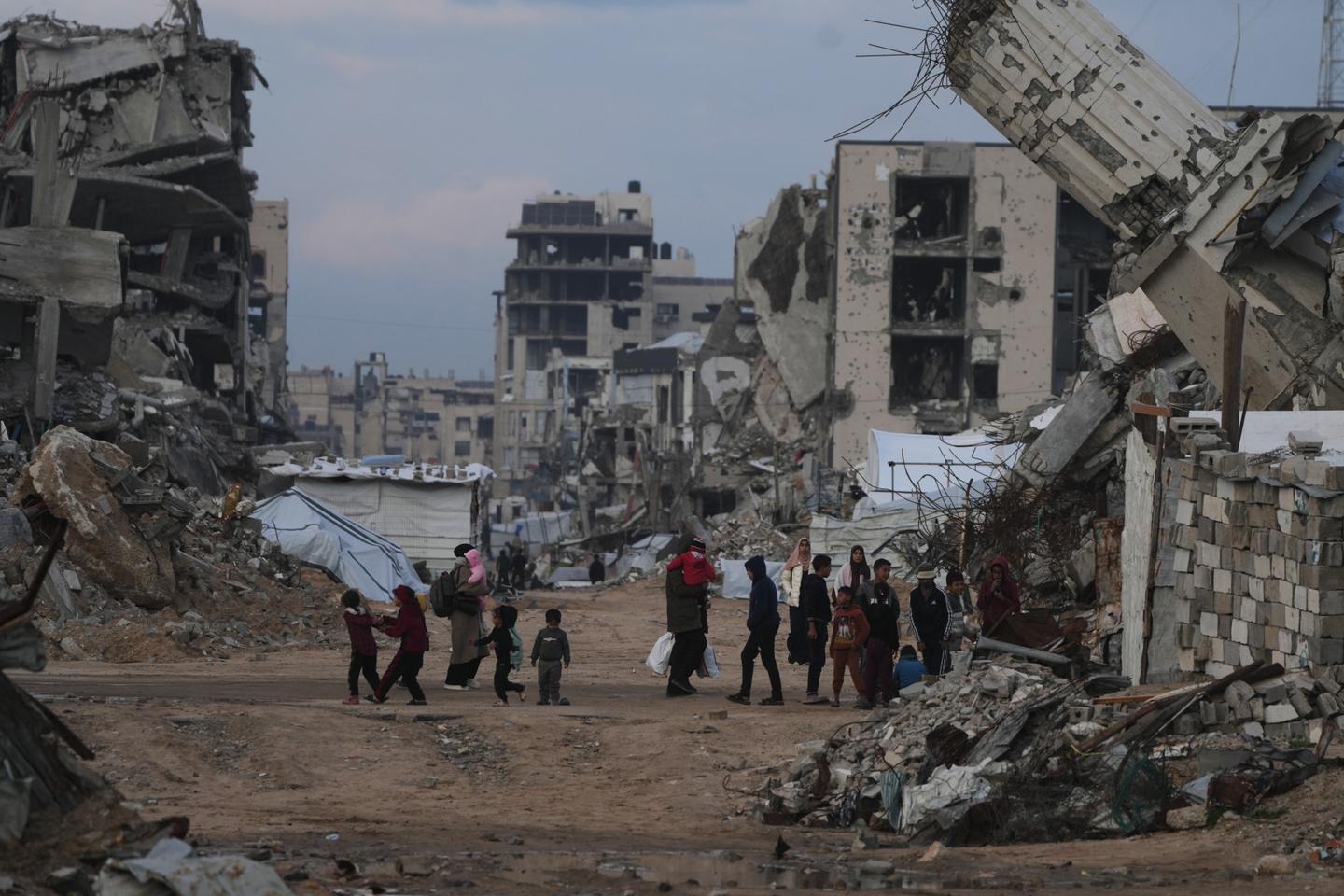
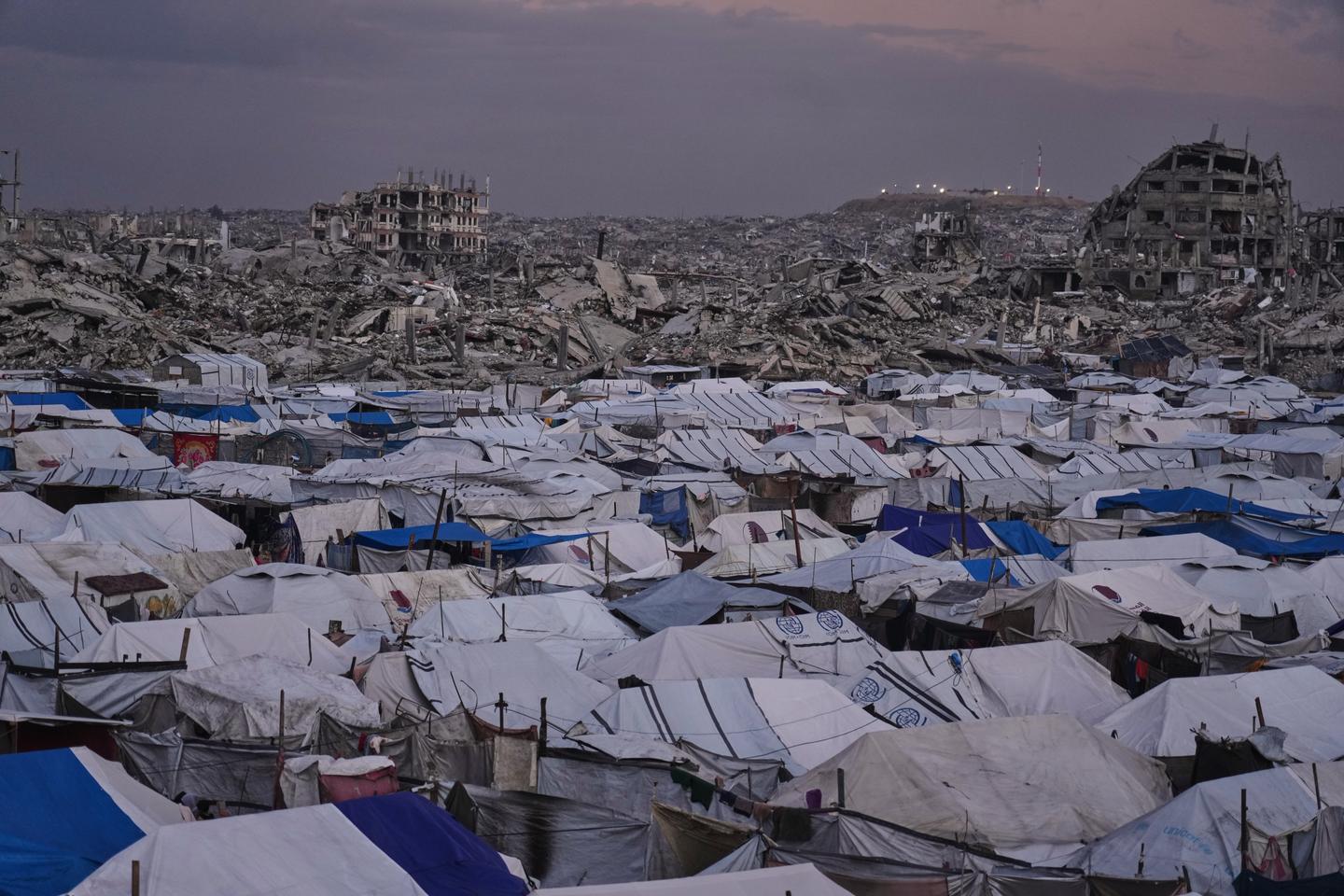
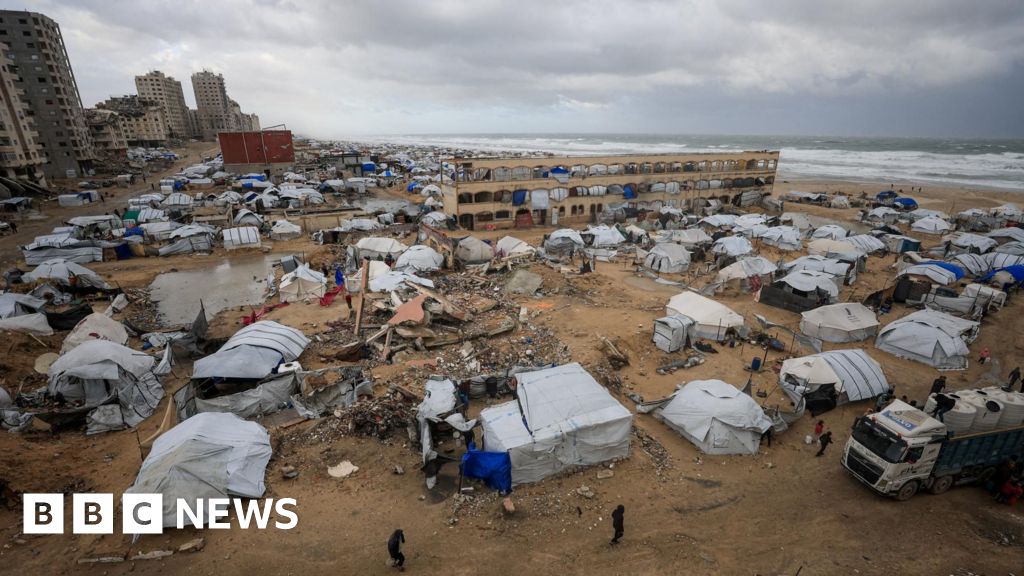
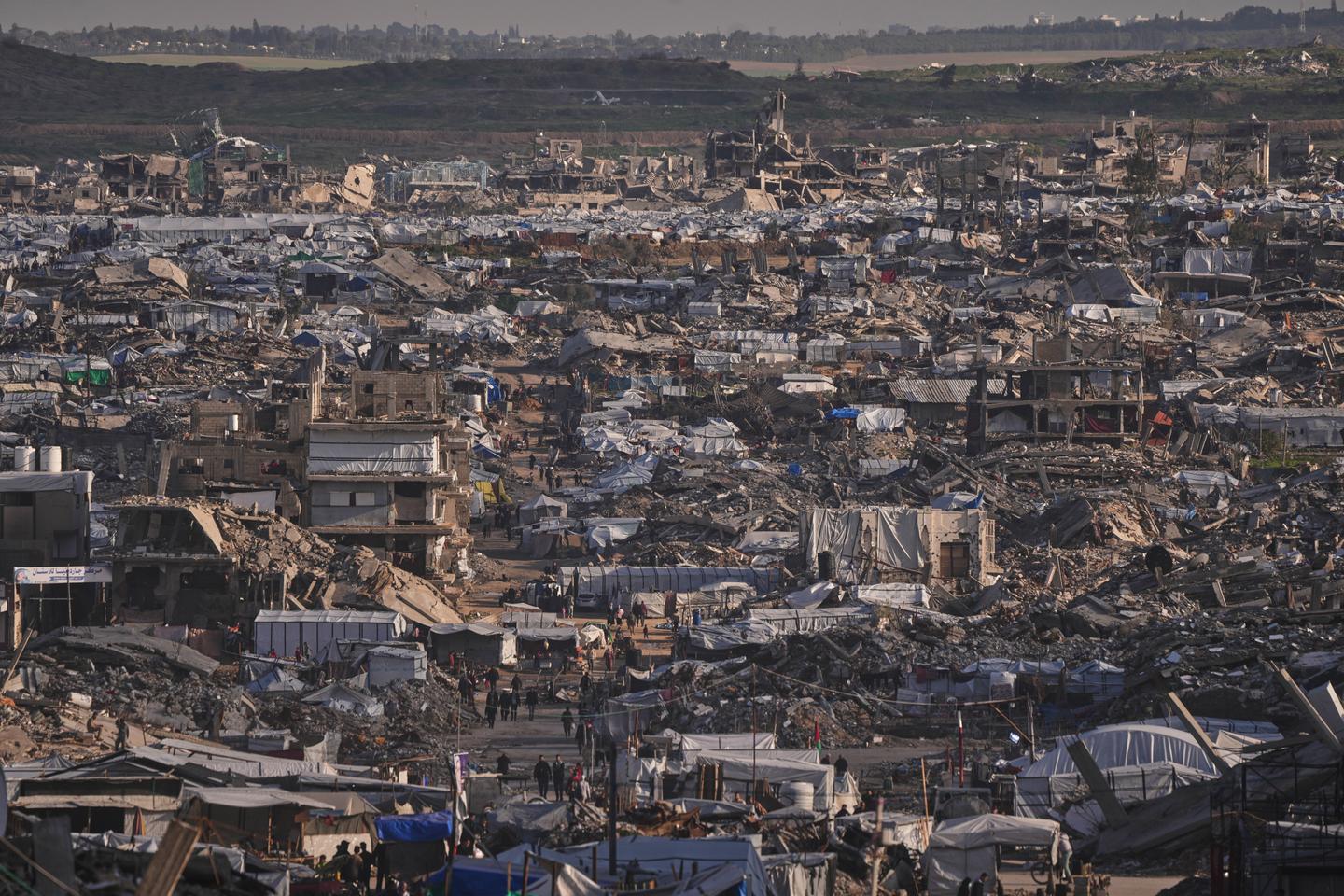
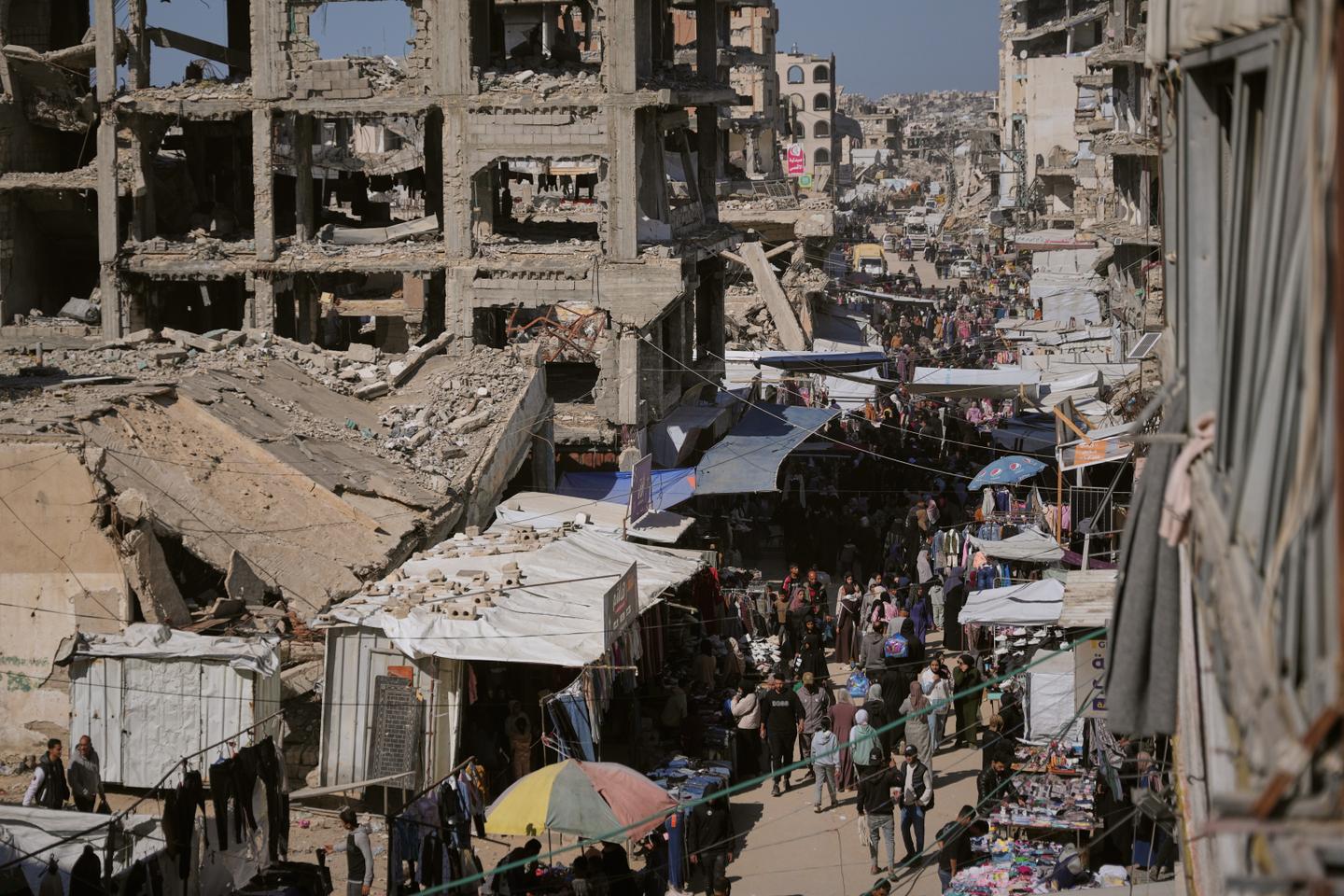
In reality, the scenario unfolding on the ground reveals a very different picture. Far from evolving, it risks indefinitely formalizing Gaza's territorial fragmentation on either side of the so-called yellow line: to the east, the green zone under Israeli control, and to the west, the red zone where nearly the entire population of Gaza has been crowded into camps.
In the green zone, emptied of its population by force and left in ruins, reconstruction projects already appear to be underway, starting in the south of the enclave on the ruins of Rafah, a city with more than 200,000 residents in 2024. Led in particular by property developer and Trump's son-in-law Jared Kushner, working closely with Israelis, these plans include the creation of "safe communities," each designed to house roughly 25,000 Palestinians with access to basic services. Gazans wishing to live there will be selected according to security criteria imposed by Israel and subjected to strict biometric surveillance. Every detail is accounted for, including the idea of a digital wallet as the only means of payment, denominated in shekels.