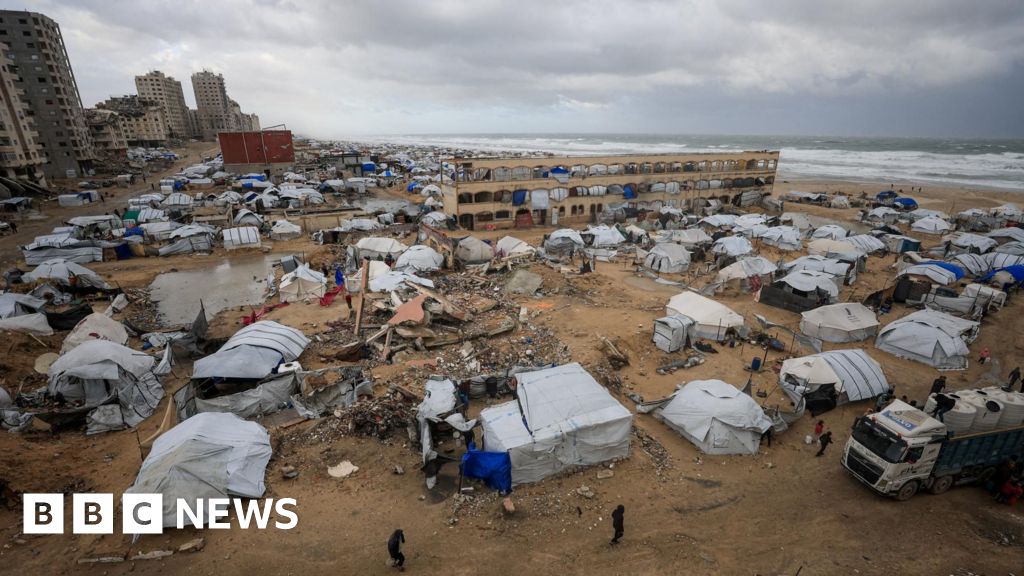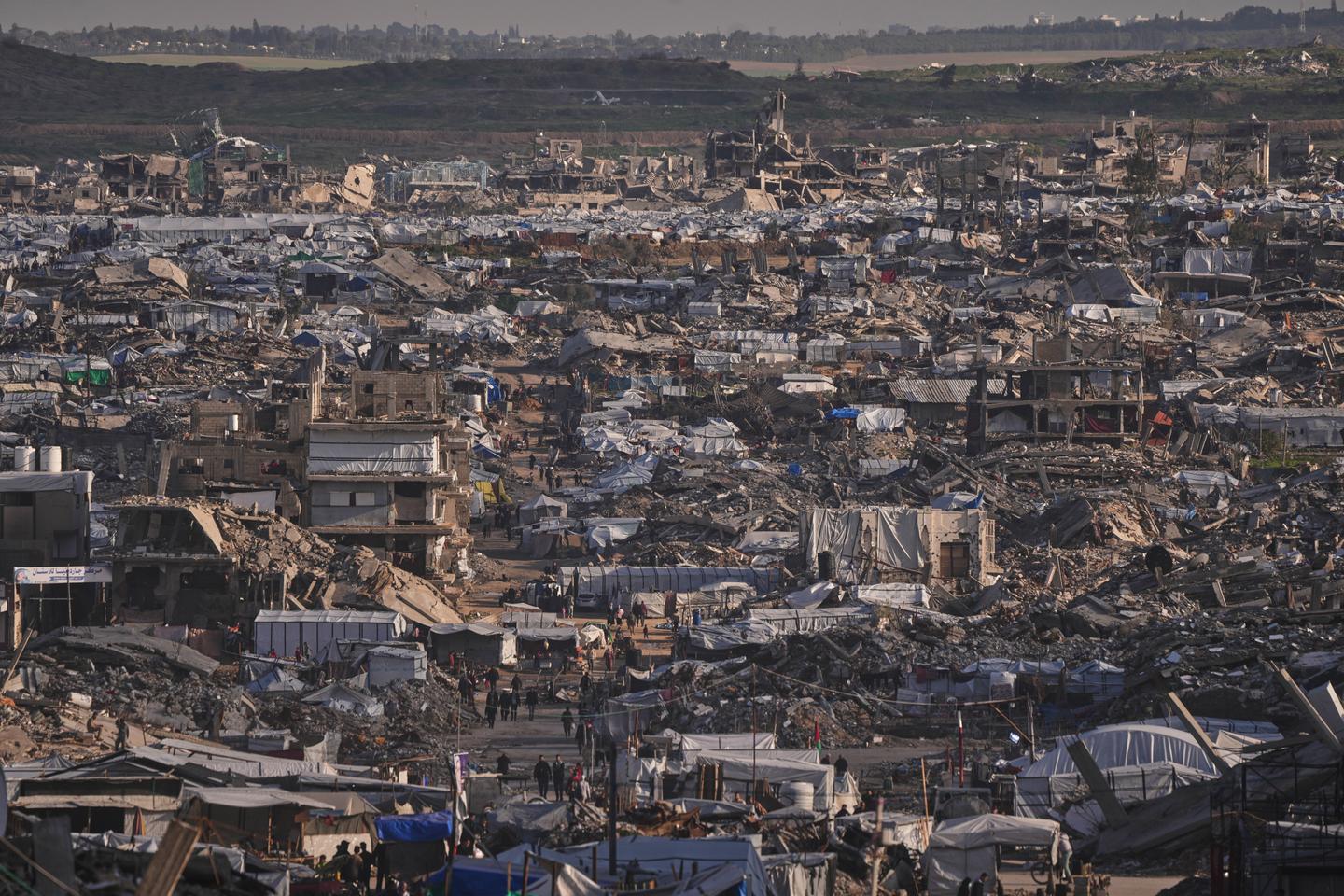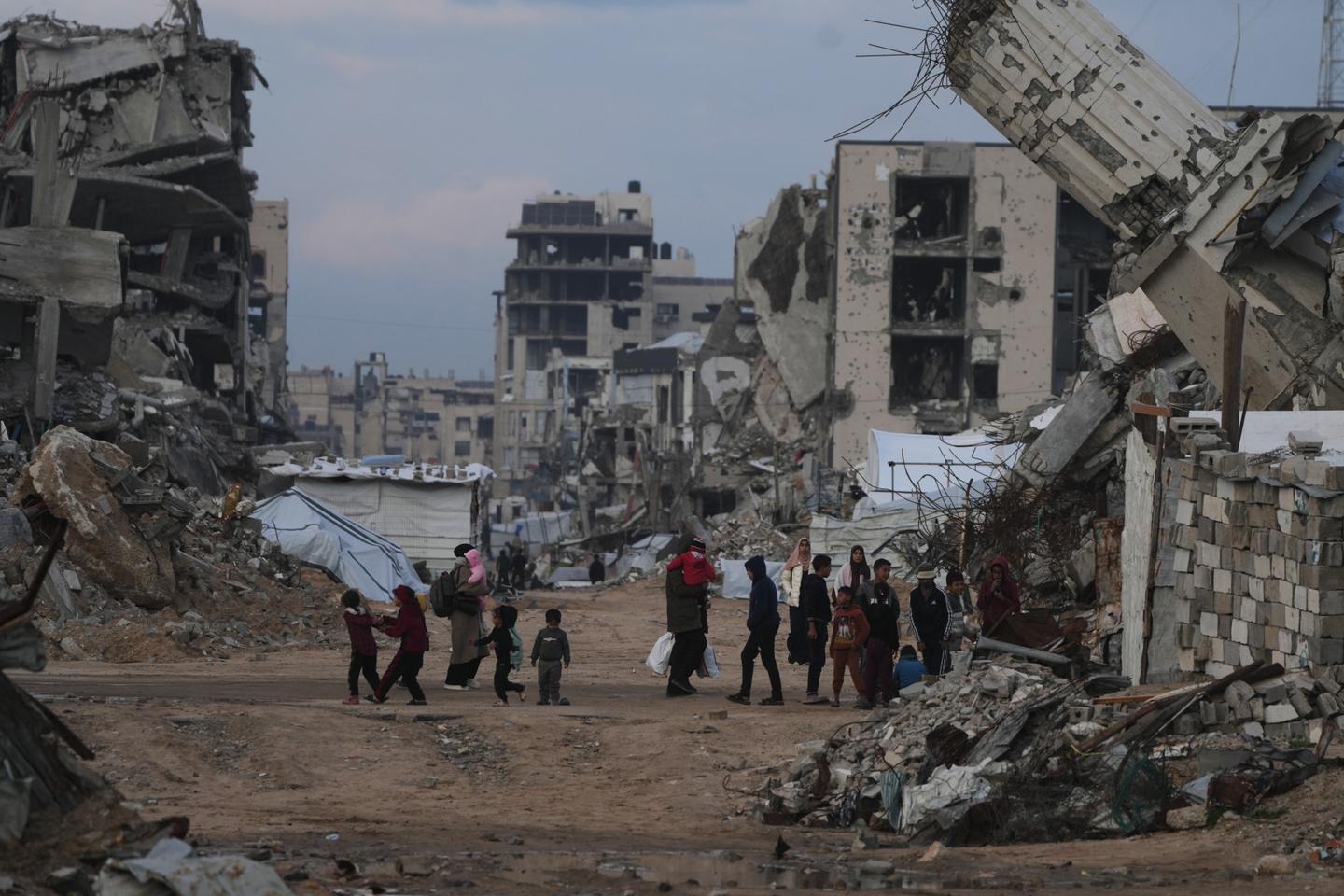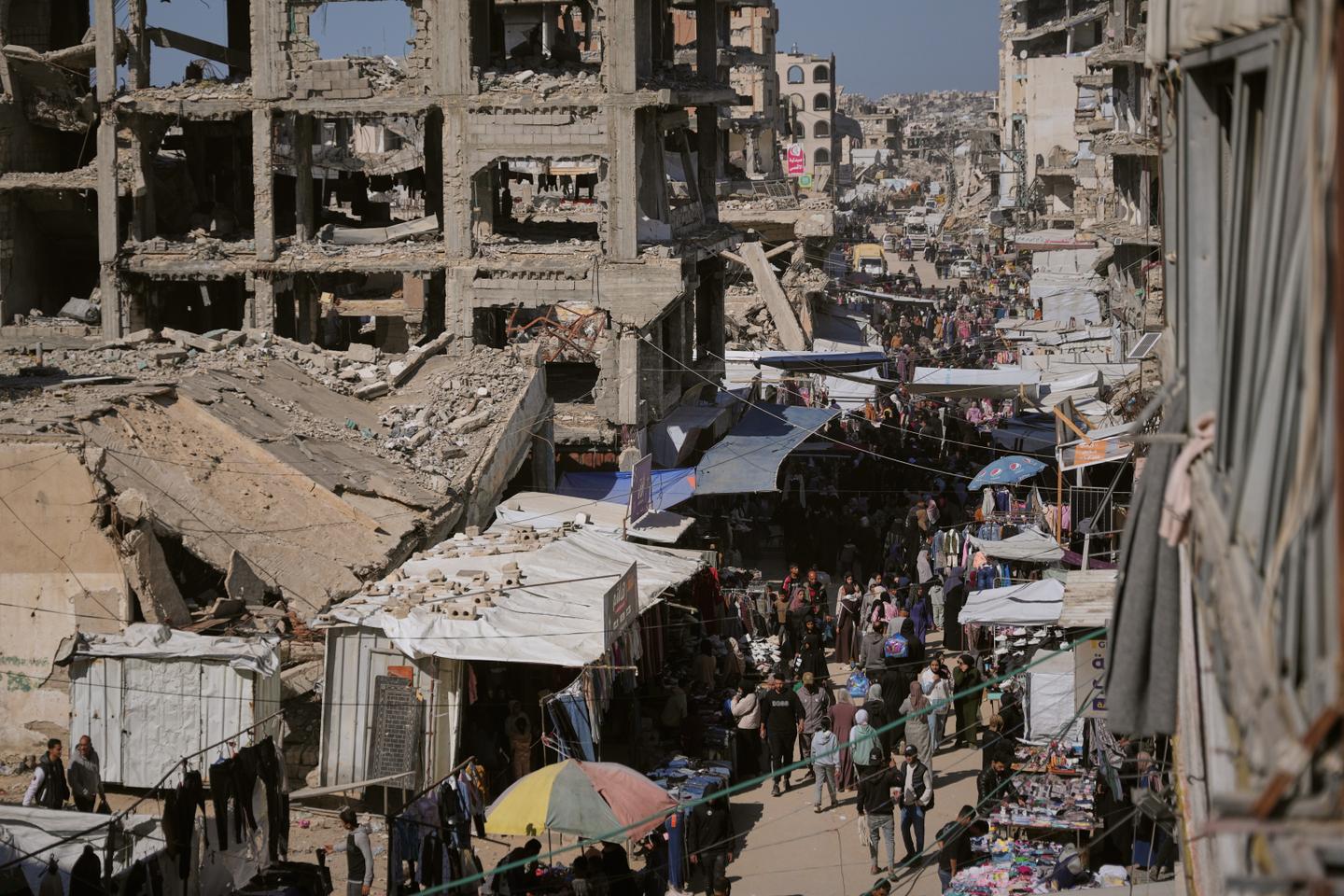
A market in Khan Yunis, in the south of the Gaza Strip, on March 17, 2026. ABDEL KAREEM HANA/AP
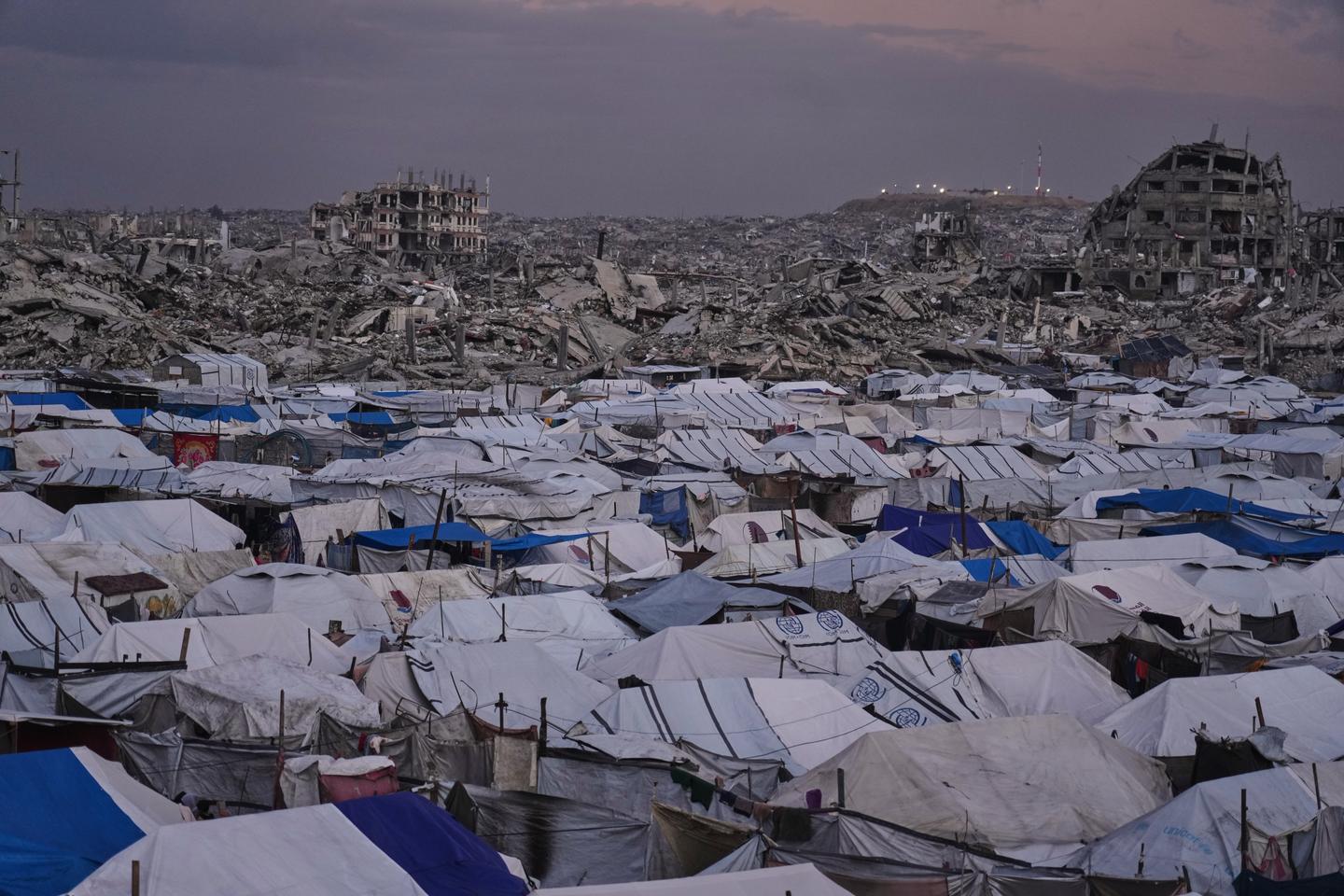
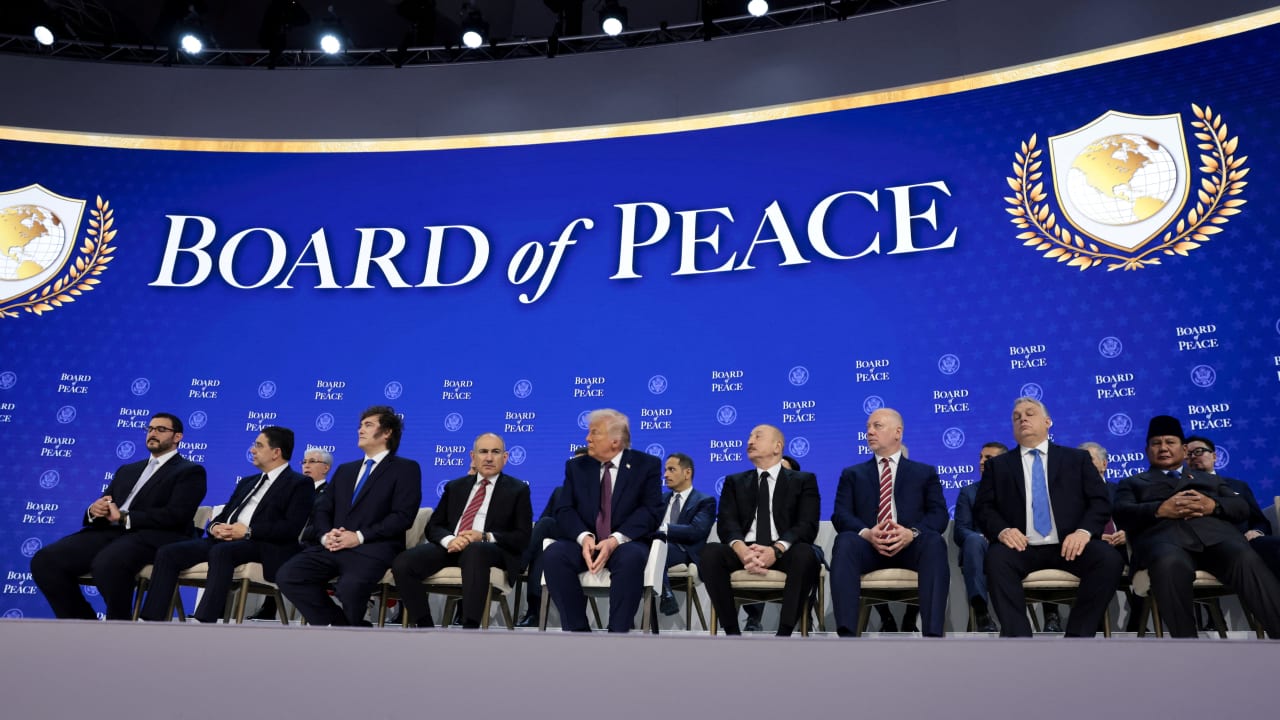
The second phase of Donald Trump's peace plan for the Gaza Strip, where the impoverished population relies on humanitarian aid to survive, has ground to a halt. On January 14, the US announced the next stage of its 20-point roadmap – first set into motion in October 2025 – which aims in particular to demilitarize the Islamist militant group Hamas, and reconstruct the devastated enclave. Yet there has been no significant progress.
Since February 28, when Israel and the United States launched their joint offensive against Iran, the two allies have concentrated their military power on the Islamic Republic, shifting international attention to a regional conflict that has engulfed the Gulf. Israel is also engaged on the Lebanese front, carrying out heavy bombardments against the strongholds of the Shiite militia in Lebanon. These strikes intensified after the March 2 attack by Hezbollah against Israel in retaliation for the February 28 assassination of Supreme Leader Ali Khamenei in Tehran.
Subscribers only
Military victory, political stalemate: The US's strategic myopia in the Middle East