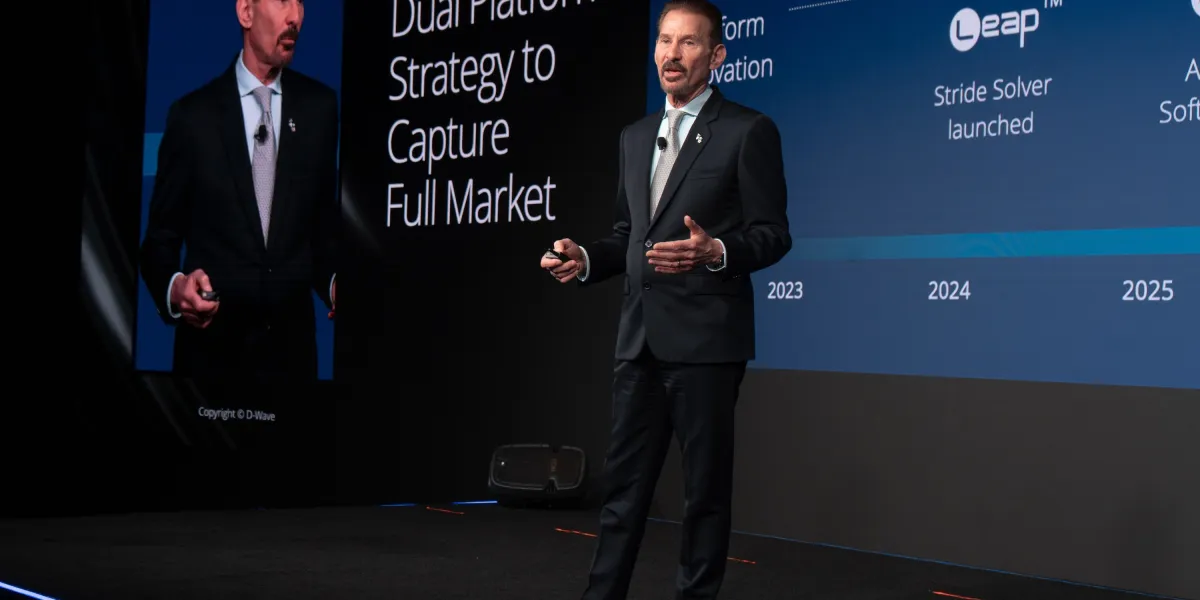
Nearly a year on from Kerrisdale’s broadside, D-Wave’s stock price has tripled, and a defiant Baratz is touting figures that counter Kerrisdale’s accusations: a three-fold increase in revenue, more than 100 paying customers (including a new $10 million licensing deal), and a half-billion-dollar acquisition that will help D-Wave solve one of quantum computing’s thorniest problems.
Fighting off ‘untrue statements and characterizations’
Short-seller campaigns are “really all about somebody who’s shorting the stock trying to make money. So, I think you need to take everything with a grain of salt,” Baratz told Fortune recently. “There were a lot of misstatements and untrue statements and characterizations in the Kerrisdale report, so we just dismissed it.”
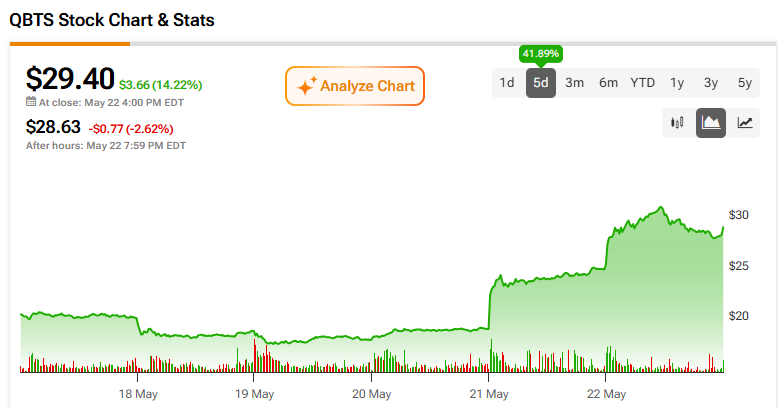
Kerrisdale’s attack hinged on a head-turning accusation: “A wide range of D-Wave customers we interviewed in key verticals like logistics, manufacturing, and pharmaceuticals reported seeing zero benefit from the technology,” the report alleged at the time. The stock wobbled for a few days immediately after the report but then rose sharply, from about $6 per share to $15 per share by the end of May 2025.
Baratz says such reports sometimes include “nuggets of truth” but are also often riddled with “mistruth and overstatement.” Kerrisdale’s report, for instance, “quoted somebody who worked for a customer of ours. Turns out they were not even a customer of ours—so it’s that kind of thing that goes on,” he says.