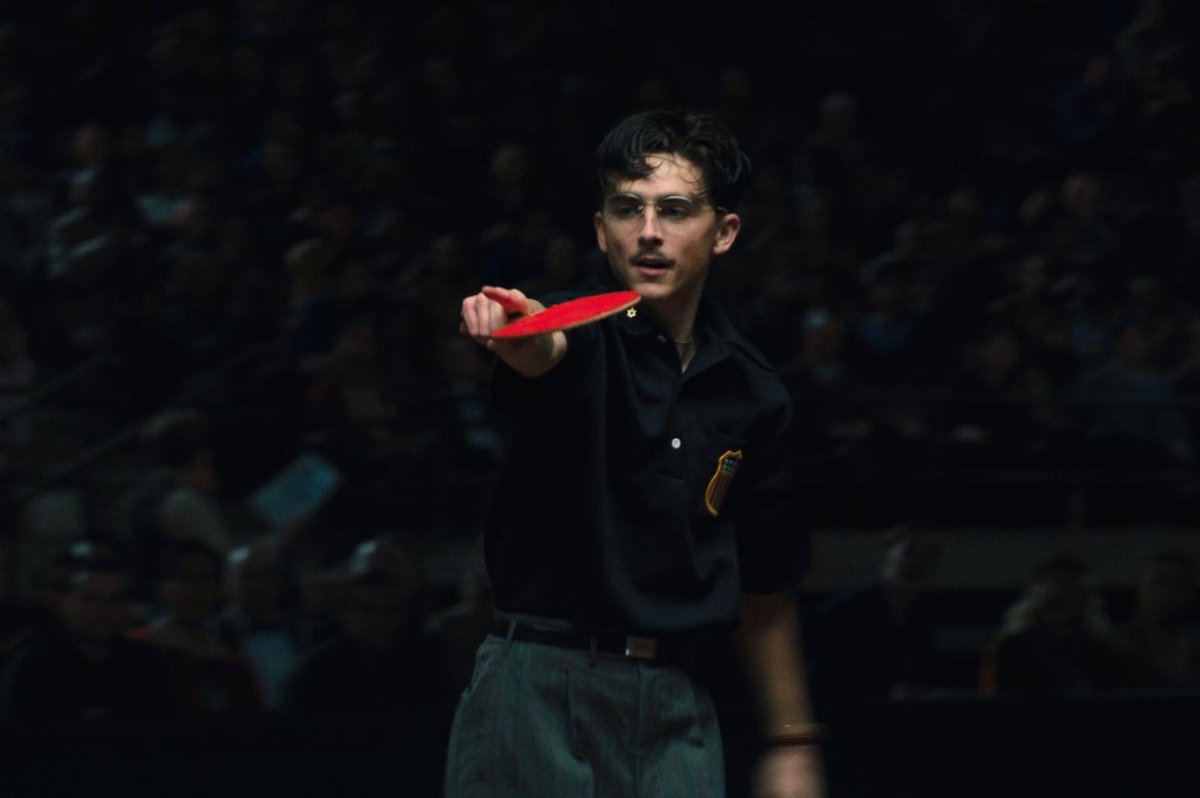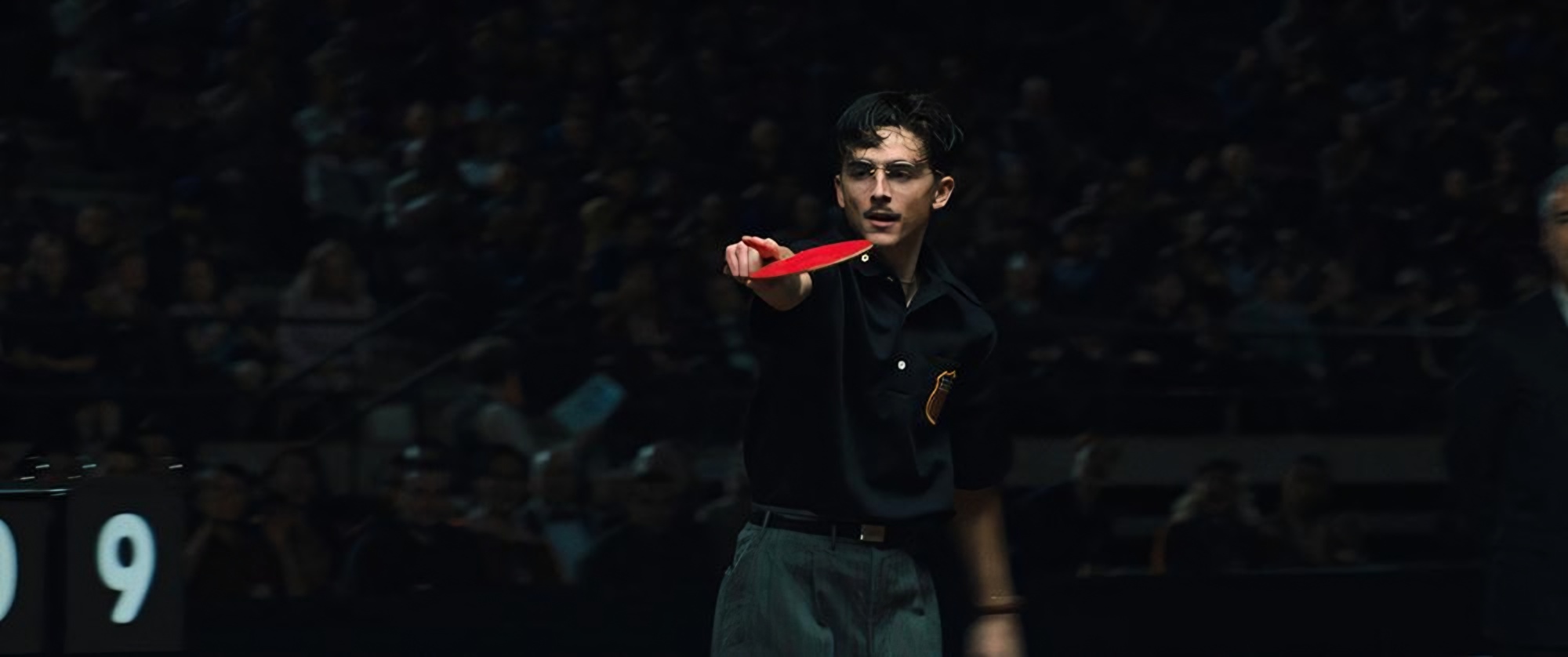
Timothée Chalamet (Marty Mauser) in "Marty Supreme" by Josh Safdie. METROPOLITAN FILMEXPORT
Le Monde's verdict – Worth seeing
To understand a film's context, one should set aside the relentless media circus, the celebrity marketing reducing Timothée Chalamet to selling jackets, and the Oscar race. Marty Supreme, directed by Josh Safdie, marks a separation: the professional split of brothers Josh (41) and Benny (39) Safdie, who had worked hand-in-hand for two decades, building their careers across five feature films, from the fringes of New York independent cinema to the dazzling success of Uncut Gems. With the consecutive releases of Benny's Smashing Machine in October 2025 and Josh's Marty Supreme out now, the end of their creative partnership is now public.
Yet, the two maintain a kind of long-distance dialogue. They share a passion for sports and competition (a mixed martial arts fighter in Smashing Machine, a table tennis player in Marty Supreme), and a penchant for survivalist characters who barrel forward, transforming themselves into magnificent losers. Marty Supreme tells the true story of Marty Reisman: a frail Jewish boy from New York's Lower East Side in the 1930s, born to poor parents and plagued by poor health. He escaped his circumstances through intensive table tennis practice, becoming US junior champion at 13, winning the British Open at 19 in 1949 against Hungarian world champion Victor Barna and earning a bronze medal at the World Championships in Stockholm that same year.