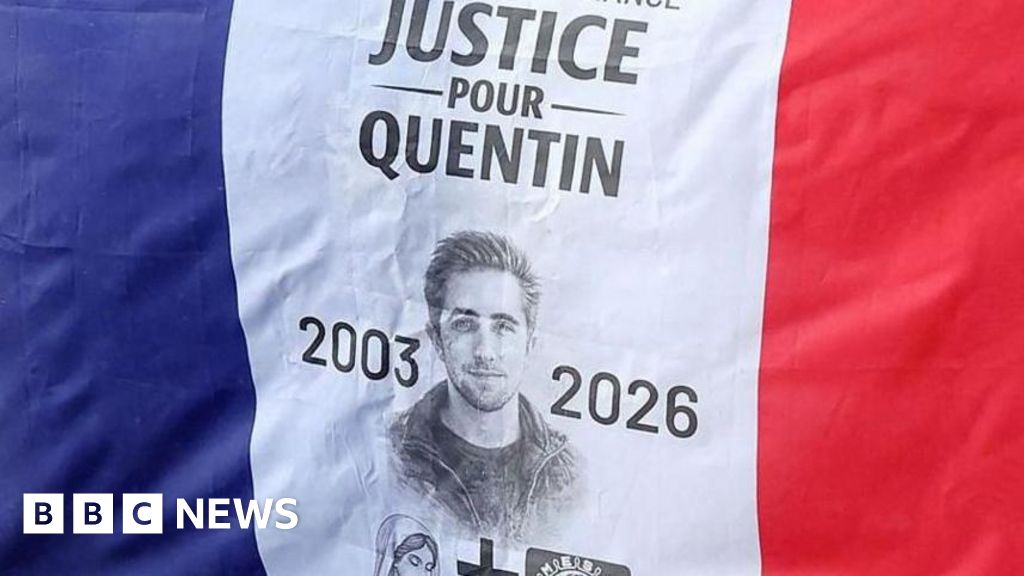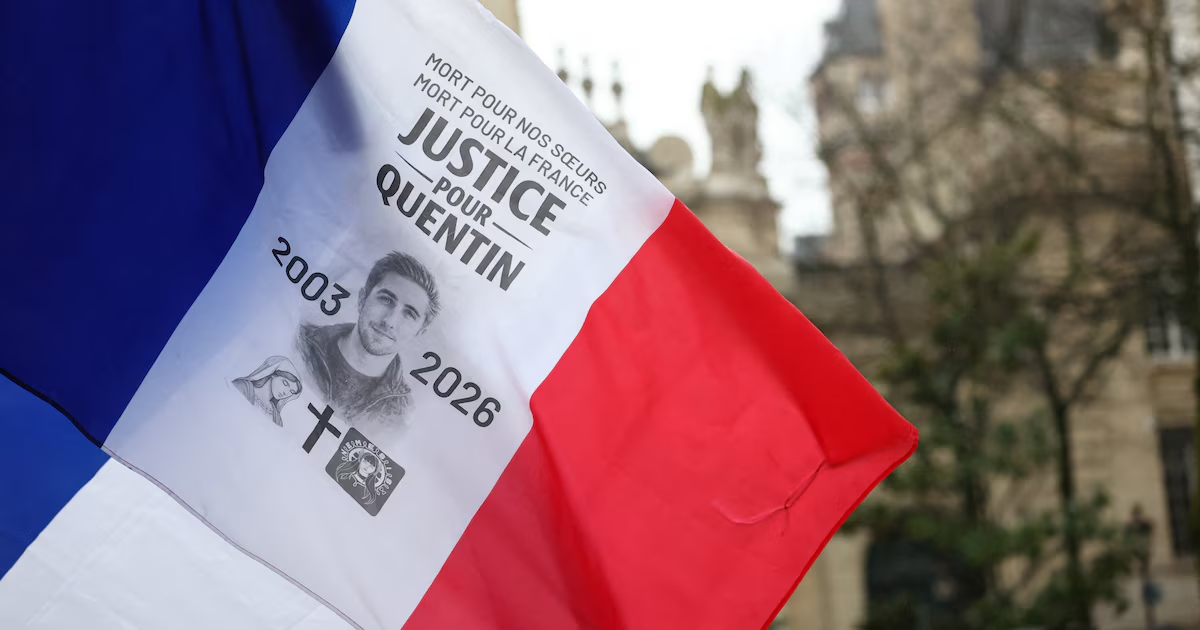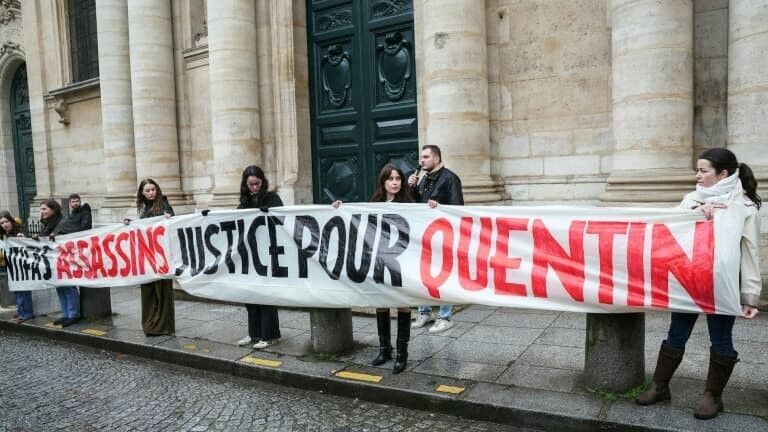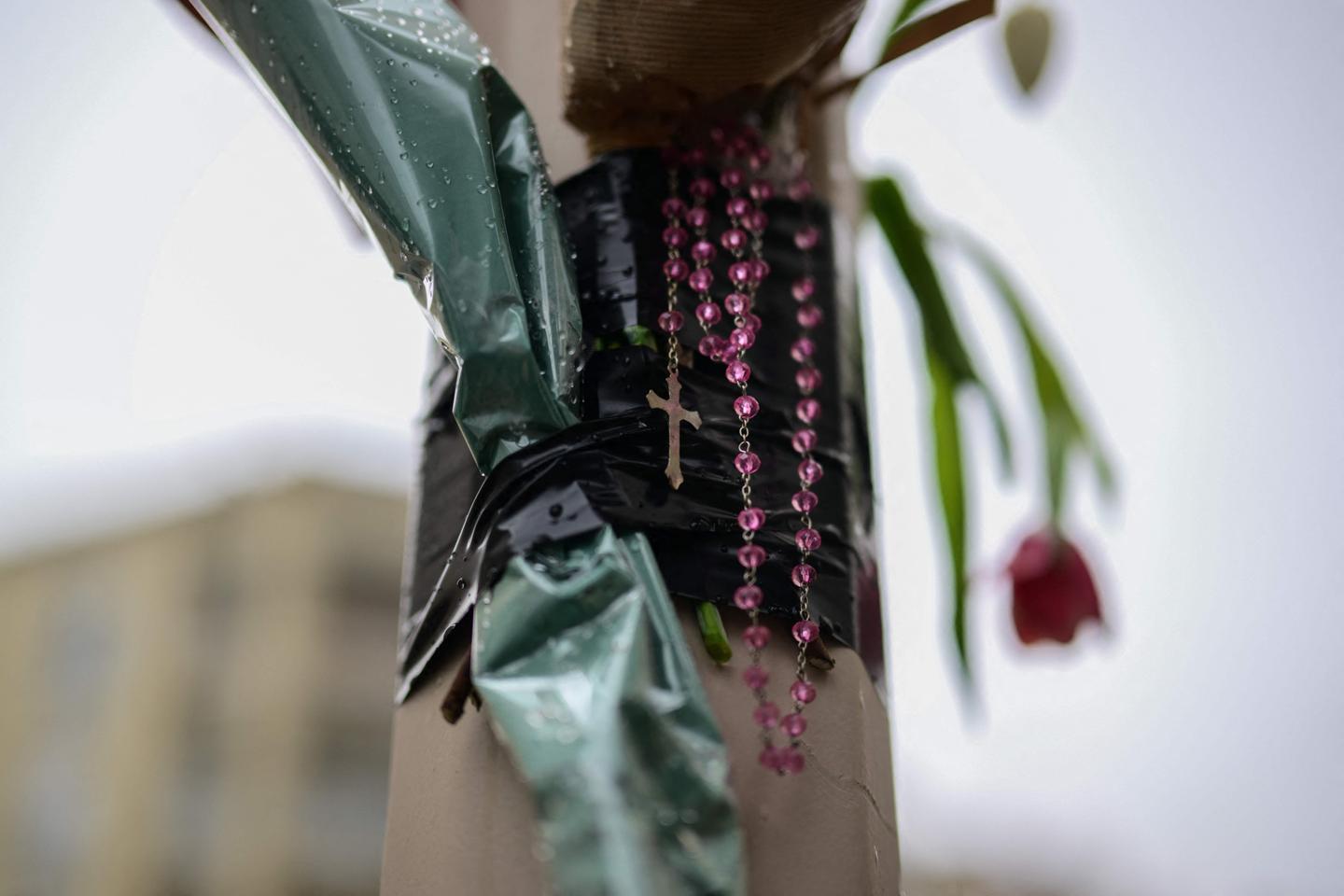
At the scene of the attack that claimed the life of Quentin Deranque, in Lyon, February 16, 2026. OLIVIER CHASSIGNOLE/AFP
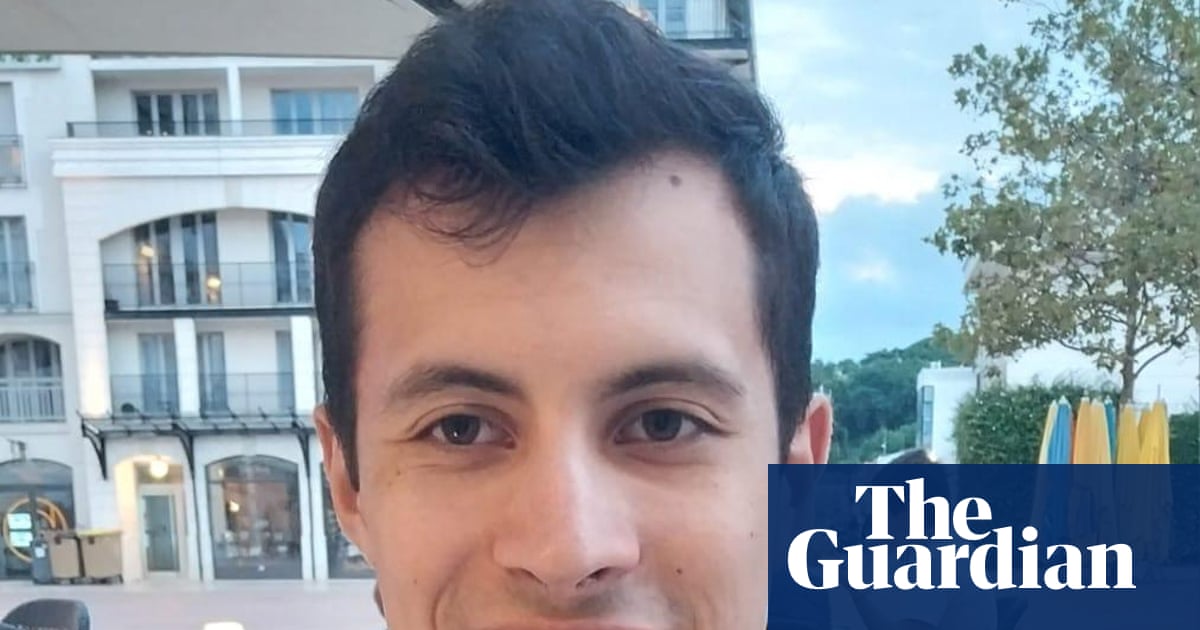
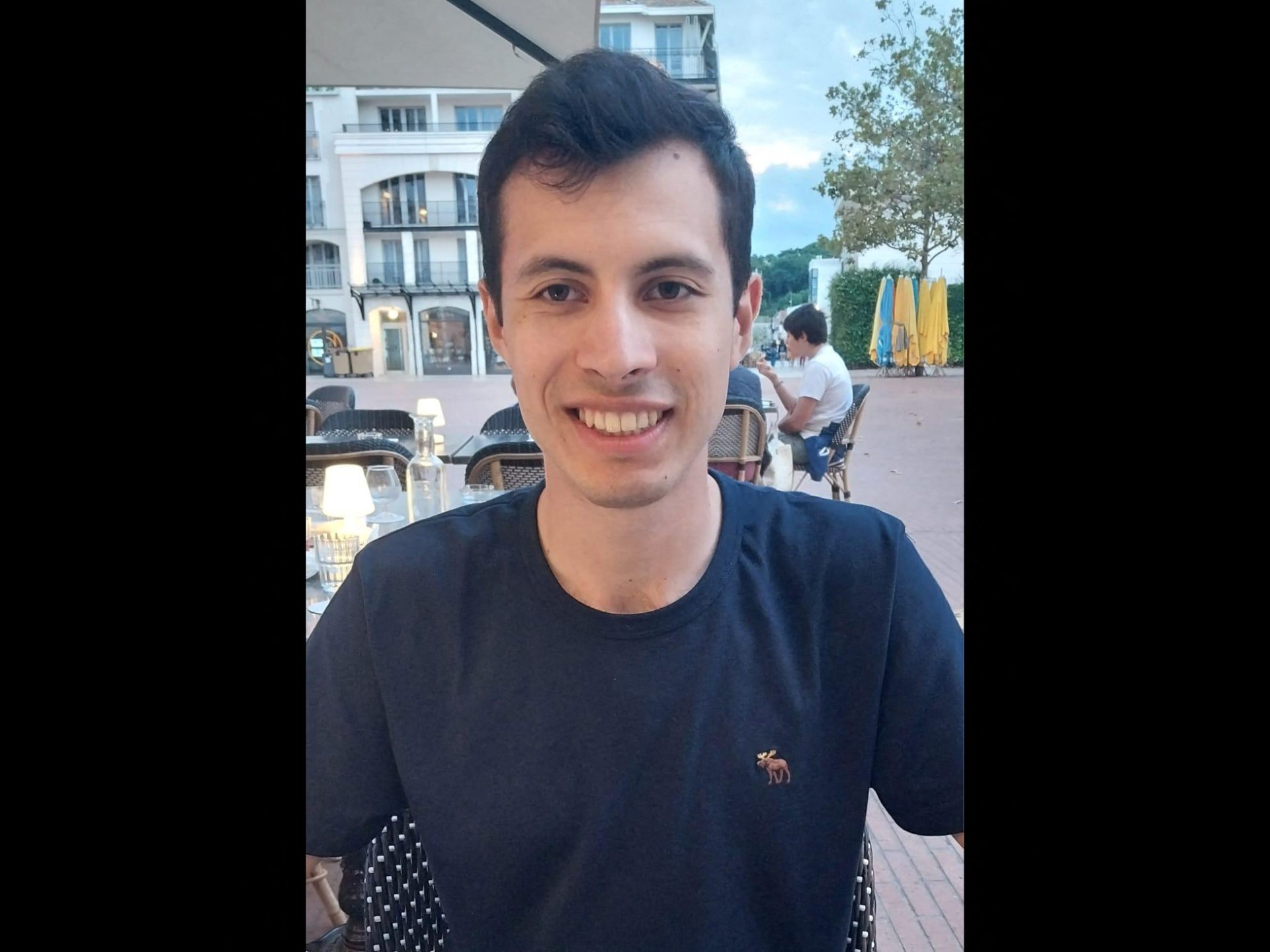
After his death on Saturday, February 14, following a street fight in the French city of Lyon, Quentin Deranque was described by those close to him as a devout, calm and hardworking student, a young man committed to helping the poor, unsuspected of being radical. The far-right groups that have paid tribute to Deranque since the weekend, calling him their "comrade," have also told the story of a young man searching for his identity. Through him, a portrait of the new generation of the far right has emerged: one of integralist Catholicism, drawn to the idea of "self-defense."
According to those close to him, Deranque, a data science student at Lyon-II University, was, above all, a parishioner with a passion for philosophy and ethics and the conviction of a missionary. He was a regular at the Saint-Georges church, a traditionalist congregation in Lyon's medieval district, where Mass is celebrated in Latin. He converted "a few years ago," according to his friend Vincent, who praised "his moral and spiritual virtues" on the far-right Radio Courtoisie station.
"He read a lot of Saint Thomas Aquinas, Saint Augustine," Vincent added, depicting Deranque as a bookworm rather than a "black rat," the nickname given to violent activists of the far-right student group GUD. Yet the young man's radical political views shone through in Vincent's later words: "He was a normal young man who had reconnected with his roots. Who loved his country, his people, his civilization, his religion. Quentin belongs to legend, he is already a hero and a martyr."