PARIS: Polonium, Novichok and now dart frog poison: the finding that Russian opposition leader Alexei Navalny was killed with a rare toxin has revived the spectre of Moscow’s use of poisons against opponents — a hallmark of its secret services, according to experts.
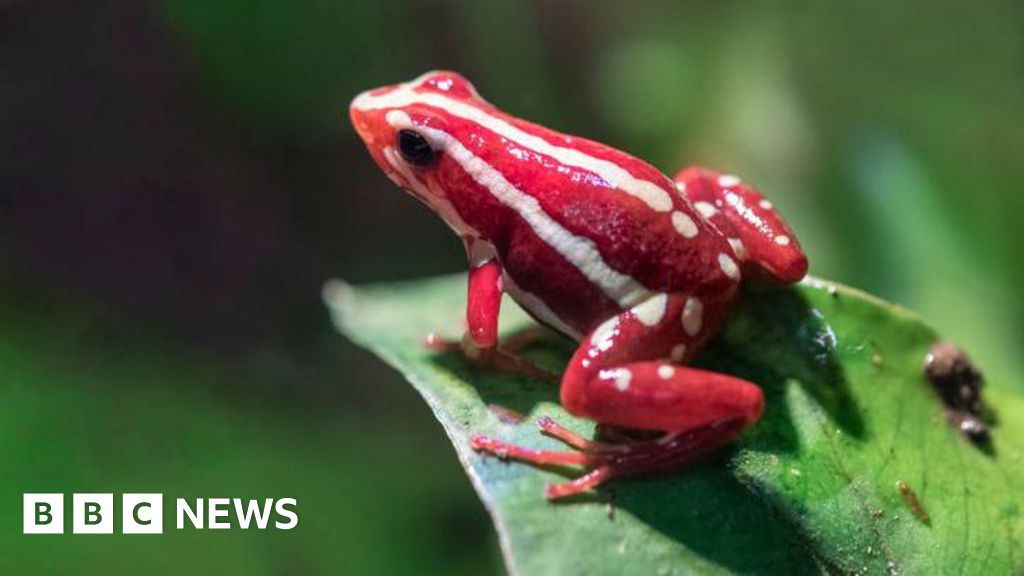
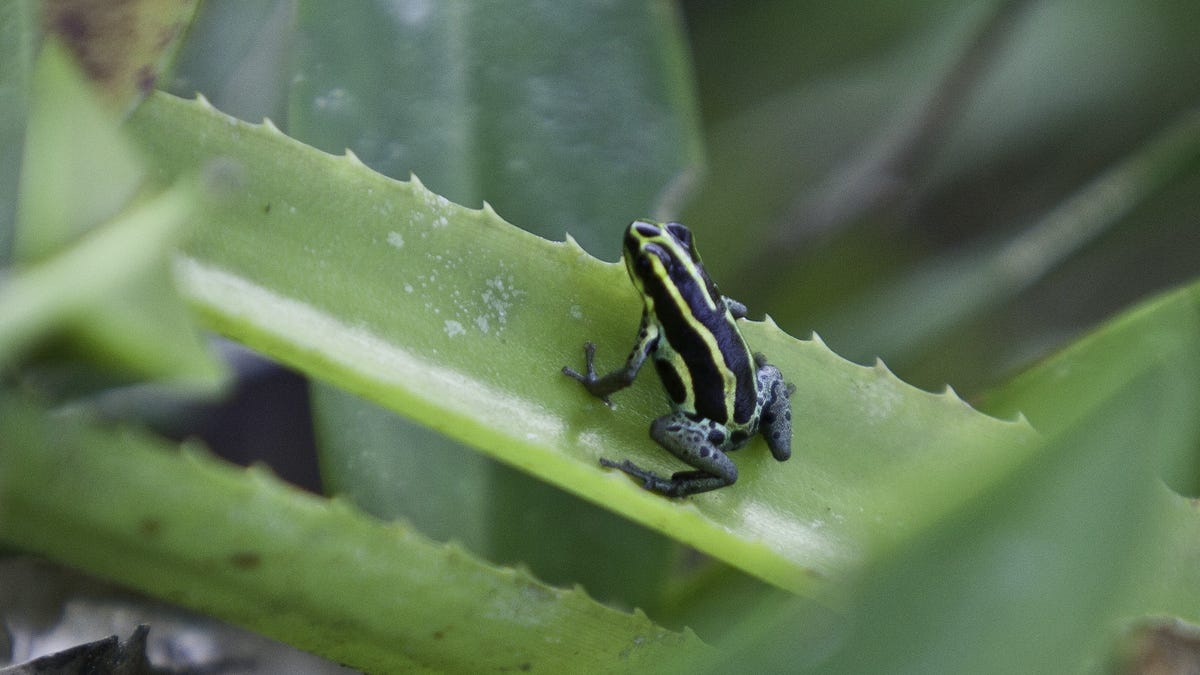
The neurotoxin epibatidine, found in Ecuadoran frogs, was identified in laboratory analyzes of samples from Navalny’s body, the British, Swedish, French, German and Dutch governments said in a joint statement released on Saturday at the Munich Security Conference.
“Only the Russian state had the means, motive and opportunity to deploy this lethal toxin,” said Britain’s Foreign Office, with the joint statement pointing to Russia as the prime suspect.
The Kremlin on Monday rejected what it called the “biased and baseless” accusation it assassinated Navalny, a staunch critic of President Vladimir Putin who died on February 16, 2024, while serving a 19-year sentence in a Russian Arctic prison colony.
But the allegations echo other cases of opponents being poisoned in connection — proven or suspected — with Russian agents.