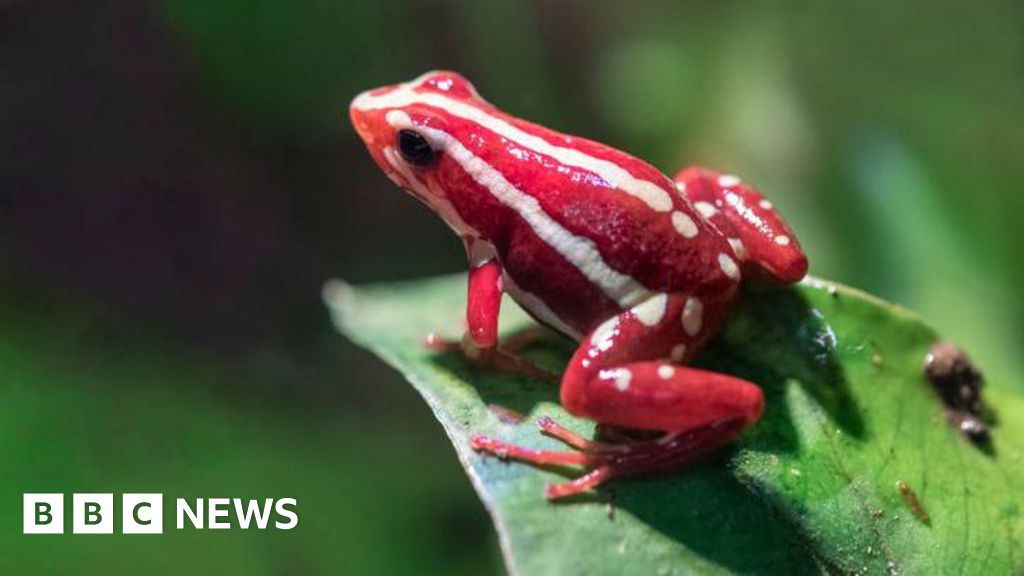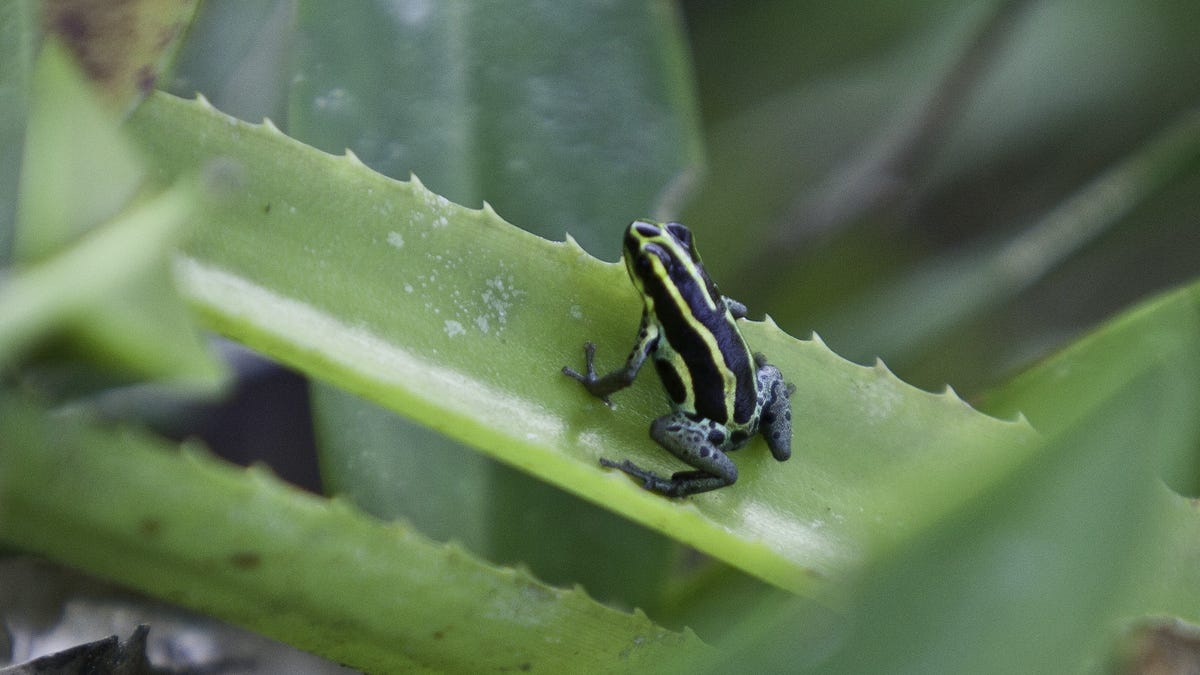
A joint report alleging that a poison dart frog toxin has been linked to the death of Russian opposition leader Alexei Navalny rippled quickly around the globe among scientists.
The allegations raised fresh questions about the circumstances of Navalny's 2024 death and about the origin of a highly unusual toxin.
Poison dart frog species have long fascinated researchers and the public, partly because of their diminutive size and striking color patterns and also because of the myths surrounding the deadly toxins found on their bodies.
But the toxin reportedly identified in this case – epibatidine – isn't known to have been used to kill anyone, Kyle Summers, an emeritus biology professor at East Carolina University, told USA TODAY.
The report released Saturday by the United Kingdom, Germany, France, Sweden and The Netherlands stated the governments were "confident" Navalny was poisoned, based on the traces of epibatidine found in his body. Navalny, an attorney, had been imprisoned in Siberia when he died. The report noted the toxin is only found naturally in poison dart frogs in South America, not Russia. The governments didn't release toxicology reports and the Russian government denied the allegation.