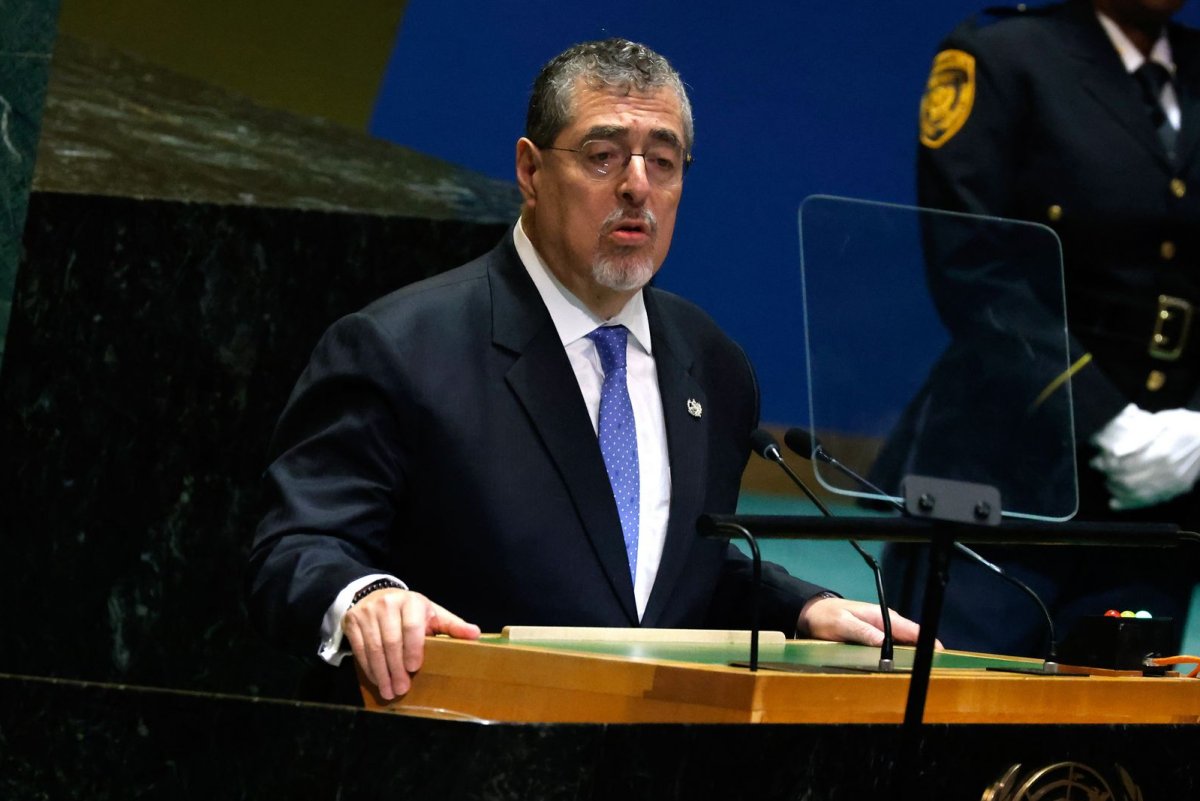
Feb. 16 (UPI) -- In June 2025, Guatemalan President Bernardo Arévalo traveled to Taipei for a five-day state visit. It was his first trip to Taiwan since serving as deputy foreign minister more than three decades ago. He met with President Lai Ching-te, signed a letter of intent on semiconductor cooperation, visited TSMC and the Hsinchu Science Park, and described the bilateral relationship as one between "brotherly peoples." The visit was a powerful reaffirmation of a diplomatic bond dating back to 1934.
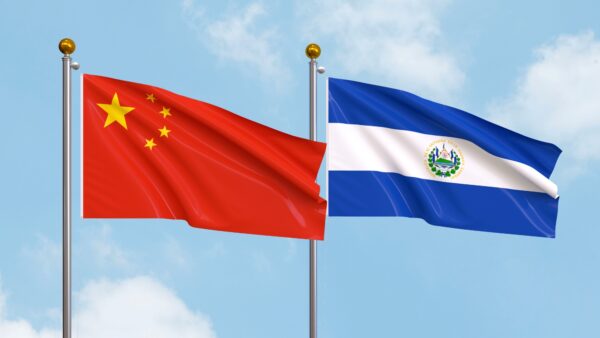
Yet even as Arévalo was cementing ties with Taipei, the forces pulling Guatemala in the opposite direction were intensifying. Guatemala, the largest of Taiwan's 12 remaining diplomatic allies worldwide and its most significant partner in Central America, has become a focal point in the broader strategic competition between China and democratic states for influence in the Western Hemisphere. The choices made in Guatemala's halls of power over the coming years are likely to reverberate far beyond its borders.
The scale of Chinese commercial penetration
China's economic presence in Guatemala is already substantial and growing fast. Chinese exports to Guatemala reached nearly $5 billion in 2024, according to U.N. COMTRADE data, making China a major source of Guatemalan imports. By contrast, Guatemala's exports to China totaled just $45 million that same year, reflecting a massively lopsided trade relationship. Chinese telecommunications and security firms, including Huawei, ZTE, Xiaomi, Honor, and Hikvision, several of which have been banned from U.S. government systems due to national security concerns, have expanded their presence in Guatemala's telecommunications, retail, and public safety sectors.