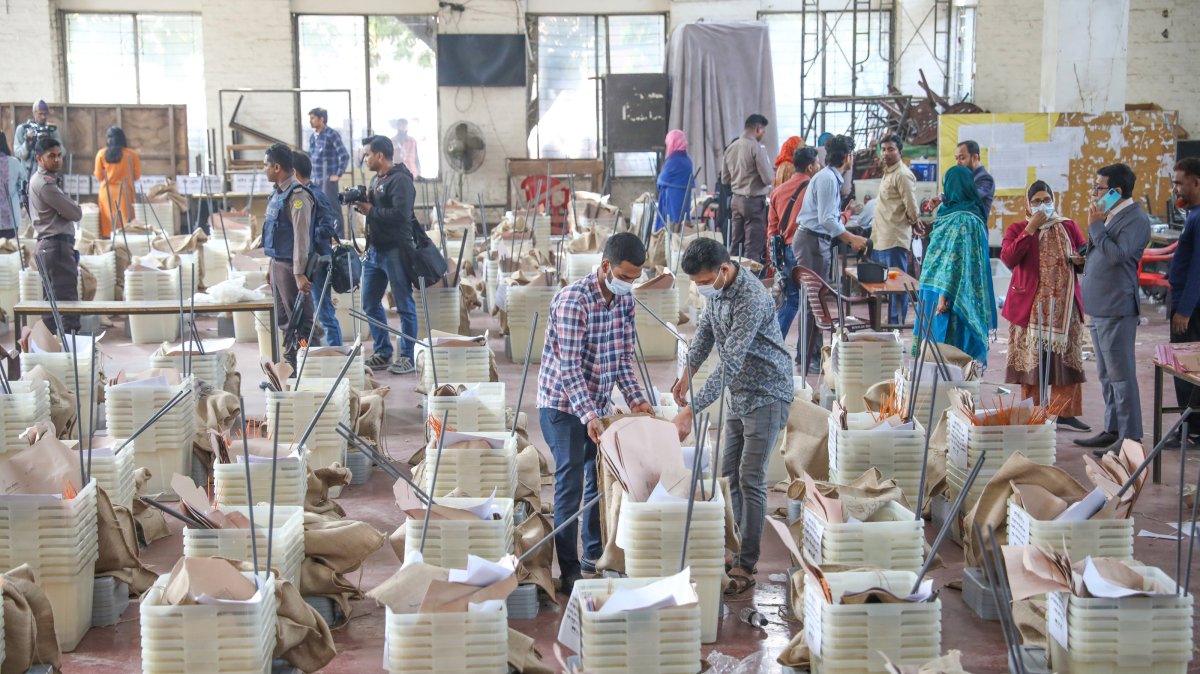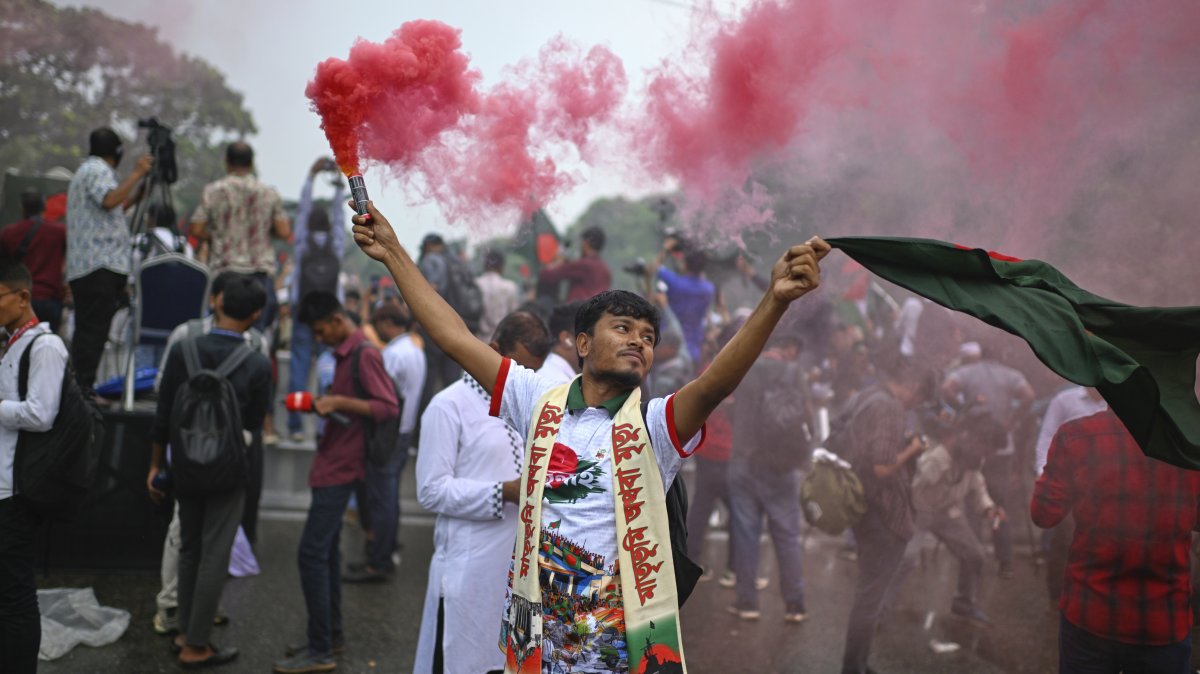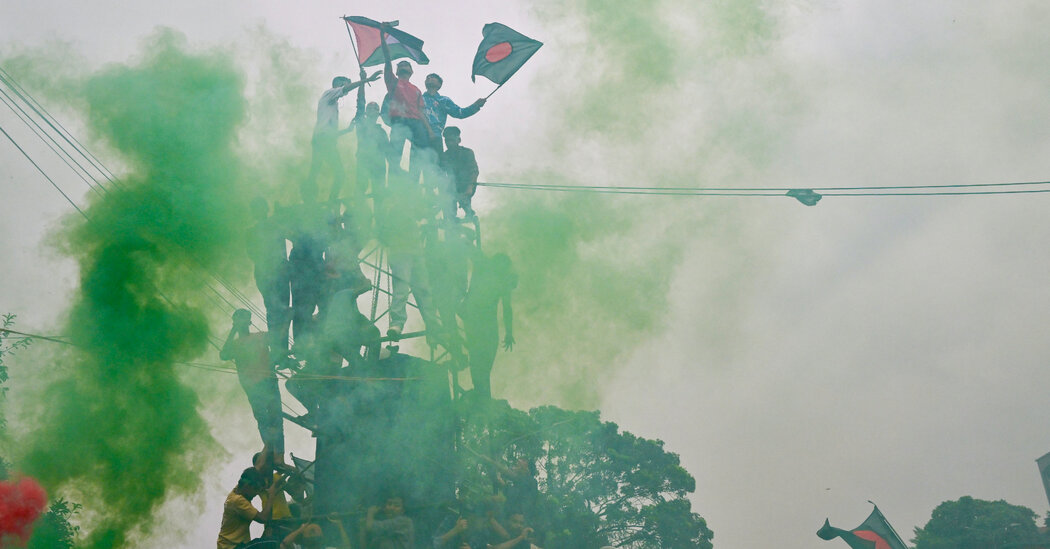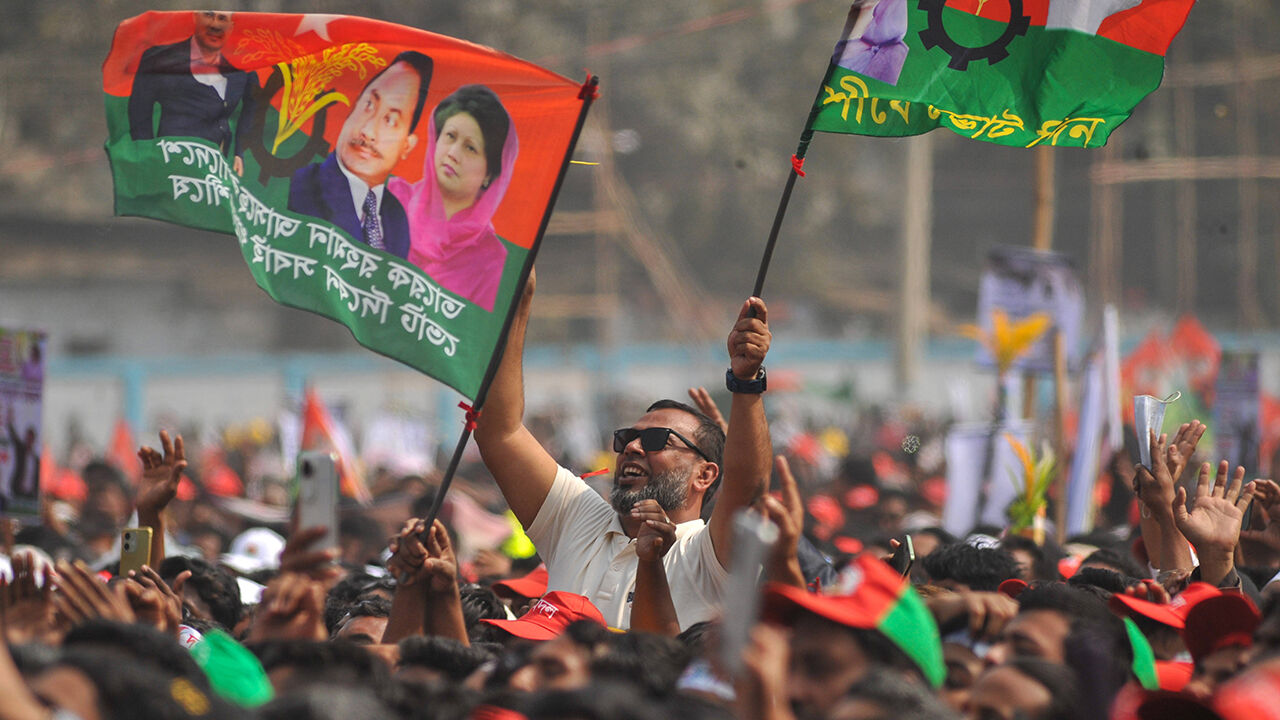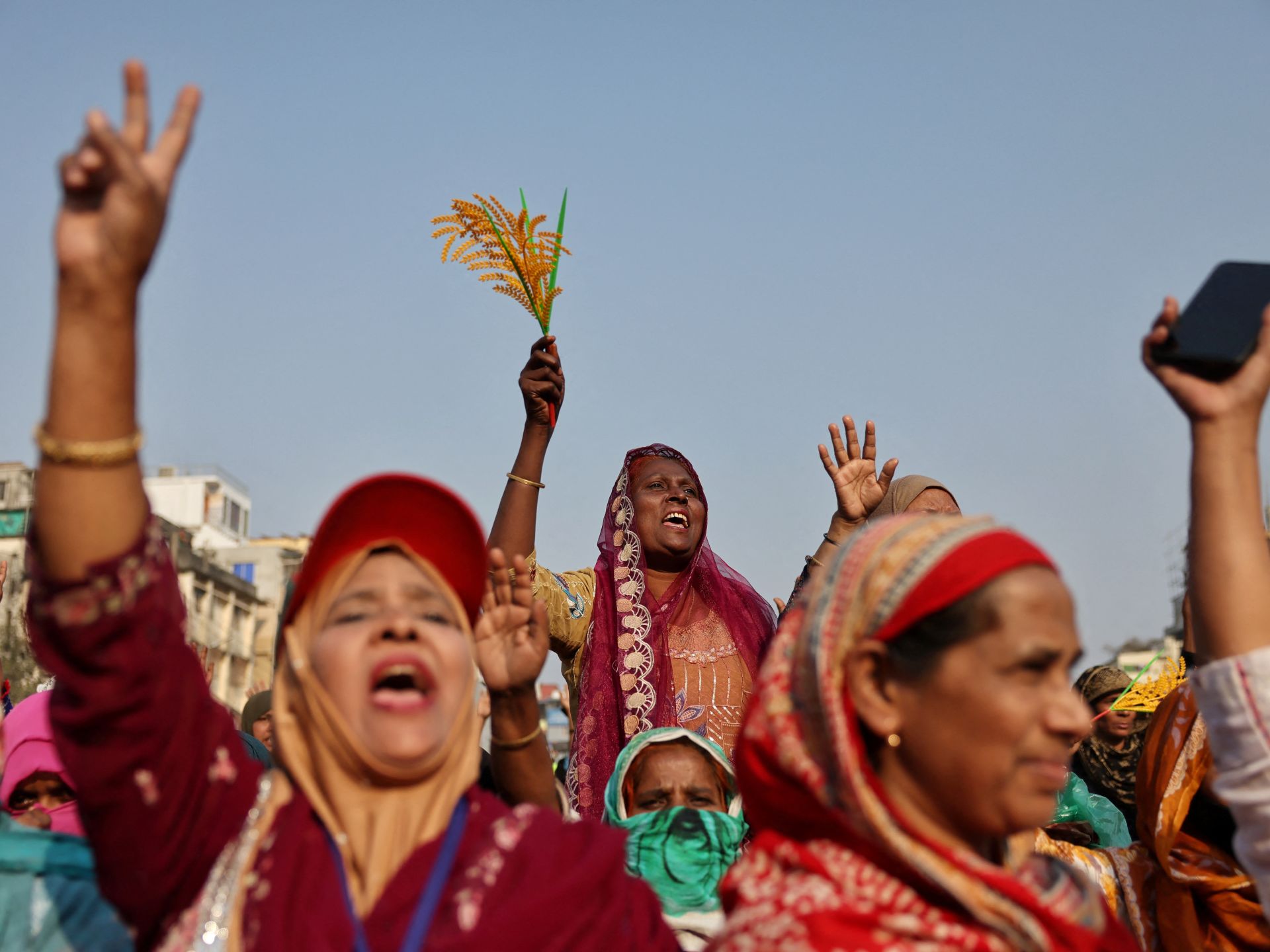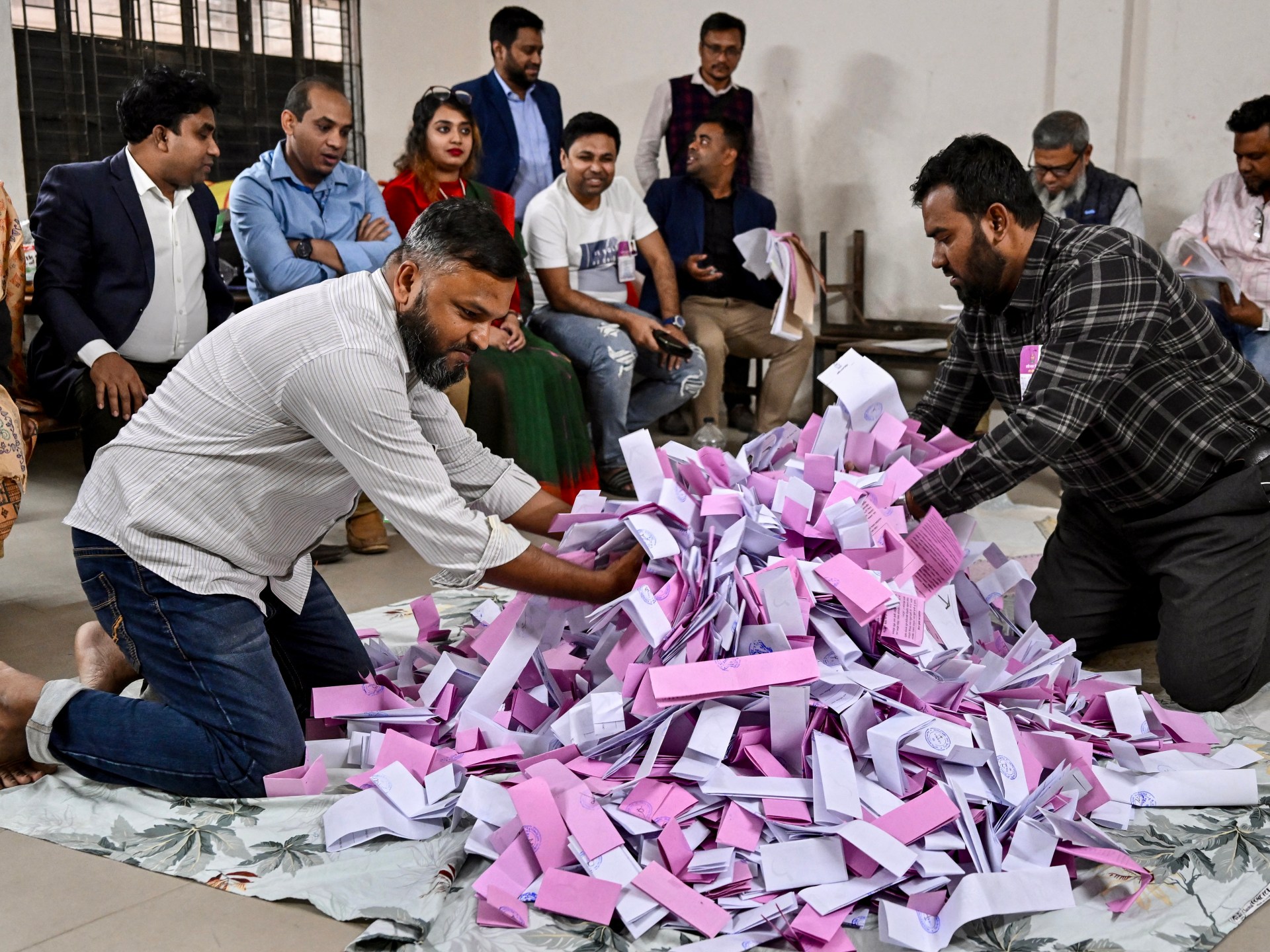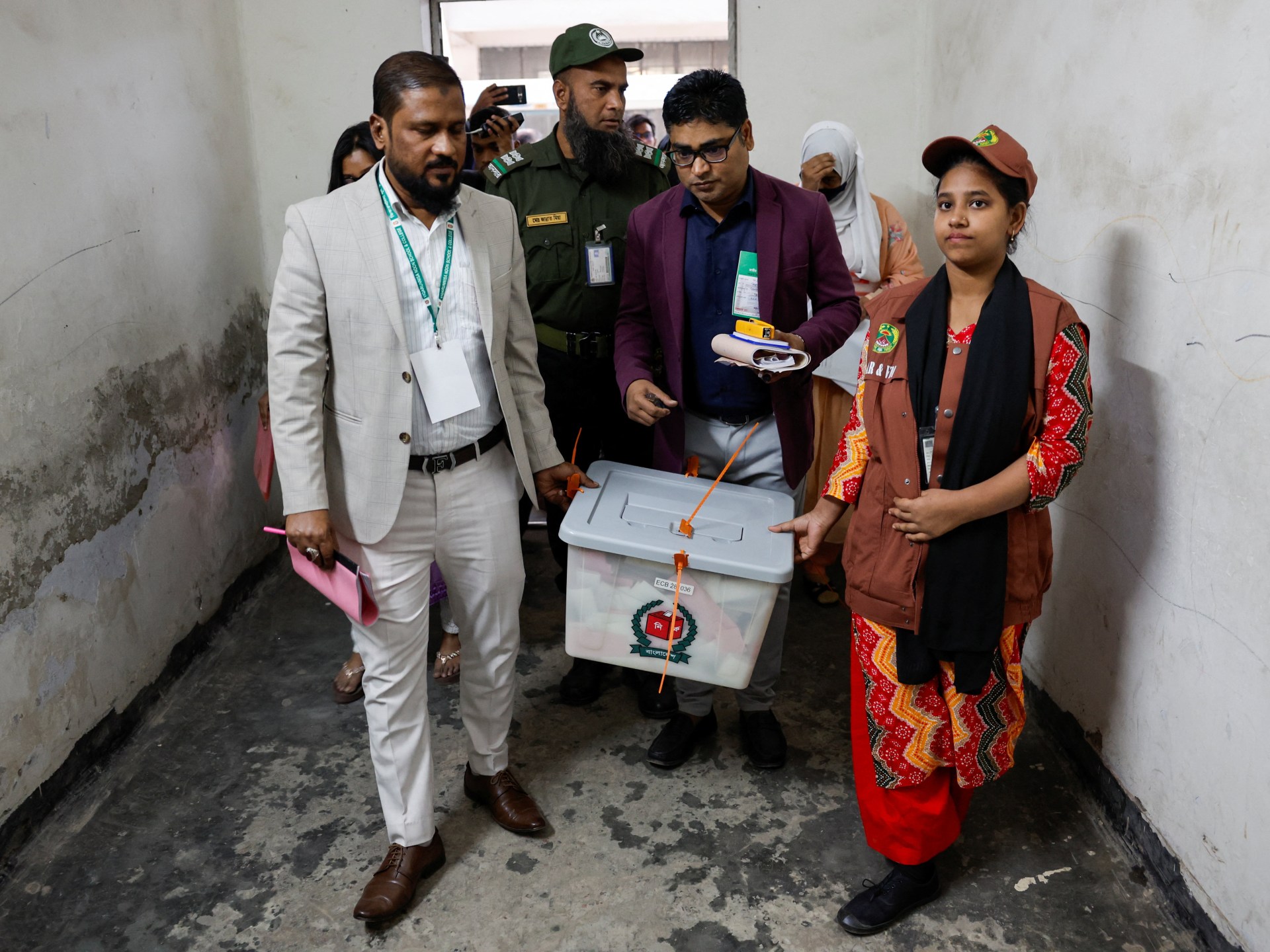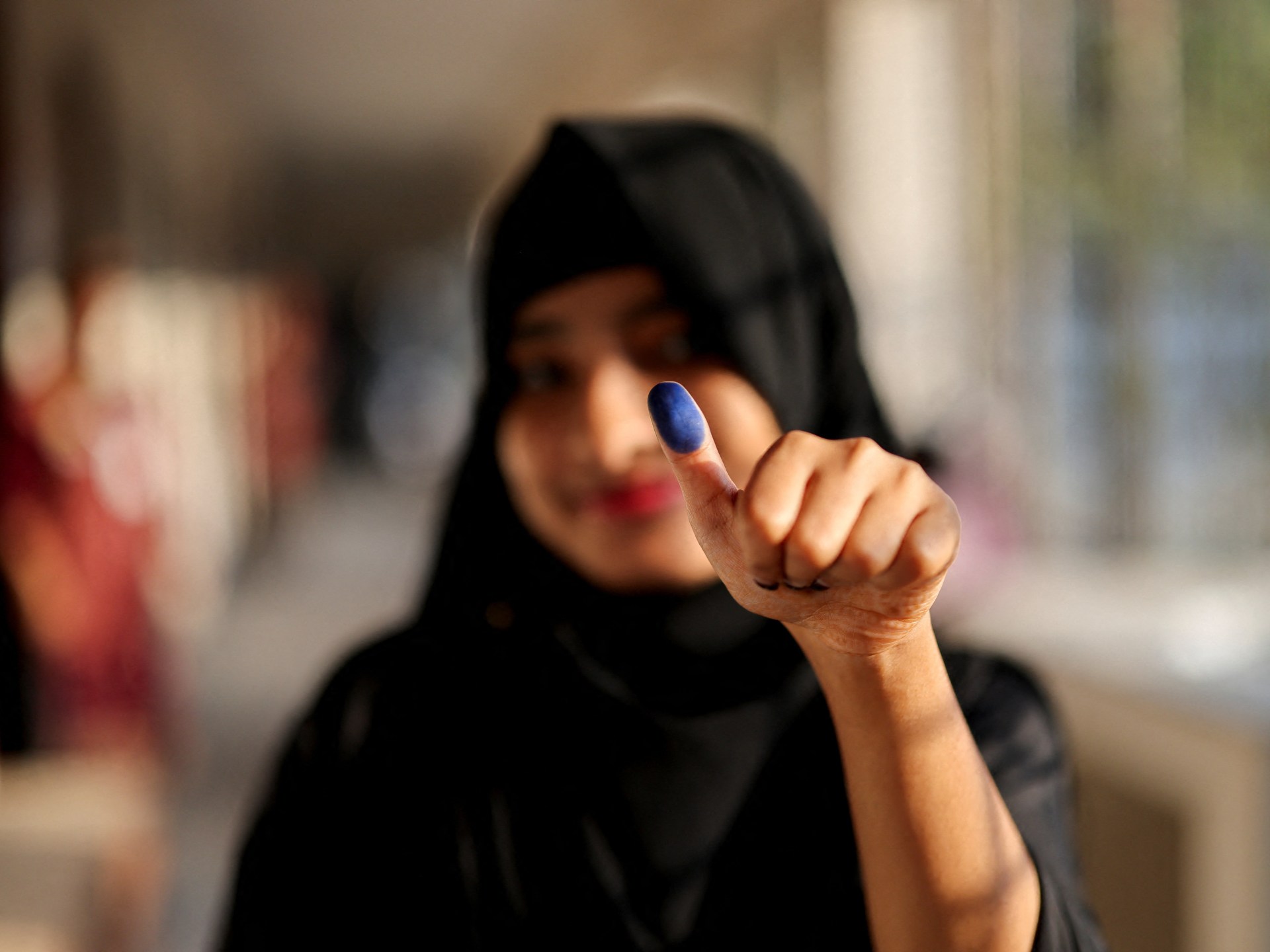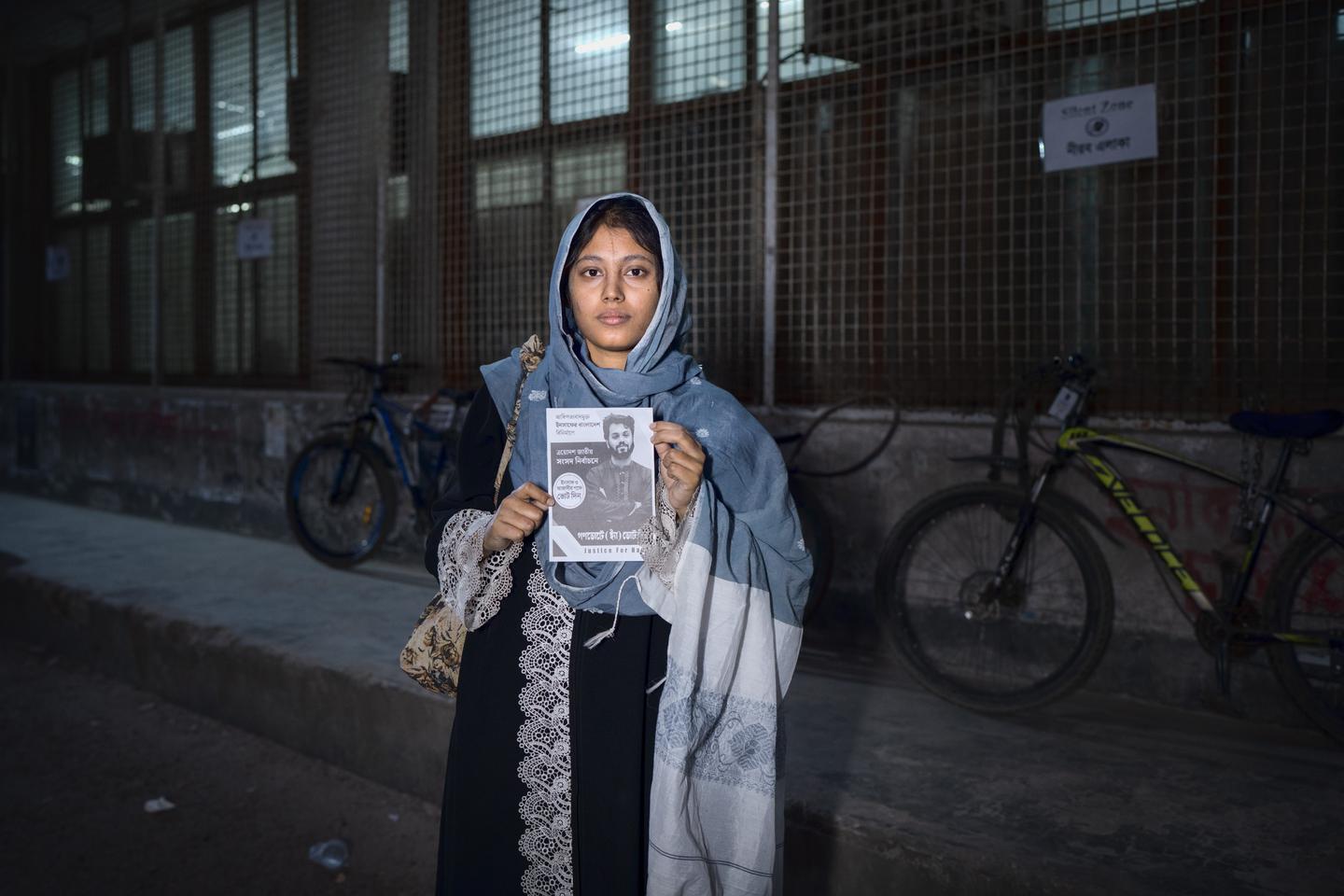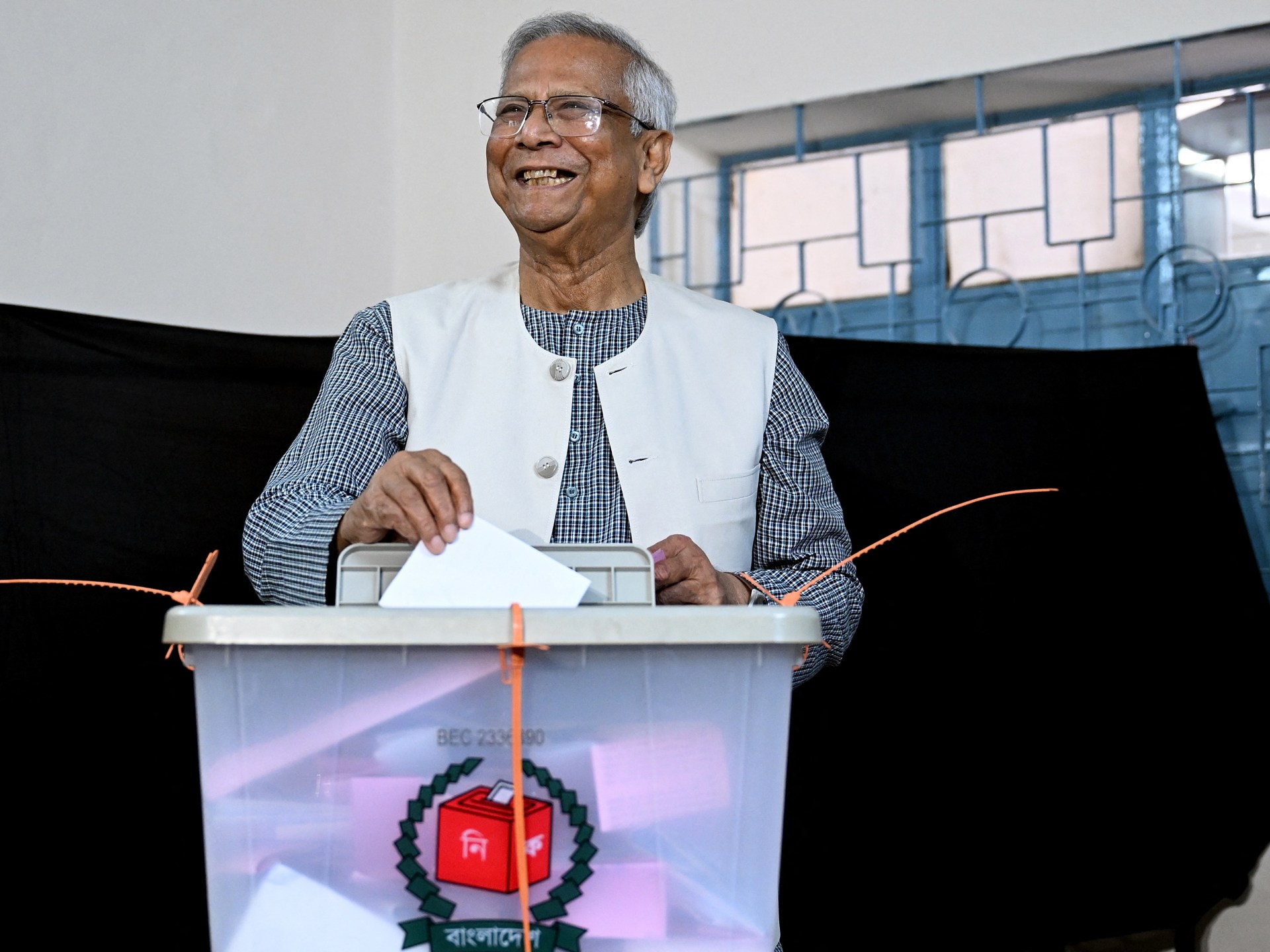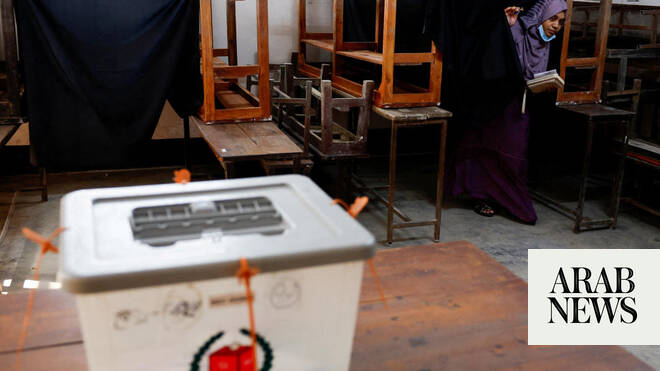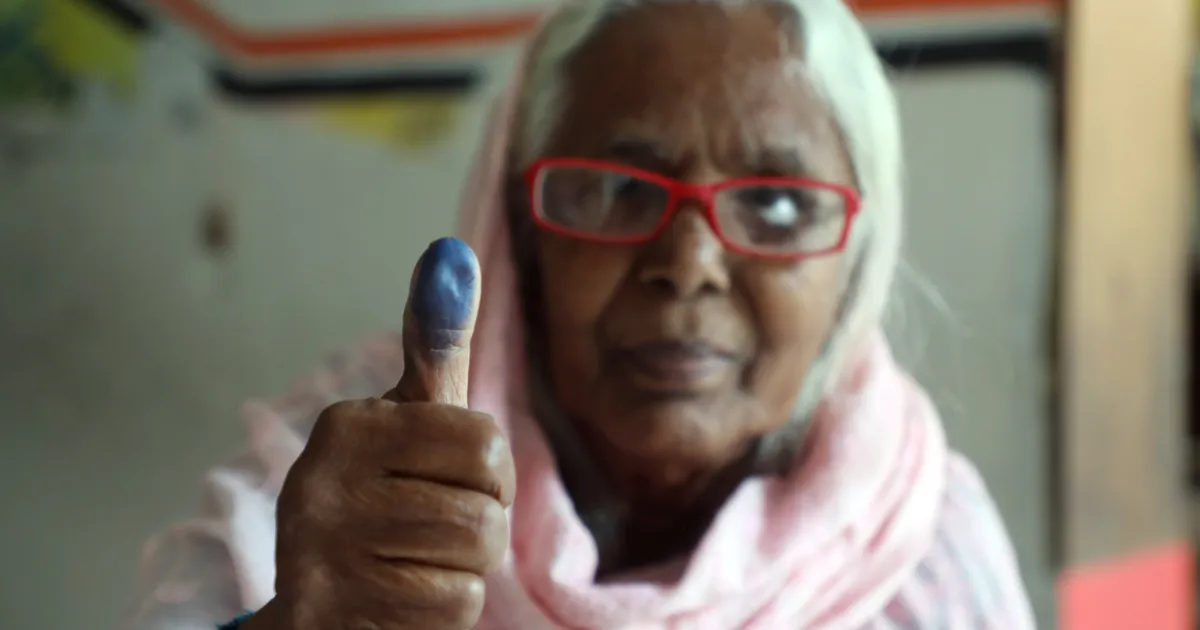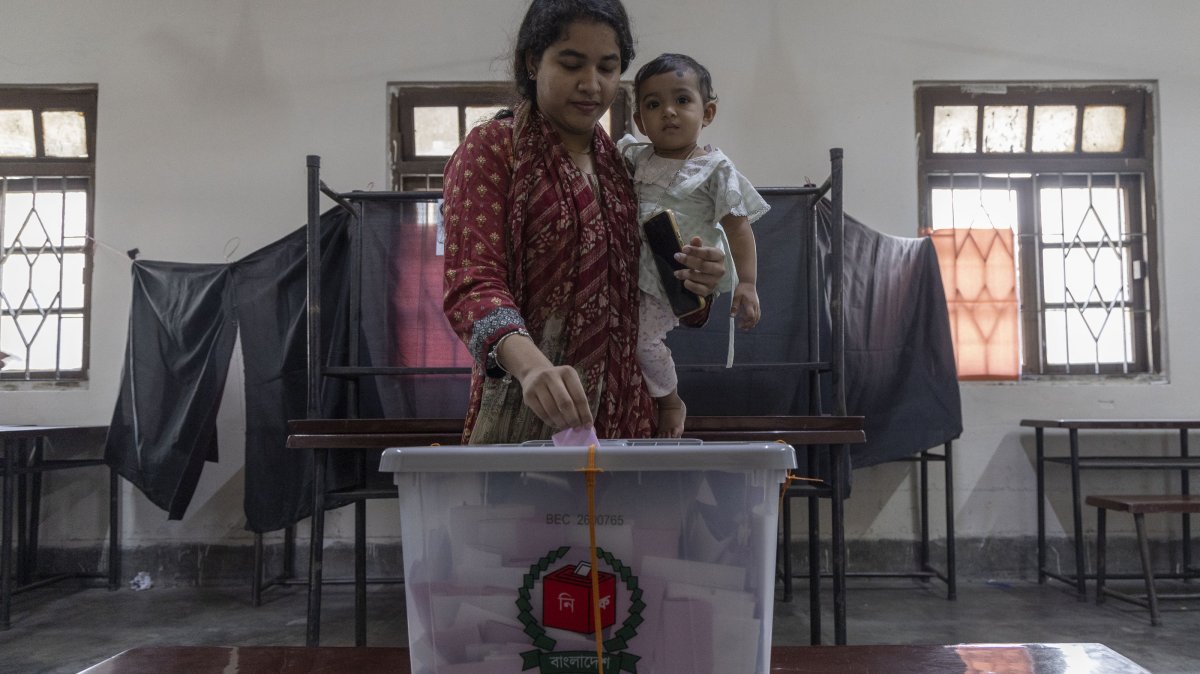
A sense of guarded optimism prevails among Bangladeshis, political observers and international stakeholders as the country emerges from the 2026 parliamentary elections, its first since the July 2024 Gen-Z uprising that ousted former Prime Minister Sheikh Hasina and her Awami League.
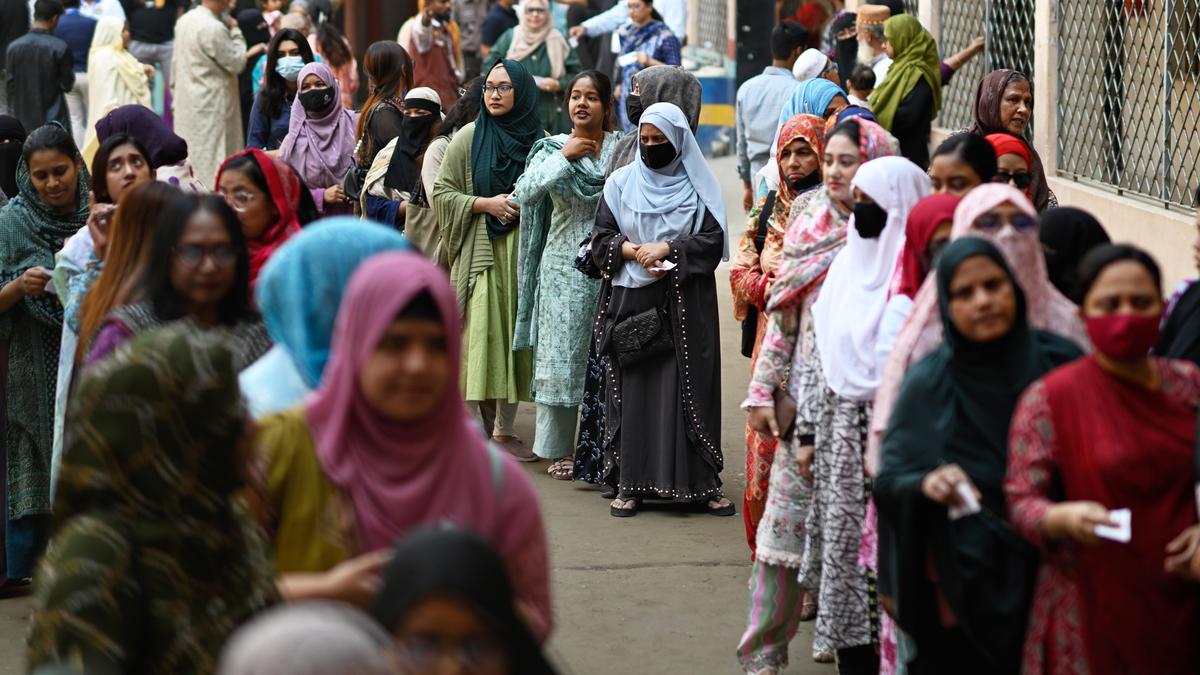
While experts agreed that the elections were largely participatory and free compared to the ones held under the previous government, they also pointed out that the country of over 170 million – historically characterized by deep political polarization and unrest – now faces a crucial moment that may define its democratic trajectory for years to come.
Speaking to Daily Sabah, Mehmet Özkan, a professor of international relations at the Turkish National Defence University in Istanbul, and Mohammad al-Masum Molla, former chief reporter at Bangladesh’s largest English-language newspaper, The Daily Star and currently an academic at University of Oklahoma, weighed in on what the election means for Bangladesh’s internal balance of power, political culture as well as its regional and global positioning.
Competitive, participatory polls
Both Özkan and Molla agreed on the fact that the 2026 vote marked a qualitative improvement over Bangladesh’s previous elections.