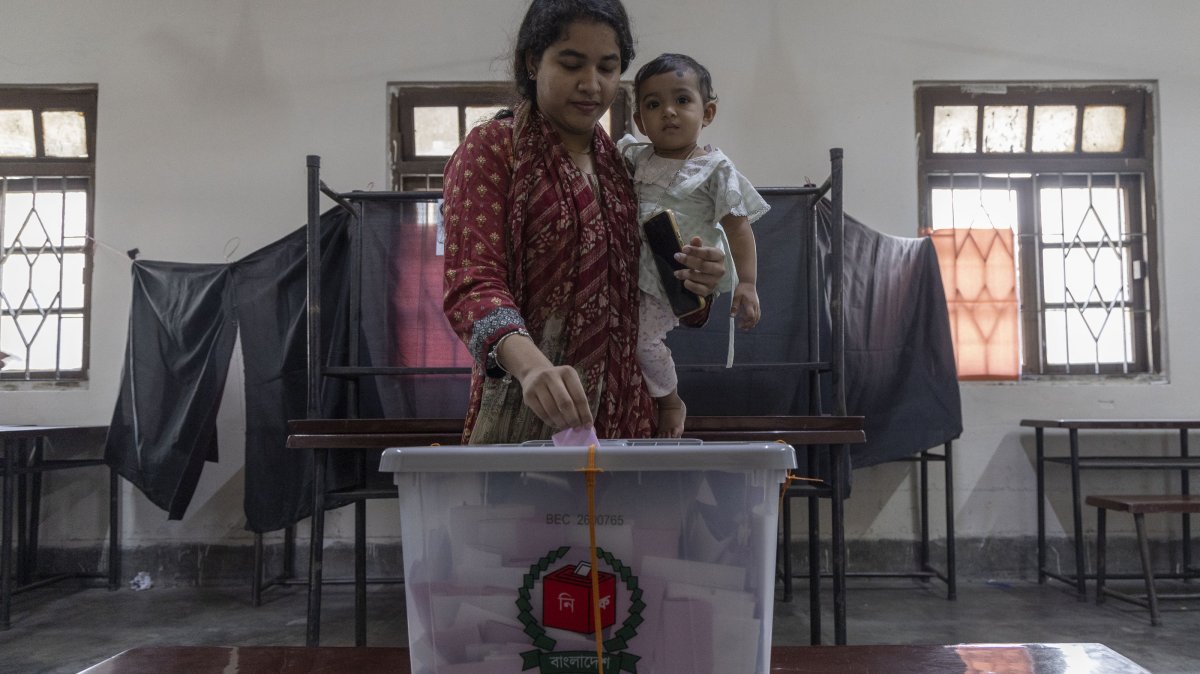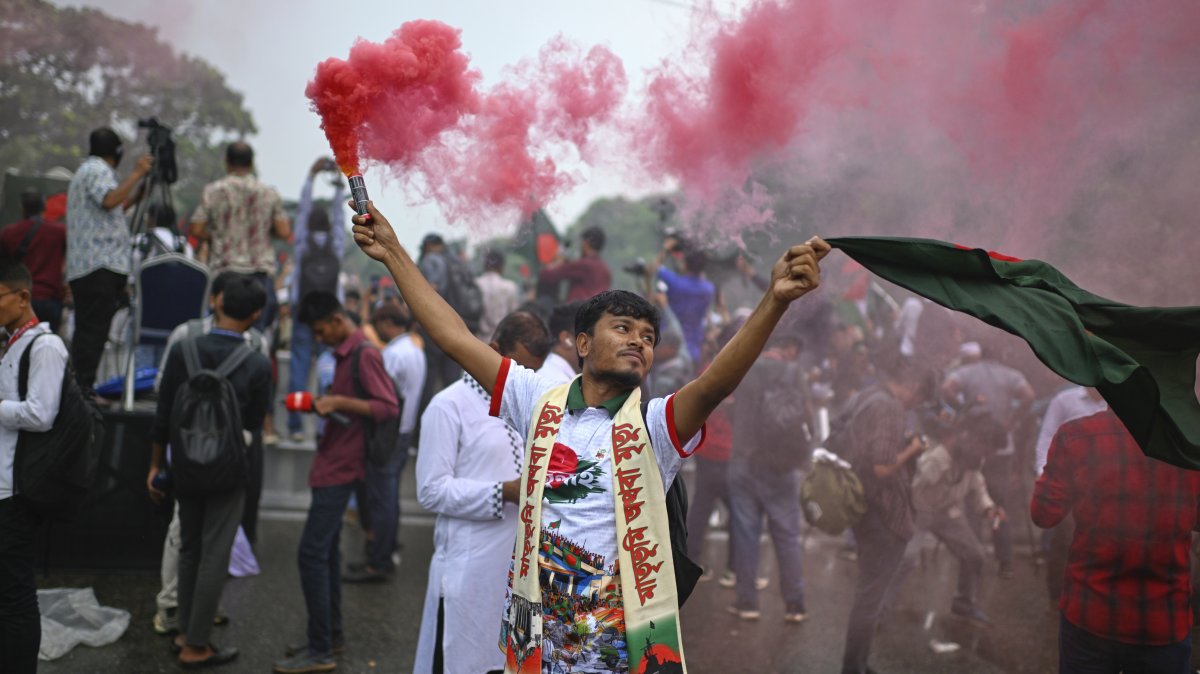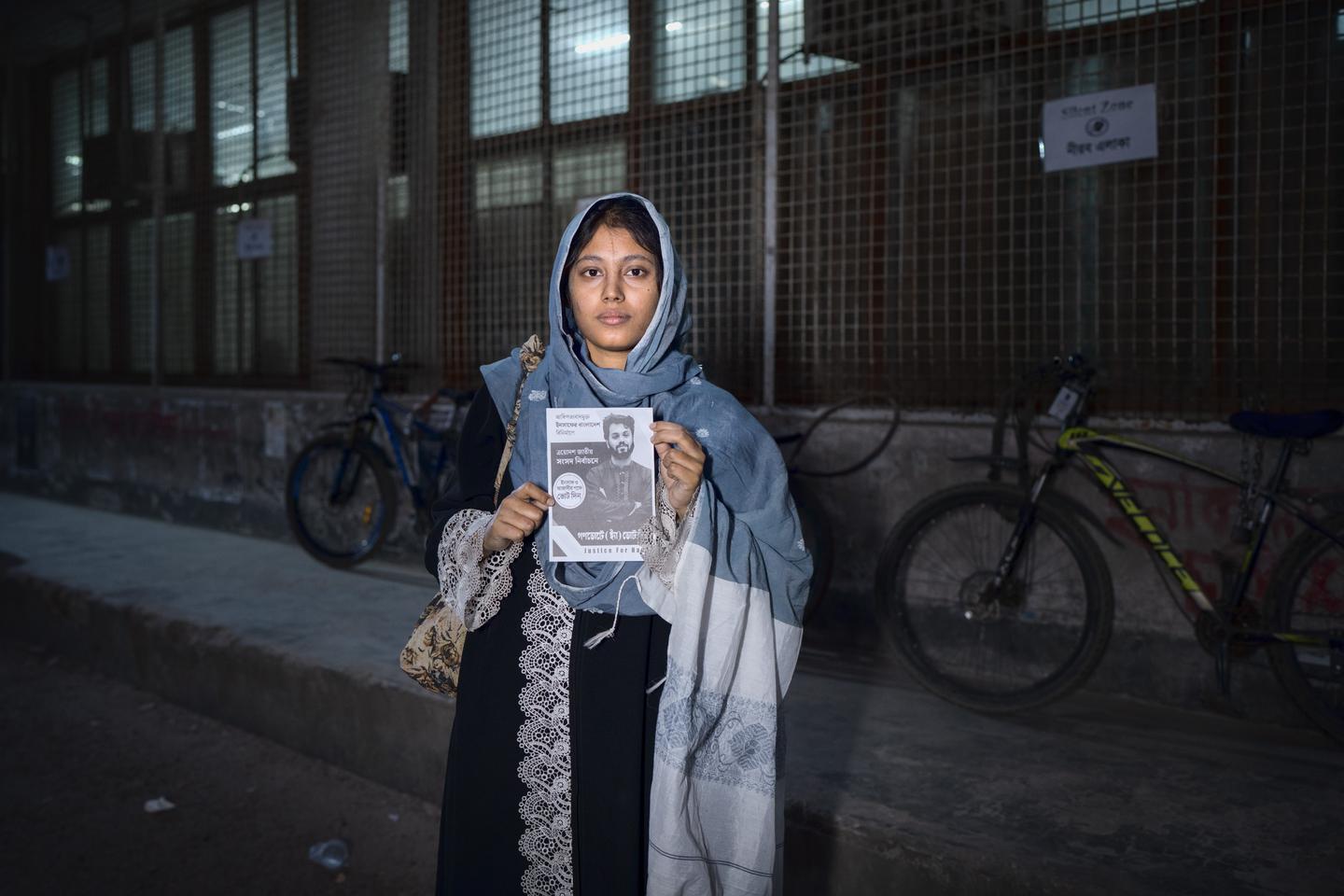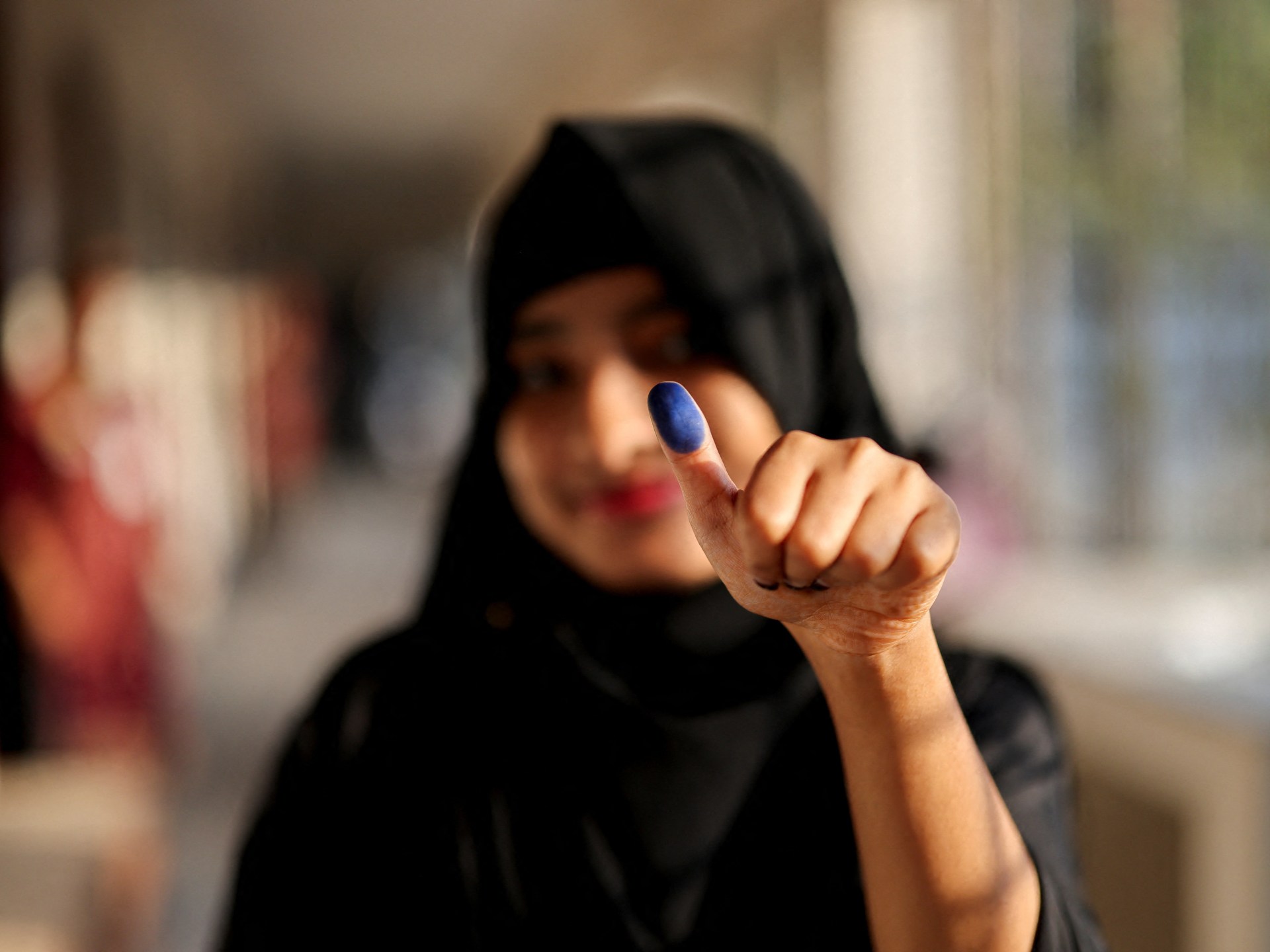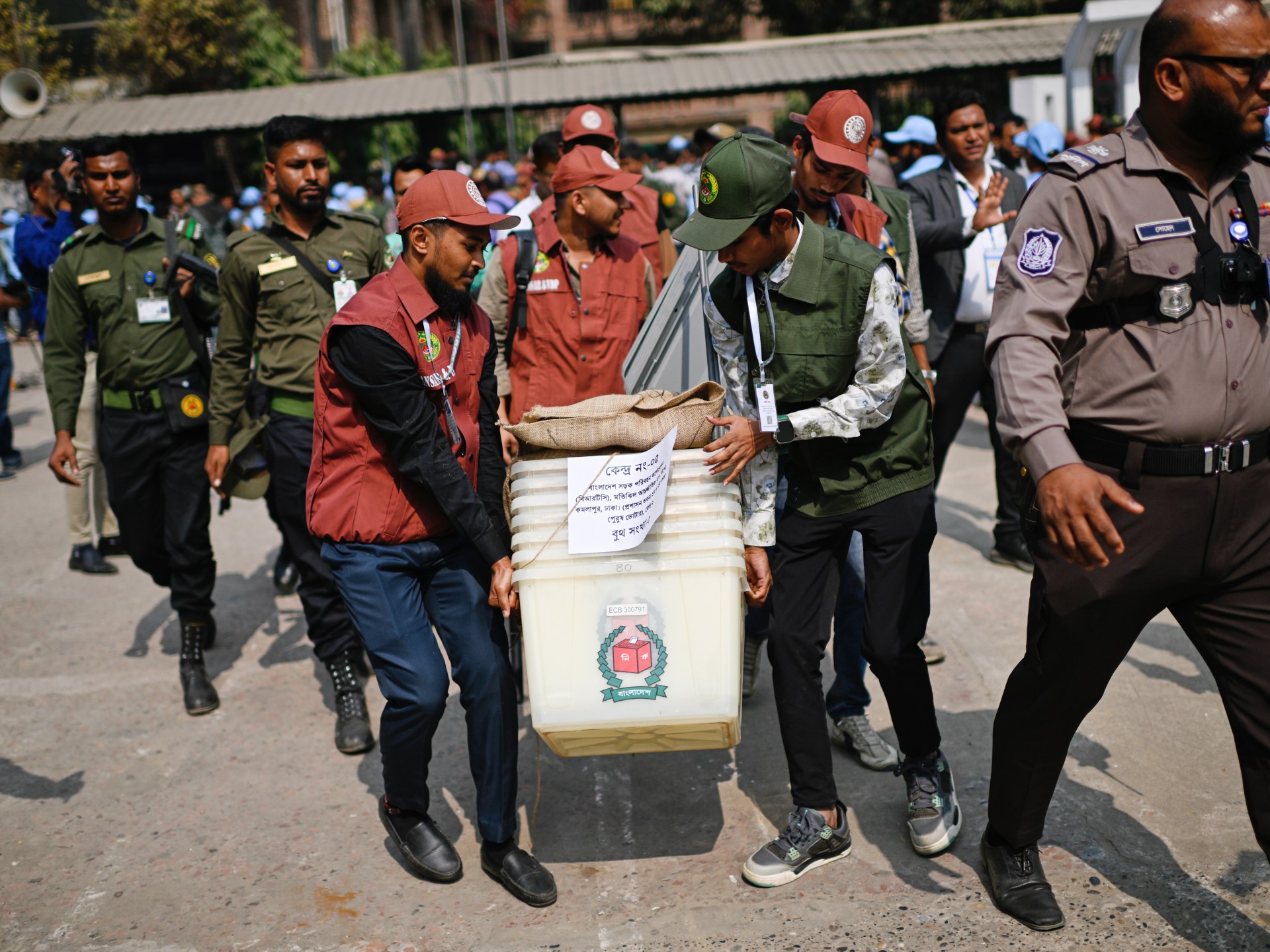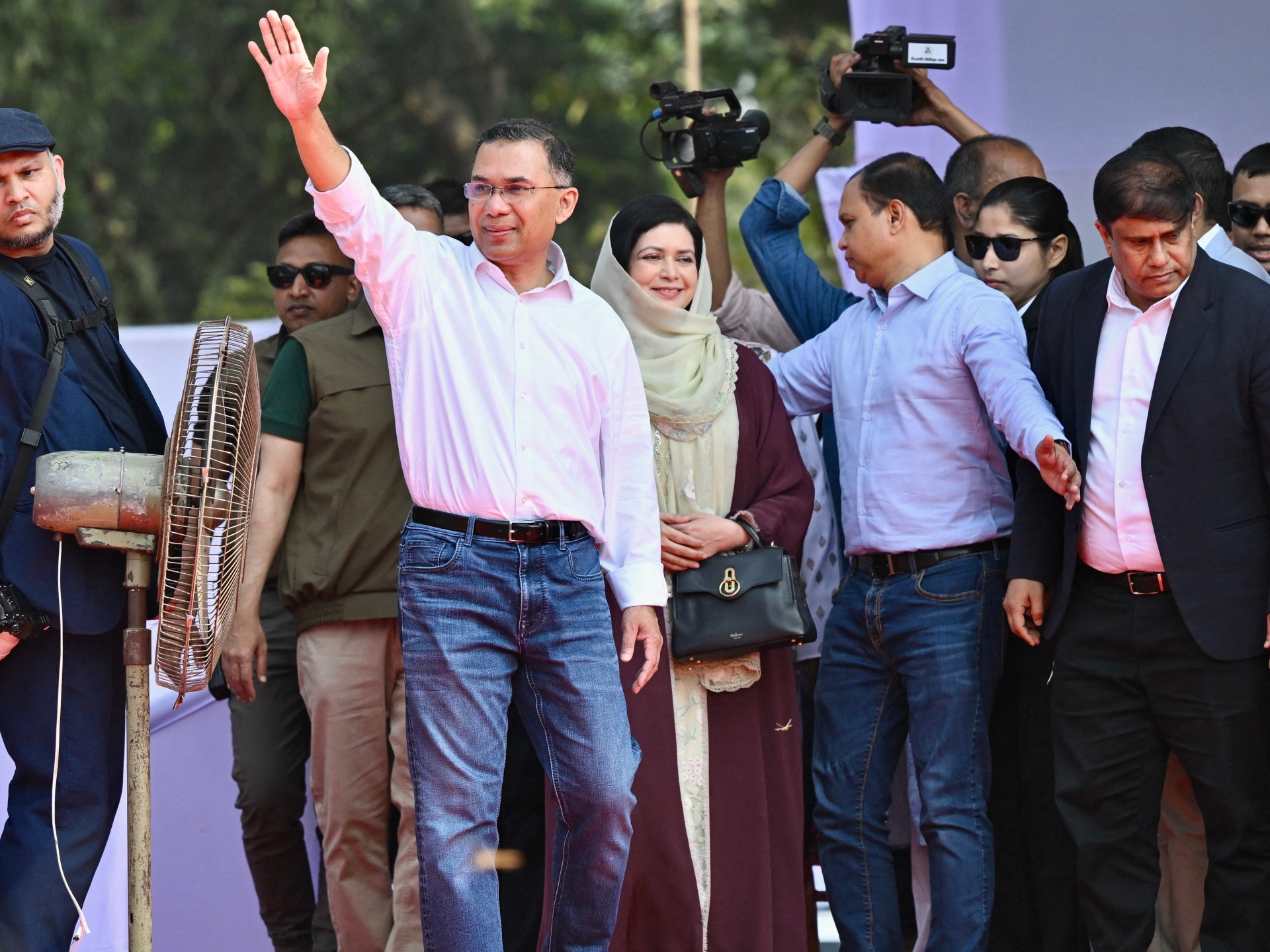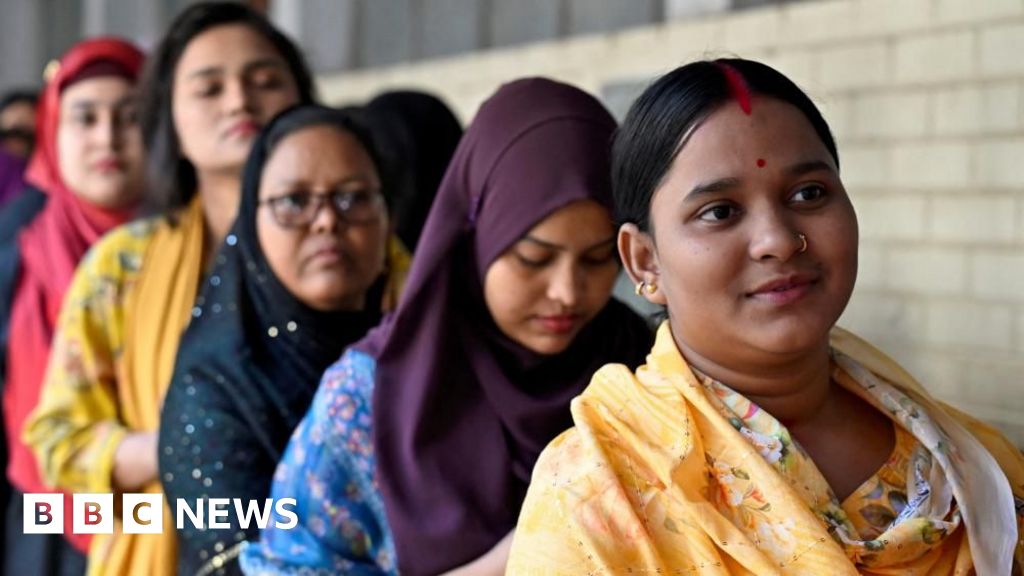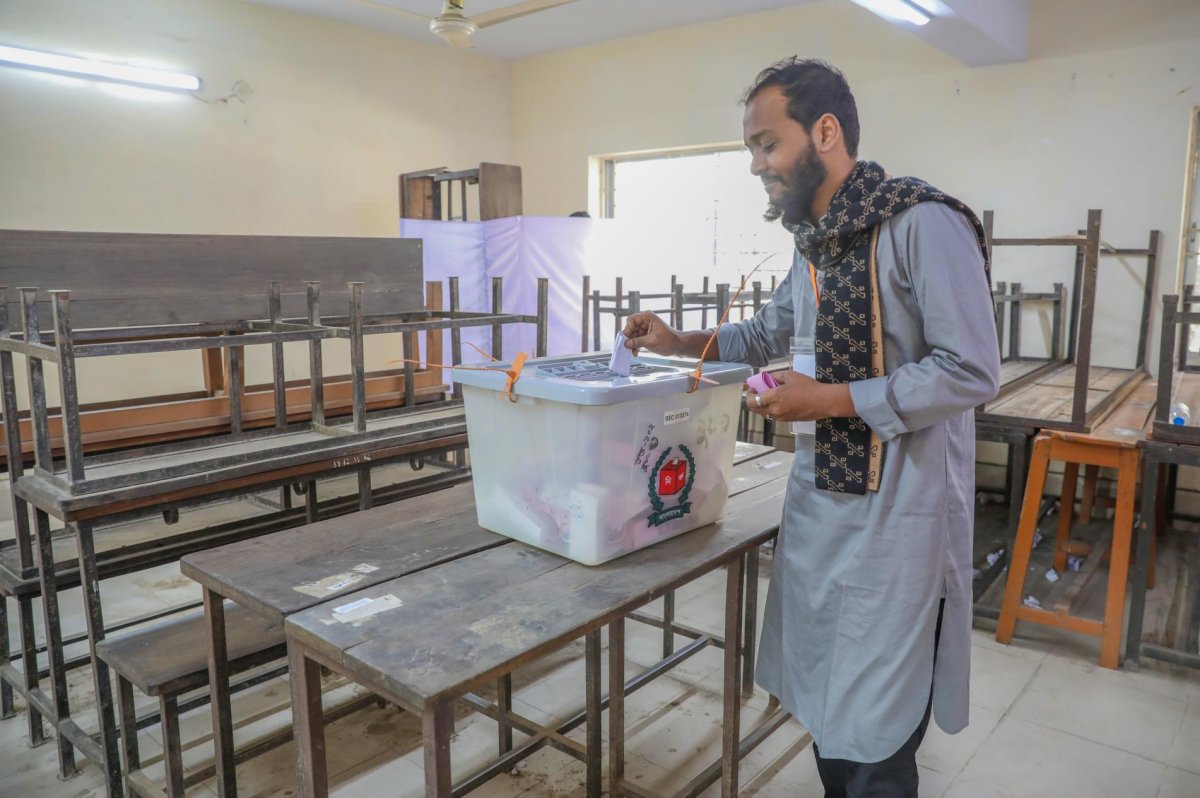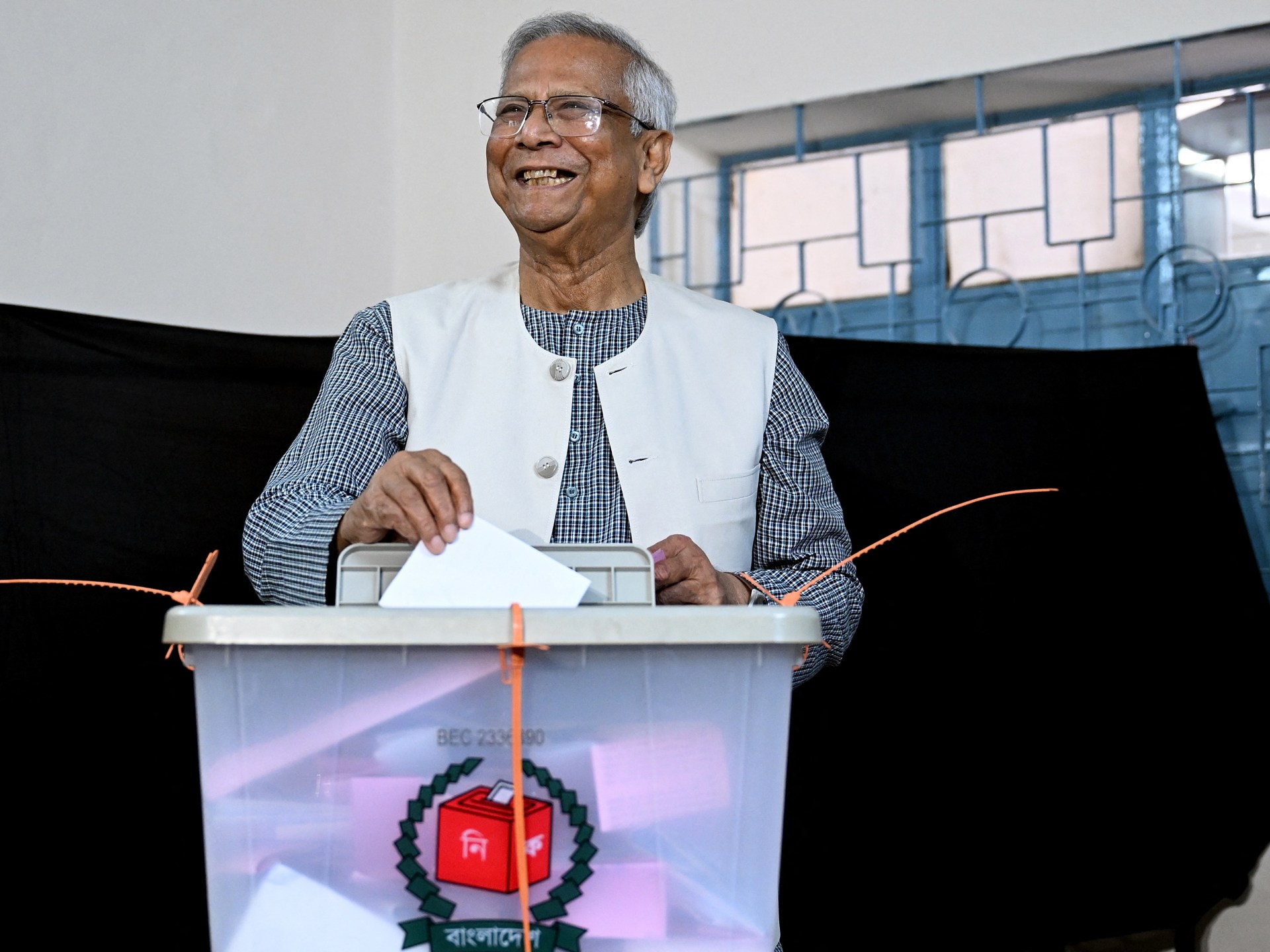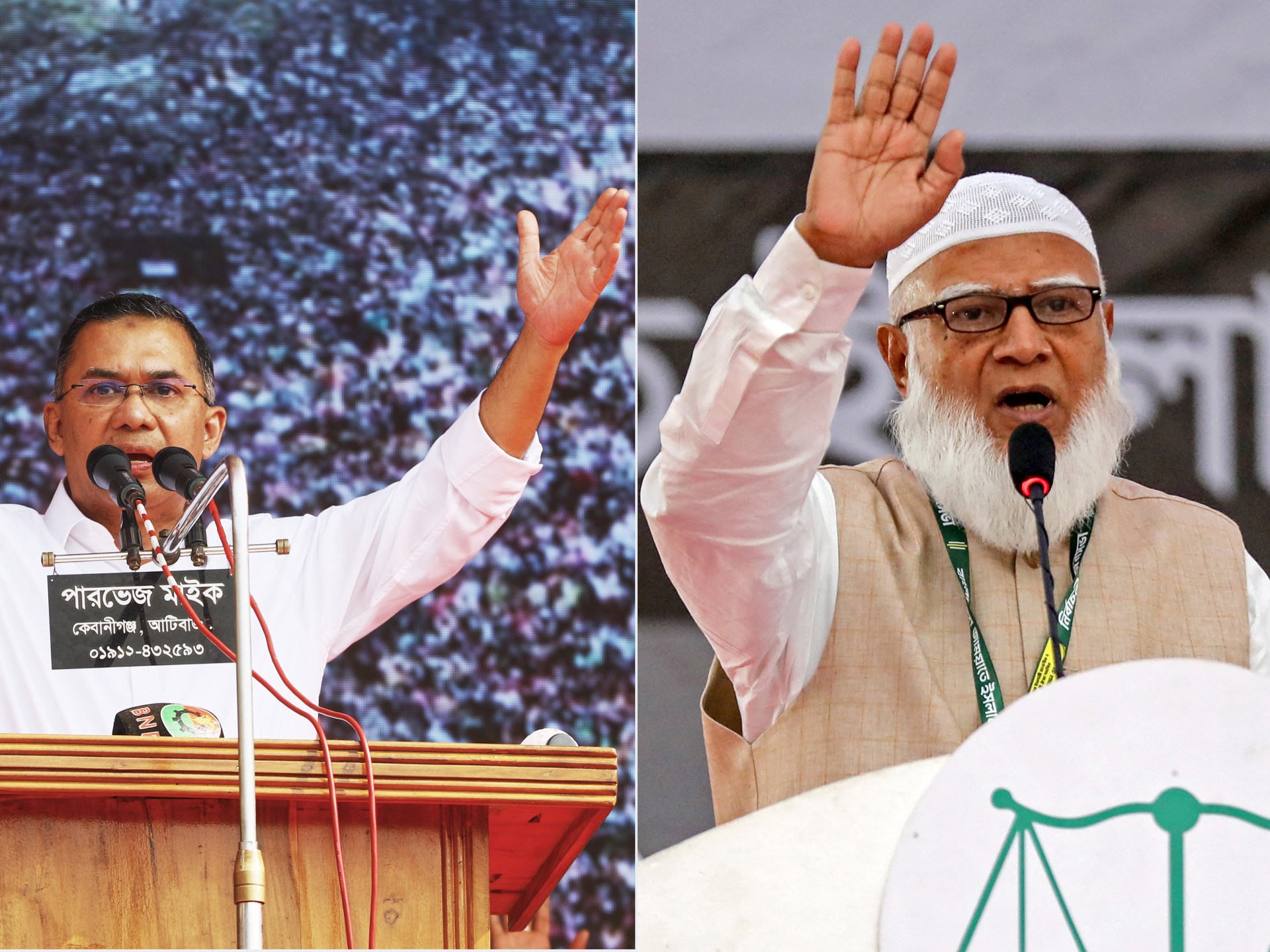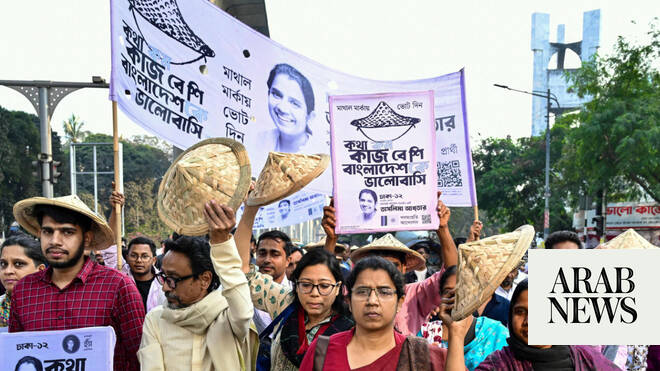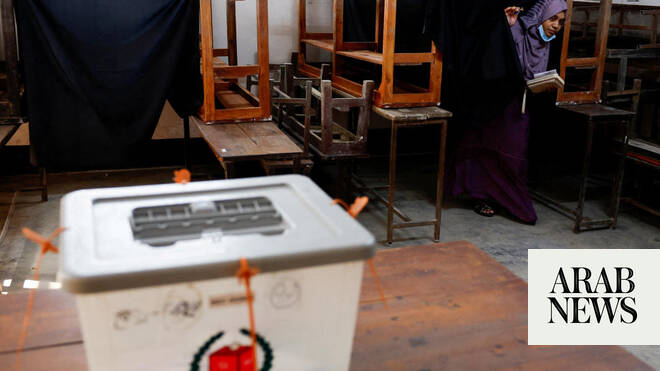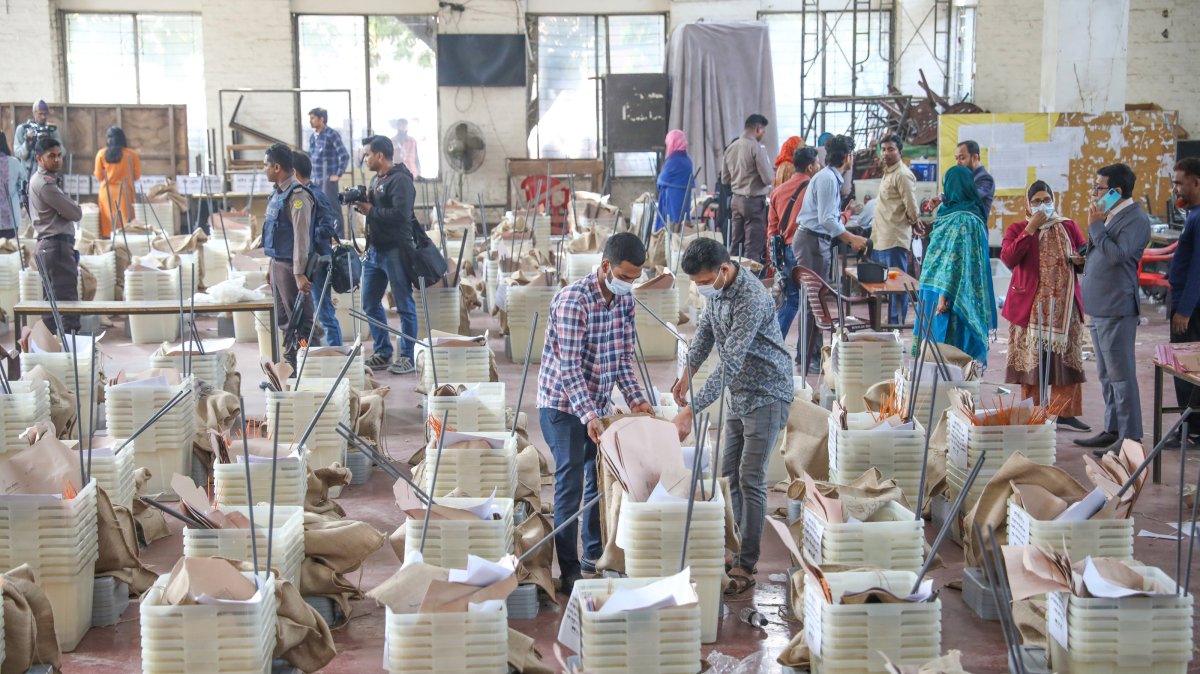
Bangladeshis will cast ballots Thursday in a crucial national election, the first since a mass uprising ended former Prime Minister Sheikh Hasina's 15-year rule, amid high expectations the vote could help reset democratic norms.
The transition is being overseen by an interim administration led by Nobel Peace Prize laureate Muhammad Yunus, which has pledged a fair vote.
The election of a new Parliament will involve more than 127 million eligible voters in the nation of some 170 million people, with 1,981 candidates contesting parliamentary seats nationwide.
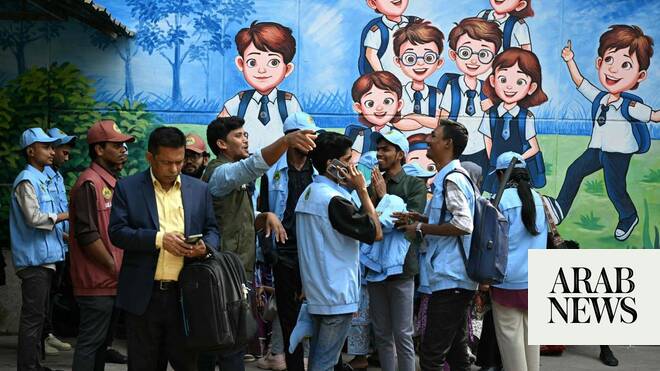
The Yunus-led administration has stated that it is committed to holding elections that are free, fair and peaceful. To help ensure this, around 500 foreign observers will be present, including from the European Union and the Commonwealth, to which Bangladesh belongs.
The vote also introduces a significant procedural change. Bangladeshi citizens living abroad will be able to participate through a postal voting system for the first time. The move is intended to broaden electoral participation by including the country's large expatriate population.