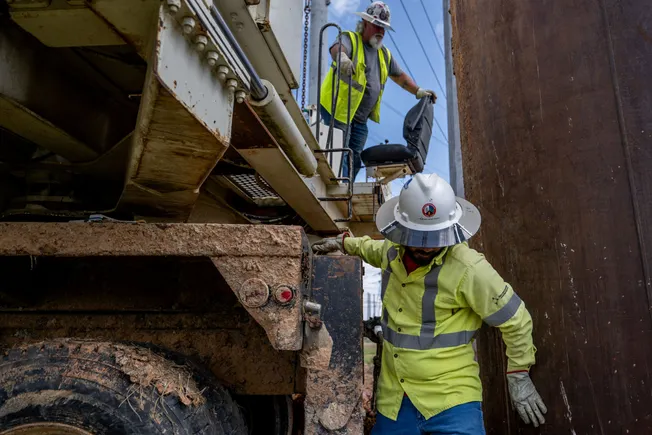
It’s a tense time for workers—and really for anyone who uses infrastructure. If the past few weeks of winter-grid strain taught us anything, it’s that essential systems have less room for failure than most people realize. And we’re still maintaining them through reactive, manual methods, dispatching crews after something breaks instead of preventing failure in the first place.
For all the energy being spent on whether AI will eliminate white-collar jobs, I believe that business leaders are missing a much bigger story: AI won’t replace skilled trades–it will require more of them, and most importantly, make them better.
That’s not a nice-to-have. It’s a necessity as the trades workforce ages, retirements accelerate, and fewer new workers enter the pipeline. I’m a founder with decades of experience in what’s increasingly being called “physical AI,” and I strongly believe that AI should be used to support, not replace, workers. As labor constraints tighten and the cost of downtime climbs, the fastest path to resilience isn’t automating people, it’s up-leveling them: giving frontline teams continuous visibility and decision support where work actually happens.
Across boardrooms and earnings calls, leaders are fixated on which white-collar roles will disappear first, even as they race to deploy tools that promise to write faster, analyze quicker, and compress desk work even further. Nearly every AI debate centers on productivity gains for desk-bound knowledge workers, yet this conversation overlooks where the real workforce pressure lies and where AI can deliver its most meaningful economic impact.